
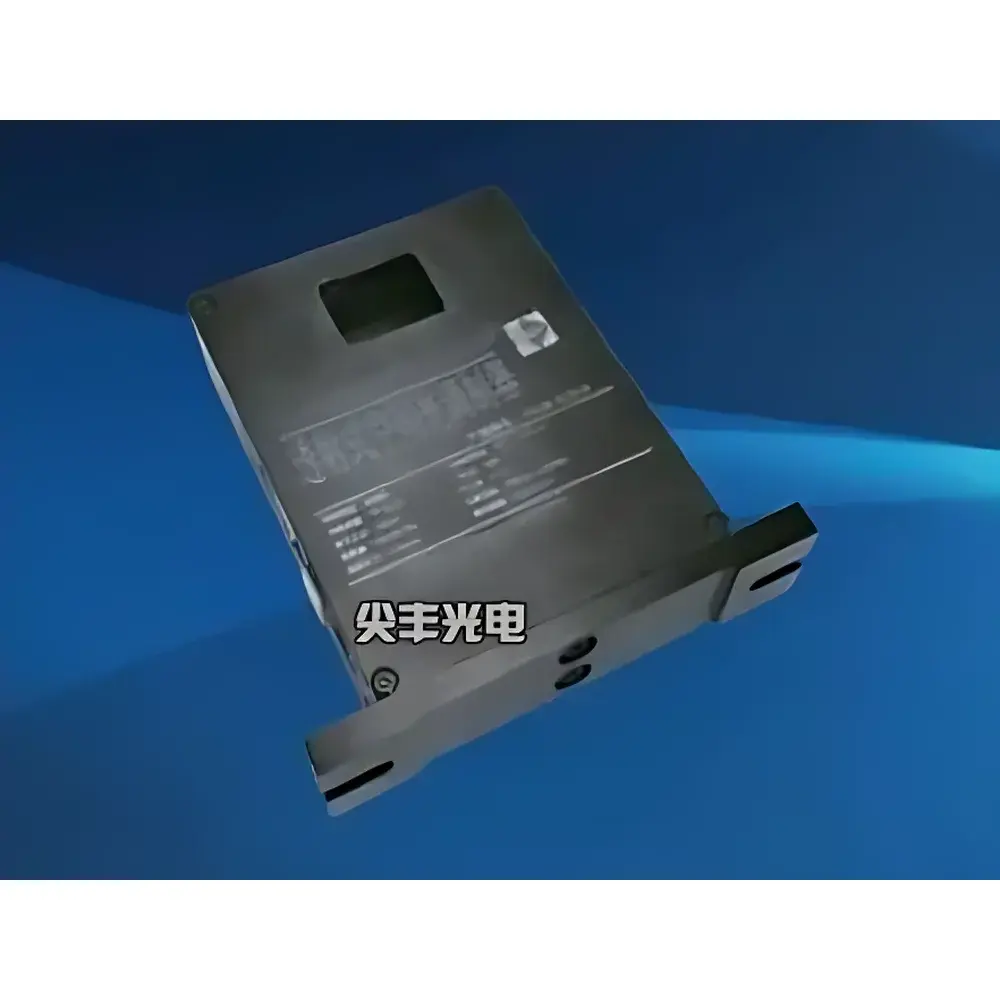
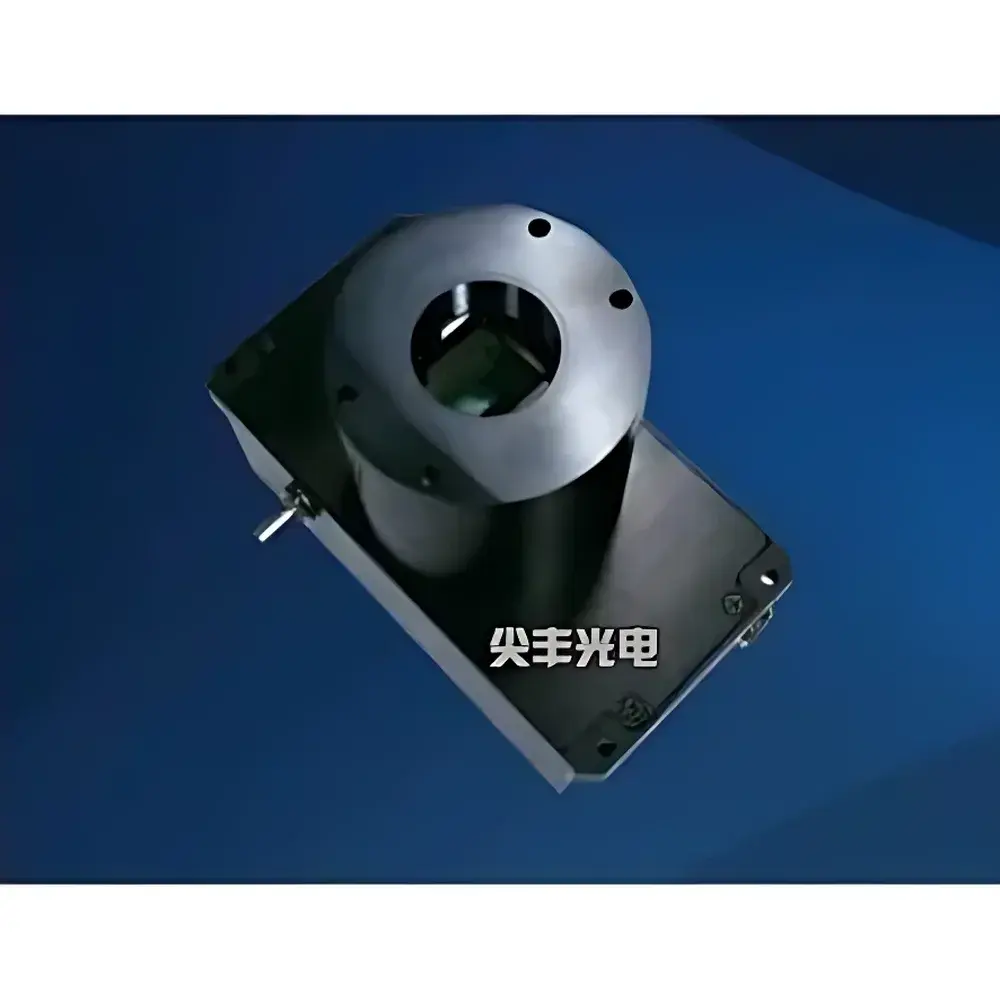
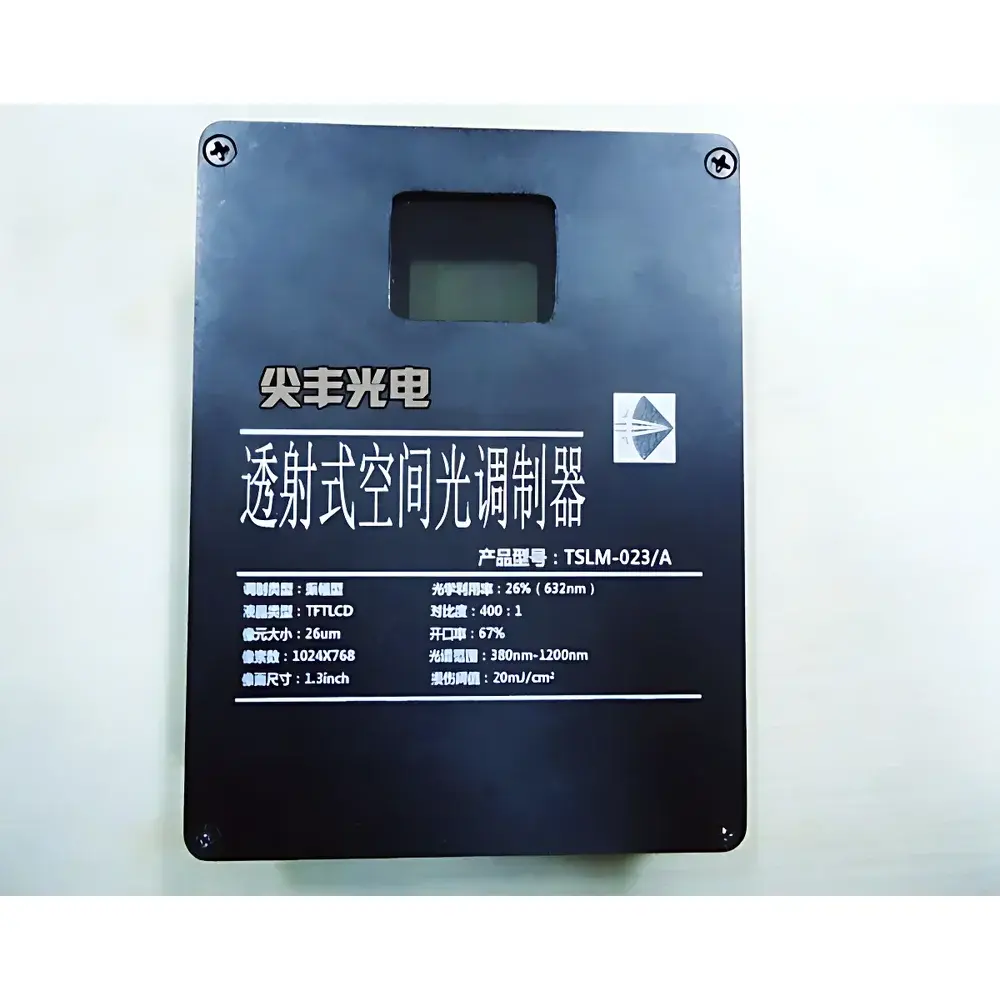
AOE Tech TNSLM017-A Transmissive Liquid Crystal Spatial Light Modulator
| Brand | AOE Tech |
|---|---|
| Model | TNSLM017-A |
| Type | Phase-Modulating SLM |
| Liquid Crystal Mode | TN-type TFT-LCD |
| Pixel Count | 1024 × 768 |
| Pixel Pitch | 36 µm |
| Active Area | 1.8" (36.6 mm × 27.4 mm) |
| Optical Efficiency | 36% @ 632 nm |
| Wavefront Flatness | λ/3–λ/5 |
| Contrast Ratio | 400:1 |
| Aperture Fill Factor | 70% |
| Spectral Range | 380–1200 nm |
| Anti-Reflection Coating | Rₐᵥg < 1% (380–750 nm or 750–1200 nm) |
| Damage Threshold | 2 W/cm² |
| Response Time | 17 ms (rise), 30 ms (fall) |
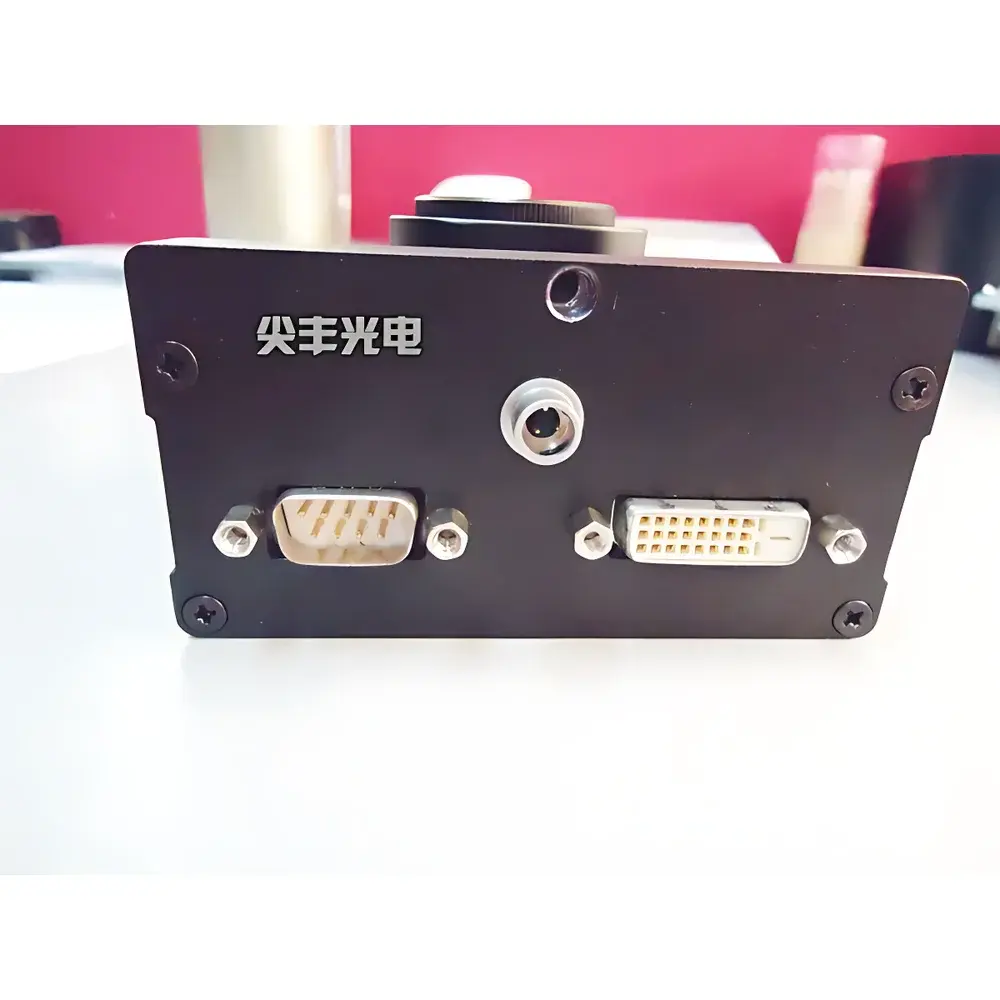
| Data Interface | VGA (standard), DVI/USB (optional) |
| Frame Rate | 60–80 Hz |
| Pixel Clock | 66 MHz |
| Control Interface | RS-232 serial |
| Software Platform | Windows XP/2000 compatible |
| Power Supply | 16 V, 1 A |
Overview
The AOE Tech TNSLM017-A is a high-fidelity transmissive liquid crystal spatial light modulator engineered for precise, dynamic phase modulation of coherent optical wavefronts in advanced photonics research and industrial laser systems. Based on a thermally stable, high-resolution TN-mode thin-film transistor (TFT) liquid crystal panel, the device operates on the principle of electrically induced birefringence—where applied voltage alters the local optical path difference across each pixel, enabling pixel-level control of phase delay with sub-wavelength accuracy. Unlike mechanically scanned or MEMS-based alternatives, the TNSLM017-A features a fully solid-state architecture with no moving parts, ensuring long-term stability, vibration-free operation, and immunity to mechanical wear. Its 1024 × 768 pixel array, with a uniform 36 µm pitch and 70% fill factor, delivers a continuous, high-fidelity phase modulation aperture of 36.6 mm × 27.4 mm—optimized for beam shaping, holographic projection, adaptive optics correction, and ultrafast pulse shaping applications in the visible to near-infrared spectrum (380–1200 nm). Each unit undergoes interferometric wavefront verification at 632 nm to guarantee λ/3–λ/5 transmitted wavefront flatness, a critical requirement for diffraction-limited performance in interferometry and coherent beam combining.
Key Features
- Phase-modulation capability with calibrated voltage-to-phase transfer function, validated for linearity and repeatability across full 0–2π range
- Integrated driver electronics with low-noise analog biasing and synchronized timing circuitry for stable grayscale fidelity
- High optical efficiency (36% @ 632 nm) enabled by optimized LC alignment, AR-coated substrates (Rₐᵥg < 1%), and minimal electrode shadowing
- Robust thermal design supporting continuous-wave operation at up to 2 W/cm² fluence without pixel degradation
- VGA-standard video interface with optional DVI/USB upgrade paths; RS-232 serial port for real-time parameter reconfiguration (gamma, inversion, offset, frame rate)
- Plug-and-play compatibility with standard polarization optics: orthogonal linear polarizers (extinction ratio > 99.99%) pre-aligned for maximum contrast and minimal polarization crosstalk
- Windows-compatible control software with GUI-driven pattern loading, LUT editing, and scriptable API (DLL-based) for integration into LabVIEW, MATLAB, or Python environments
Sample Compatibility & Compliance
The TNSLM017-A is designed for use with collimated, polarized laser sources—including HeNe (632.8 nm), diode-pumped solid-state (532 nm, 1064 nm), and supercontinuum sources—within Class 3B/4 laser safety frameworks. Its AR-coated input/output windows meet ISO 10110-7 surface quality specifications, while its non-hygroscopic glass substrate and hermetically sealed LC cell ensure stable performance under ambient laboratory conditions (20–25 °C, 30–60% RH). The device complies with CE marking requirements for electromagnetic compatibility (EN 61326-1) and low-voltage directive (2014/35/EU). While not certified for GMP or FDA-regulated production environments, its deterministic response, audit-ready parameter logging via RS-232, and traceable calibration protocol support GLP-aligned experimental workflows in academic and industrial R&D labs.
Software & Data Management
The bundled Windows application provides full control over modulation parameters—including contrast, brightness, gamma correction, image mirroring, and spatial offset—with real-time preview and frame-synchronized triggering. All configuration changes are logged with timestamps and user identifiers, satisfying basic traceability requirements for reproducible experiments. The SDK includes C/C++ header files and example code for custom waveform generation, enabling closed-loop wavefront control when paired with Shack-Hartmann sensors or interferometers. Data export supports 16-bit TIFF and binary formats, preserving full dynamic range for post-processing in MATLAB or Python (NumPy). No cloud connectivity or remote access functionality is implemented—ensuring data sovereignty and compliance with institutional IT security policies.
Applications
- Computer-generated holography (CGH) for optical trapping, structured illumination microscopy, and multi-plane fluorescence imaging
- Adaptive optics wavefront correction in astronomy and ophthalmic imaging systems
- Dynamic laser beam steering and focus control in materials processing and LIBS
- Ultrafast pulse shaping via Fourier-domain spectral filtering in Ti:sapphire amplifier chains
- Quantum optics experiments requiring programmable mode coupling in photonic circuits
- Optical testing of aspheric lenses and freeform surfaces using digital shearing interferometry
FAQ
What is the maximum usable spatial frequency for phase-only operation?
The Nyquist limit is ~13.9 lp/mm (based on 36 µm pitch); practical resolution for smooth phase ramps is limited by LC response dynamics and drive electronics bandwidth—typically ≤ 8 lp/mm at 60 Hz frame rate.
Can the TNSLM017-A be used for amplitude modulation?
Yes, but only in conjunction with external polarizers; intrinsic amplitude modulation is not supported—the device is optimized and calibrated for phase modulation.
Is the wavefront flatness specification verified per unit or batch-averaged?
Each TNSLM017-A undergoes individual interferometric measurement at 632.8 nm using a Zygo Verifire™ system; certificate of conformance accompanies shipment.
Does the controller support external trigger synchronization?
No native TTL trigger input is provided; synchronization must be achieved via software polling or external frame-grabber coordination.
What is the warranty and calibration interval recommendation?
AOE Tech provides a 12-month limited warranty; annual recalibration is recommended for metrology-critical applications, using NIST-traceable interferometric reference standards.





