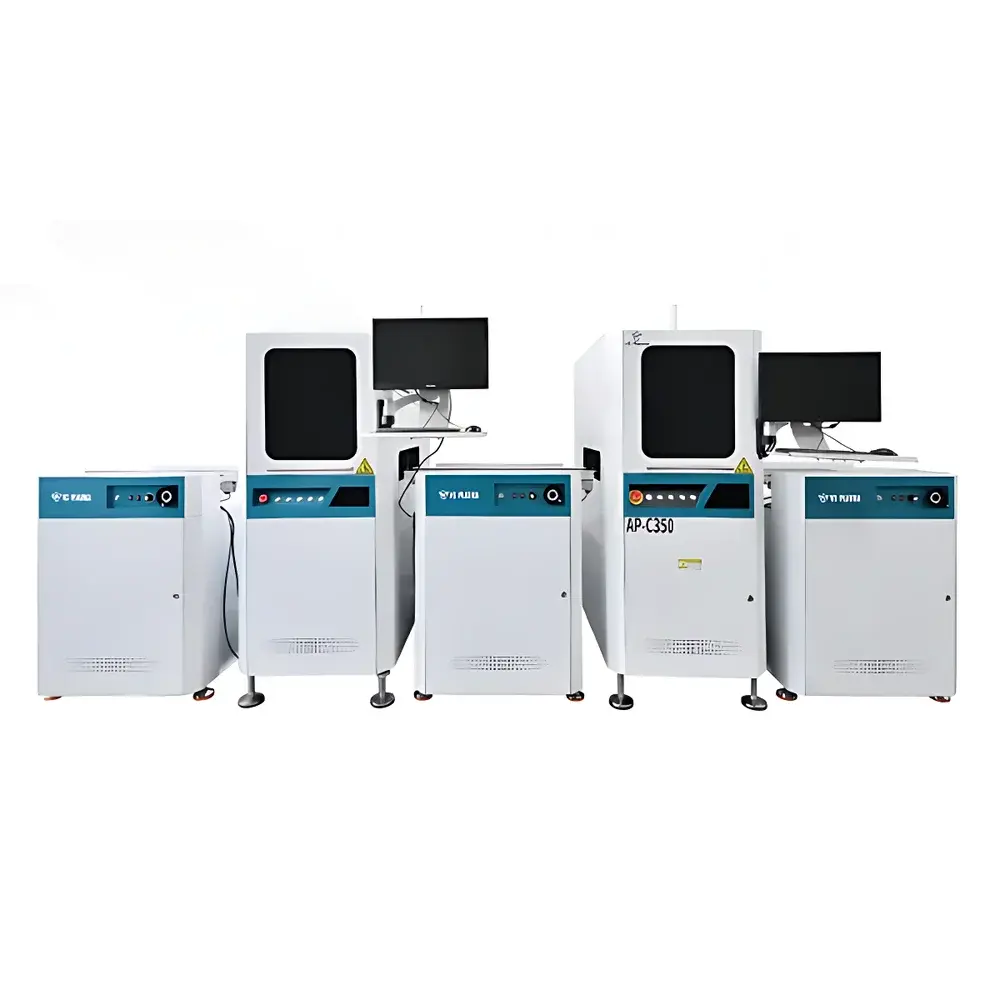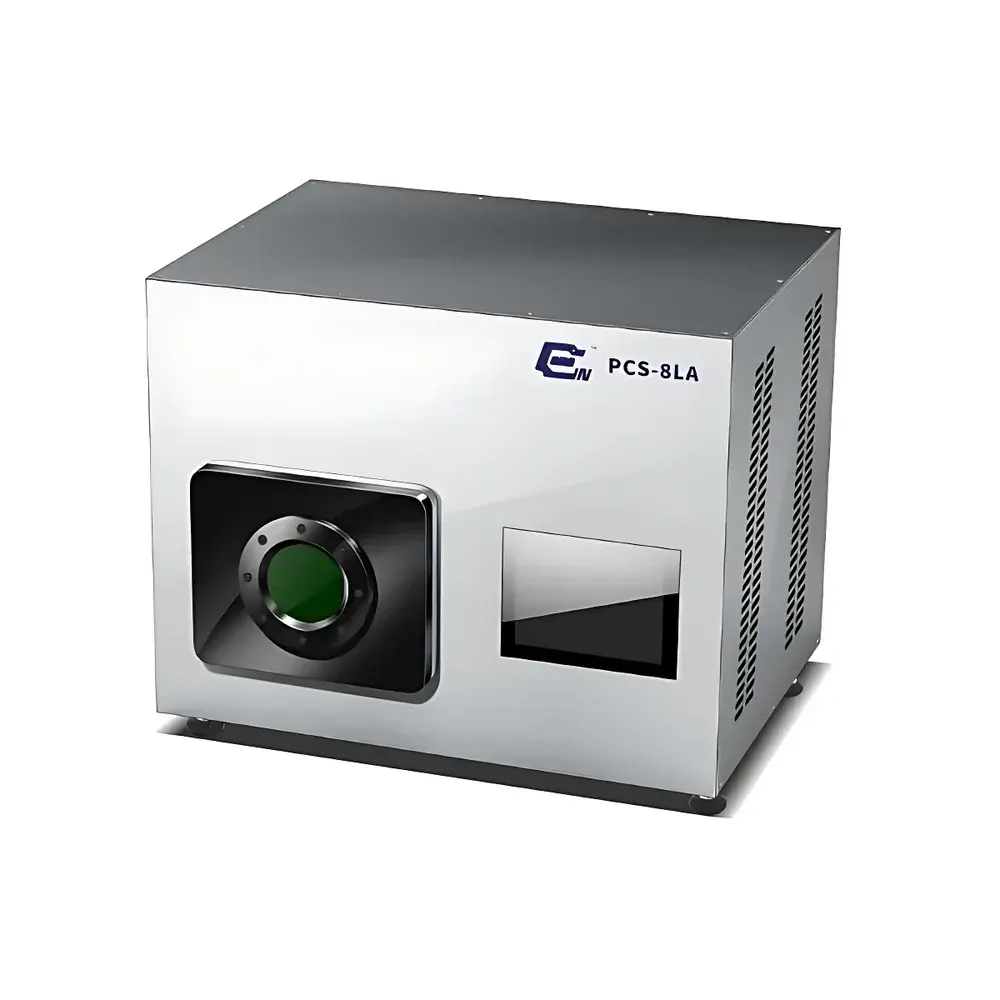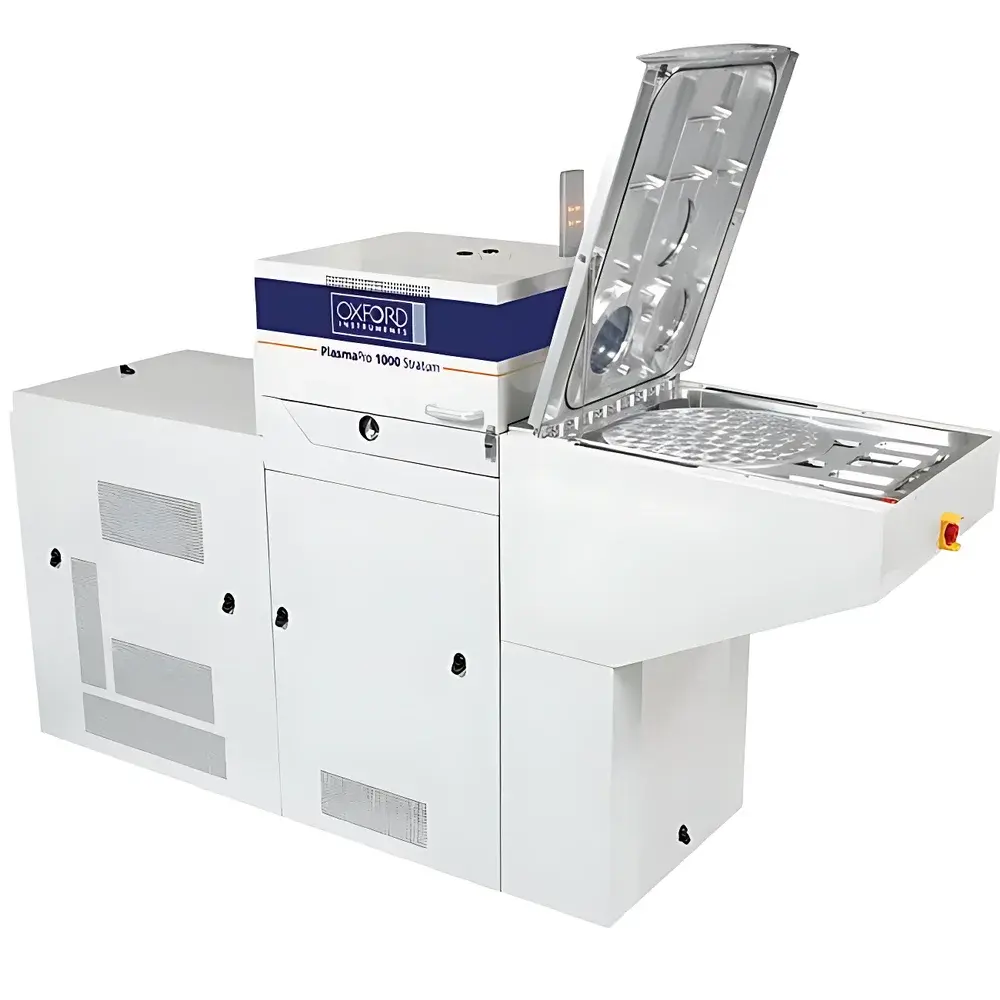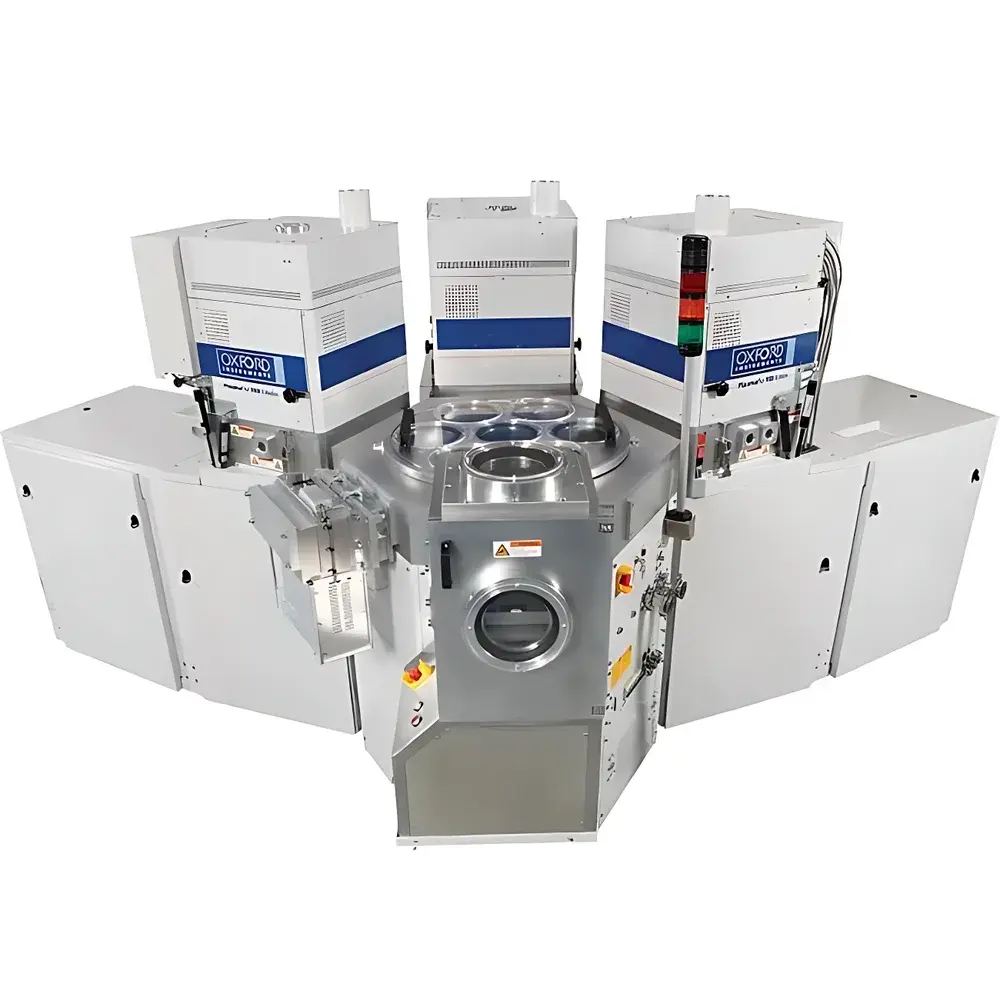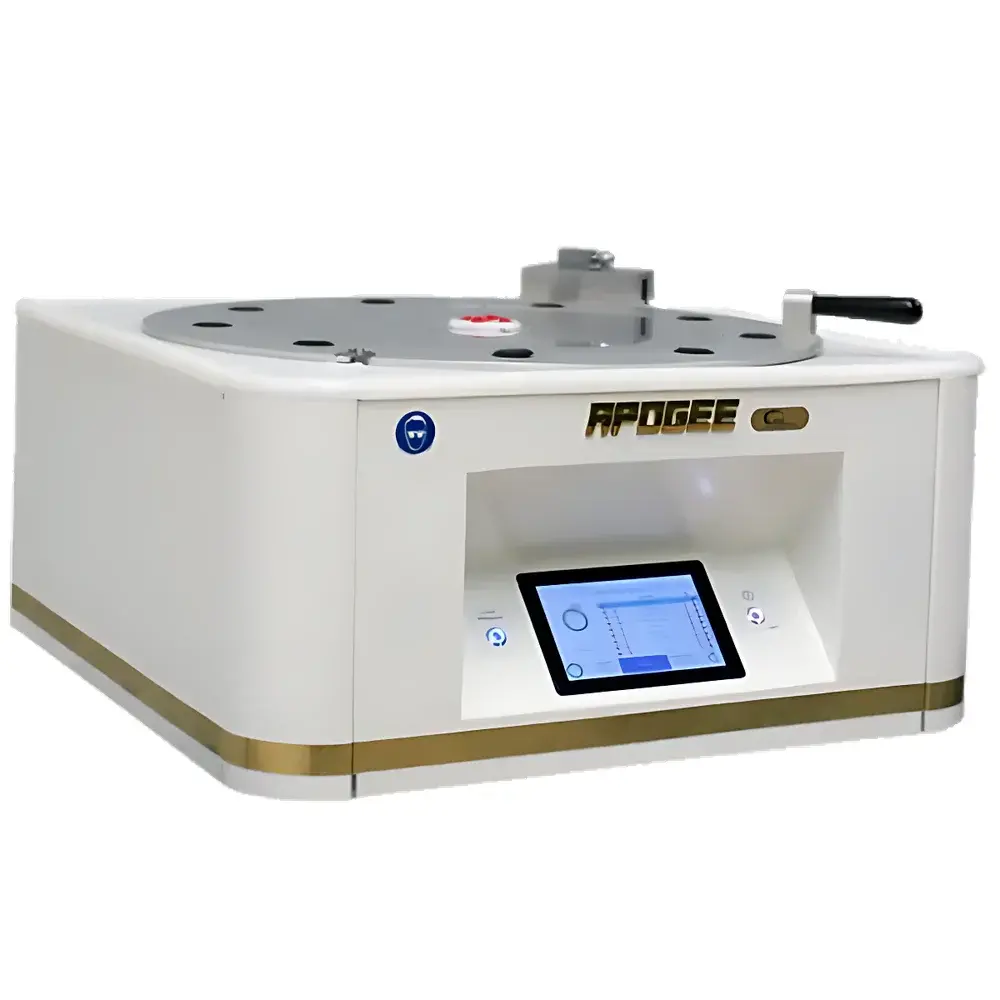
Apogee 450 Spin Coater
| Brand | Ansys |
|---|---|
| Origin | USA |
| Manufacturer Type | Original Equipment Manufacturer (OEM) |
| Product Category | Imported Instrument |
| Model | Apogee 450 |
| Rotation Speed | 0–30,000 rpm/s (no-load) |
| Speed Accuracy | ±0.2 rpm |
| Speed Resolution | <0.2 rpm |
| Max Acceleration | 0–3000 rpm/s (with 350 mm × 6 mm embedded chuck) |
| Substrate Compatibility | Ø10 mm to Ø450 mm wafers |
| Step Time Resolution | 0.1 s (max step duration: 9999.9 s) |
| GUI | Full-color 7″ capacitive touchscreen with alphanumeric graphical interface |
| Data Interface | USB 2.0, Ethernet (10/100 Mbps), StreamSync™ communication protocol |
| Vacuum & Lid Interlock | Yes |
| Chamber Material | HDPE (High-Density Polyethylene) spin bowl |
| Optional Features | N₂ purging for inert ambient, X-PRO standalone workstation integration, overhead exhaust hood with chemical fume containment |
Overview
The Apogee 450 Spin Coater is a high-precision, semiconductor-grade rotational coating system engineered for reproducible thin-film deposition across advanced substrate formats—including 300 mm and 450 mm silicon wafers, 14″ × 14″ flat-panel display (FPD) substrates, and large-format photomasks. Utilizing a closed-loop, indirect-drive motor architecture, the system delivers exceptional speed stability and torque fidelity under dynamic load conditions. Its core operation relies on controlled centrifugal force generation to govern solvent evaporation kinetics and film thickness uniformity—governed by the classic Meyerhofer and Emslie et al. spin-coating models. Designed for integration into Class 100 cleanroom environments and compatible with standard photolithography process lines, the Apogee 450 meets stringent requirements for process repeatability, chemical resistance, and long-term operational integrity in R&D, pilot-line, and low-volume production settings.
Key Features
- Compact footprint design optimized for space-constrained cleanrooms and tool clustering configurations
- 7-inch full-color capacitive touchscreen HMI with intuitive, context-aware GUI supporting multilingual alphanumeric input and real-time parameter visualization
- High-torque, brushless DC motor coupled via non-contact magnetic transmission—eliminating direct exposure of drive components to solvents, photoresists, or etchants
- HDPE (high-density polyethylene) spin bowl and chemically inert chamber surfaces rated for compatibility with common lithographic solvents (e.g., PGMEA, IPA, acetone, DMSO) and developer formulations
- Programmable lid-lift assist mechanism with gas-spring actuation (≥45° open angle) enabling ergonomic access and repeatable sealing pressure
- Integrated overhead exhaust hood with adjustable flow control and dedicated emission port—designed to comply with local industrial hygiene standards for VOC and acid vapor capture
- DataStream™ real-time parameter streaming and StreamSync™ bidirectional protocol for synchronized multi-tool orchestration and centralized recipe management
- Vacuum and lid-position interlocks compliant with ISO 13857 and SEMI S2-0215 safety guidelines
Sample Compatibility & Compliance
The Apogee 450 accommodates substrates from Ø10 mm microfluidic chips up to Ø450 mm wafers and 14″ × 14″ square panels. Its modular chuck system supports vacuum-based clamping for rigid wafers and mechanical retention for flexible or warped substrates—including quartz masks, glass substrates, and metal-coated foils. The system conforms to key industry standards: SEMI F47 (voltage sag immunity), SEMI E10 (definition of equipment reliability metrics), and ISO 9001:2015 (quality management systems). All firmware and GUI logic are designed to support audit-ready operation per FDA 21 CFR Part 11 when deployed with optional electronic signature and audit trail modules. Process logs—including speed, acceleration, step time, vacuum status, and lid position—are timestamped and stored locally with SHA-256 hash integrity verification.
Software & Data Management
The embedded controller runs a deterministic real-time OS supporting unlimited user-defined recipes, each comprising up to 99 sequential steps with independent speed, acceleration, dwell time, and gas purge parameters. Step timing resolution is 0.1 seconds, with maximum step duration of 9999.9 seconds—enabling extended soft-bake or solvent annealing protocols. All recipes and logs are exportable via USB or Ethernet in CSV and XML formats. The StreamSync™ API provides RESTful endpoints for integration with MES platforms (e.g., Applied Materials EnduraLink, Tokyo Electron TELStep) and LIMS systems. Remote diagnostics, firmware updates, and application support are delivered over encrypted TLS channels—fully supported throughout the product lifecycle without subscription fees.
Applications
- Photoresist, anti-reflective coating (ARC), and bottom antireflective coating (BARC) spin deposition for sub-10 nm node lithography
- Spin-on dielectrics (SODs), spin-on carbon (SOC), and spin-on glass (SOG) films for BEOL integration
- Functional polymer layers in organic electronics, perovskite solar cells, and flexible display manufacturing
- Uniform hydrophobic/hydrophilic surface modification using silane or fluorosilane precursors
- Pre-deposition priming (e.g., HMDS) and post-apply edge bead removal (EBR) process staging
- R&D-scale development of novel nanocomposite coatings requiring precise shear history control
FAQ
What substrate sizes does the Apogee 450 support?
The system handles circular substrates from Ø10 mm to Ø450 mm and square substrates up to 14″ × 14″, including photomasks, glass panels, and silicon-on-insulator (SOI) wafers.
Is nitrogen purging available as a factory option?
Yes—optional N₂ blanket delivery is integrated via mass-flow-controlled inlet manifold, maintaining oxygen levels below 10 ppm during rotation for oxygen-sensitive resists and metal-organic precursors.
How is process traceability ensured?
Each run generates a timestamped log file containing all executed parameters, sensor readings (vacuum, temperature, lid status), and operator ID—exportable for GLP/GMP-compliant documentation.
Can the Apogee 450 be integrated into an automated cluster tool?
Yes—equipped with SECS/GEM-compliant messaging over Ethernet and hardware I/O signals (opto-isolated digital inputs/outputs) for seamless integration with front-end loaders and interbay transport systems.
What maintenance intervals are recommended?
No scheduled lubrication is required; routine validation includes quarterly speed calibration using traceable tachometer reference and annual vacuum integrity testing per SEMI E79 guidelines.