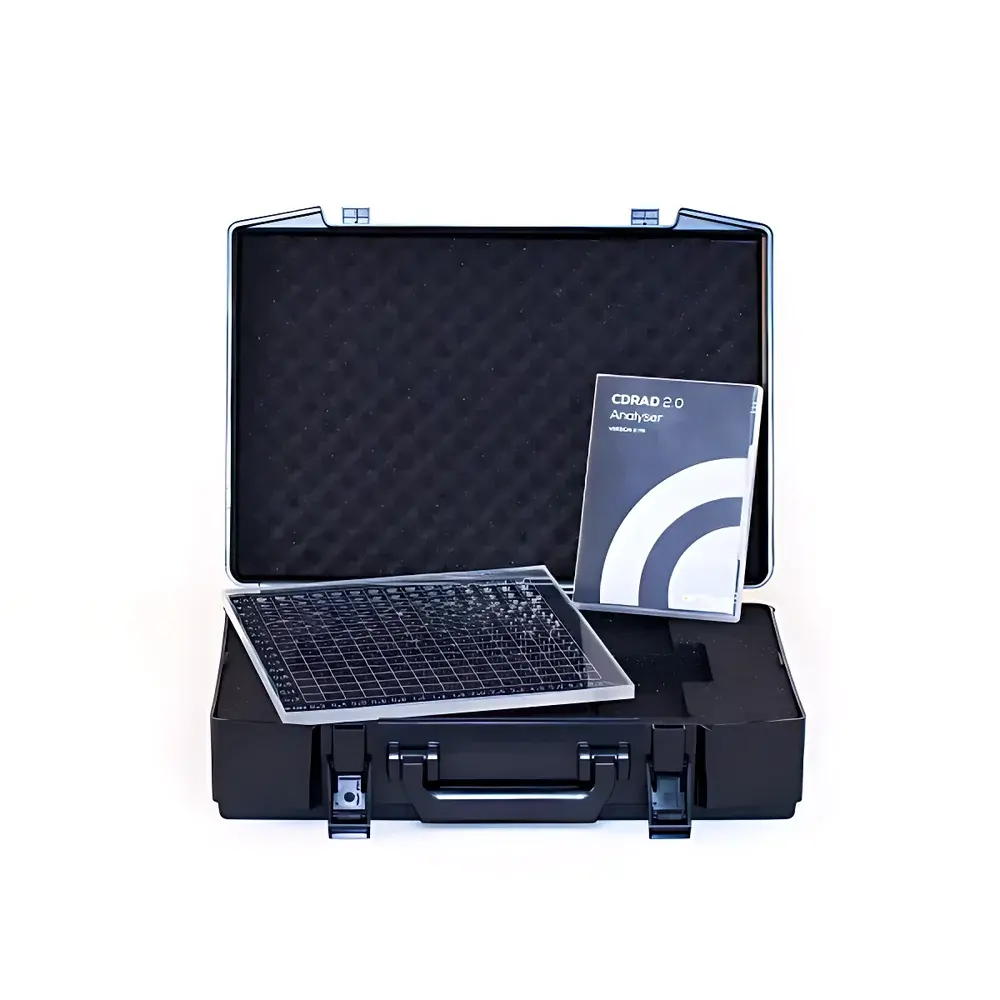
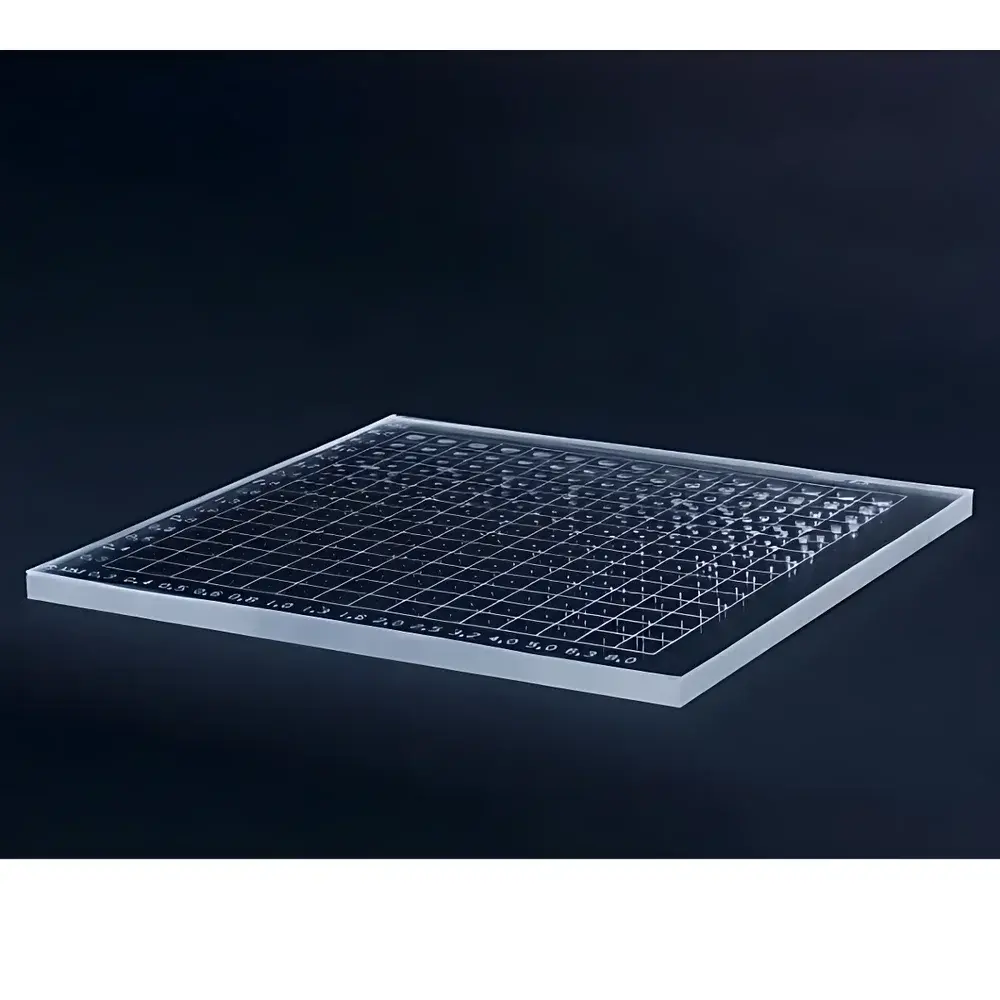
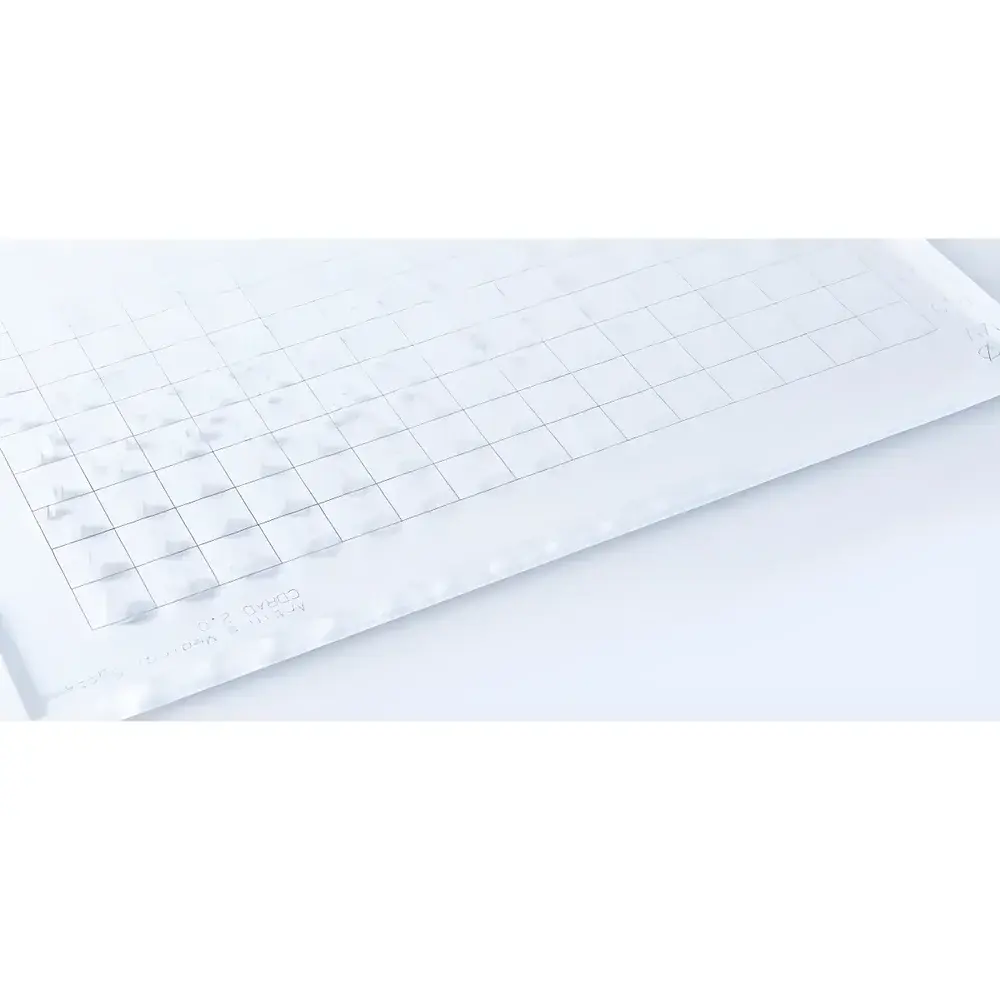
Artinis CDRAD 2.0 Contrast-Detail Phantom
| Brand | Artinis |
|---|---|
| Country of Origin | Netherlands |
| Model | CDRAD 2.0 |
| Phantom Type | Contrast-Detail Resolution Test Object for Diagnostic Radiology |
| Material | PMMA (Polymethyl Methacrylate) |
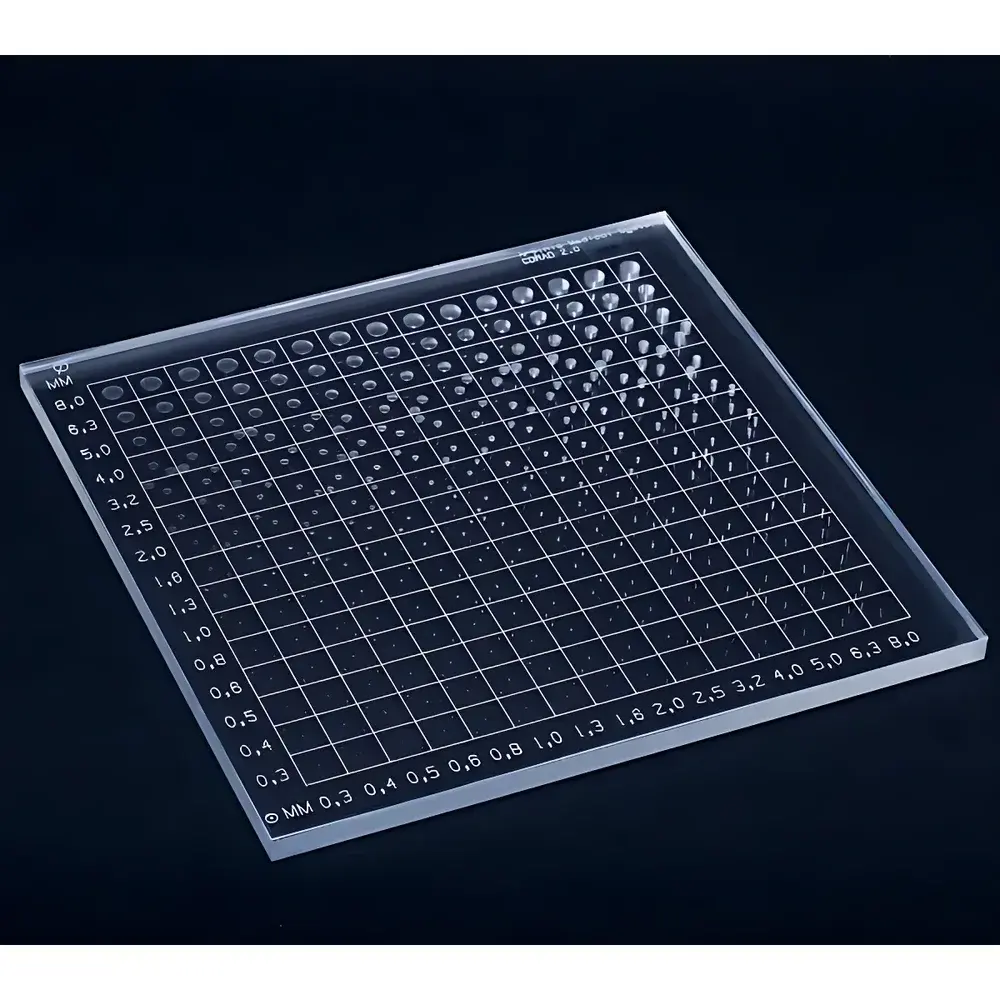
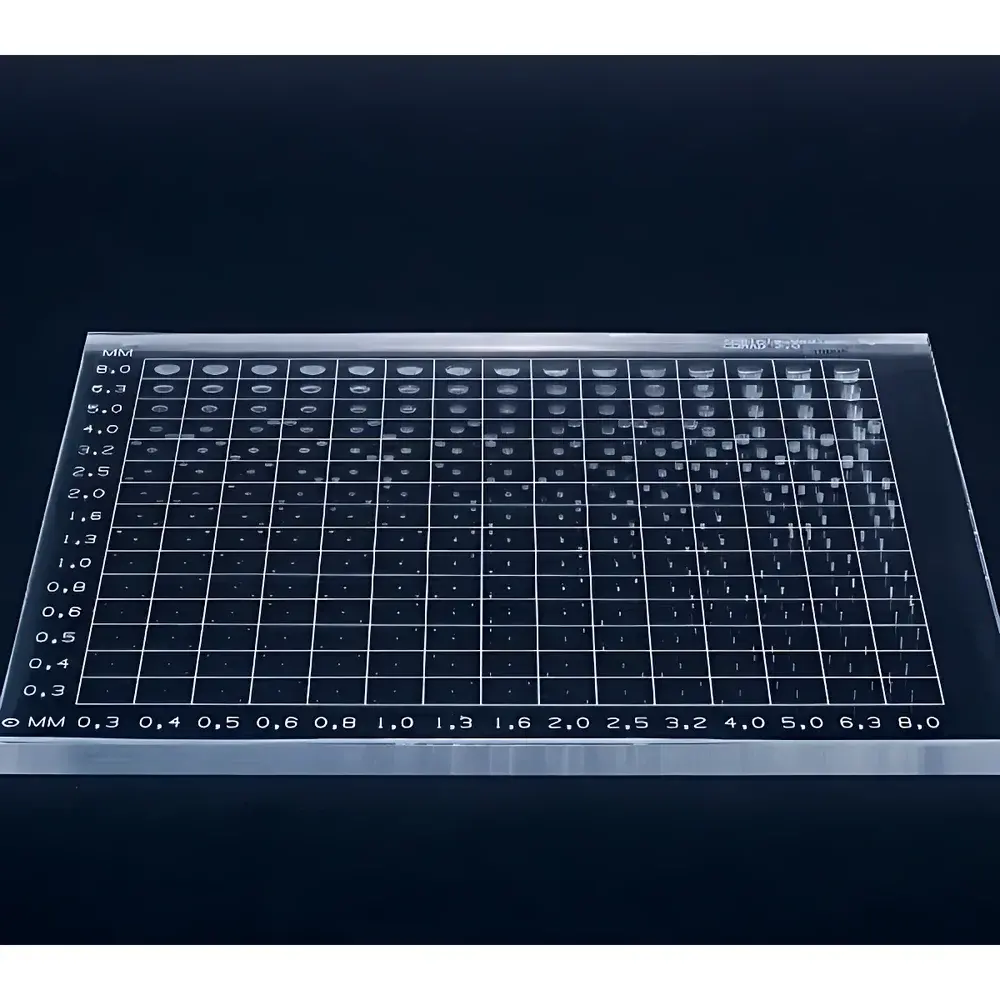
| Hole Depth Range | 0.3–8.0 mm ±0.03 mm (15 logarithmic steps) |
| Hole Diameter Range | 0.3–8.0 mm ±0.03 mm (15 logarithmic steps) |
| Application Scope | Fluoroscopy, Digital Subtraction Angiography (DSA), General Radiography, Mammography (with appropriate beam filtration and geometry) |
Overview
The Artinis CDRAD 2.0 Contrast-Detail Phantom is a rigorously engineered test object designed to quantitatively assess the combined performance of diagnostic X-ray imaging systems and human observer perception under clinical conditions. Unlike purely physical resolution phantoms (e.g., line-pair or star-pattern devices), the CDRAD 2.0 operates on the principle of contrast-detail detectability—a psychophysical metric that integrates low-contrast visibility with spatial frequency response. It consists of a precisely machined PMMA plate containing 225 circular holes arranged in a 15×15 matrix, where both hole diameter and depth vary logarithmically across two orthogonal dimensions. This dual-parameter design enables systematic evaluation of system modulation transfer function (MTF), noise power spectrum (NPS), and observer threshold contrast sensitivity as a function of object size and contrast—critical parameters defined in IEC 62220-1-1 and ASTM E2737 for digital radiography systems.
Key Features
- Precision-machined PMMA substrate with certified dimensional tolerances: ±0.03 mm for both hole diameter and depth across all 15 logarithmic steps (0.3–8.0 mm range)
- Orthogonal parametric layout enabling independent variation of spatial detail (diameter) and contrast (depth), facilitating decoupled analysis of resolution and contrast sensitivity
- Compliant with international standards for image quality assessment, including IEC 62220-1-1 (characterization of digital X-ray detectors) and EN 61223-3-2 (acceptance and constancy testing)
- Optimized geometry for use across multiple modalities: fluoroscopic systems, digital subtraction angiography (DSA), general radiography, and mammographic units (when used with appropriate kVp/filtration settings)
- Traceable manufacturing documentation supporting GLP-compliant quality assurance programs in clinical and regulatory environments
Sample Compatibility & Compliance
The CDRAD 2.0 phantom is compatible with all digital X-ray detector types—including indirect and direct conversion flat-panel detectors, CCD-based systems, and photostimulable phosphor (PSP) plates—provided appropriate exposure geometry and collimation are maintained. Its PMMA construction (density ≈ 1.18 g/cm³) approximates soft-tissue attenuation, making it suitable for evaluating contrast detection in clinically relevant subject contrasts. The phantom meets requirements for routine quality control (QC) testing under ISO 15504-1 (medical imaging—quality assurance) and supports compliance with FDA guidance documents on digital radiography system validation. It is routinely employed in hospital physics departments to satisfy Joint Commission and ACR accreditation criteria for imaging equipment constancy testing.
Software & Data Management
The Artinis CD Analysis Software is a validated Windows-based application specifically developed for objective scoring of CDRAD 2.0 images. The software implements automated region-of-interest (ROI) detection, background normalization, and threshold-based detection mapping using standardized algorithms aligned with the methodology described in van Engen et al. (Phys. Med. Biol. 2008). It generates quantitative contrast-detail curves, calculates the Contrast-Detail Index (CDI), and produces audit-ready PDF reports compliant with 21 CFR Part 11 requirements when configured with electronic signature and audit trail modules. All image processing steps are fully documented, ensuring traceability for internal QA reviews and external regulatory inspections.
Applications
- Optimization of exposure parameters (kVp, mAs, dose) to achieve diagnostic image quality at minimum patient dose
- Longitudinal monitoring of detector performance degradation (e.g., ghosting, lag, gain drift)
- Comparative evaluation of different imaging systems (e.g., vendor A vs. vendor B) under identical acquisition protocols
- Determination of optimal backscatter rejection techniques and grid selection via background density analysis
- Supporting clinical protocol development for low-dose fluoroscopy and DSA procedures
- Training and calibration of radiologists and technologists in perceptual threshold assessment
FAQ
Is the CDRAD 2.0 phantom suitable for mammography applications?
Yes—when used with appropriate beam quality (e.g., Mo/Mo or Rh/Rh target/filter combinations) and magnification geometry, the CDRAD 2.0 provides clinically relevant contrast-detail data for full-field digital mammography (FFDM) systems.
Does the Artinis CD Analysis Software support DICOM import?
Yes—the software natively imports DICOM files (including enhanced multi-frame objects) and preserves acquisition metadata (e.g., kVp, mAs, SID, detector model) for contextual interpretation of results.
Can the phantom be used for automatic exposure control (AEC) validation?
Indirectly—by acquiring images at varying thicknesses (e.g., 20–60 mm PMMA), users can evaluate AEC consistency in maintaining target detector entrance air kerma and resulting contrast-detail performance.
What calibration documentation accompanies the phantom?
Each unit ships with a manufacturer’s certificate of conformance, including dimensional verification data from coordinate measuring machine (CMM) measurements, traceable to NMI (Netherlands Metrology Institute) standards.
How frequently should CDRAD 2.0 testing be performed?
Per ACR and ESR guidelines, baseline testing is required at installation; monthly constancy checks are recommended for high-volume fluoroscopy and DSA suites, with quarterly testing acceptable for general radiography departments.