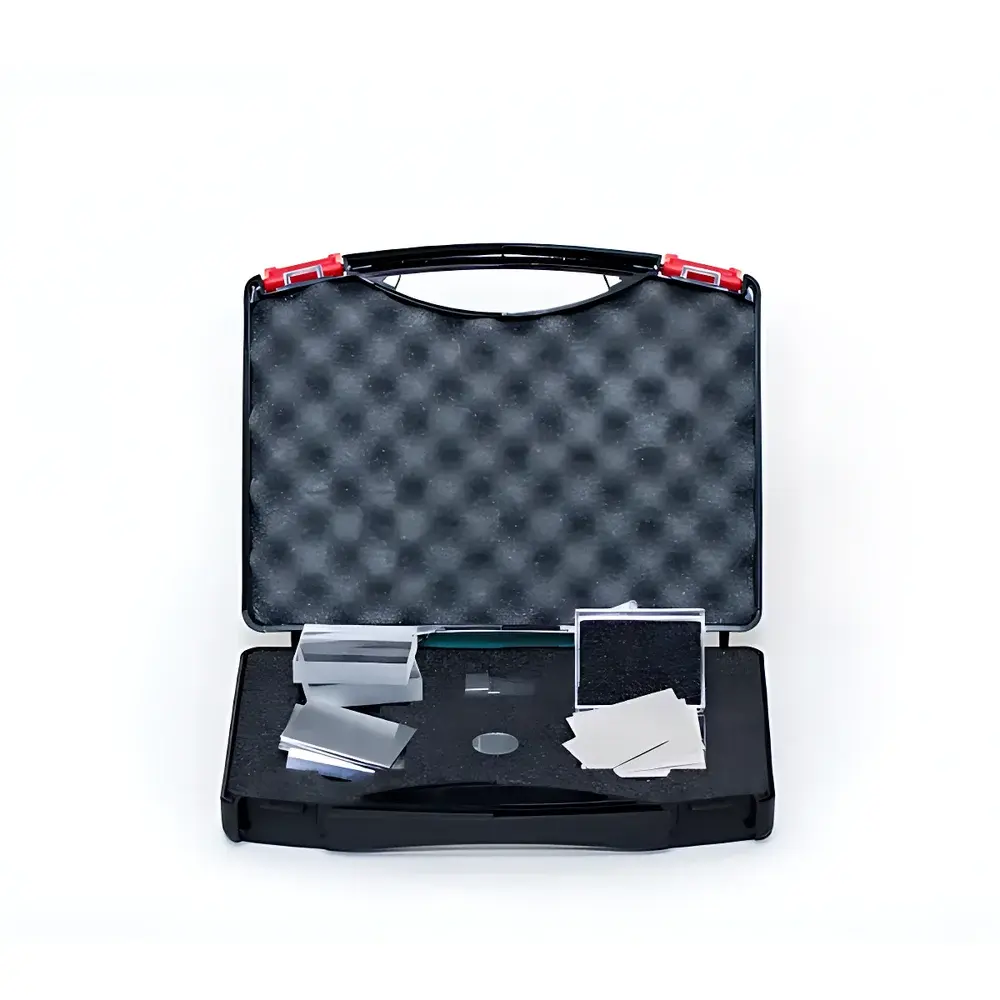
Artinis Intra Oral QC Dental CT Quality Assurance Kit
| Brand | Artinis |
|---|---|
| Origin | Netherlands |
| Manufacturer Type | Authorized Distributor |
| Origin Category | Imported |
| Model | Intra Oral QC |
| Price | USD 3,950 (excl. VAT & shipping) |
Overview
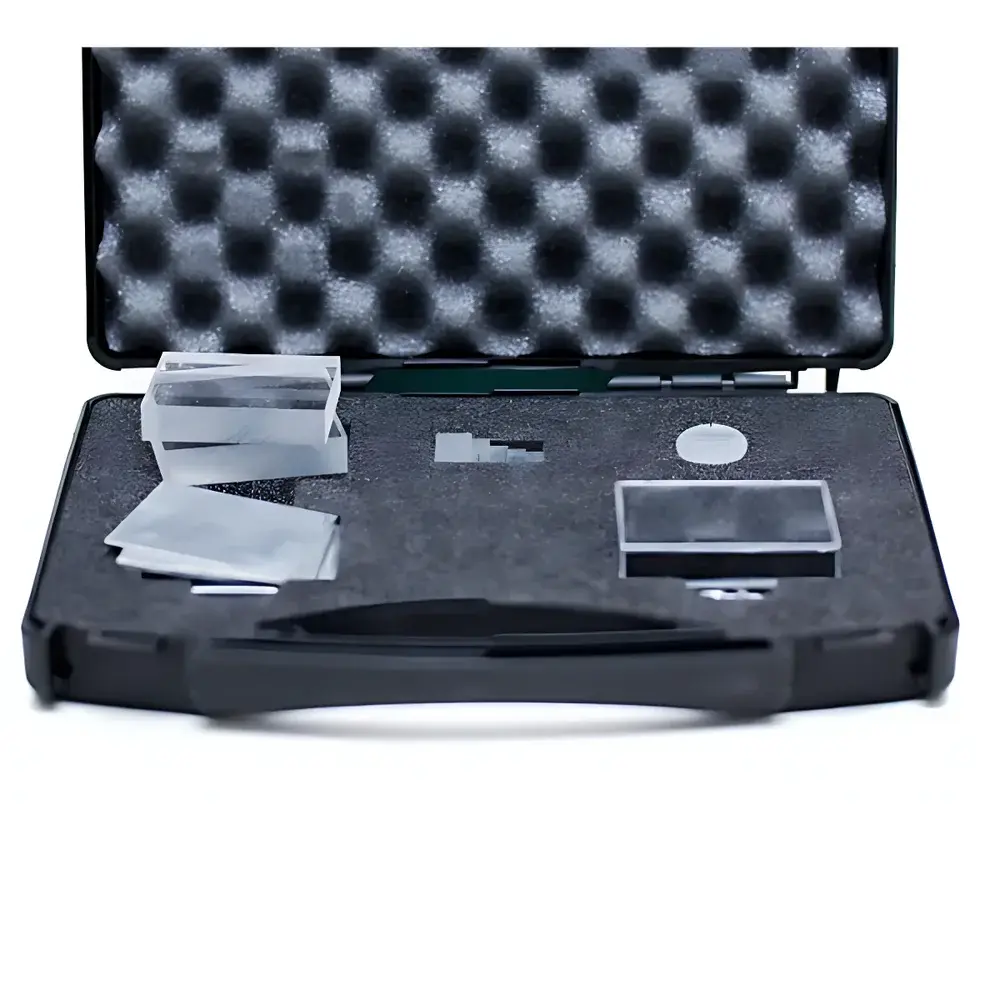
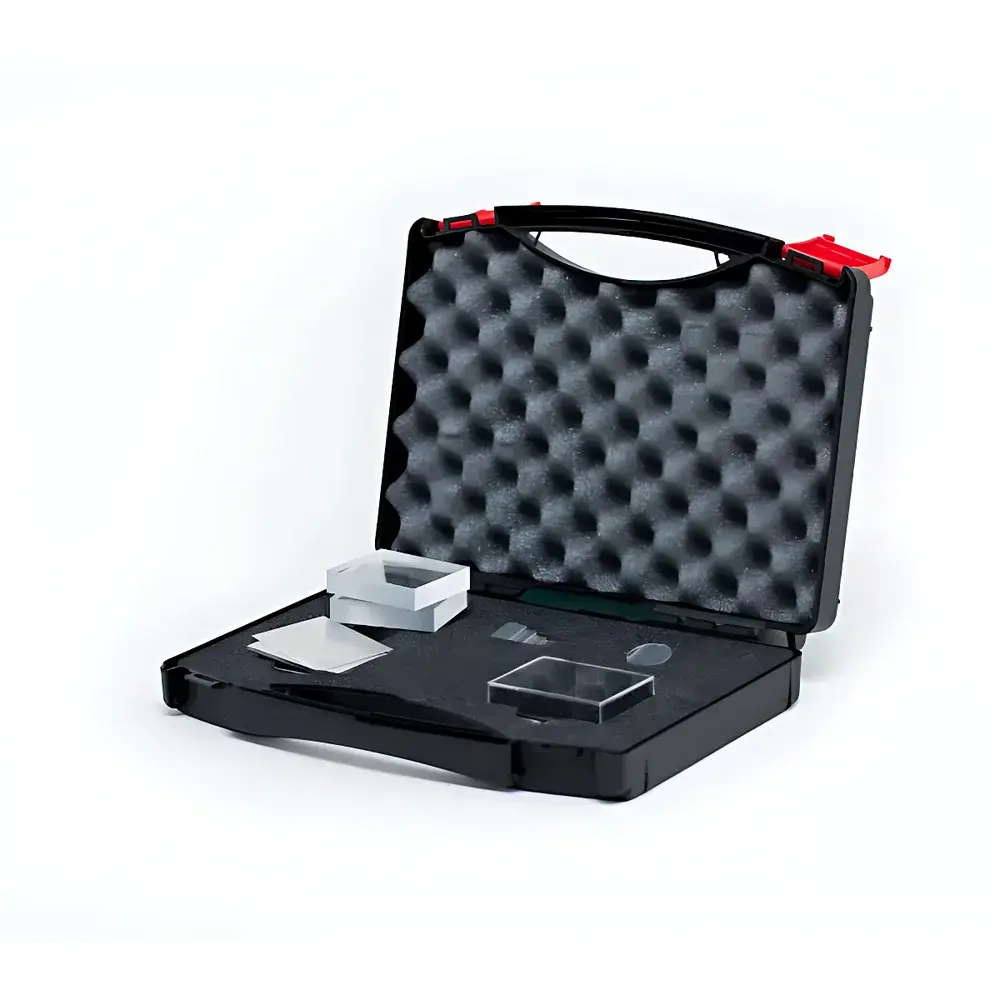
The Artinis Intra Oral QC Dental CT Quality Assurance Kit is a purpose-built, traceable physical phantom system engineered for routine performance verification and compliance testing of intraoral X-ray imaging systems—including digital radiography (DR), phosphor plate (CR), and cone-beam computed tomography (CBCT) units used in dental clinics and diagnostic centers. Designed in accordance with the Belgian Royal Decree of 20 May 2007 on the Acceptability of Dental X-ray Equipment (KB/AR 2007-05-20), this kit enables quantitative assessment of spatial resolution, contrast sensitivity, beam quality (HVL), and image uniformity—critical parameters required under national radiation protection frameworks and aligned with broader European directives (EUR 16262, IEC 61223-3-5). Unlike generic test tools, the Intra Oral QC kit integrates geometrically precise, clinically relevant phantoms that replicate anatomical positioning constraints and detector field-of-view limitations typical of intraoral sensors (e.g., 3×4 cm active area), ensuring measurement validity under real-world clinical acquisition conditions.
Key Features
- Compliant line-pair resolution test object with certified spatial frequencies: standard 5 lp/mm; optional selectable inserts at 5, 6, 7, 8, and 10 lp/mm—each manufactured to ISO 15708-2 tolerances for line width uniformity and edge acuity.
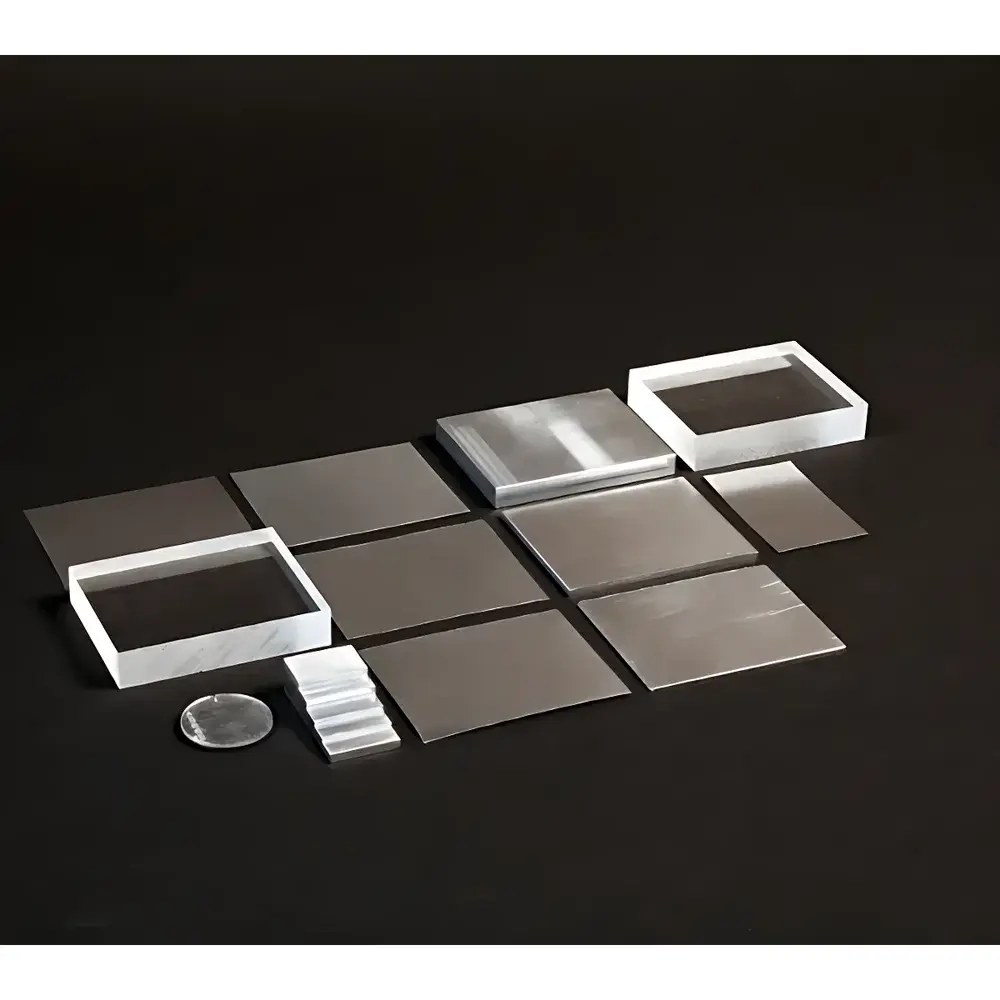
- Aluminum step wedge assembly comprising nine precisely machined plates (50 × 40 mm footprint): thicknesses include 0.1 mm, 0.2 mm (×2), 0.5 mm, 1.0 mm, 2.0 mm, 2.5 mm, 3.5 mm, 4.75 mm, 7.0 mm, and 9.0 mm—enabling accurate half-value layer (HVL) determination per IEC 61267 and DIN 6812.
- Two PMMA (polymethyl methacrylate) reference plates (50 × 40 × 10 mm) serving as tissue-equivalent scatter media and baseline uniformity references for signal-to-noise ratio (SNR) and contrast-to-noise ratio (CNR) evaluation.
- Modular aluminum base plates (50 × 40 mm) in 0.1 mm, 0.2 mm, 0.5 mm, 1.0 mm, and 2.0 mm thicknesses—optimized for evaluating low-contrast detectability and dynamic range linearity across varying kVp and mAs settings.
- Compact, stackable design with engraved identification markers and calibrated mounting notches—ensuring repeatable placement and minimizing operator-induced variability during daily QA protocols.
Sample Compatibility & Compliance
The Intra Oral QC kit is validated for use with all major intraoral X-ray systems operating in the 60–90 kVp range, including but not limited to devices from Dentsply Sirona, Carestream Dental, Planmeca, Vatech, and Gendex. Its physical dimensions (max. 50 × 40 mm footprint) are optimized for sensor-based detectors with active areas ≤ 40 × 30 mm, and its step-wedge geometry conforms to the collimation limits specified in EN 60601-2-63 for CBCT dental units. The kit supports compliance documentation required under national regulatory audits—including Belgian FANC/AFSCE inspections, Dutch ANVS assessments, and UK CQC reporting—and provides objective evidence for ISO 9001:2015 and ISO 13485:2016 quality management system requirements. All components are supplied with a manufacturer’s calibration certificate referencing NPL (UK) or PTB (Germany) traceable standards.
Software & Data Management
While the Intra Oral QC kit is a hardware-based QA solution requiring no proprietary software, it is fully compatible with widely adopted DICOM-compliant image analysis platforms—including ImageJ (with ROI and FFT plugins), OsiriX MD, and commercial QA software such as QATM (Gammex), RADIANCE (Radcal), and QATool (Dent-X). Users may digitize acquired phantom images using standard DICOM export workflows and apply region-of-interest (ROI) analysis to quantify modulation transfer function (MTF) via slanted-edge methods, contrast detail curves (CDC), and noise power spectrum (NPS) profiles. Audit trails generated during image acquisition and analysis can be archived in accordance with GLP/GMP principles and FDA 21 CFR Part 11 requirements when integrated into validated PACS or RIS environments.
Applications
- Daily and weekly constancy checks of spatial resolution and contrast sensitivity prior to patient examinations.
- Commissioning and periodic performance verification of new or refurbished intraoral X-ray units per IEC 62464-1.
- Supporting accreditation submissions to national bodies (e.g., Dutch RIVM, Belgian FANC) and international programs (Euratom BSS Directive 2013/59).
- Training and competency assessment for dental radiographers on objective image quality metrics beyond subjective visual grading.
- Root cause analysis during image quality incidents—e.g., unexplained loss of fine detail or inconsistent grayscale rendering across exposures.
FAQ
Is this kit suitable for panoramic or cephalometric X-ray systems?
No. The Intra Oral QC kit is specifically designed for intraoral sensor-based imaging systems only. Its dimensional constraints and phantom layout do not meet the field-of-view or geometric requirements of extraoral modalities.
Does the kit include a calibration certificate?
Yes. Each unit ships with a traceable calibration certificate issued by Artinis’ authorized metrology partner, indicating conformity to ISO/IEC 17025:2017-accredited measurement procedures.
Can the aluminum step wedge be used for HVL measurements on CBCT units?
Yes—provided the CBCT unit permits manual exposure control and collimation to a localized field. The wedge must be placed at the focal spot-to-detector distance specified in the unit’s service manual to avoid scatter-induced inaccuracies.
Are replacement components available separately?
Yes. Individual line-pair inserts, PMMA plates, and aluminum step wedges are available as spare parts with documented lot-specific certification.
What is the expected service life of the phantom components?
Under normal clinical handling and storage (away from direct UV light and >40% RH), the PMMA and aluminum components maintain dimensional stability and radiographic properties for ≥10 years. Annual visual inspection for surface scratches or warping is recommended.