
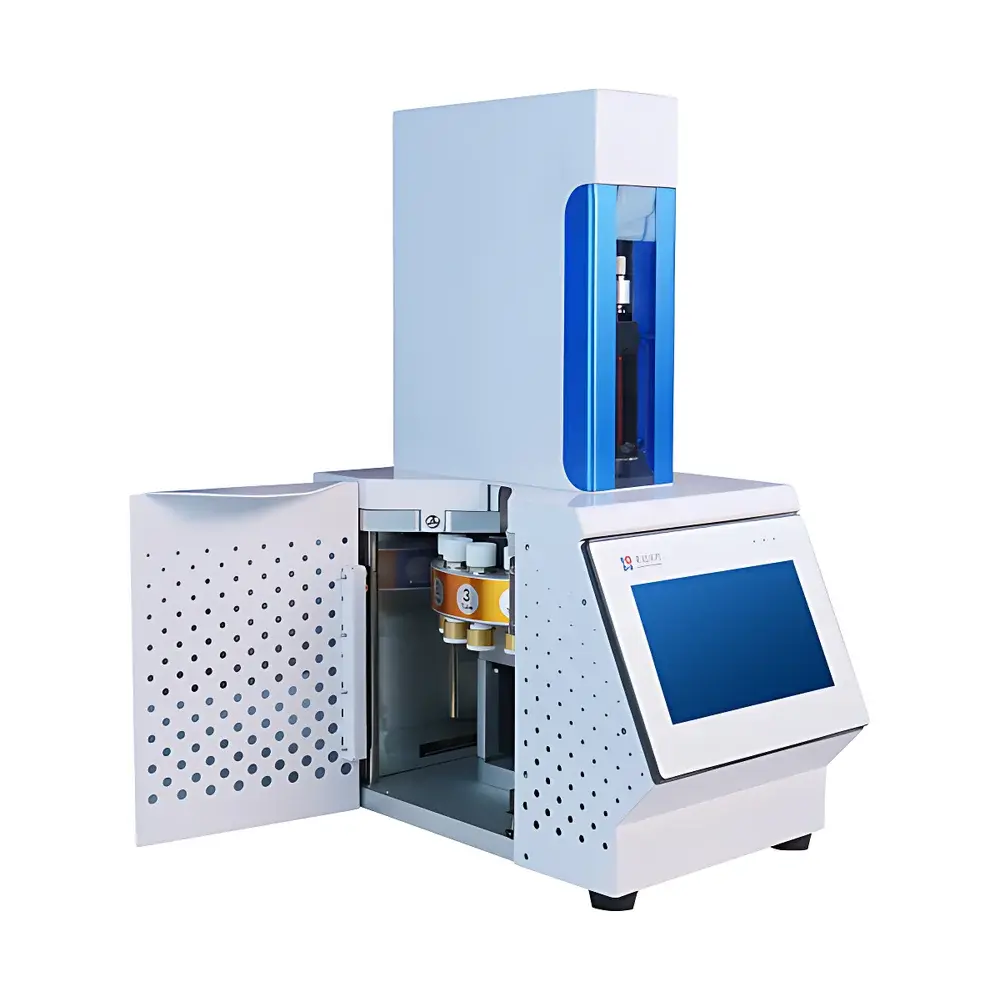
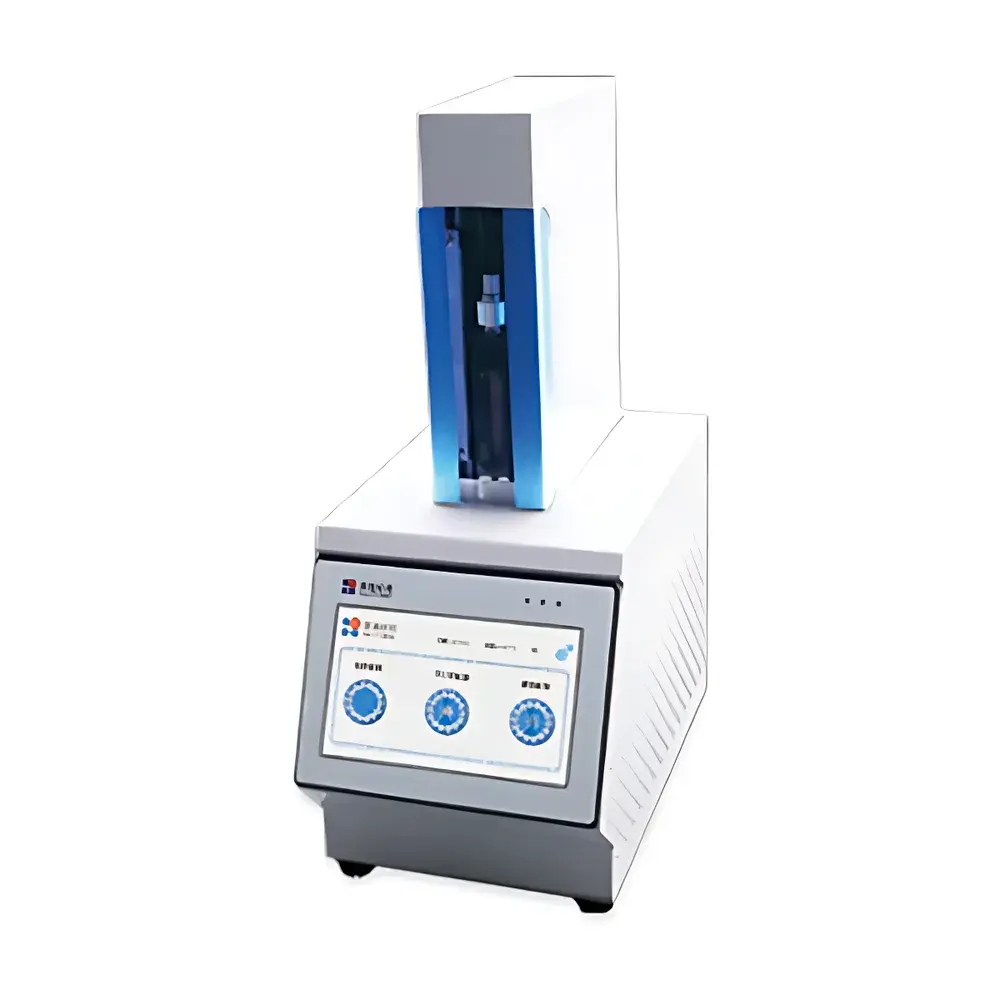
ASP-660 Automated Thermal Desorption Tube Standard Preparation System
| Brand | 4Labplus |
|---|---|
| Origin | Guangdong, China |
| Manufacturer Type | OEM Manufacturer |
| Product Category | Domestic |
| Model | ASP-660 |
| Instrument Type | Dual-Stage Thermal Desorber / Thermal Desorption Unit |
| Automation Level | Fully Automatic |
| Desorption Temperature Control Range | 0–45 °C |
| Valve Injection Temperature Control | Ambient |
| Transfer Line Temperature Control | Ambient |
| Cold Trap Temperature Control | 0 °C (Fixed) |
| Temperature Control Accuracy | ±1 °C at Ambient |
| Analyte Recovery Rate | ≥95% |
| Sample Position Capacity | 6 |
Overview
The ASP-660 Automated Thermal Desorption Tube Standard Preparation System is an engineered solution for trace-level volatile organic compound (VOC) and semi-volatile organic compound (SVOC) method development in regulated environmental, occupational health, and industrial hygiene laboratories. Designed around a dual-stage thermal desorption architecture, the system integrates precise liquid-phase standard deposition onto pre-conditioned sorbent tubes—enabling reproducible, matrix-free calibration standard generation without manual pipetting or gas-phase dilution. Unlike conventional static or dynamic spiking methods, the ASP-660 employs a closed-loop, inert-gas-purged liquid injection pathway with integrated cold trap stabilization (0 °C), ensuring minimal analyte loss during transfer and adsorption. Its operation supports both single-point and multi-concentration gradient preparation across six independent tube positions, directly feeding into downstream thermal desorption–gas chromatography (TD–GC) workflows compliant with EPA TO-17, ISO 16017-1, and ASTM D6196 methodologies.
Key Features
- Fully automated standard deposition workflow: eliminates manual handling, operator variability, and cross-contamination risk.
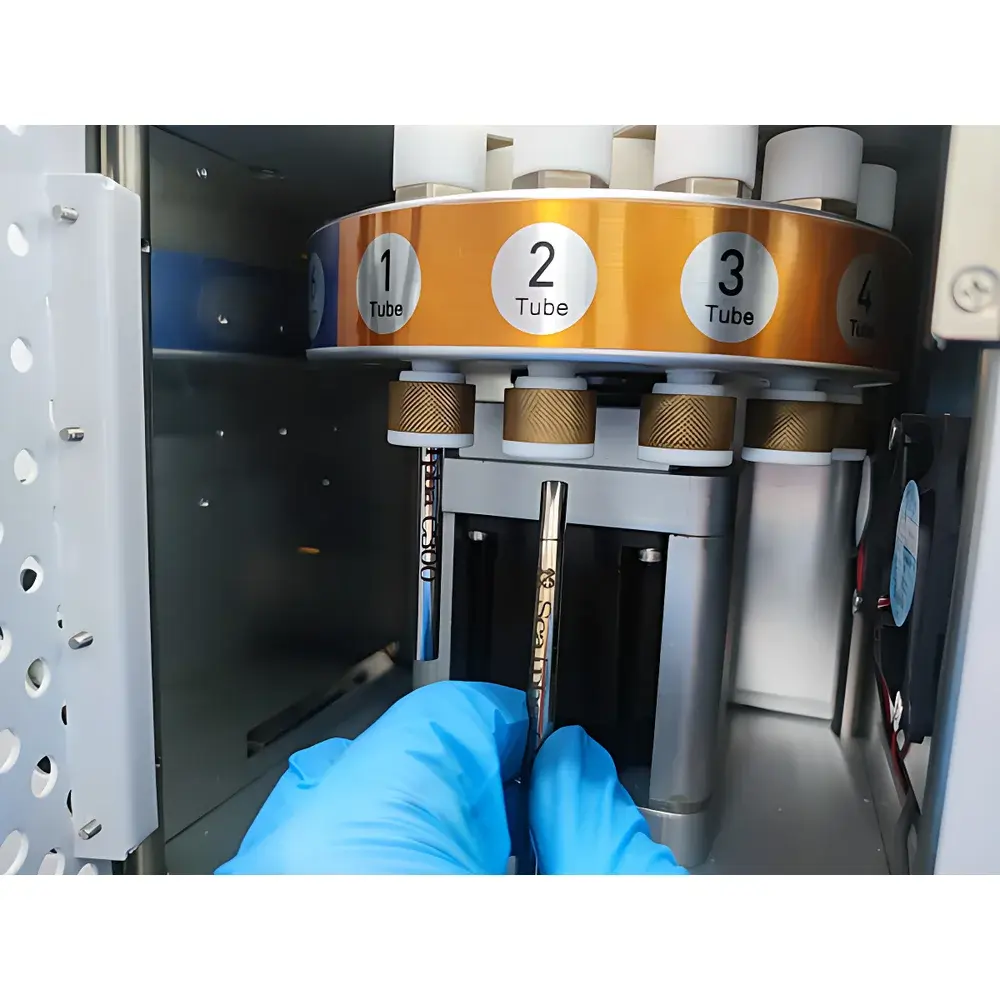
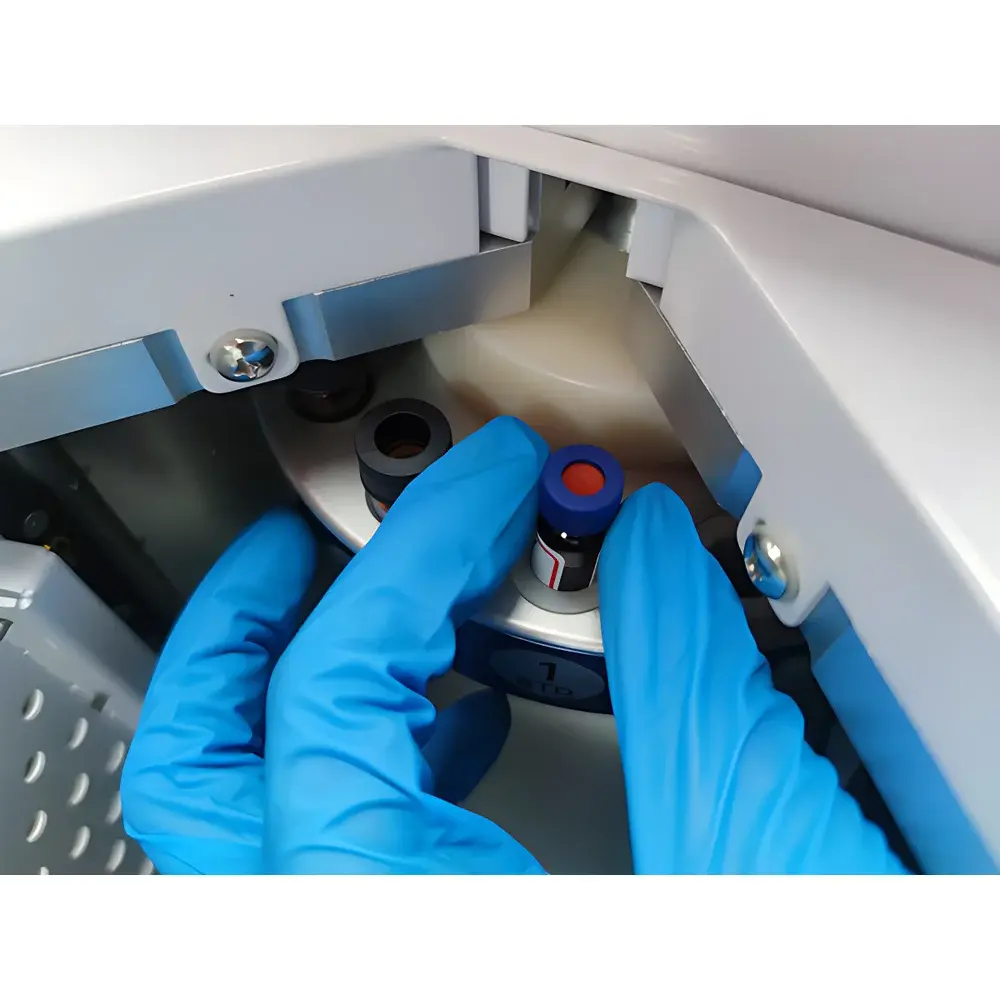
- Six-position sorbent tube carousel accommodates simultaneous preparation of up to six concentration levels for calibration curve generation.
- Programmable liquid standard delivery: supports volume-based (e.g., 0.5–5 μL) or concentration-gradient-based protocols via touchscreen HMI interface.
- Patented low-dead-volume injection module with integrated needle wash, rinse, and bubble purge cycles—minimizing carryover and residual adsorption.
- Onboard syringe calibration verification system ensures volumetric accuracy traceable to NIST-traceable reference standards.
- Independent temperature-controlled zones: desorption oven (0–45 °C), ambient valve manifold, and fixed-point cold trap (0 °C) maintain thermal integrity during analyte trapping.
- Compact benchtop footprint (W × D × H: 480 × 420 × 320 mm) enables integration into fume hoods or controlled laboratory environments.
Sample Compatibility & Compliance
The ASP-660 is validated for use with common packed-bed sorbent tubes including Tenax TA, Carbopack B/C, Carboxen 1000, and mixed-bed configurations (e.g., Tenax/Carbotrap). It supports standard 6 mm OD × 90 mm length stainless steel or glass tubes conforming to ASTM D6196 Annex A1 specifications. All fluidic pathways are constructed from electropolished stainless steel and PFA-lined components to prevent analyte adsorption or degradation. The system meets essential requirements for GLP-compliant calibration standard preparation: audit-trail-enabled parameter logging, user-access control tiers, and electronic record retention per FDA 21 CFR Part 11 when paired with compliant LIMS or CDS software. Routine performance verification includes recovery testing using certified VOC mixtures (e.g., EPA TO-17 target compounds), with documented ≥95% mean recovery across the 25–1000 ng/μL range.
Software & Data Management
Operation is managed through a dedicated 7-inch capacitive touchscreen interface running embedded Linux firmware. Method files store complete protocol definitions—including syringe volume, blow-down time (default 120 s), carrier gas flow rate (N₂ or He, 20–60 mL/min), and tube conditioning parameters. Each run generates a timestamped CSV log containing instrument status flags, actual delivered volumes (validated against onboard calibration), and thermal sensor readings. Exportable logs support post-acquisition traceability and QC review. Optional API integration enables bidirectional communication with Chromatography Data Systems (CDS) such as Thermo Chromeleon, Agilent OpenLab, or Waters Empower for synchronized method deployment and result correlation.
Applications
- Preparation of multi-level calibration standards for TD–GC–MS/FID analysis of air samples per EPA Methods TO-15, TO-17, and ISO 16017-1.
- Internal standard spiking on sorbent tubes prior to field sampling or lab-based quality control checks.
- Parallel sample preparation for method validation studies including precision (repeatability, intermediate precision), linearity (R² ≥ 0.999 demonstrated for C6–C16 aliphatics and aromatics), and limit of quantitation (LOQ) determination.
- Generation of certified reference material (CRM)-traceable standards for inter-laboratory comparison exercises and proficiency testing programs.
- Supporting regulatory submissions requiring documented standard preparation procedures under ISO/IEC 17025 or CAP accreditation frameworks.
FAQ
What sorbent tube formats are compatible with the ASP-660?
Standard 6 mm OD × 90 mm stainless steel or glass tubes packed with Tenax TA, Carbopack series, or custom mixed beds—conforming to ASTM D6196 dimensional and packing density specifications.
Does the system support internal standard addition?
Yes. Internal standards can be co-deposited with primary analytes in any ratio during the same injection cycle, enabling consistent relative response factor tracking.
How is volumetric accuracy verified?
An integrated syringe calibration routine uses gravimetric measurement of dispensed solvent mass, referenced to NIST-traceable weights, with results stored in the audit log.
Can the ASP-660 be integrated into a LIMS environment?
Via optional Ethernet or RS-232 interface, with configurable ASCII or JSON output formats supporting automated ingestion into LIMS or ELN platforms.
Is cold trap temperature actively controlled or fixed?
The cold trap operates at a fixed 0 °C setpoint using a thermoelectric cooler; no user-adjustable range is provided to ensure consistent condensation efficiency across all runs.



