
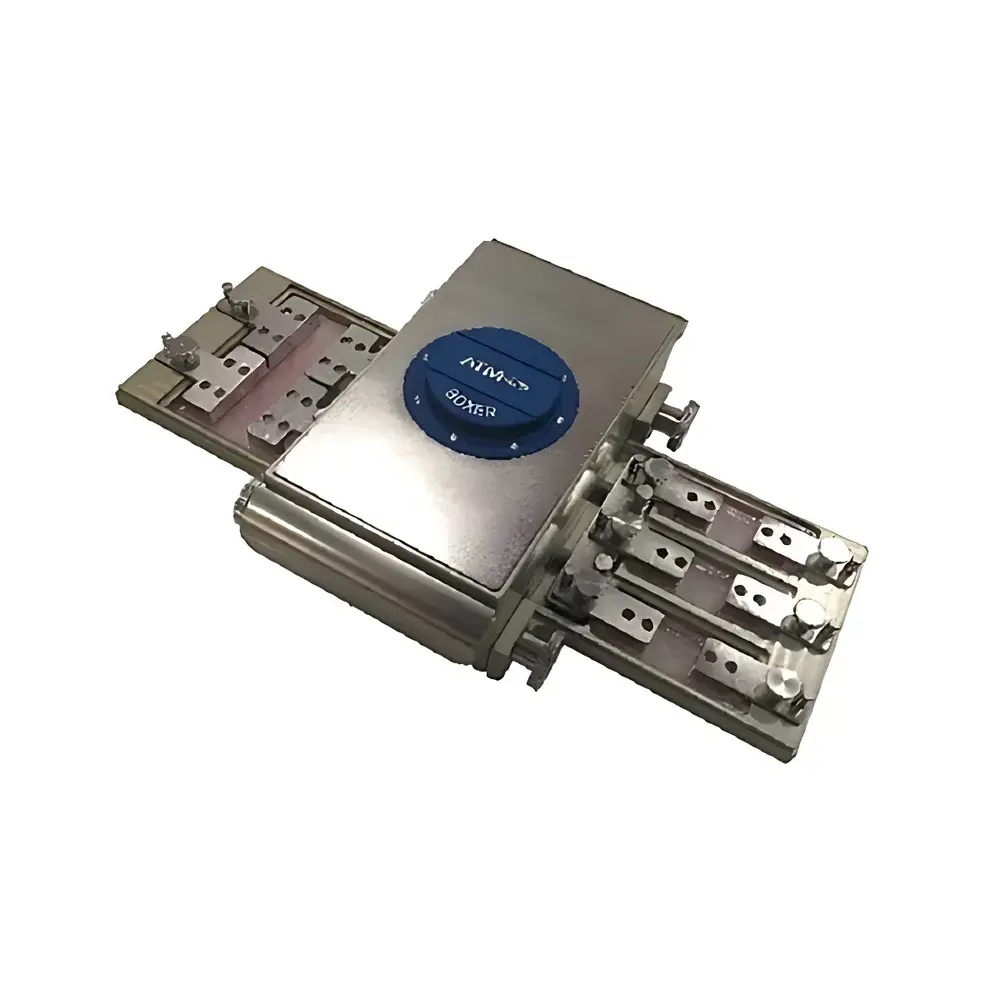
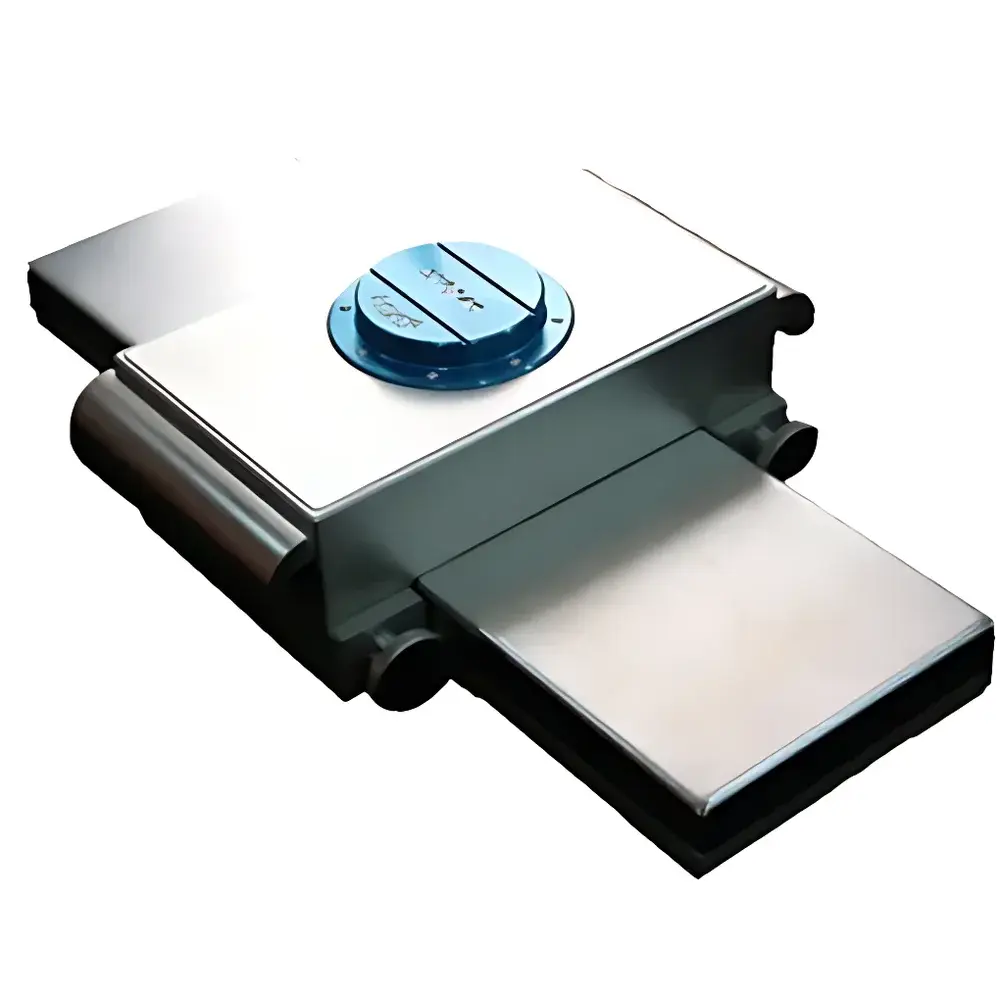
ATMS 1S / ATMS 1D Dynamic Cell Stretching System
| Brand | ATMS Dynamic Culture System |
|---|---|
| Origin | Taiwan |
| Model | ATMS 1S / ATMS 1D |
| Automation Level | Fully Automated |
| Detection Parameter | Cell Viability |
| Detection Channels | Multi-channel |
| Compliance | Designed for ISO 13485-aligned lab environments |
| Software Interface | Windows-based control and data acquisition platform |
| Mechanical Stimulation Modes | Cyclic uniaxial/biaxial stretch, static strain, programmable waveform profiles (sinusoidal, square, ramp) |
| Max. Strain Range | Up to 30% elongation (configurable) |
| Frequency Range | 0.01–5 Hz |
| Sample Format Compatibility | Standard 6-/12-/24-well silicone membranes, custom substrates |
| Environmental Control | Optional integrated CO₂/humidity/temperature chamber integration |
Overview
The ATMS 1S and ATMS 1D Dynamic Cell Stretching Systems are precision-engineered bioreactors designed to apply controlled, reproducible mechanical stimuli to adherent mammalian cells and engineered tissue constructs under physiologically relevant culture conditions. Unlike static monolayer cultures, these systems emulate key biomechanical cues present in native tissues—such as cyclic tensile strain in cardiac myocytes, shear-coupled stretch in vascular endothelium, or compressive preconditioning in chondrocyte-laden hydrogels—by leveraging programmable uniaxial or biaxial deformation of flexible, gas-permeable silicone substrates. The core principle is based on servo-controlled actuation of membrane-mounted culture wells, enabling quantifiable strain application with high temporal fidelity and spatial uniformity across multiple samples simultaneously. This approach bridges the gap between traditional 2D culture and in vivo mechanical microenvironments, supporting mechanobiology research grounded in established frameworks such as tensegrity theory and extracellular matrix (ECM)-mediated force transmission.
Key Features
- Fully automated operation with preloaded stimulation protocols—including sinusoidal, square-wave, and ramped strain profiles—ensuring experimental repeatability across independent runs.
- Multi-channel architecture supports parallel testing of up to 24 independent culture units (ATMS 1D) or 6 synchronized units (ATMS 1S), each with independent strain calibration and real-time monitoring capability.
- Modular design allows seamless integration with standard incubators or optional environmental enclosures that maintain 5% CO₂, 37°C temperature, and >95% humidity during long-term stimulation (up to 14 days).
- Strain calibration traceable to NIST-traceable displacement sensors; typical accuracy ±0.5% full-scale strain at 10% elongation.
- Biocompatible silicone membranes certified per USP Class VI and ISO 10993-5, supporting attachment and differentiation of primary cells, iPSC-derived lineages, and co-cultures.
- Low-profile footprint (ATMS 1S: 32 × 25 × 18 cm) optimized for benchtop use without compromising structural rigidity or vibration isolation.
Sample Compatibility & Compliance
The ATMS platforms accommodate a broad spectrum of mechanically responsive biological models: primary chondrocytes, tenocytes, cardiomyocytes, pulmonary epithelial cells, vascular smooth muscle cells, dermal fibroblasts, and 3D tissue-engineered constructs including decellularized scaffolds and hydrogel-embedded organoids. Each system operates within GLP-compliant workflows and supports audit-ready documentation when paired with validated software configurations. While not FDA-cleared as a medical device, the hardware and firmware architecture aligns with IEC 61010-1 safety standards for laboratory equipment and incorporates fail-safes including overstrain cutoff, thermal runaway protection, and emergency stop circuitry. Data integrity meets ALCOA+ principles when used with compliant LIMS or ELN integrations.
Software & Data Management
Control and analysis are managed via the ATMS Control Suite—a Windows-based application supporting protocol definition, real-time force/strain visualization, event-triggered imaging synchronization, and export of time-stamped CSV datasets. The software includes built-in compliance features: user role-based access control (RBAC), electronic signatures, and immutable audit trails compliant with 21 CFR Part 11 requirements when deployed in regulated environments. Raw displacement data can be post-processed using MATLAB or Python APIs provided in the SDK, enabling custom mechanotransduction modeling (e.g., YAP/TAZ nuclear translocation kinetics, FAK phosphorylation dynamics, or calcium transient mapping).
Applications
- Drug Development: Mechanistic assessment of cardio-toxicity, anti-fibrotic efficacy, or ECM-modulating therapeutics under load-bearing conditions mimicking disease states (e.g., hypertension-induced vascular remodeling or osteoarthritic joint loading).
- Tissue Engineering: Pre-conditioning of engineered ligaments, myocardial patches, or tracheal grafts prior to implantation to enhance matrix deposition and functional maturation.
- Basic Mechanobiology: Elucidating force-dependent signaling cascades—from integrin clustering and cytoskeletal reorganization to downstream transcriptional regulation of MMPs, collagen isoforms, or inflammatory mediators.
- Disease Modeling: Reproducing pathological strain patterns observed in Marfan syndrome (aortic dilation), COPD (alveolar stretching), or muscular dystrophy (sarcomere instability) to interrogate early biomarkers.
- Vaccine & Immunology Research: Investigating how substrate stiffness and dynamic strain modulate dendritic cell maturation or T-cell activation thresholds in co-culture systems.
FAQ
What types of cell culture plates or membranes are compatible with the ATMS systems?
Standard 6-, 12-, and 24-well silicone membranes (thickness: 0.3 mm, Young’s modulus: ~1 MPa) are supplied and validated. Custom membranes with tailored stiffness (0.1–10 MPa) or surface chemistries (e.g., collagen I, fibronectin, laminin coatings) can be ordered separately.
Can the system be used inside a standard CO₂ incubator?
Yes—the ATMS 1S is incubator-compatible without modification; the ATMS 1D requires optional environmental enclosure integration for internal CO₂/humidity control.
Is real-time imaging possible during mechanical stimulation?
Absolutely. The open-top well design and low-vibration actuation enable compatibility with inverted microscopes, live-cell confocal systems, and phase-contrast time-lapse setups.
How is strain uniformity verified across the membrane surface?
Each batch undergoes optical strain mapping using digital image correlation (DIC); certified uniformity exceeds 95% across central 80% of the well area at 20% elongation.
Does the system support third-party sensor integration (e.g., TEER, pH, O₂)?
Yes—via analog/digital I/O ports and TTL triggers, allowing synchronized acquisition from commercial biosensors or custom-built transducers.



