
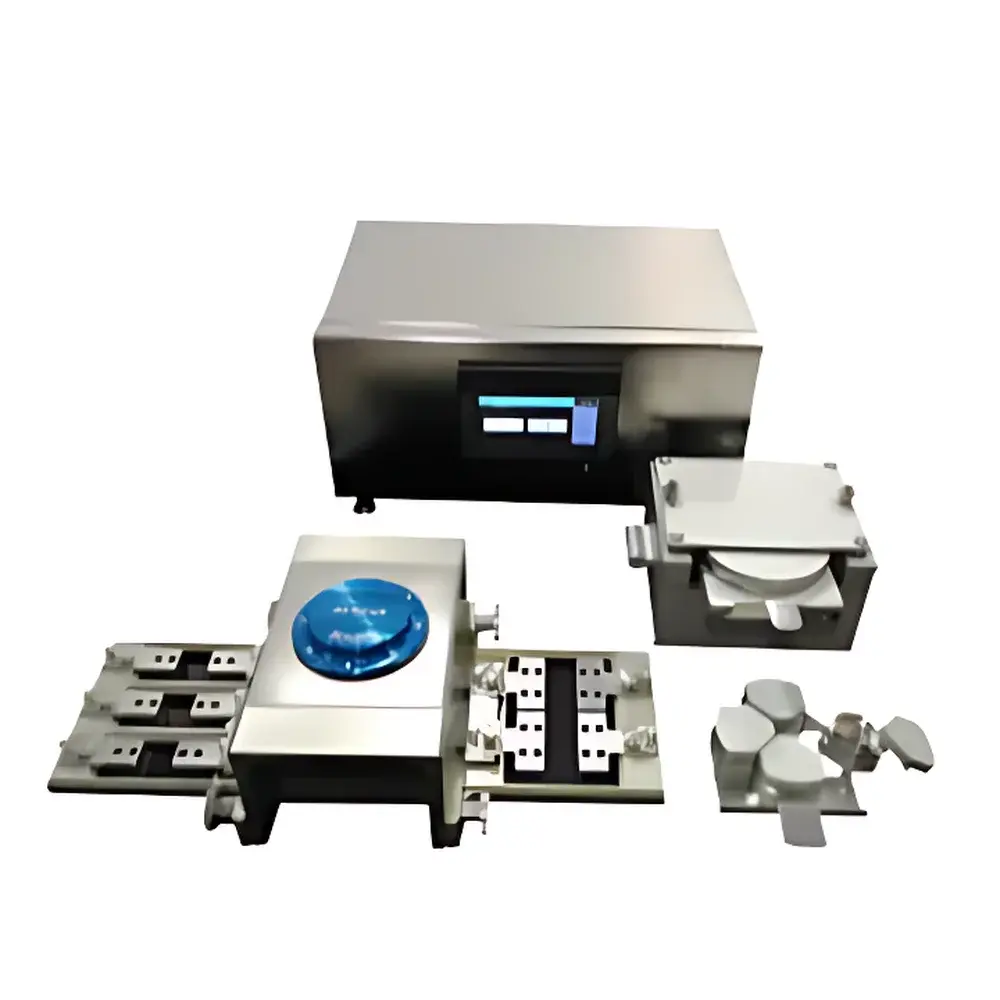
ATMS 3 Automated Dynamic Cell Culture System
| Brand | ATMS Dynamic Culture System |
|---|---|
| Origin | Taiwan |
| Manufacturer Type | Authorized Distributor |
| Country of Origin | China (Taiwan Region) |
| Model | ATMS 3 |
| Detection Parameter | Cell Viability |
| Instrument Type | Fully Automated |
| Detection Channels | Multi-channel |
| Regional Office | Shanghai |
Overview
The ATMS 3 Automated Dynamic Cell Culture System is an engineered platform for physiologically relevant in vitro cell culture under controlled mechanical stimulation. Unlike conventional static incubation systems, the ATMS 3 applies programmable, biologically representative mechanical cues—including uniaxial cyclic stretch, static strain, and variable frequency/strain amplitude profiles—to cultured cells and 3D tissue constructs. Its operation is grounded in mechanobiology principles, enabling precise replication of native microenvironmental forces such as those experienced by vascular smooth muscle cells under pulsatile flow, chondrocytes within articular cartilage under compressive loading, or alveolar epithelial cells during respiratory tidal motion. The system integrates real-time environmental control (temperature, CO2, humidity) with synchronized mechanical actuation, supporting longitudinal studies of mechanosensing, mechanotransduction, and downstream transcriptional and translational responses—critical for bridging the gap between traditional 2D culture and in vivo physiology.
Key Features
- Fully automated operation with pre-programmable stretch protocols (frequency: 0.01–5 Hz; strain range: 0–20%; duty cycle adjustable)
- Multi-channel independent stimulation capability—up to 8 parallel culture wells with individual parameter control
- Integrated real-time cell viability monitoring via on-board fluorescence or impedance-based readout (compatible with Calcein-AM/PI, CCK-8, or label-free assays)
- Modular chamber design accommodating standard culture plates (6-/12-/24-well), flexible silicone membranes, hydrogel-embedded constructs, and decellularized scaffolds
- Temperature-controlled enclosure (37 °C ± 0.3 °C) with humidified 5% CO2 atmosphere and HEPA-filtered air circulation
- Compliance with ISO 13485–aligned manufacturing standards; CE-marked for laboratory use in EU member states
Sample Compatibility & Compliance
The ATMS 3 supports a broad spectrum of adherent and semi-adherent biological specimens: primary human chondrocytes, mesenchymal stem cells (MSCs), endothelial cells, cardiomyocytes, pulmonary epithelial cells, tenocytes, ligament fibroblasts, and explanted tissue sections (e.g., intervertebral disc, tendon, arterial ring). It accommodates both monolayer cultures and 3D matrices including collagen I, fibrin, Matrigel™, and synthetic PEG-based hydrogels. All hardware components contacting samples are fabricated from USP Class VI-certified medical-grade silicone and autoclavable stainless steel. The system conforms to ISO 56002 (Innovation Management), ISO 14155 (Clinical Investigation of Medical Devices), and supports GLP-compliant documentation workflows. Data integrity meets ALCOA+ criteria (Attributable, Legible, Contemporaneous, Original, Accurate, Complete, Consistent, Enduring, Available) per FDA 21 CFR Part 11 when used with validated software configurations.
Software & Data Management
The ATMS Control Suite v4.2 provides intuitive protocol authoring, real-time force calibration visualization, and synchronized acquisition of viability metrics across all channels. Export formats include CSV, HDF5, and .tdms for interoperability with MATLAB®, Python (NumPy/Pandas), and commercial analysis platforms (e.g., GraphPad Prism, Imaris). Audit trails record user actions, parameter changes, and system events with time-stamped digital signatures. Raw sensor data (load cell output, displacement encoder feedback, environmental logs) are stored locally with optional encrypted cloud backup. Software validation packages—including IQ/OQ documentation and risk assessment reports—are available upon request for regulated environments.
Applications
- Drug Development: Mechanistic evaluation of cardio-toxicity, fibrotic response modulation, and anti-angiogenic efficacy under dynamic shear or stretch conditions
- Tissue Engineering: Optimization of scaffold stiffness, seeding density, and bioreactor conditioning regimens for osteochondral grafts and vascularized constructs
- Disease Modeling: Recapitulation of pathological mechanostimuli in models of osteoarthritis (cyclic compression), hypertension (pulsatile stretch), pulmonary fibrosis (cyclic strain), and tendinopathy (overload protocols)
- Basic Mechanobiology: Quantification of YAP/TAZ nuclear translocation kinetics, integrin clustering dynamics, cytoskeletal remodeling rates, and RNA-seq correlation with strain history
- Vaccine & Immunology Research: Assessment of dendritic cell maturation and T-cell activation efficiency in mechanically conditioned lymphoid organoids
FAQ
What types of mechanical stimuli does the ATMS 3 generate?
It delivers uniaxial cyclic tensile strain, static strain, and ramped strain profiles—with independently configurable frequency, amplitude, duration, and rest intervals per channel.
Is the system compatible with live-cell imaging?
Yes—optical access is provided via transparent silicone membranes and top-mounted ports; compatible with inverted microscopes equipped with environmental chambers.
Can the ATMS 3 be integrated into existing LIMS or ELN platforms?
Yes—through RESTful API endpoints and standardized metadata schemas (ISA-Tab compliant); integration support available for LabVantage, Benchling, and Veeva Vault.
Does the system meet regulatory requirements for preclinical study data submission?
When deployed with validated software and documented SOPs, it satisfies technical requirements for OECD TG 492, ASTM F2963 (Tissue Engineered Medical Products), and EMA CHMP reflection papers on non-clinical safety testing.
What maintenance is required for long-term operational stability?
Quarterly calibration verification using NIST-traceable load cells and displacement sensors; annual preventive maintenance includes belt tension adjustment, firmware update, and environmental sensor recalibration.




