
ATSFAAR 10036000 42-Position Environmental Stress Cracking Tester
| Brand | ATSFAAR |
|---|---|
| Origin | Italy |
| Manufacturer Type | Authorized Distributor |
| Origin Category | Imported |
| Model | 10036000 |
| Quotation | Upon Request |
| Standard Compliance | ASTM D1693 |
| Fixture Capacity | 10 specimens per test cycle |
| Total Sample Stations | 42 × 10-head sample holders |
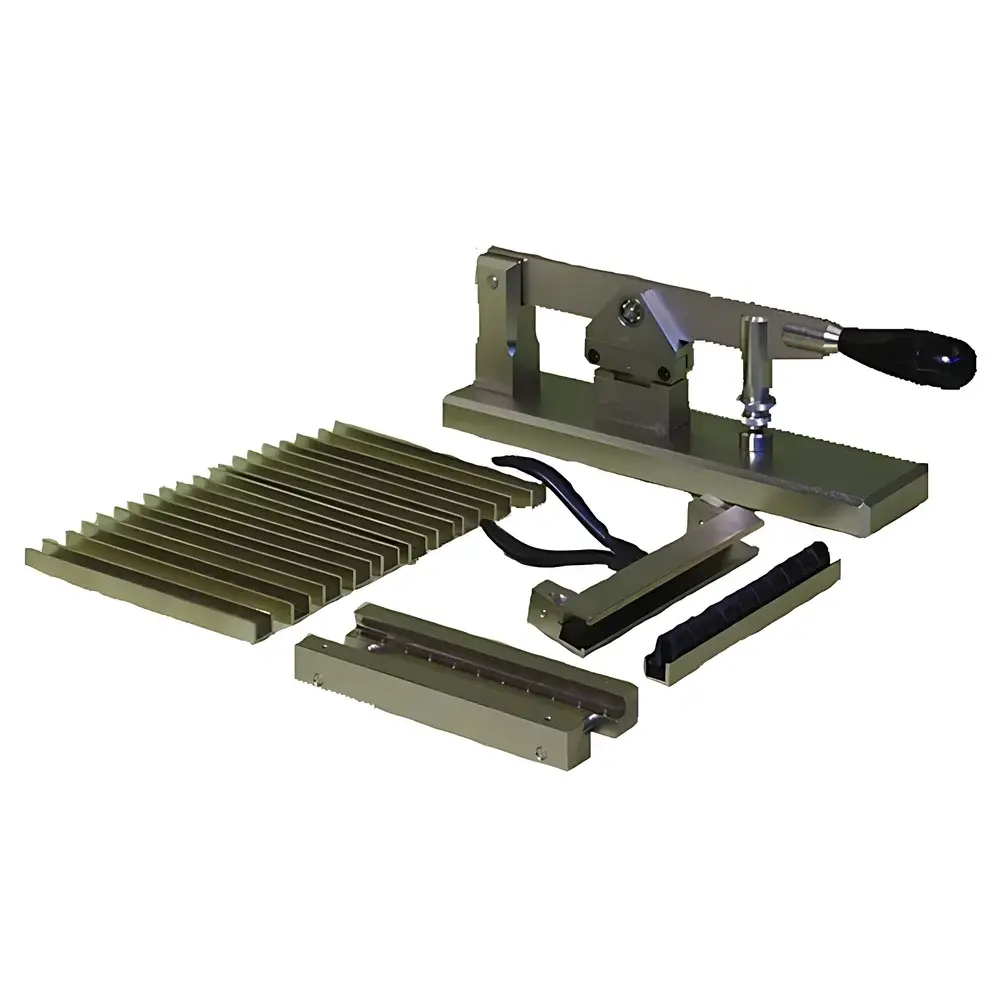
| Cutting Tool Set | 5-blade fixture kit |
| Sample Transfer Tool | Dedicated 10-specimen handling tool |
| Test Tubes | 50 pcs borosilicate glass tubes (heat-resistant, Ø33 mm) |
| Notch Depth Gauge | Model 10036005 |
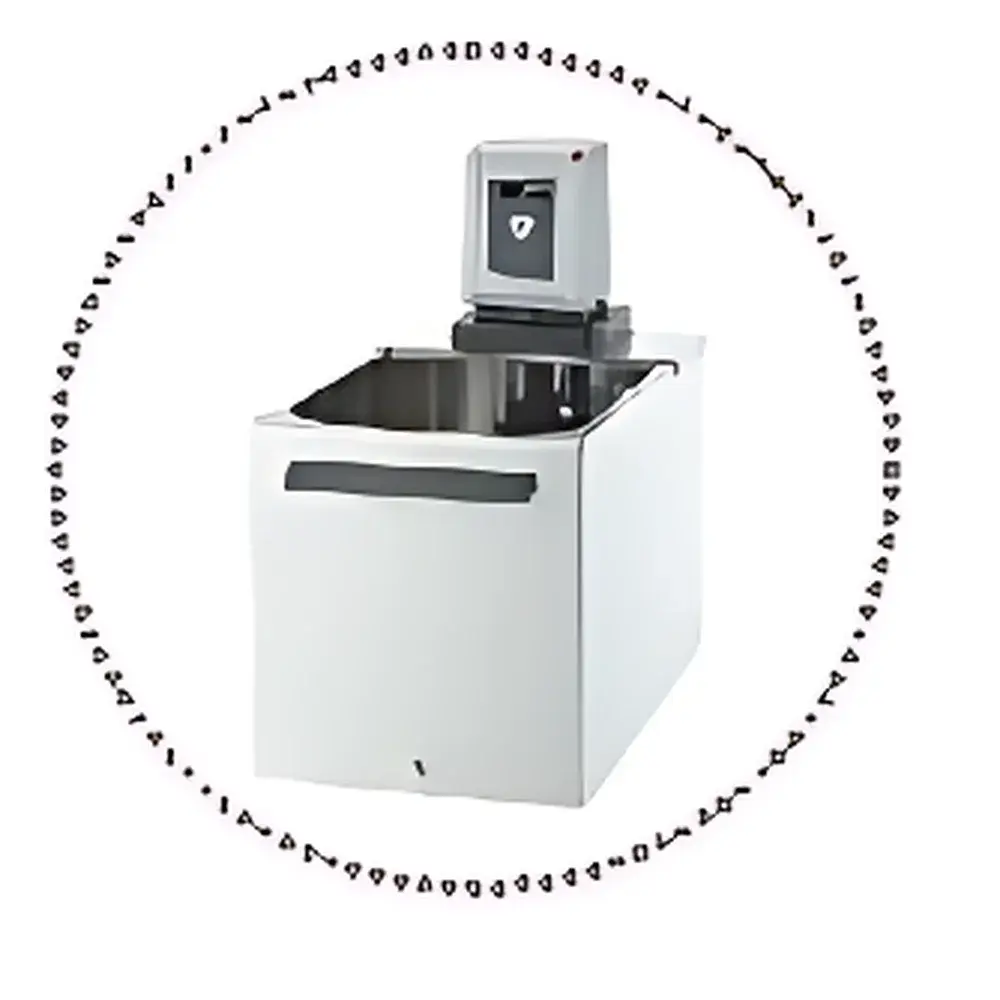
| Temperature Control System | Imported precision water bath |
| Temp. Stability | ±0.05 °C |
| Operating Range | +5 °C to +150 °C |
| Display Resolution | 0.1 °C |
| Bath Volume | 35–41 L |
| Dry-run Protection | Dual-mode (audible/visual alarm + auto power cutoff) |
| Power Switch | Patented recessed, IP65-rated keyboard-integrated switch |
| Drain Valve | Bottom-mounted stainless steel valve |
| Tube Rack | Stainless steel, 42-position, rated to 150 °C |
| Applications | Polymer ESC testing, pharmaceutical stability studies, food packaging integrity assessment, corrosion resistance evaluation, biomaterial compatibility screening |
Overview
The ATSFAAR 10036000 42-Position Environmental Stress Cracking (ESC) Tester is a purpose-engineered system for evaluating the resistance of thermoplastic polymers—particularly polyethylene (PE), polypropylene (PP), and ethylene copolymers—to environmentally induced brittle failure under sustained tensile stress in aggressive chemical environments. Designed and manufactured in Italy, this instrument implements the standardized methodology defined in ASTM D1693, enabling reproducible assessment of crack initiation and propagation kinetics in polymer specimens exposed to surfactant-containing reagents (e.g., Igepal CA-630, ethanol, or detergent solutions) at controlled thermal conditions. The core principle relies on applying constant tensile strain via precision-machined fixtures while maintaining rigorous thermal uniformity across all 42 independent test stations—each accommodating ten identically stressed specimens. This architecture ensures high-throughput statistical validity without cross-station thermal drift or mechanical coupling.
Key Features
- 42 independent, thermally isolated test positions—each supporting a 10-specimen holder for parallel ESC evaluation under identical environmental conditions
- Integrated 5-blade precision cutting fixture (supplied as standard) for consistent notch depth control per ASTM D1693 Annex A1; compatible with optional notch depth verification gauge (Model 10036005)
- Imported high-stability water bath with ±0.05 °C temperature uniformity across full operating range (+5 °C to +150 °C), verified per ISO/IEC 17025 calibration traceability protocols
- IP65-rated recessed power switch embedded within the control panel—eliminating ingress risk from condensate or cleaning agents in humid laboratory environments
- Dual-safety dry-run protection: real-time liquid level monitoring triggers both audible/visual alert and automatic heater deactivation to prevent thermal damage to heating elements
- Stainless steel 42-position tube rack (Ø33 mm capacity), fully autoclavable and validated for continuous operation up to 150 °C without deformation or oxidation
- Borosilicate glass test tubes (50 pcs supplied) conforming to DIN ISO 8513, with certified thermal shock resistance and chemical inertness toward common ESC reagents
Sample Compatibility & Compliance
The ATSFAAR 10036000 accommodates standard ASTM D1693 Type A and Type B specimen geometries (typically 127 mm × 12.7 mm × 3.2 mm), including machined, injection-molded, or extruded polymer plaques. It supports both single-point and multi-concentration reagent exposure studies—enabling comparative ESC ranking across resin grades, additive formulations, or processing histories. All structural components—including bath vessel, rack, and fixtures—are constructed from electropolished 316 stainless steel or chemically resistant PTFE-coated alloys to withstand prolonged exposure to alcohols, surfactants, and organic solvents. The system meets essential requirements for GLP-compliant laboratories: full audit trail capability (when paired with optional data logging software), temperature validation documentation, and mechanical fixture calibration certificates available upon request. While not intrinsically 21 CFR Part 11 compliant, its hardware architecture supports integration with validated LIMS or ELN platforms meeting FDA regulatory expectations.
Software & Data Management
The instrument operates via an embedded microcontroller with dual-display LED interface—simultaneously showing setpoint and real-time bath temperature with 0.1 °C resolution. Though standalone operation requires no PC connection, optional RS-485/USB interface enables time-synchronized temperature logging at user-defined intervals (1 s to 60 min). Exported CSV files include timestamp, setpoint, measured temperature, and alarm event flags—structured for direct import into statistical analysis tools (e.g., JMP, Minitab) or QC dashboards. Firmware supports configurable hold-time timers per test cycle, facilitating unattended overnight ESC trials with automatic shutdown sequencing. Calibration parameters are stored in non-volatile memory and retain integrity during power loss.
Applications
- Quality control of HDPE/LLDPE pipe resins per ASTM D1693 and ISO 4433-2
- Accelerated aging studies of medical device packaging films under simulated sterilization conditions
- Formulation screening of polymer blends for automotive fuel system components
- Evaluation of recyclate contamination effects on ESC resistance in circular economy workflows
- Corrosion inhibitor efficacy testing in industrial coolant systems using polymer-lined vessels
- Regulatory submission support for FDA 510(k) or CE-marking dossiers requiring polymer degradation data
FAQ
Does the system include validation documentation for IQ/OQ protocols?
Yes—factory-issued Installation Qualification (IQ) templates and Operational Qualification (OQ) test scripts are provided with each unit, aligned with ISO/IEC 17025 and ASTM E2500 guidance.
Can the bath accommodate alternative test fluids beyond aqueous surfactants?
The system is validated for use with water, ethanol/water mixtures, and commercial nonionic surfactant solutions; compatibility with halogenated solvents requires prior consultation due to material compatibility constraints.
Is remote monitoring supported?
Remote status viewing (temperature, alarm state, elapsed time) is enabled via optional Ethernet module; full control and parameter adjustment require local HMI interaction per safety design principles.
What maintenance intervals are recommended?
Bath fluid replacement every 6 months under continuous operation; annual verification of temperature sensor accuracy and fixture torque calibration using supplied reference standards.





