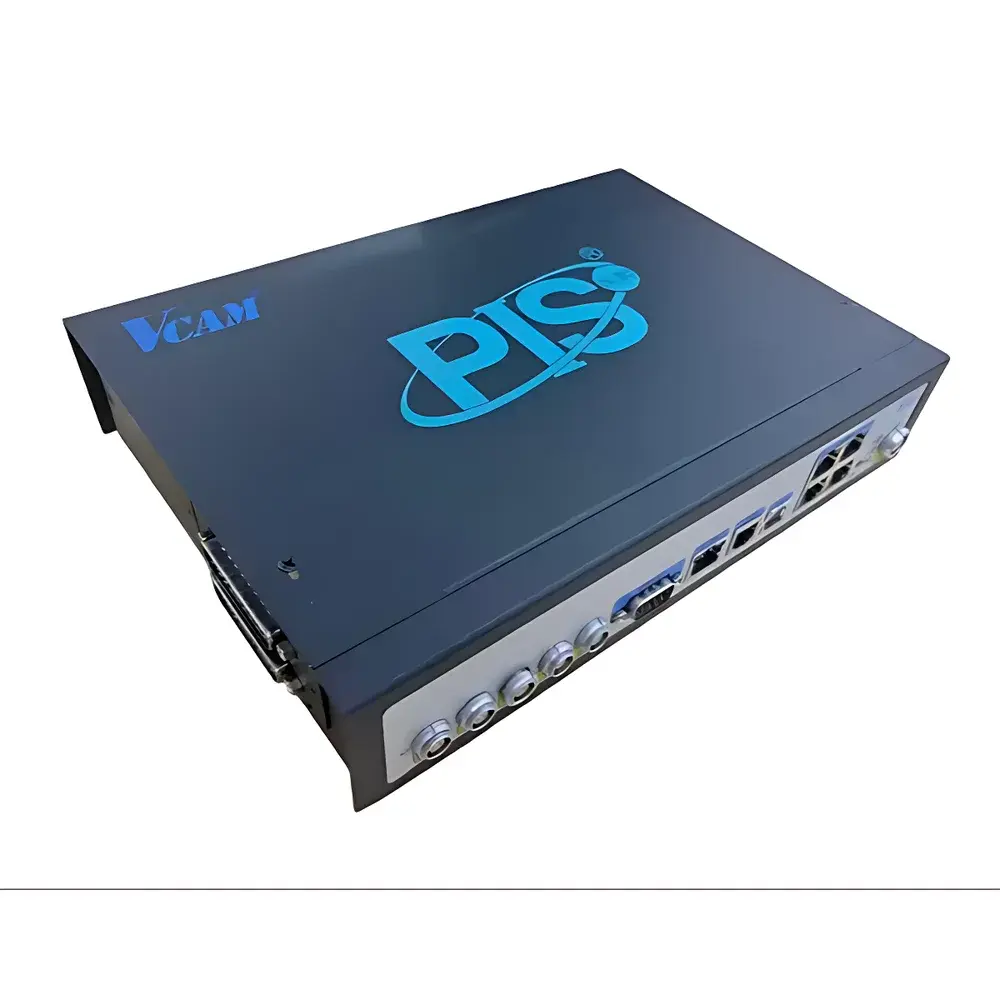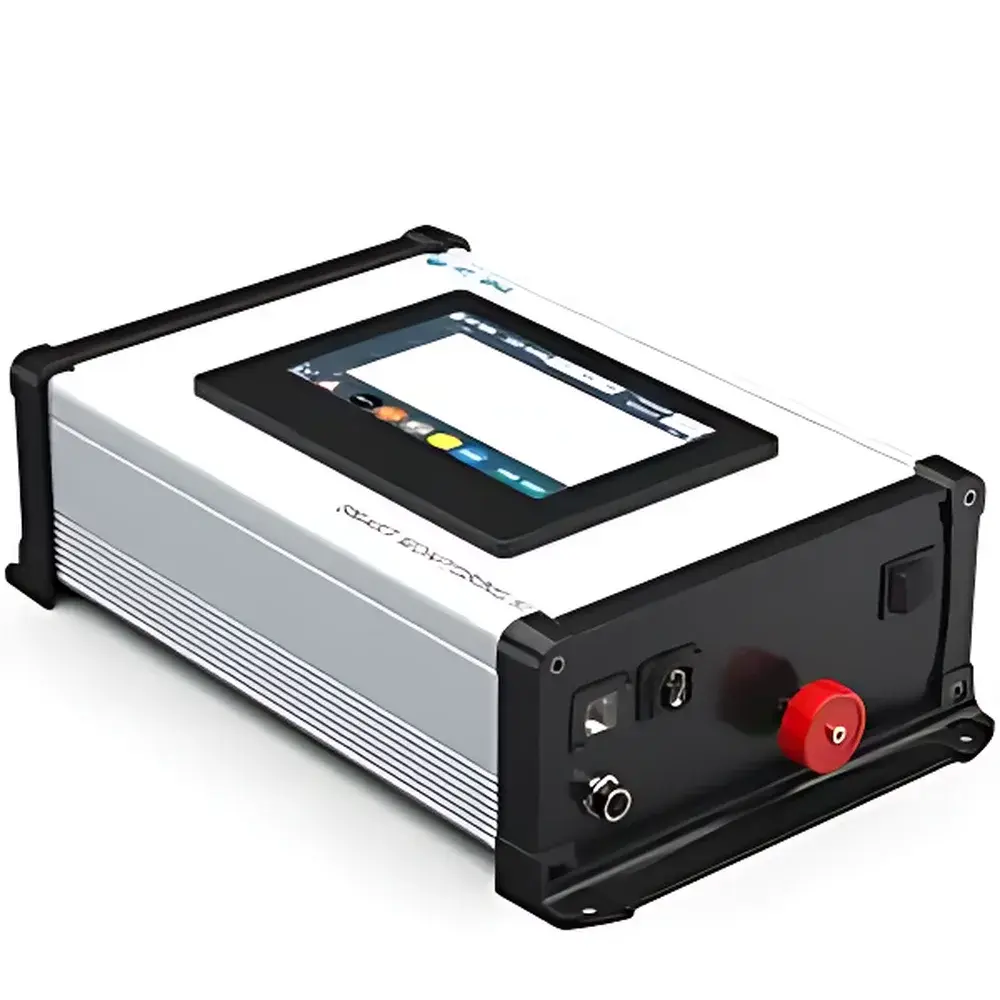
Atten2 SMK Smart Oil Filtration Monitoring Kit
| Brand | Atten2 |
|---|---|
| Origin | Spain |
| Manufacturer Type | Authorized Distributor |
| Origin Category | Imported |
| Model | Atten2 SMK Smart Oil Filtration Kit |
| Product Type | Online Monitoring Instrument |
| Measured Parameters | Particle Contamination, Air Bubble Content, Foam Inhibitor Condition, Optional Water Content |
| Compliance Standards | ISO 4406:2017, SAE AS4059F, NAS 1638 Class |
| Power Supply | 24 V DC, <250 mA |
| Particle & Bubble Count Output | ISO Code, p/mL, b/mL |
| Volumetric Flow Visualization | L/min |
| Optional Humidity Sensor (Water-in-Oil) | ppm |
| Digital Interface | Local Display + Ethernet RJ45 (IP, FTP, Telnet) |
| Max Operating Pressure | 20 bar |
| Operating Temperature Range | 0–80 °C |
| Kinematic Viscosity Range | 0–540 cSt |
| Counting Accuracy | ±1 ISO Code |
| Enclosure Rating | IP65 |
Overview
The Atten2 SMK Smart Oil Filtration Monitoring Kit is an industrial-grade, real-time online condition monitoring system engineered for continuous assessment of lubricant integrity in critical hydraulic, turbine, and gear oil circuits. Built upon Atten2’s proprietary Oilwear® optical particle detection platform, the SMK employs dual-wavelength laser scattering combined with advanced fluid dynamics modeling to quantify solid particulate contamination (per ISO 4406:2017), suspended air bubble concentration (b/mL), and foam inhibitor depletion state—enabling predictive maintenance decisions grounded in ASTM D6786 and ISO 11500 principles. Unlike offline lab-based analysis, the SMK operates inline without flow interruption, delivering statistically representative data at process-relevant sampling frequencies (up to 1 Hz). Its modular architecture allows seamless integration into third-party filtration skids, OEM hydraulic power units, or centralized lubrication management systems—eliminating the need for retrofitting or bypass loops.
Key Features
- Multi-parameter inline sensing: Simultaneous measurement of particle count (ISO 4406 code), air bubble density (b/mL), volumetric flow rate (L/min), and optional water-in-oil content (ppm) via capacitive humidity sensor.
- Robust industrial interface: Integrated 24 V DC power supply (<250 mA), IP65-rated enclosure, and 20 bar maximum pressure rating ensure compatibility with high-pressure hydraulic systems and harsh plant-floor environments.
- Dual-output digital communication: Local LCD display with configurable alarm thresholds + full Ethernet connectivity (RJ45) supporting TCP/IP, FTP file transfer, and Telnet remote access for integration into SCADA, CMMS, or cloud-based IIoT platforms.
- Viscosity-tolerant optical design: Validated performance across 0–540 cSt kinematic viscosity range—covering mineral oils, synthetics (PAO, PAG), and fire-resistant fluids (HFD-U, HFC).
- Traceable calibration and metrological compliance: Factory-calibrated against NIST-traceable reference standards; output accuracy certified to ±1 ISO code per ISO 4406:2017 Annex B and validated per SAE AS4059F Level 10 repeatability requirements.
Sample Compatibility & Compliance
The SMK is designed for direct installation in pressurized oil circulation lines carrying industrial lubricants, hydraulic fluids, and turbine oils meeting ISO 6743-4 classification. It complies with international contamination control standards including ISO 4406:2017 (particle contamination codes), SAE AS4059F (aerospace fluid cleanliness classes), and NAS 1638 (U.S. military specification for hydraulic fluid purity). All firmware and data logging functions support audit-ready operation under GLP and GMP frameworks, with timestamped event logs, user-access control, and configurable data retention policies aligned with FDA 21 CFR Part 11 electronic record requirements when deployed in regulated manufacturing environments.
Software & Data Management
The SMK supports both local configuration via on-device menu navigation and remote supervision through a web-based dashboard accessible via standard browsers. Logged data—including time-stamped particle histograms, bubble burst profiles, flow transients, and optional moisture trends—is stored internally (16 GB flash memory) and exportable as CSV or XML via FTP. The system generates automated alerts (email/SNMP trap) upon threshold breach, with customizable ISO code deviation windows (e.g., ≥2-class increase over baseline). Historical datasets integrate natively with OSIsoft PI System, Siemens Desigo CC, or custom Python-based analytics pipelines using RESTful API endpoints.
Applications
- Hydraulic system health monitoring in wind turbine pitch/yaw actuators and offshore drilling equipment.
- Real-time wear debris tracking in gas turbine lube oil systems to detect early-stage bearing or gear mesh degradation.
- Validation of filter efficiency and service life extension in centralized lubrication plants serving steel mills or paper machines.
- Condition-based oil change scheduling in marine main engine lubrication circuits, reducing unnecessary oil disposal and environmental impact.
- Commissioning verification of new filtration installations per ISO 12103-1 A4 test dust protocols and NAS 1638 acceptance criteria.
FAQ
Can the SMK be installed on existing filtration systems from other manufacturers?
Yes—the SMK is vendor-agnostic and designed for drop-in integration into any pressurized oil circuit with compatible flange dimensions (standard ISO 228/1 or SAE J1926 ports) and flow rates between 2–120 L/min.
Does the system require periodic recalibration?
No field recalibration is required under normal operating conditions. The optical sensor platform is drift-compensated via internal reference channels and undergoes factory recalibration every 24 months, traceable to EUROMET and PTB standards.
Is moisture detection mandatory or optional?
The humidity sensor is an optional add-on module. Base SMK configurations provide particle, bubble, and flow data only; moisture capability requires separate ordering of the capacitive water-in-oil probe (part no. SMK-HUM-01).
How does the SMK handle entrained air versus free bubbles?
Using differential light-scattering kinetics and residence time profiling, the system distinguishes transient microbubbles (50 µm), reporting each population separately per SAE AS4059F bubble classification tiers.
What cybersecurity protocols are supported over Ethernet?
The device implements TLS 1.2 encryption for web interface sessions, role-based user authentication (admin/operator/guest), and configurable firewall rules for port restriction—meeting IEC 62443-3-3 SL2 requirements for industrial control system hardening.