
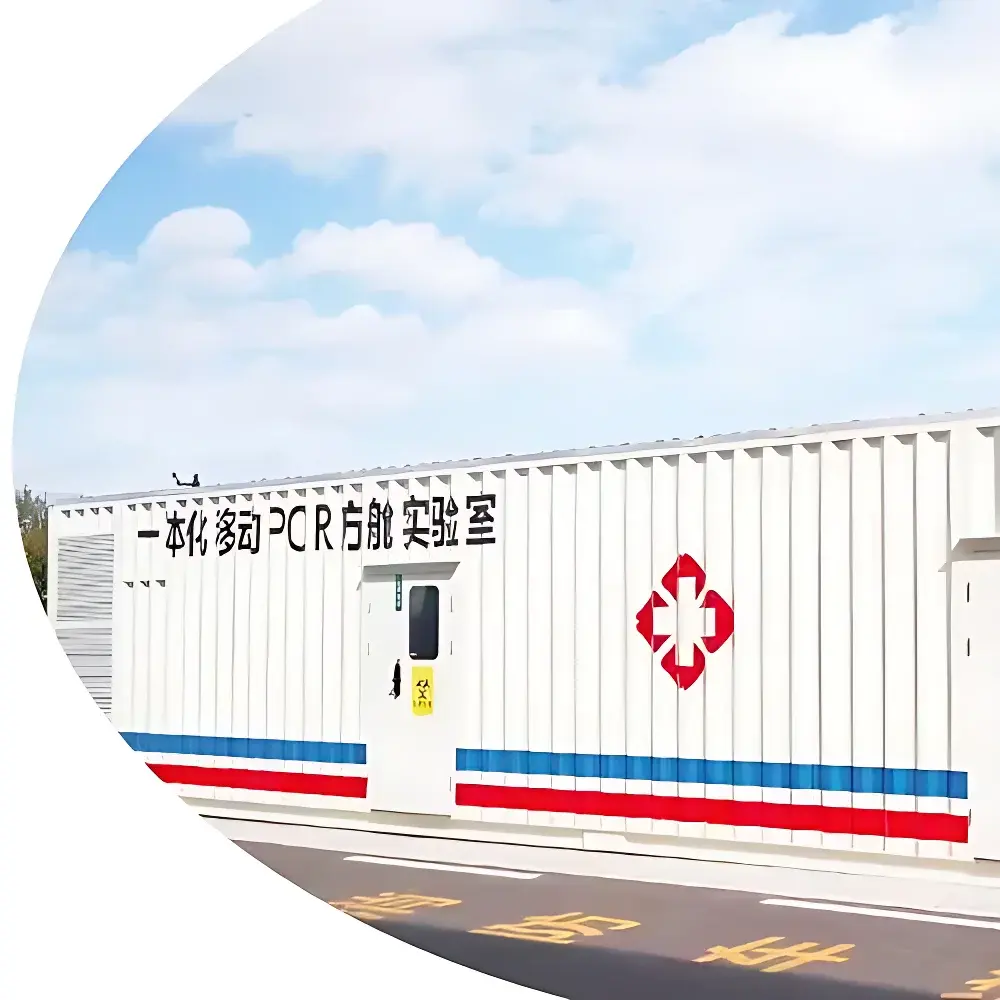
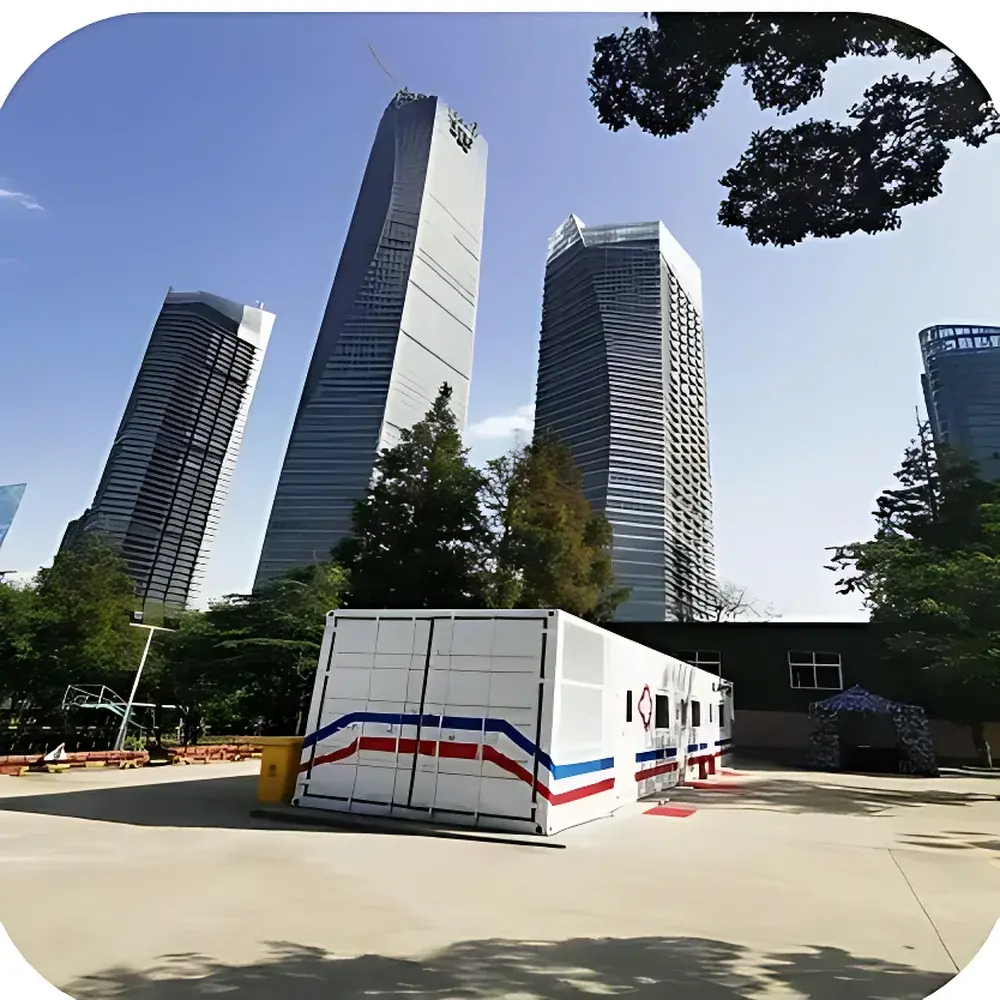
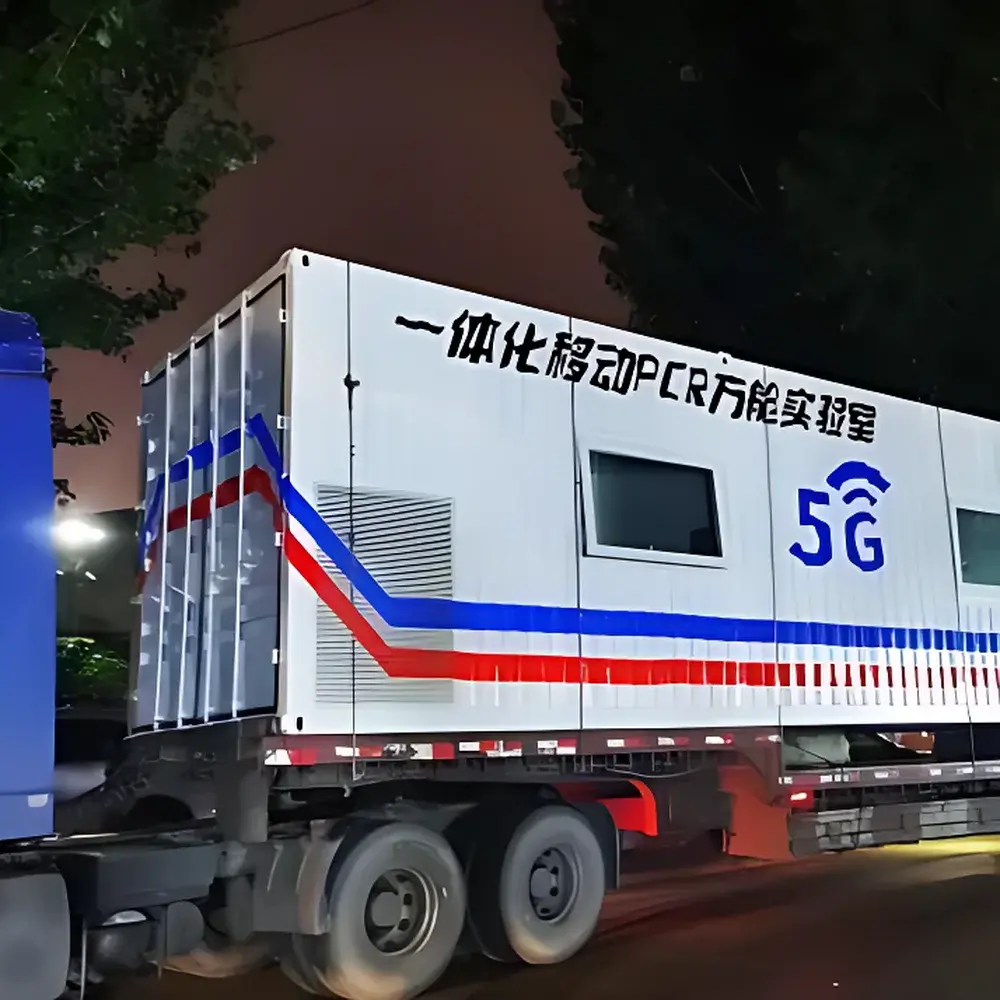
AUCMA Mobile PCR Field Laboratory Module
| Brand | AUCMA |
|---|---|
| Origin | Shandong, China |
| Manufacturer Type | Authorized Distributor |
| Regional Classification | Domestic (China) |
| Model | Custom-Engineered |
| Price Range | USD 140,000 – 210,000 |
Overview
The AUCMA Mobile PCR Field Laboratory Module is a fully integrated, transportable biosafety-compliant laboratory system engineered for rapid deployment in emergency response, field epidemiology, and decentralized diagnostic operations. Designed in strict accordance with ISO 15189, GB 19489 (General Requirements for Laboratory Biosafety), and GB/T 29477 (General Technical Specifications for Mobile Laboratory Modules), this unit implements a unidirectional airflow layout across three physically segregated zones—Reagent Preparation, Specimen Processing, and Amplification & Analysis—to prevent cross-contamination and ensure nucleic acid integrity throughout the RT-qPCR workflow. The module operates on the principle of negative-pressure gradient control (≥15 Pa differential between adjacent zones), achieved via PLC-regulated variable-air-volume (VAV) ventilation with HEPA-filtered exhaust and supply air, conforming to BSL-2 containment requirements per T/CECS 662–2020 (Technical Standard for BSL-2 Laboratories in Medical Settings).
Key Features
- Compact footprint: Total floor area < 53 m²; optimized for deployment on leveled concrete surfaces with minimum load-bearing capacity of 350 kg/m²
- Rapid commissioning: Full operational readiness within ≤2 hours post-delivery—only electrical (220 V / 380 V, 50 Hz, 32 A) and potable water connections required
- Transport logistics: Modular steel frame (3 mm structural steel chassis, 2 mm galvanized steel cladding) compatible with standard 17.5 m semi-trailer transport; lifting points certified for forklift or crane handling
- Biosafety infrastructure: Internal walls and ceiling constructed from 50 mm thick A-class fire-rated (GB 8624–2012 Class A1), antimicrobial, thermal-insulating cleanroom panels; all doors and windows feature gasket-sealed, double-glazed construction with optional electrochromic glazing for light control and external interference mitigation
- Integrated safety systems: Automated UV-C disinfection cycle with motion-sensor interlock; real-time differential pressure monitoring with audible/visual alarms; dual-zone infrared surveillance coverage (interior + perimeter)
Sample Compatibility & Compliance
The module supports full-spectrum molecular diagnostics workflows for human clinical specimens—including nasopharyngeal swabs, saliva, bronchoalveolar lavage fluid, and plasma—across WHO-recommended SARS-CoV-2, influenza A/B, RSV, and other respiratory pathogen assays. All zone-specific equipment installations comply with GB/T 20469 (General Principles for Clinical Laboratory Design) and GB 50346–2011 (Technical Code for Construction of Biosafety Laboratories). Ventilation performance meets ISO 14644–1 Class 8 (ISO 8) background cleanliness in non-critical areas and maintains ≥99.995% particle removal efficiency at 0.3 µm via H14 HEPA filtration in critical zones. Electrical systems adhere to GB 50054 (Low-Voltage Electrical Installation Code), while fire protection satisfies GB 50016 (Code for Fire Protection Design of Buildings).
Software & Data Management
The onboard PLC-based Building Management System (BMS) provides centralized control of HVAC, lighting, sterilization, and access logging. All operational parameters—including pressure differentials, temperature (18–26°C), relative humidity (30–70%), and UV exposure duration—are timestamped and stored locally with ≥90-day retention. Integrated 5G cellular modem enables encrypted HL7/FHIR-compliant data transmission to LIMS or public health reporting platforms, supporting audit-ready traceability per FDA 21 CFR Part 11 requirements. User access levels are role-defined (operator, supervisor, administrator), and all system modifications generate immutable electronic logs compliant with GLP/GMP documentation standards.
Applications
This mobile laboratory serves as a validated platform for high-throughput nucleic acid testing in resource-constrained or geographically dispersed settings—including border checkpoints, rural healthcare centers, disaster relief zones, and mass screening sites. With capacity for six automated nucleic acid extractors in the Specimen Processing Zone and twelve real-time PCR instruments in the Amplification & Analysis Zone, the system achieves up to 10,000 individual tests per day (or 100,000 samples under 1:10 pooled testing protocols). Its modular architecture also supports adaptation for CRISPR-based detection, digital PCR validation studies, and assay development under controlled environmental conditions.
FAQ
What biosafety level does this module meet?
It conforms to national and international BSL-2 requirements per GB 19489 and ISO 15190, including physical separation of workflow zones, directional airflow, HEPA filtration, and surface decontamination protocols.
Can the module be integrated with existing hospital LIMS?
Yes—via configurable API endpoints and HL7 v2.x message support; integration validation services are available upon request.
Is regulatory documentation provided for local health authority approval?
Comprehensive technical dossiers—including test reports for structural integrity, airflow validation, electrical safety (GB 4706.1), and EMC compliance (GB/T 17626)—are supplied with each unit.
What maintenance intervals are recommended?
HEPA filter replacement every 12 months or after 7,500 operating hours; UV lamp recalibration annually; full BMS functional verification quarterly.
Does the system support remote diagnostics and firmware updates?
Yes—secure SSH-enabled remote access is available for authorized service engineers; over-the-air firmware updates follow ISO/IEC 27001-aligned change control procedures.



