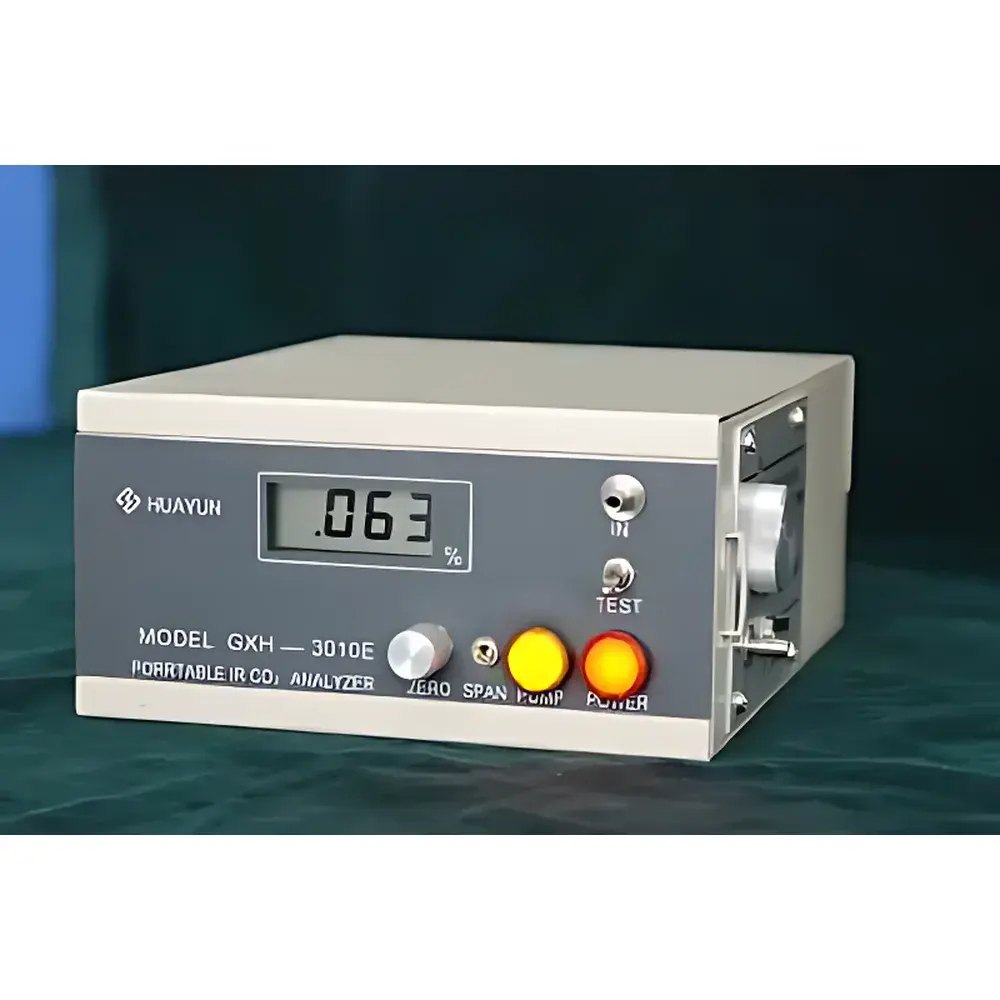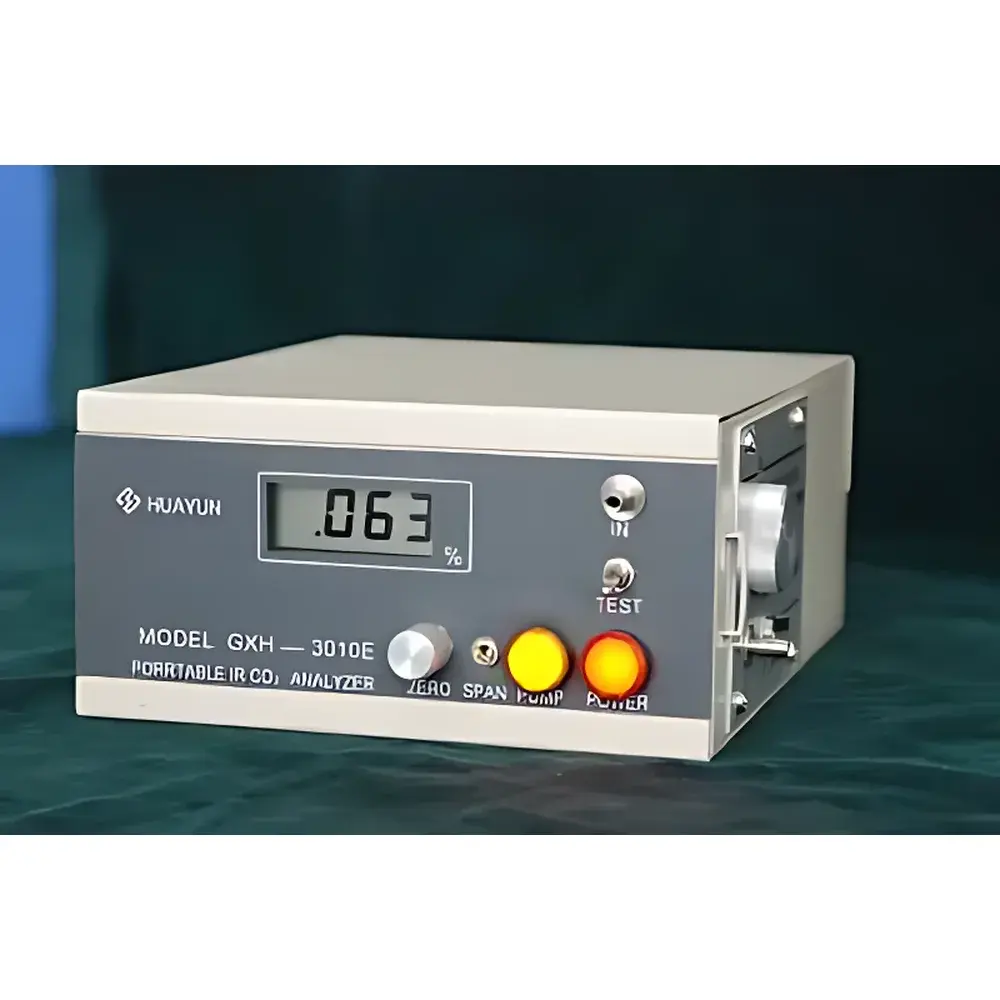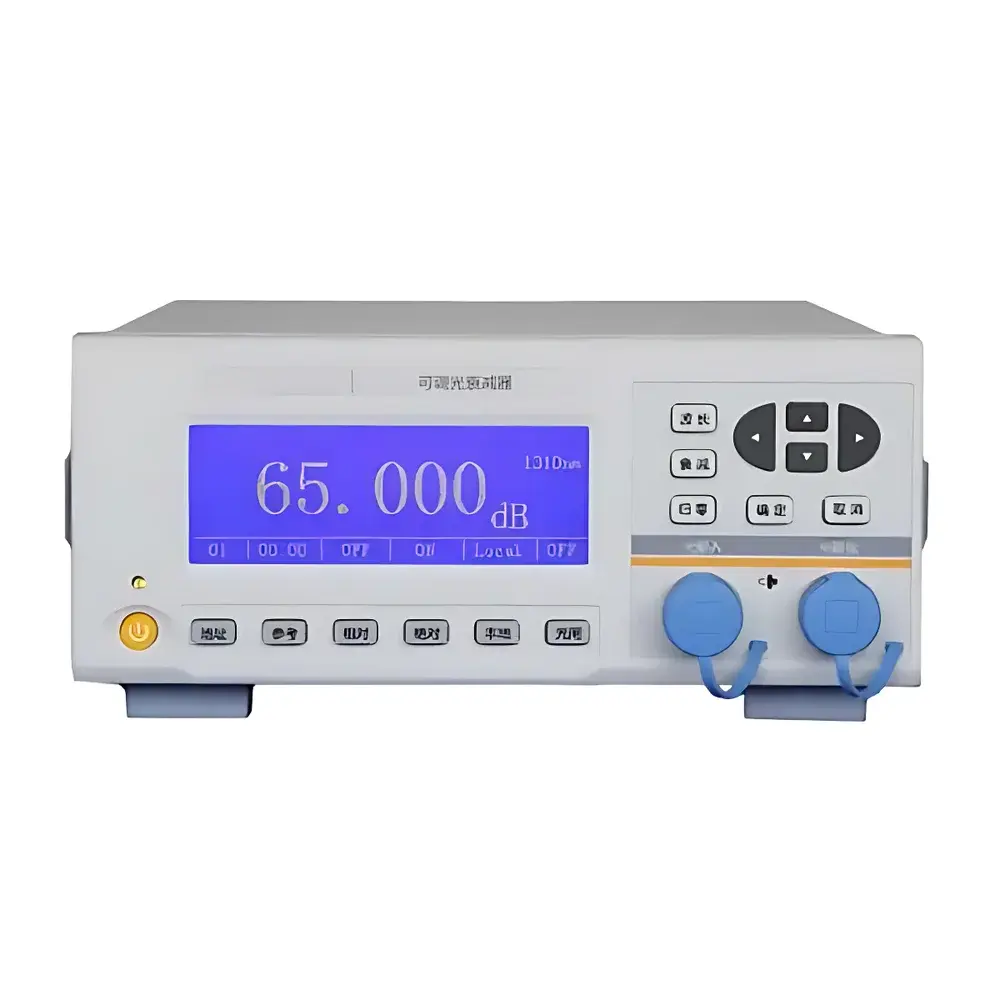
Auniontech 6383B / 6383B-MM Tunable Optical Attenuator
| Brand | Auniontech |
|---|---|
| Wavelength Range | 1200–1650 nm & 850 nm |
| Attenuation Range | 0–65 dB |
| Accuracy | ±0.15 dB (1200–1650 nm) / ±0.3 dB (850 nm) |
| Repeatability | ±0.015 dB (1200–1650 nm) / ±0.03 dB (850 nm) |
| Insertion Loss | ≤1.5 dB |
| Operating Temperature | 23 °C ±5 °C |
| Mode Options | Absolute Attenuation (including IL) & Relative Attenuation |
| Features | Integrated Optical Shutter, Zero-Attenuation Calibration Function |
| Compliance | Designed for telecom-grade test environments per ITU-T G.691, IEC 61280-2-9, and Telcordia GR-1073-CORE |
Overview
The Auniontech 6383B and 6383B-MM Tunable Optical Attenuators are precision benchtop instruments engineered for stable, repeatable optical power reduction across dual-wavelength domains: the telecom C+L bands (1200–1650 nm) and the multimode 850 nm window. Based on calibrated mechanical variable optical attenuation principles—typically employing precision-aligned neutral-density filters or MEMS-driven wedge mechanisms—these units deliver continuous, stepless attenuation from 0 to 65 dB without mode-hopping, power discontinuities, or range-switching artifacts. Unlike fixed-step or digitally quantized attenuators, the 6383B series maintains analog linearity across its full dynamic range, making it suitable for applications demanding high-fidelity signal conditioning in photonic test benches, optical receiver characterization, and system-level margin analysis.
Key Features
- Wide Dual-Band Coverage: Optimized for both single-mode (1200–1650 nm) and multimode (850 nm) fiber systems—enabling cross-platform validation in R&D labs handling legacy and next-gen optical interconnects.
- High Metrological Integrity: Specified attenuation accuracy of ±0.15 dB (C+L band) and ±0.3 dB (850 nm), with repeatability down to ±0.015 dB—validated under controlled thermal conditions (23 °C ±5 °C) per IEC 61280-2-9 calibration protocols.
- Low System Impact: Insertion loss ≤1.5 dB across all operating wavelengths ensures minimal baseline perturbation during cascaded measurements or multi-instrument setups.
- Dual Operational Modes: Absolute attenuation mode (referenced to total input-to-output path loss, including inherent insertion loss) and relative attenuation mode (user-definable reference point for delta-based adjustments)—supporting both absolute power budgeting and differential sensitivity sweeps.
- Integrated Safety & Calibration Functions: Hardware-enabled optical shutter provides physical beam interruption for safe alignment and instrument protection; one-button zero-attenuation calibration eliminates manual offset correction and streamlines setup traceability.
Sample Compatibility & Compliance
The 6383B series is compatible with standard FC/PC, FC/APC, SC/PC, and SC/APC connectors (adapters sold separately), supporting both polarization-maintaining and non-PM fiber configurations. Its mechanical architecture meets RoHS Directive 2011/65/EU requirements and is designed for long-term stability in laboratory and light industrial environments. While not certified for Class I laser product compliance per IEC 60825-1, the unit is intended for use only with Class 1 or Class 3R optical sources when operated within specified input power limits (< +10 dBm). It supports GLP/GMP-aligned workflows through user-accessible calibration logs and mode-state persistence—facilitating audit-ready documentation for telecom equipment qualification per ITU-T G.691 Annex A and Telcordia GR-1073-CORE Section 4.3.2.
Software & Data Management
Control is provided via front-panel keypad with LCD status display or optional RS-232/USB interface (SCPI command set compliant). The device stores up to 10 user-defined attenuation presets and retains operational mode, wavelength selection, and calibration state after power cycling. No proprietary software installation is required—standard terminal emulators or LabVIEW-compatible drivers enable integration into automated test systems. All settings support timestamped logging when interfaced with external DAQ platforms, satisfying basic FDA 21 CFR Part 11 data integrity prerequisites for electronic records (audit trail, user authentication, and change control—when deployed with validated host software).
Applications
- Bit-error-rate (BER) testing across varying optical power levels to determine receiver sensitivity thresholds.
- Optical power meter calibration and verification against NIST-traceable references using known attenuation steps.
- System margin analysis in DWDM, PON, and active optical cable (AOC) development—simulating span loss, connector degradation, and splice penalties.
- Receiver overload testing and dynamic range mapping for transceivers compliant with IEEE 802.3 standards (e.g., 100GBASE-LR4, 400GBASE-DR4).
- Sideband suppression ratio (SSR) evaluation in modulated signal paths by controlled attenuation of carrier vs. sideband components.
FAQ
What wavelength bands does the 6383B-MM support?
The 6383B-MM variant is optimized for 850 nm multimode operation, while the 6383B supports 1200–1650 nm single-mode bands. Both models share identical attenuation mechanics and control firmware.
Is the attenuation value traceable to national standards?
Yes—factory calibration includes documented uncertainty budgets referenced to NIST-traceable optical power standards. Optional ISO/IEC 17025-accredited recalibration services are available through authorized metrology partners.
Can this attenuator be used in automated production test systems?
Yes—SCPI-compliant RS-232/USB interface enables seamless integration with Python, MATLAB, or NI TestStand-based ATE platforms. Trigger synchronization and preset recall commands support high-throughput binning workflows.
Does it support polarization-dependent loss (PDL) compensation?
No—the 6383B series is not PDL-compensated; its specified accuracy assumes unpolarized or randomly polarized input. For PDL-sensitive applications, users should pair it with a polarization controller or select a dedicated PDL-corrected attenuator model.
What is the maximum input power rating?
Maximum continuous input power is +10 dBm (10 mW) for all wavelengths. Exceeding this may cause thermal drift or permanent calibration shift. For pulsed sources, peak power must remain below 100 W to avoid nonlinear effects.