
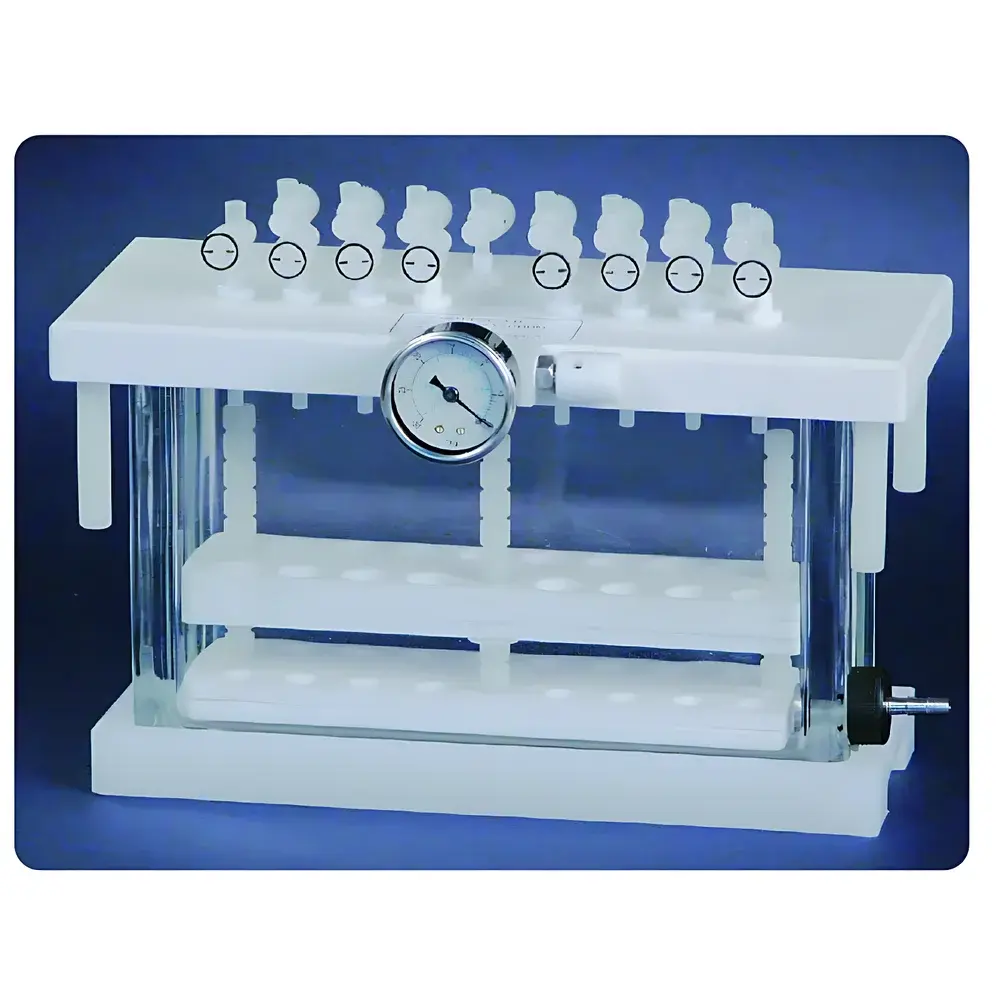
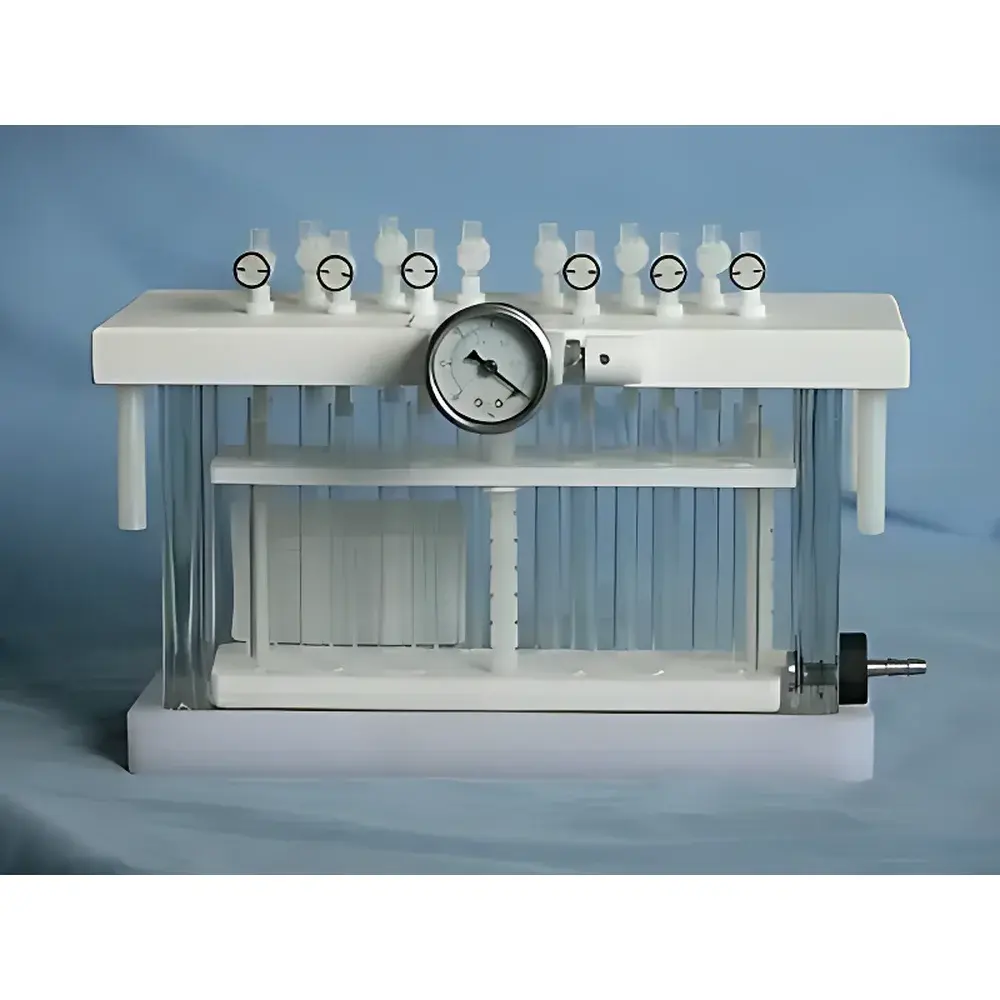
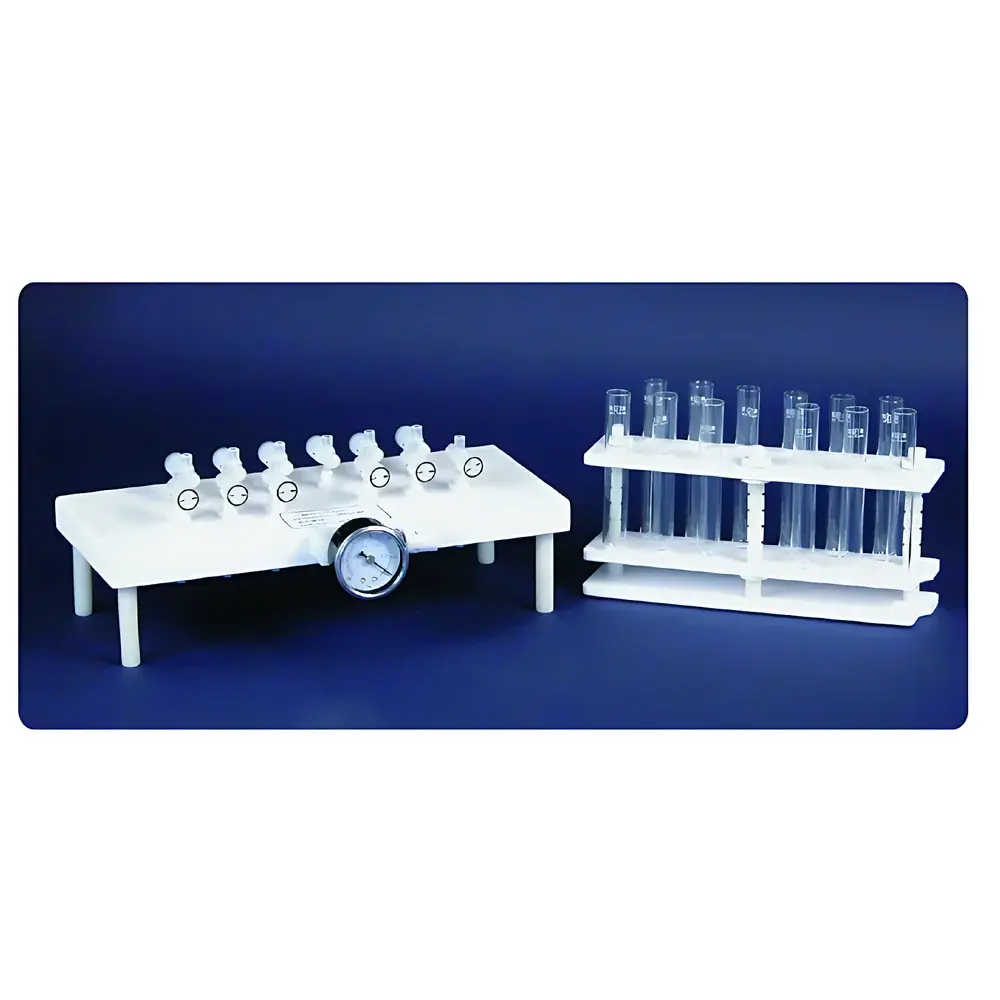
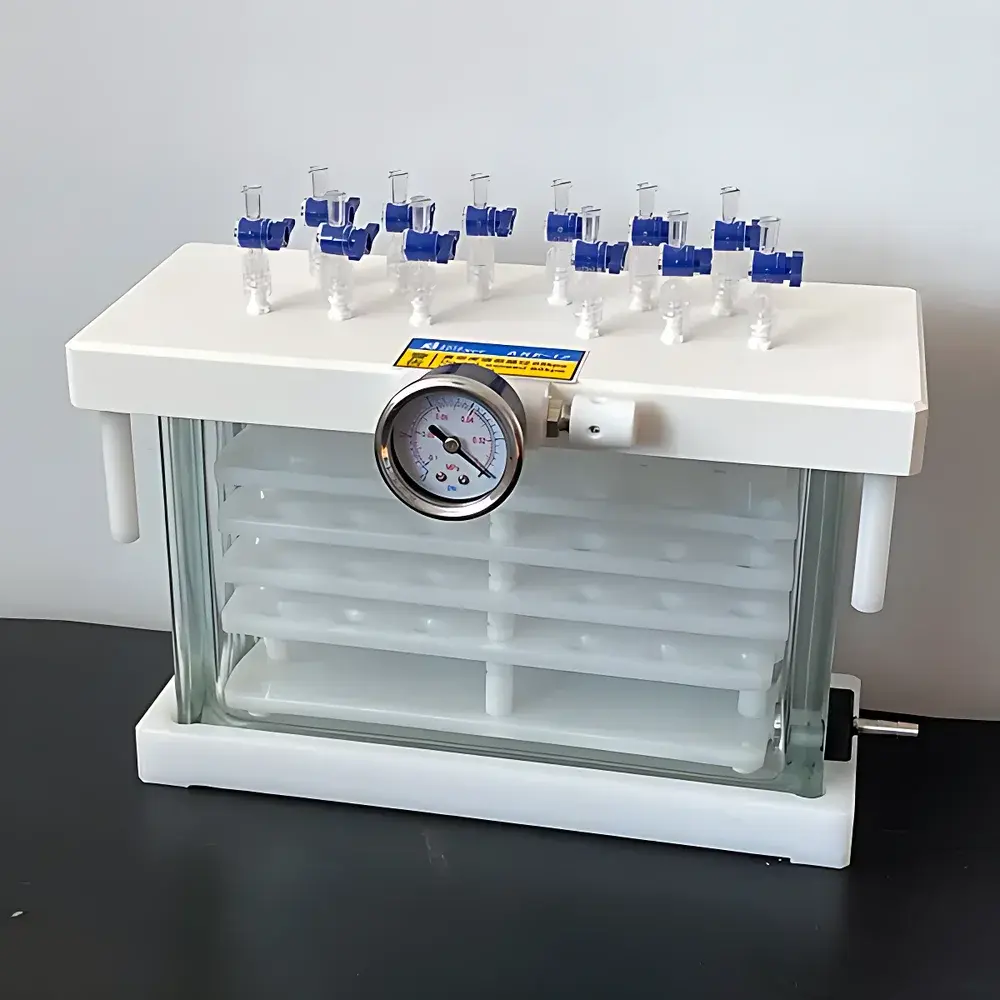
Autoscience ASE Series Solid Phase Extraction System
| Brand | Autoscience |
|---|---|
| Origin | Tianjin, China |
| Manufacturer Type | Authorized Distributor |
| Product Origin | Domestic (China) |
| Model | ASE-12 / ASE-16 / ASE-24 |
| Price Range | USD 420 – 690 |
| Automation Level | Semi-Automatic |
| Channel Count | 12 / 16 / 24 Parallel Channels |
| Extraction Format | Cartridge-Based Column SPE |
| Flow Rate Control | 0.1–30 mL/min (adjustable per channel via precision needle valve) |
| Solvent Compatibility | Multiple organic and aqueous solvents (e.g., methanol, acetonitrile, ethyl acetate, hexane, water, buffer solutions) |
| Sample Throughput | Simultaneous processing of 12 / 16 / 24 samples |
| Cartridge Dimensions Supported | Max. OD 15 mm × L ≤ 105 mm (compatible with 1 mL, 3 mL, 5 mL, and 6 mL SPE cartridges) |
| Solvent-Wetted Materials | Borosilicate glass vacuum manifold, PTFE-coated stainless steel valves, chemically resistant elastomer seals |
Overview
The Autoscience ASE Series Solid Phase Extraction System is a benchtop, semi-automated multi-channel SPE workstation engineered for reproducible, high-throughput sample preparation in analytical laboratories. Based on classical solid-phase extraction principles—leveraging selective adsorption, partitioning, and ion exchange interactions between analytes and functionalized sorbent materials—the ASE system enables efficient isolation, concentration, and cleanup of target compounds from complex liquid matrices prior to instrumental analysis (e.g., HPLC, GC, LC-MS). Unlike fully automated robotic platforms, the ASE series provides manual control over critical steps—including conditioning, loading, washing, and elution—while integrating robust vacuum-assisted flow regulation across independent channels. This architecture ensures method flexibility, full operator visibility, and compliance with method development workflows required by regulatory frameworks such as EPA Method 500/600 series, ISO 17025-accredited validation protocols, and GLP-compliant sample handling procedures.
Key Features
- Modular parallel-channel design: ASE-12, ASE-16, and ASE-24 configurations support scalable throughput without compromising channel independence.
- Chemically inert borosilicate glass vacuum manifold: Resistant to corrosion from aggressive solvents (e.g., chlorinated hydrocarbons, strong acids/bases), ensuring long-term dimensional stability and low background contamination.
- Individual needle-valve flow control per channel: Enables precise, stepwise adjustment of flow rate from 0.1 to 30 mL/min—critical for optimizing retention and elution efficiency across diverse sorbent chemistries (C18, silica, SCX, SAX, mixed-mode).
- Vacuum regulation system: Integrated analog vacuum gauge and fine-tuning pressure relief valve allow real-time monitoring and stabilization of manifold vacuum (rated >80 kPa negative pressure), minimizing channel-to-channel flow variance.
- Interchangeable tube rack system: Accommodates collection tubes with outer diameters of 11 mm, 13 mm, and 15 mm, all up to 105 mm in length; includes height-adjustable inserts for consistent cartridge alignment and leak-free sealing.
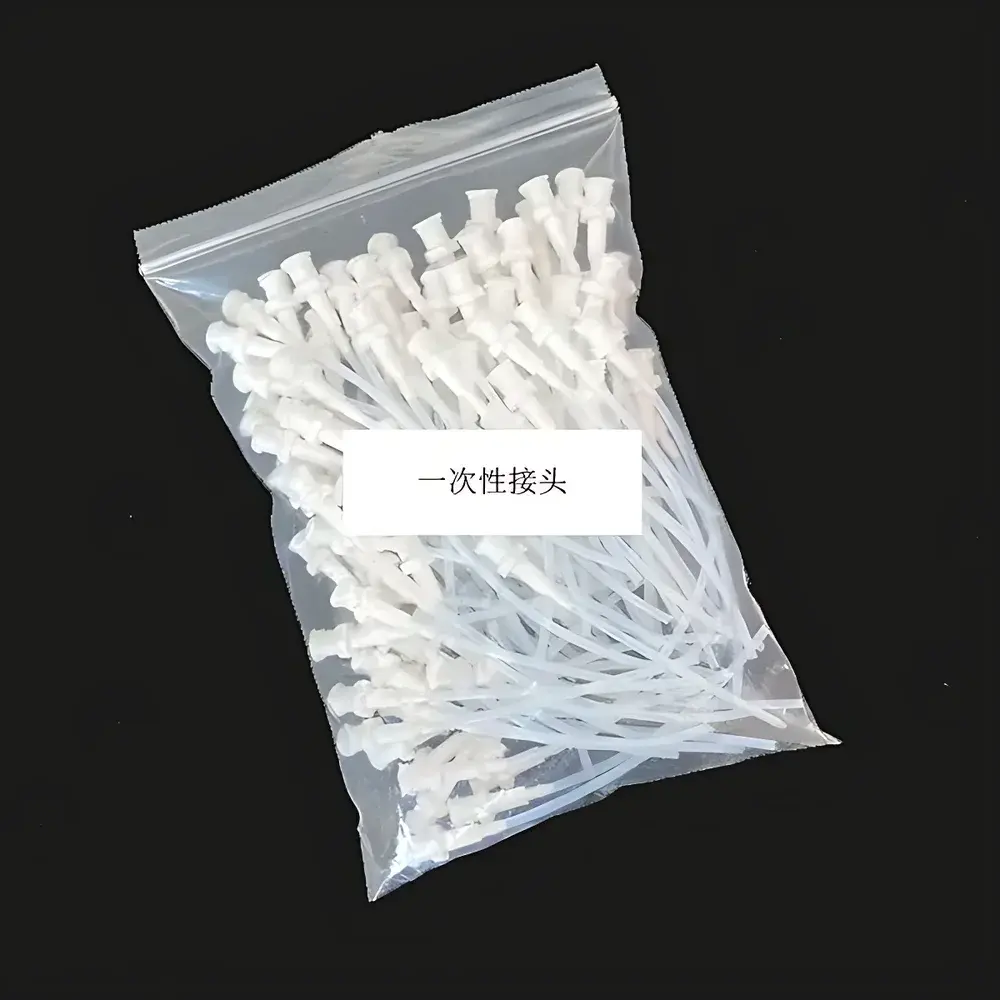
- Cross-contamination mitigation: Optional disposable transfer tips and anti-fog glass vacuum chamber lid reduce carryover risk during sequential batch processing.
- Configurable vacuum port orientation: Standard top-port and optional bottom-port glass manifolds support integration with external vacuum sources (e.g., AP-series oil-free diaphragm pumps) and facilitate solvent recovery or inline solvent evaporation setups.
Sample Compatibility & Compliance
The ASE system processes aqueous, biological, environmental, and food-derived liquid samples—including plasma, urine, wastewater, fruit juice, milk extracts, and pesticide-spiked crop homogenates—following standard pretreatment (e.g., centrifugation, filtration, pH adjustment). It supports all major SPE cartridge formats (1 mL, 3 mL, 5 mL, 6 mL) with outer diameters ≤15 mm and lengths ≤105 mm, including proprietary formats such as melamine-specific mixed-mode cation-exchange cartridges. All solvent-wetted components comply with USP Class VI biocompatibility standards and are compatible with ICH Q5A/Q5D extractables/leachables assessment protocols. The system’s mechanical design adheres to IEC 61010-1 safety requirements for laboratory equipment, and its modular construction facilitates audit-ready documentation under FDA 21 CFR Part 11 when paired with validated electronic lab notebook (ELN) systems.
Software & Data Management
As a semi-automated hardware platform, the ASE series does not include embedded firmware or proprietary software. Instead, it is designed for seamless integration into existing laboratory informatics ecosystems. Users document SOP execution manually or via LIMS-integrated digital checklists. Vacuum pressure logs, flow rate settings, and cartridge lot numbers are recorded per batch in accordance with ISO/IEC 17025 clause 7.7 (result reporting) and EU Annex 11 (computerized system validation). When deployed alongside Autoscience’s AP-series oil-free vacuum pumps—equipped with analog pressure output signals—the system supports third-party data acquisition modules for time-stamped vacuum profile logging, satisfying traceability requirements for GLP audits and method transfer documentation.
Applications
- Environmental analysis: Extraction of PAHs, PCBs, organochlorine pesticides, and pharmaceutical residues from surface water, groundwater, and wastewater effluents (aligned with EPA 8270/8081/525.3).
- Food safety testing: Multi-residue determination of veterinary drugs (e.g., tetracyclines, sulfonamides), mycotoxins (aflatoxins, ochratoxin A), and illegal dyes (e.g., Sudan red) in meat, dairy, honey, and vegetable matrices.
- Clinical toxicology: Isolation of opioids, benzodiazepines, and stimulants from serum and urine prior to LC-MS/MS quantification per CAP accreditation guidelines.
- Pharmaceutical QC: Clean-up of dissolution samples, excipient interference removal in stability-indicating assays, and residual solvent recovery in API purification workflows.
- Research applications: Fractionation of natural product extracts, phospholipid removal from plasma for metabolomics, and glycopeptide enrichment in proteomic sample prep.
FAQ
What vacuum source is recommended for optimal performance?
An oil-free diaphragm vacuum pump (e.g., Autoscience AP-100 or equivalent) rated ≥80 kPa ultimate vacuum and equipped with pressure regulation is strongly advised to prevent solvent bumping and ensure stable flow across all channels.
Can the ASE system be used with 6-mL cartridges?
Yes—provided the cartridge outer diameter does not exceed 15 mm and total length remains ≤105 mm, compatibility with standard 6-mL SPE cartridges is confirmed.
Is method validation support available?
Autoscience provides application notes, SOP templates, and technical bulletins aligned with AOAC, ISO, and USP guidelines; full method validation services are offered through certified third-party laboratories upon request.
How is cross-contamination prevented between channels?
Each channel features an isolated fluid path with dedicated PTFE-sealed valve and drain line; optional disposable transfer tips and vacuum chamber lid anti-fog coating further minimize aerosol-mediated carryover.
Does the system support gradient elution protocols?
While the ASE series does not automate solvent switching, users may manually change eluents between wash and elution steps using standardized solvent reservoirs and timed valve actuation—enabling validated gradient-based cleanup strategies.



