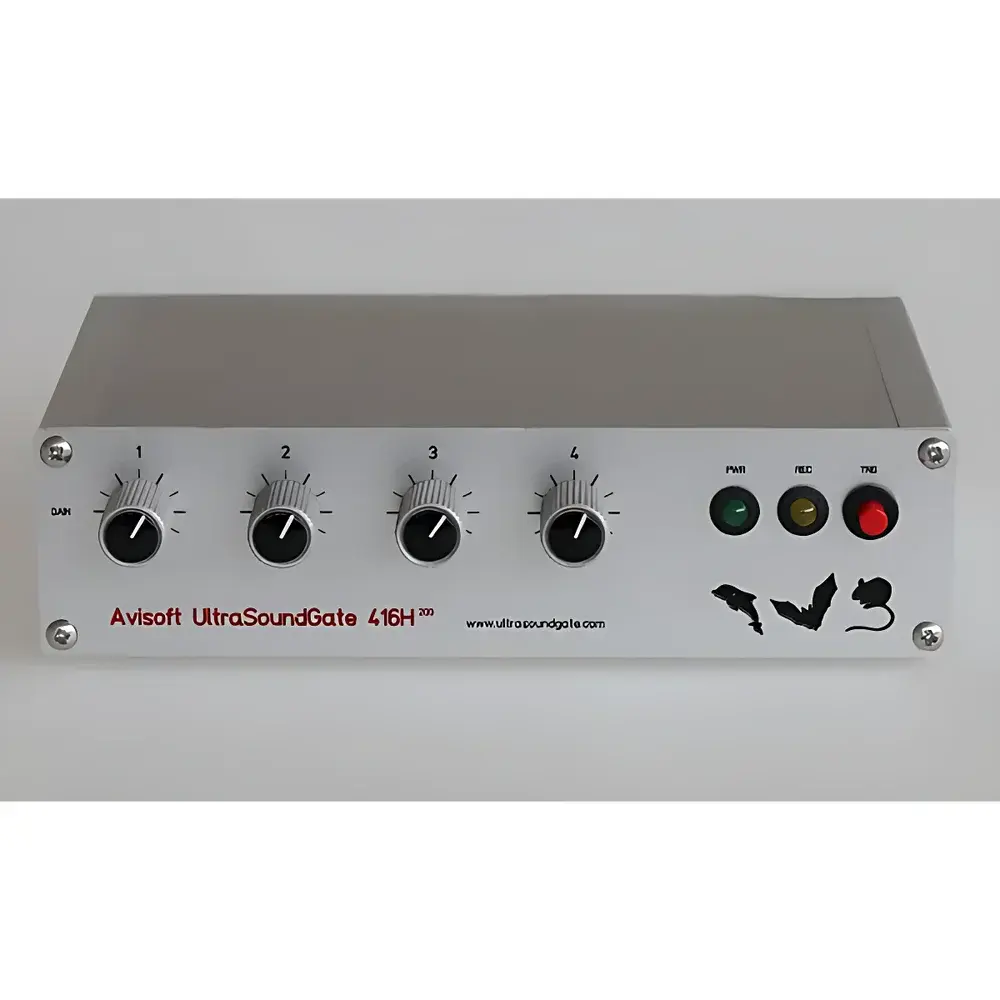
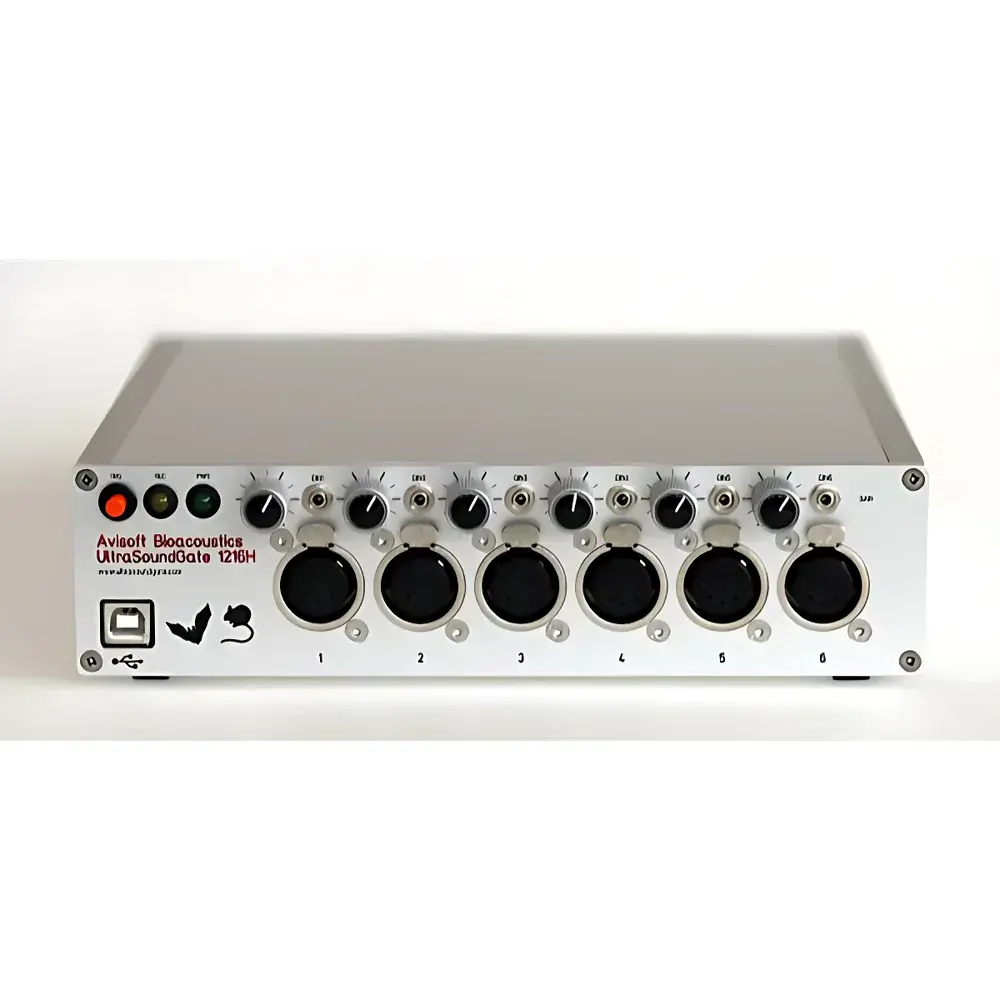
Avisoft UltrasoundGate 116h/416h/816h/1216h Multi-Channel Acoustic Recording System
| Brand | Avisoft |
|---|---|
| Origin | Germany |
| Model | 116h / 416h / 816h / 1216h |
| Sampling Frequency Range | 20 Hz – 460 kHz (116h) |
| ADC Resolution | 16-bit |
| Input Sensitivity Range | −43.2 dBV to −3.2 dBV |
| Gain | 40 dB |
| Self-Noise | 18 dB SPL |
| Microphone Sensitivity | 500 mV/Pa |
| Connector | XLR-5 male |
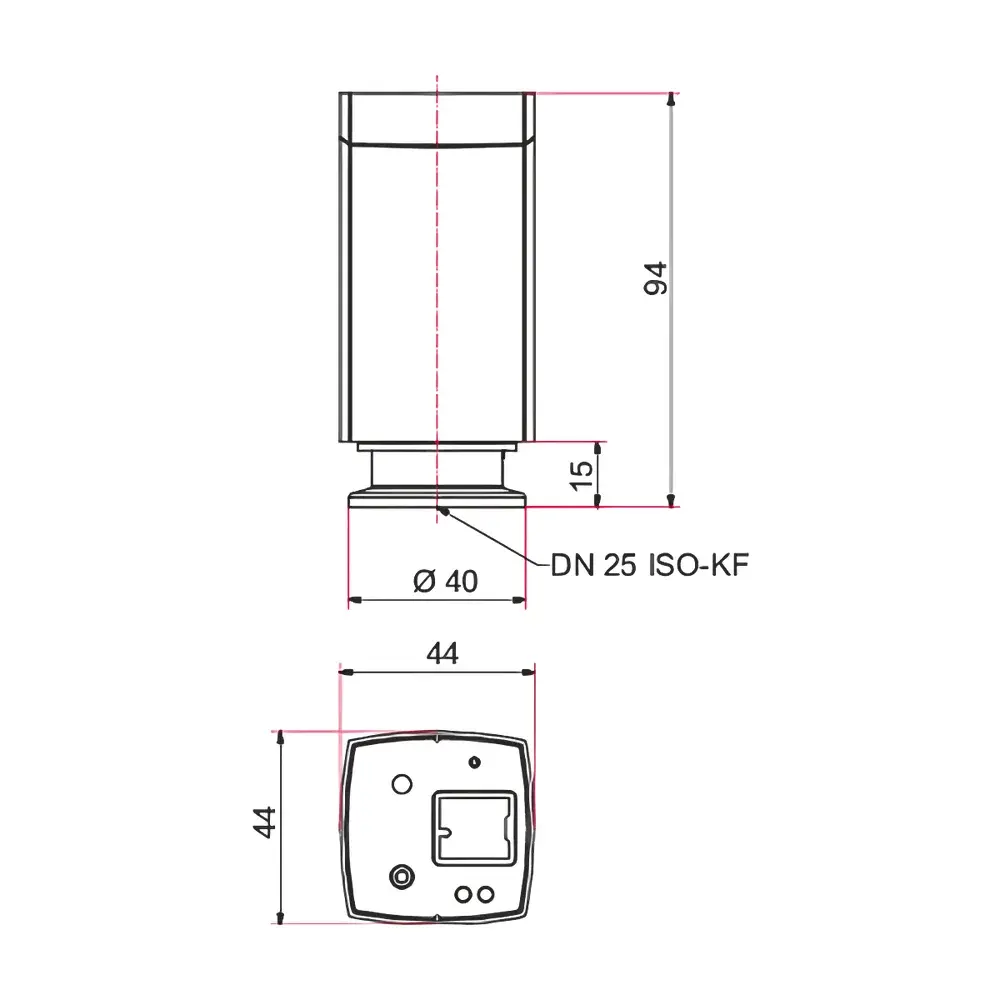
| Dimensions (Microphone) | 36 × 36 × 60 mm |
| Weight (Microphone) | 65 g |
| Weight (116h Host) | 205 g |
| Power | USB-powered (UltrasoundGate host), optional USB power adapter for field use |
Overview
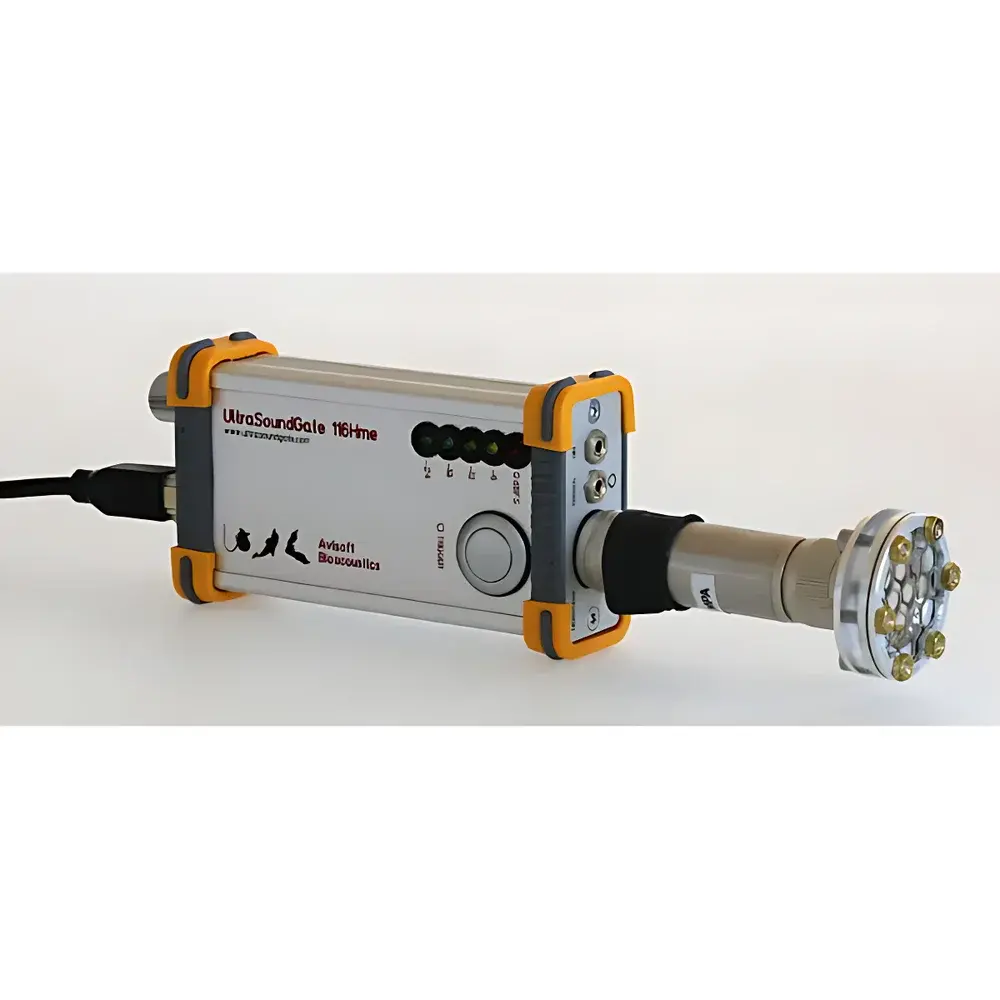
The Avisoft UltrasoundGate 116h, 416h, 816h, and 1216h series are high-fidelity, multi-channel acoustic recording systems engineered for rigorous bioacoustic, ultrasonic, and environmental sound research. These devices operate on the principle of high-speed analog-to-digital conversion with precise time-synchronized sampling across channels, enabling accurate capture and analysis of transient ultrasonic signals—such as bat echolocation calls, rodent ultrasonic vocalizations (USVs), insect stridulation, or industrial ultrasonic emissions—in both laboratory and field settings. The system architecture is built around low-jitter clocking, galvanically isolated inputs, and real-time digital signal monitoring, ensuring minimal phase distortion and high temporal fidelity essential for time-of-arrival analysis, cross-channel correlation, and spectral-temporal reconstruction.
Key Features
- Scalable channel count: 1-channel (116h), 4-channel (416h), 8-channel (816h), and 12-channel (1216h) configurations—each maintaining full synchronization and identical per-channel specifications.
- Wide dynamic range acquisition: 16-bit resolution with adjustable gain (up to 40 dB) and input sensitivity spanning −43.2 dBV (high-sensitivity mode) to −3.2 dBV (high-level input mode), optimized for both faint biological emissions and louder environmental transients.
- Real-time monitoring suite: Integrated overload detection, peak hold LED indicators, and live RMS/dBFS level display—critical for rapid setup validation in uncontrolled acoustic environments.
- Low-noise, broadband microphone support: Compatible with Avisoft’s CM16 and CMPA ultrasonic condenser microphones, featuring flat frequency response from 2 kHz to 200 kHz, built-in preamplification, and ultra-low self-noise (18 dB SPL).
- Ruggedized portable design: Compact host unit (205 g) with USB 2.0 interface; microphone (65 g) equipped with protective grille, XLR-5 connector, and optional field-ready USB power adapter for battery-independent operation.
Sample Compatibility & Compliance
The UltrasoundGate platform supports diverse acoustic sample types—including airborne ultrasonic pulses, contact-transduced vibrations (via optional accelerometers), and hydrophone signals (with appropriate impedance-matching adapters). All hardware complies with IEC 61000-6-3 (EMC emission standards) and meets CE marking requirements for laboratory instrumentation within the European Economic Area. When used with validated acquisition protocols and calibrated microphones traceable to PTB (Physikalisch-Technische Bundesanstalt), data generated satisfies reporting criteria under ISO 12001 (acoustics — measurement of sound pressure levels) and supports GLP-compliant experimental documentation when paired with audit-trail-enabled software configurations.
Software & Data Management
Data acquisition and preprocessing are performed using Avisoft’s proprietary SASLab Pro software (v6.0+), which provides synchronized multi-channel waveform visualization, batch spectral analysis (FFT, wavelet, spectrogram), automated call detection via amplitude/threshold/contour algorithms, and export to standardized formats including WAV (RF64), MAT, and HDF5. The software implements full metadata embedding (sampling rate, gain, calibration factor, GPS timestamp if connected), supports FDA 21 CFR Part 11–compliant user authentication and electronic signatures when deployed in regulated environments, and enables direct integration with MATLAB, Python (via .wav or .mat import), and R for advanced statistical modeling of vocal repertoire structure or temporal patterning.
Applications
- Behavioral neuroscience: Quantification of mouse/rat USVs during social interaction, fear conditioning, or pharmacological challenge studies.
- Chiropterology: Field-based recording and classification of bat species by echolocation call structure (e.g., CF-FM, FM, quasi-constant frequency patterns).
- Ecological monitoring: Passive acoustic monitoring (PAM) of nocturnal insect activity, avian dawn chorus harmonics, or amphibian call phenology across seasonal gradients.
- Industrial diagnostics: Detection of ultrasonic leakage (e.g., compressed air, vacuum systems), bearing fault signatures (>20 kHz), and partial discharge in high-voltage equipment.
- Veterinary bioacoustics: Non-invasive assessment of respiratory function or distress vocalizations in livestock and companion animals.
FAQ
What is the maximum sustained sampling rate supported across all channels on the 1216h model?
The 1216h supports up to 500 kHz aggregate bandwidth—distributed across channels while maintaining inter-channel synchronization; individual channel rates scale inversely with active channel count (e.g., 125 kHz @ 4 channels, 62.5 kHz @ 8 channels) without interpolation.
Can the CM16 microphone be used with third-party DAQ systems?
Yes—the CM16 outputs a balanced analog signal via XLR-5 and is compatible with any external DAQ accepting ±10 V differential input and providing phantom power (24 V DC); however, optimal performance requires matching its 500 mV/Pa sensitivity and 2–200 kHz passband in post-processing.
Is calibration certificate included with purchase?
Calibration certificates traceable to PTB are available upon request at additional cost; standard units ship with factory verification reports and nominal sensitivity values.
Does the system support GPS time stamping for field deployments?
Yes—when connected to a USB GPS receiver (e.g., u-blox NEO-M8N), SASLab Pro embeds UTC timestamps with <10 ms accuracy into each recorded file header.
How is data integrity ensured during long-term unattended recording?
The host implements cyclic buffer management with auto-restart-on-error, disk-full rollover to secondary storage, and SHA-256 checksum generation per file—features configurable in SASLab Pro’s acquisition scheduler.