
AWA AHAI1002 Wireless Building Acoustics Measurement System
| Brand | AWA |
|---|---|
| Origin | Zhejiang, China |
| Model | AHAI1002 |
| Frequency Range | 10 Hz – 20 kHz |
| Sound Pressure Level Range | 28 dB–133 dB (A-weighted), 33 dB–133 dB (C-weighted), 38 dB–133 dB (Z-weighted) |
| Self-Noise | < 4 µV (A), < 7 µV (C), < 13 µV (Z) |
| Accuracy Class | Class 1 per IEC 61672-1 |
| Operating Duration | > 6 hours continuous operation on battery power |
| Wireless Protocol | IEEE 802.11 b/g/n (2.4 GHz Wi-Fi) |
Overview
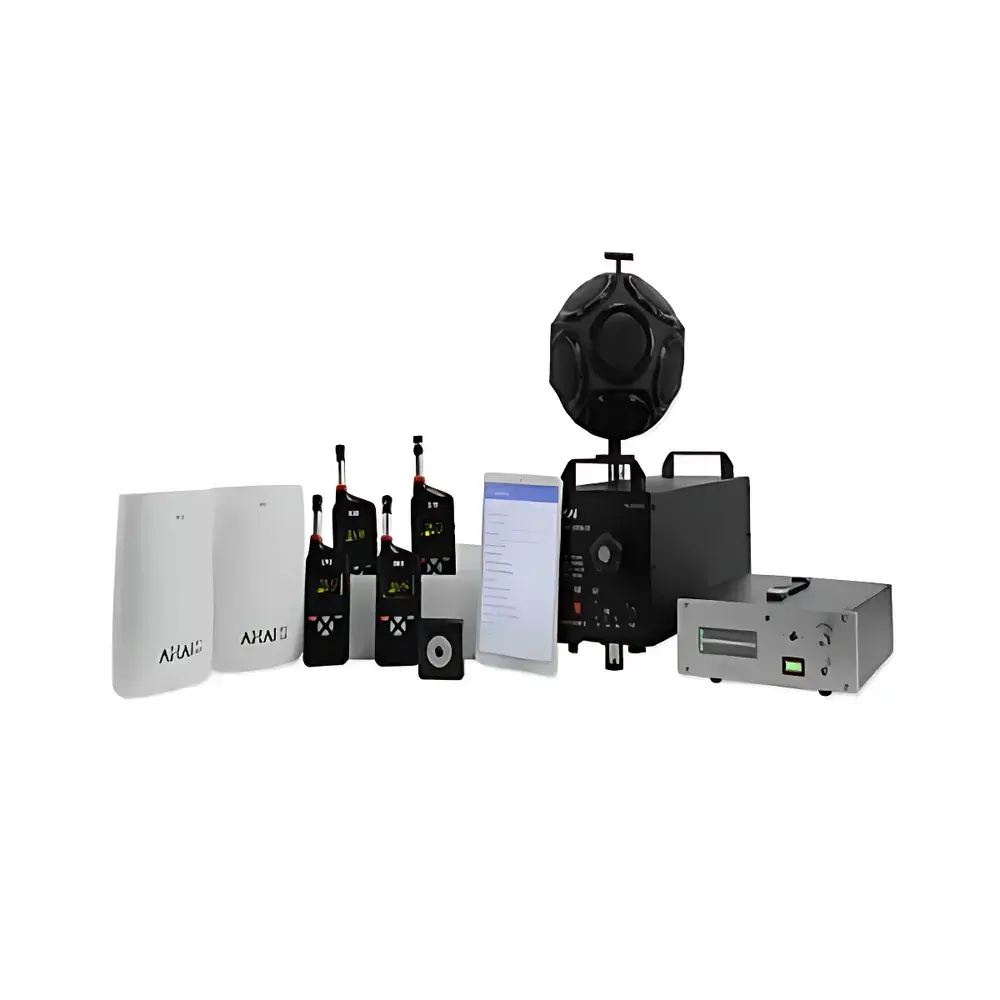
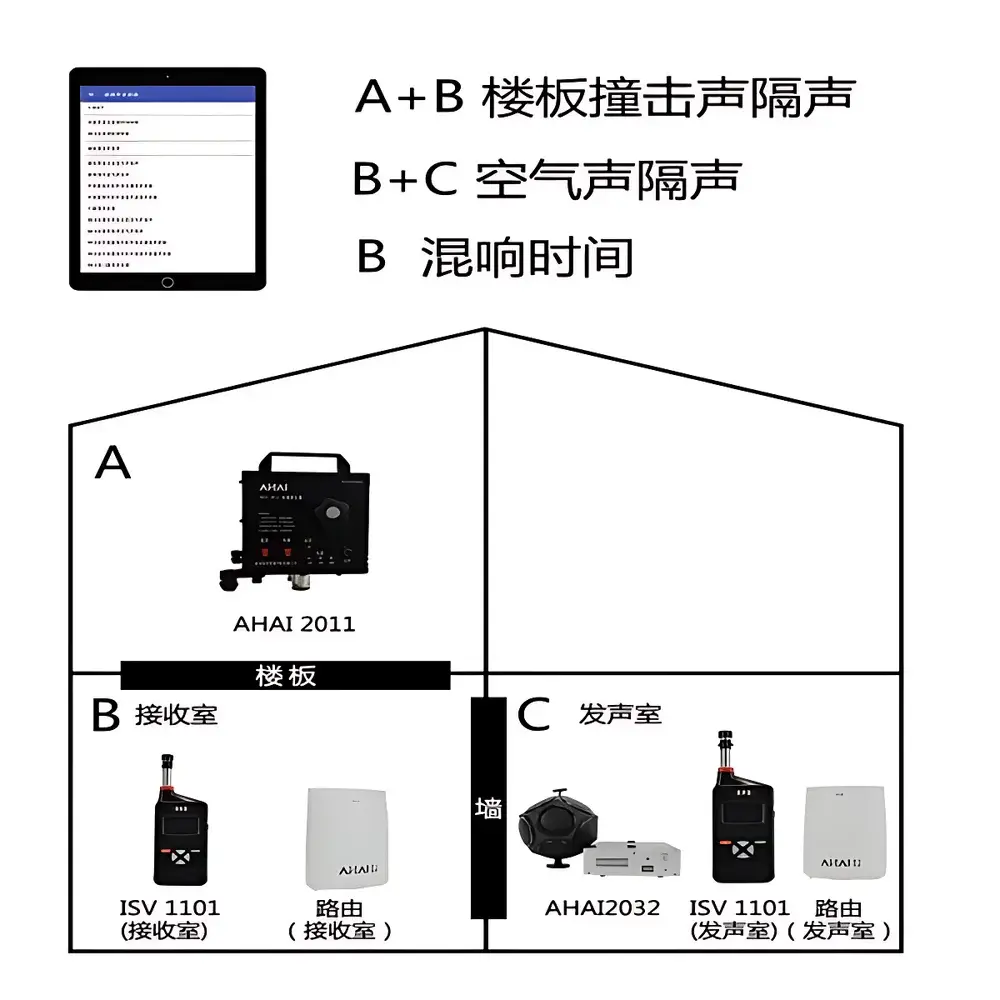
The AWA AHAI1002 Wireless Building Acoustics Measurement System is an integrated, field-deployable solution engineered for high-precision in situ and laboratory-based acoustic characterization of building elements. It implements a distributed wireless architecture grounded in IEEE 802.11 Wi-Fi communication, eliminating the need for inter-room cabling traditionally required in multi-channel architectural acoustics setups. The system replaces conventional rack-mounted analyzers and desktop PCs with compact, battery-powered digital wireless microphones and a tablet-based control interface—enabling rapid deployment across complex building geometries, including multi-story residential units, commercial office spaces, and educational facilities. Its core measurement capabilities conform to the physical principles defined in ISO 140 (Acoustics — Measurement of sound insulation in buildings and of building elements) and its national adoption GB/T 19889 series, supporting standardized determination of airborne sound insulation (R’), impact sound pressure level (L’n), and reverberation time (T30) under both laboratory and field conditions.
Key Features
- True wireless multi-point acquisition: Up to 16 synchronized wireless microphones operate over a secure, low-latency Wi-Fi mesh network, enabling simultaneous measurements across source and receiving rooms without signal degradation from cable coupling or ground loops.
- Class 1 precision instrumentation: Compliant with IEC 61672-1:2013 for sound level meters, ensuring traceable metrological performance across A-, C-, and Z-frequency weightings and linear RMS detection.
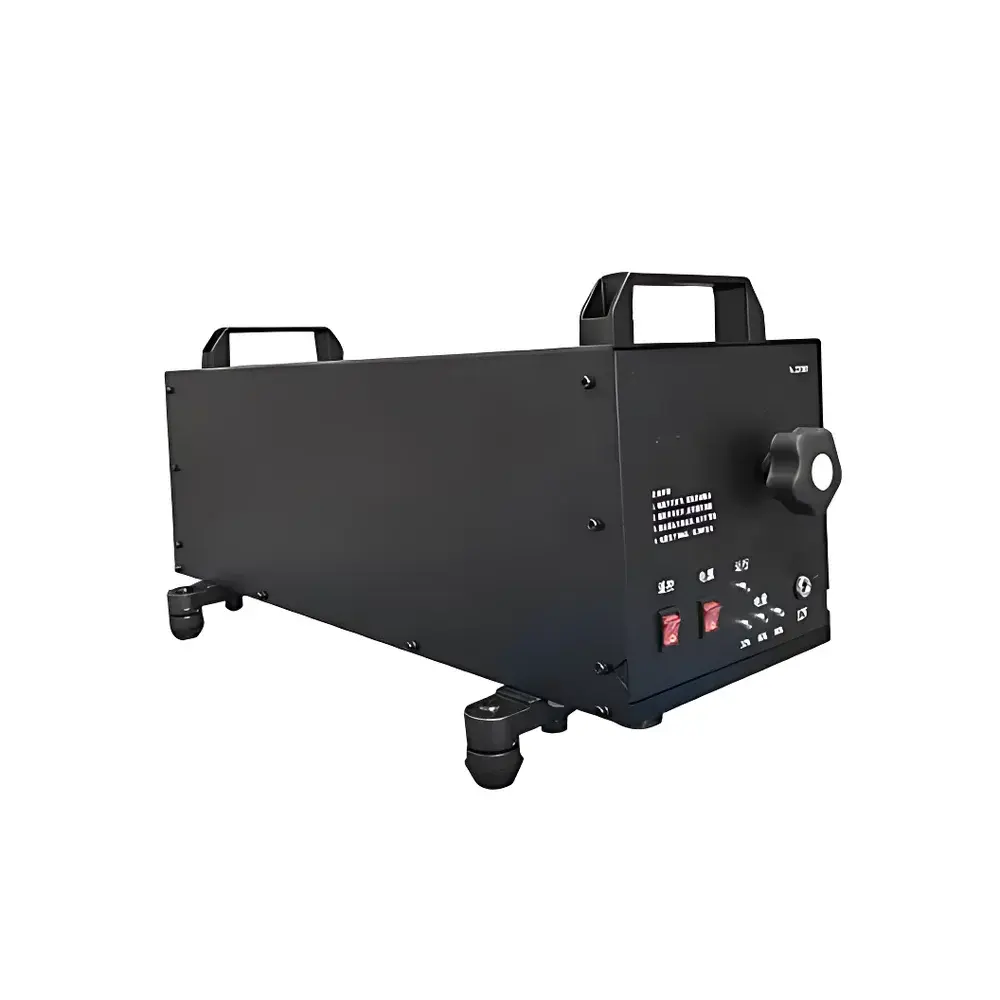
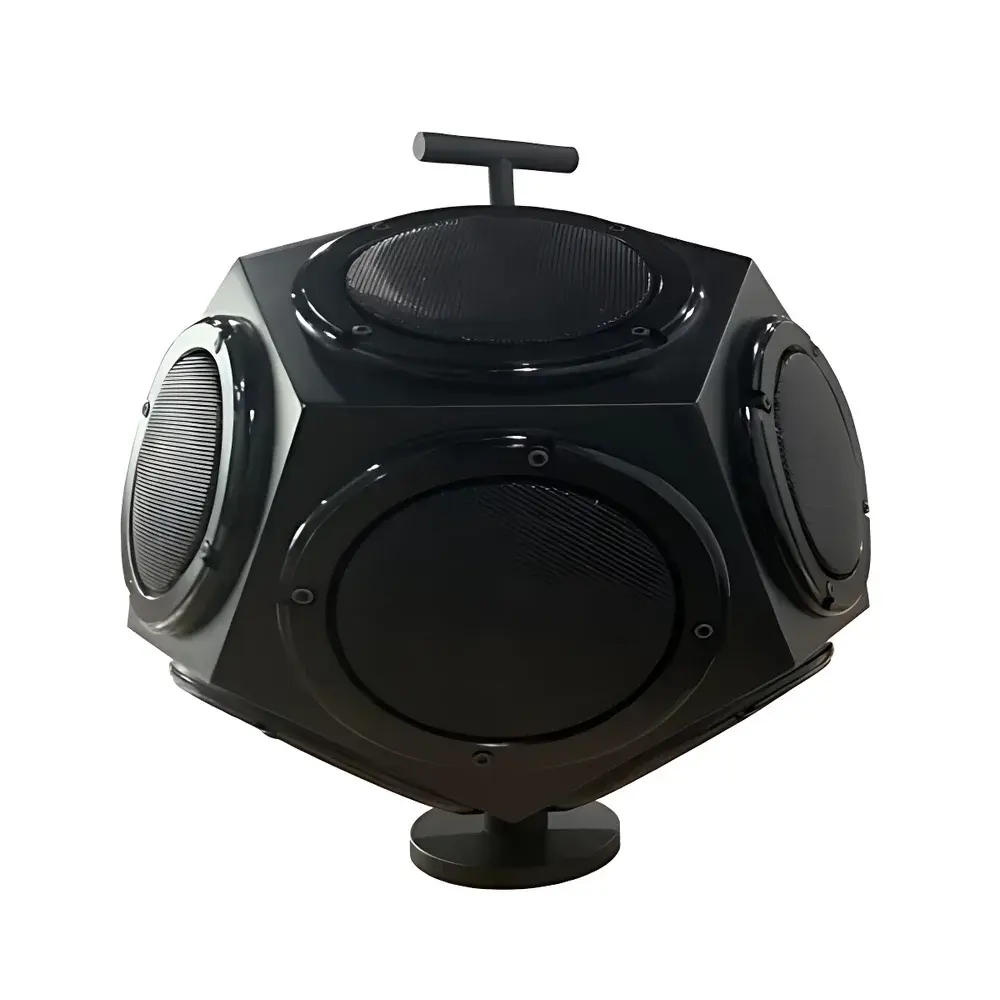
- Integrated hardware ecosystem: Includes iSV1101 Class 1 sound level meter modules, AWA5510A omnidirectional dodecahedral sound source (120 dB maximum sound power level), AWA5870W 500 W RMS wireless power amplifier, AWA5560A standard impactor (14 kg mass), and AWA6021A Class 1 acoustic calibrator.
- Field-optimized power management: All sensor nodes operate >6 hours on rechargeable lithium-ion batteries; optional external power banks extend router and amplifier runtime in extended campaigns.
- Ruggedized deployment kit: Supplied with LF-AP1600 dual-band Wi-Fi repeater, tripod-mounted router tray, universal instrument mounting brackets, and shielded 10 m speaker cables for reliable operation in electrically noisy construction environments.
Sample Compatibility & Compliance
The AHAI1002 system is validated for use with common building materials and assemblies—including concrete slabs, gypsum board partitions, double-glazed windows, floating floors, and acoustic ceiling systems. It supports full compliance with GB/T 50121-2005 (Building Sound Insulation Evaluation Standard) and all parts of GB/T 19889 (equivalent to ISO 140 series): Part 3 (lab airborne sound insulation), Part 4 (field airborne sound insulation), Part 5 (facade sound insulation), Part 6 (impact sound lab measurement), Part 7 (impact sound field measurement), and Part 8 (reverberation time). Data acquisition workflows meet GLP-aligned documentation requirements, including timestamped raw waveform logging, calibration verification logs, and operator identity tagging—supporting audit readiness for third-party certification bodies.
Software & Data Management
Control and analysis are executed via two dedicated software platforms installed on the included Xiaomi Pad 4 Plus: (1) “Noise Assistant” provides real-time statistical analysis (LAeq, LAFmax, LCPeak), 1/1-octave and 1/3-octave band spectral analysis per ISO 18405, and FFT-based impulse response extraction; (2) “Wireless Building Acoustics Software” automates standardized test sequences per GB/T 19889, computes weighted sound reduction index (Rw), normalized impact sound pressure level (L’n,w), and reverberation time (T30), and exports reports in PDF and CSV formats. All software modules implement local data storage with optional encrypted cloud backup; no telemetry or remote access functionality is embedded—ensuring full data sovereignty and alignment with ISO/IEC 27001-informed information security practices.
Applications
- On-site verification of acoustic performance for LEED, Green Star, and China Green Building Label certification projects.
- Pre-completion testing of residential and hotel developments to verify compliance with local noise ordinances and design specifications.
- Forensic acoustics investigations into complaint-driven airborne or impact noise transmission between dwellings.
- Research-grade characterization of novel acoustic metamaterials, resilient channels, and decoupled structural details in university and industry laboratories.
- Commissioning support for HVAC noise control, façade integration, and auditorium or classroom acoustic tuning.
FAQ
Does the AHAI1002 support FDA 21 CFR Part 11 or EU Annex 11 compliance?
No—this system is not designed for regulated pharmaceutical or clinical environments. It does not include electronic signature capability, audit trail generation, or role-based access control as defined in those frameworks.
Can the system perform real-time octave analysis during impact testing?
Yes—1/1-octave and 1/3-octave band analysis is performed in real time during both airborne and impact excitation sequences, with band-limited energy integration aligned to ISO 140-6 and GB/T 19889.7.
What is the maximum allowable distance between wireless microphones and the Wi-Fi access point?
Under line-of-sight indoor conditions, stable synchronization is maintained up to 30 m; with the optional LF-AP1600 repeater, coverage extends to 60 m in typical reinforced-concrete structures.
Is third-party calibration certificate included with delivery?
Each iSV1101 microphone module ships with a factory calibration certificate traceable to NIM (National Institute of Metrology, China); full-system calibration verification is recommended annually using the supplied AWA6021A Class 1 calibrator.
Can raw time-domain data be exported for post-processing in MATLAB or Python?
Yes—unprocessed 24-bit PCM WAV files (48 kHz sampling) are stored locally on the tablet and can be extracted via USB or file-sharing protocols for external spectral or machine-learning analysis.
Related Products







