
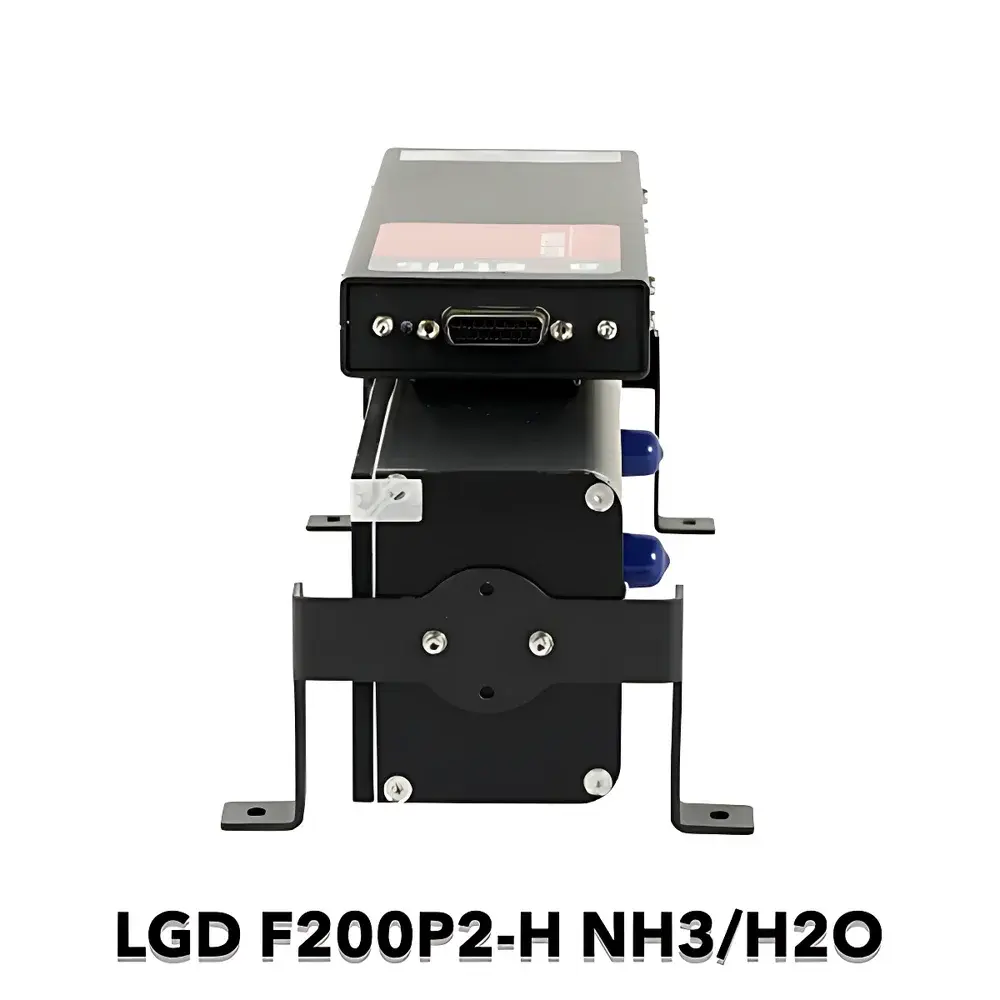
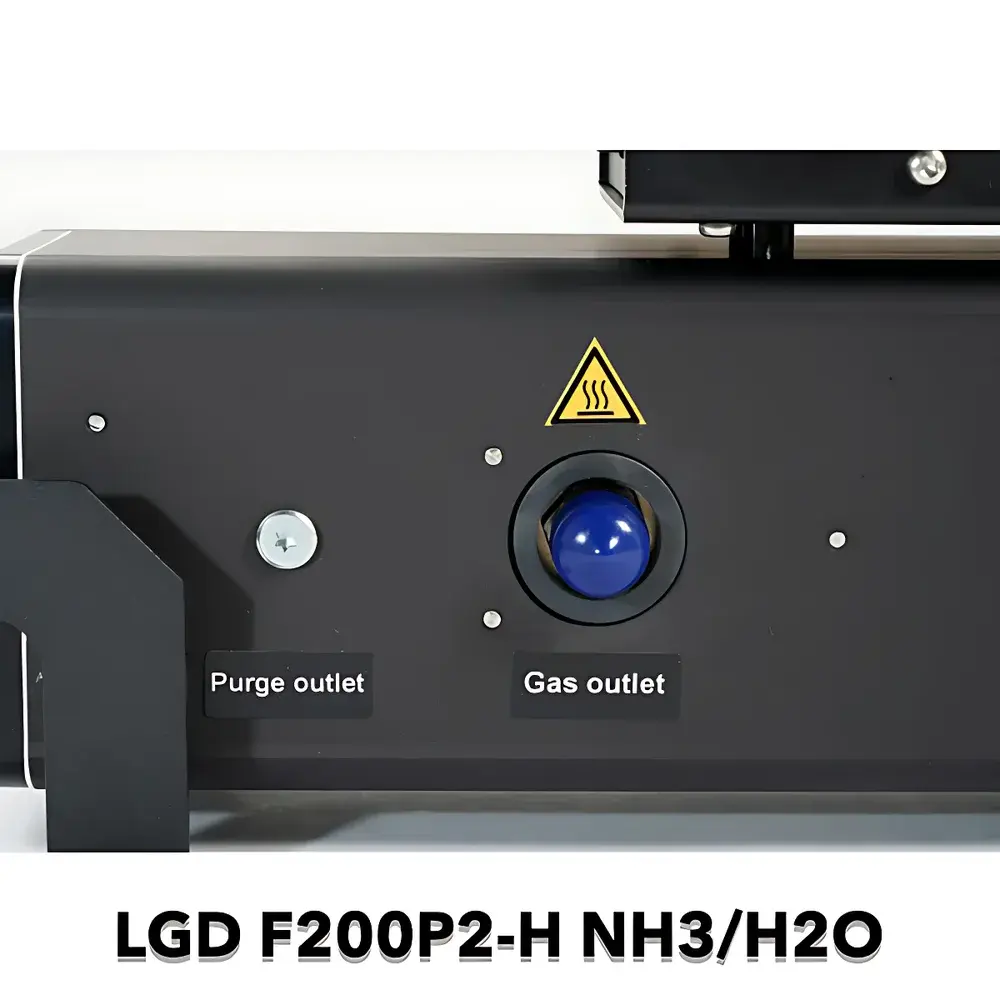
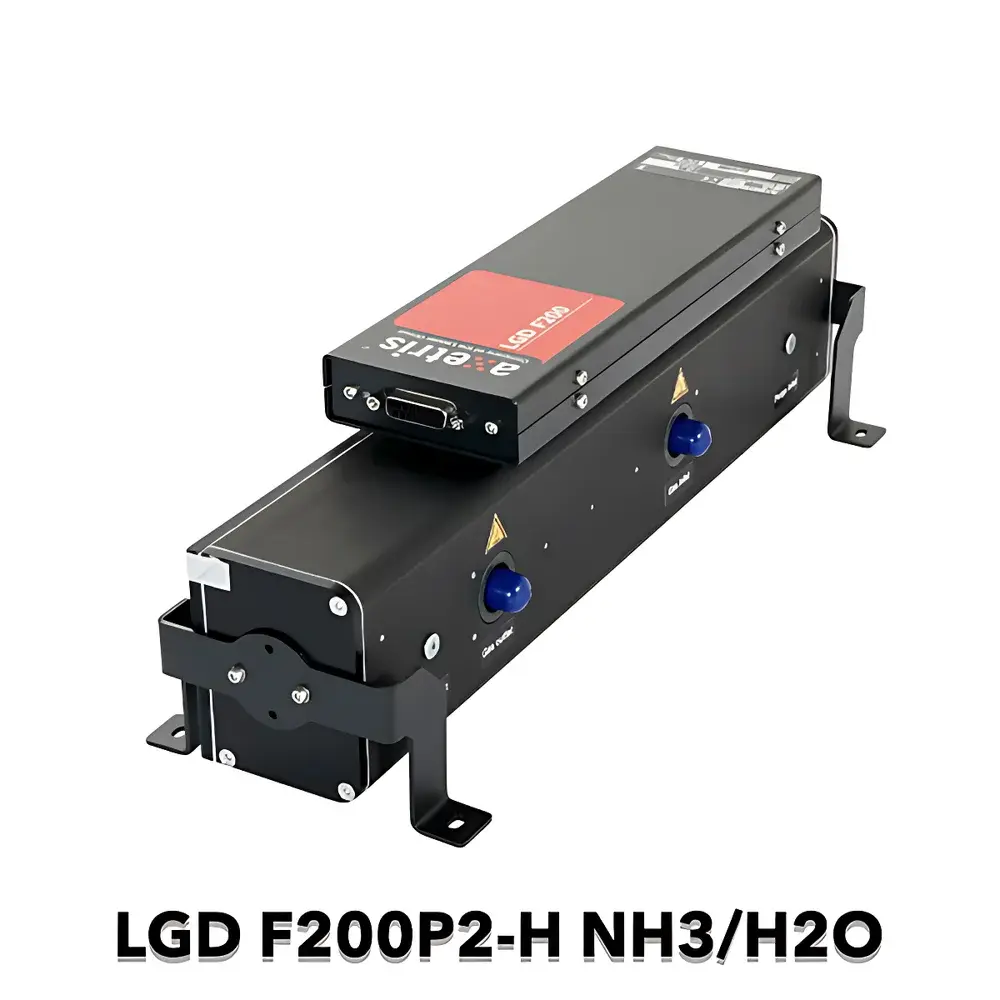
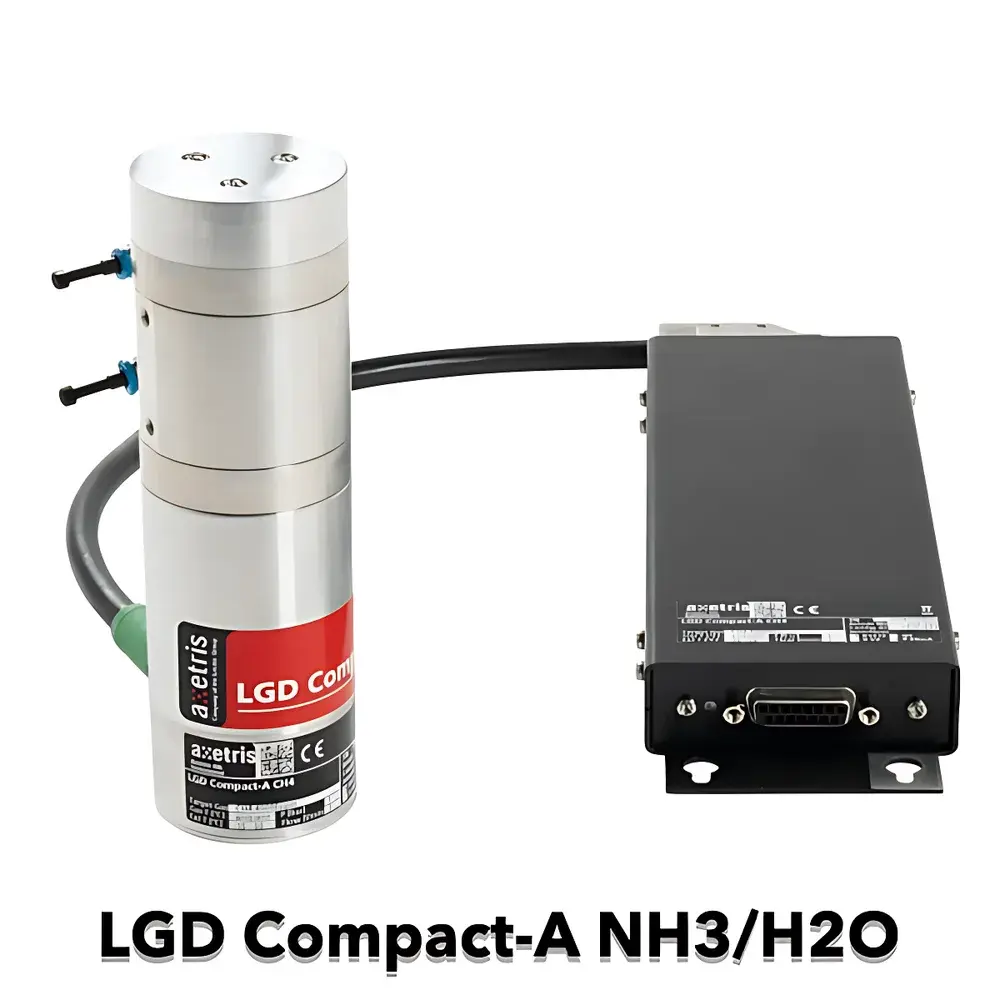
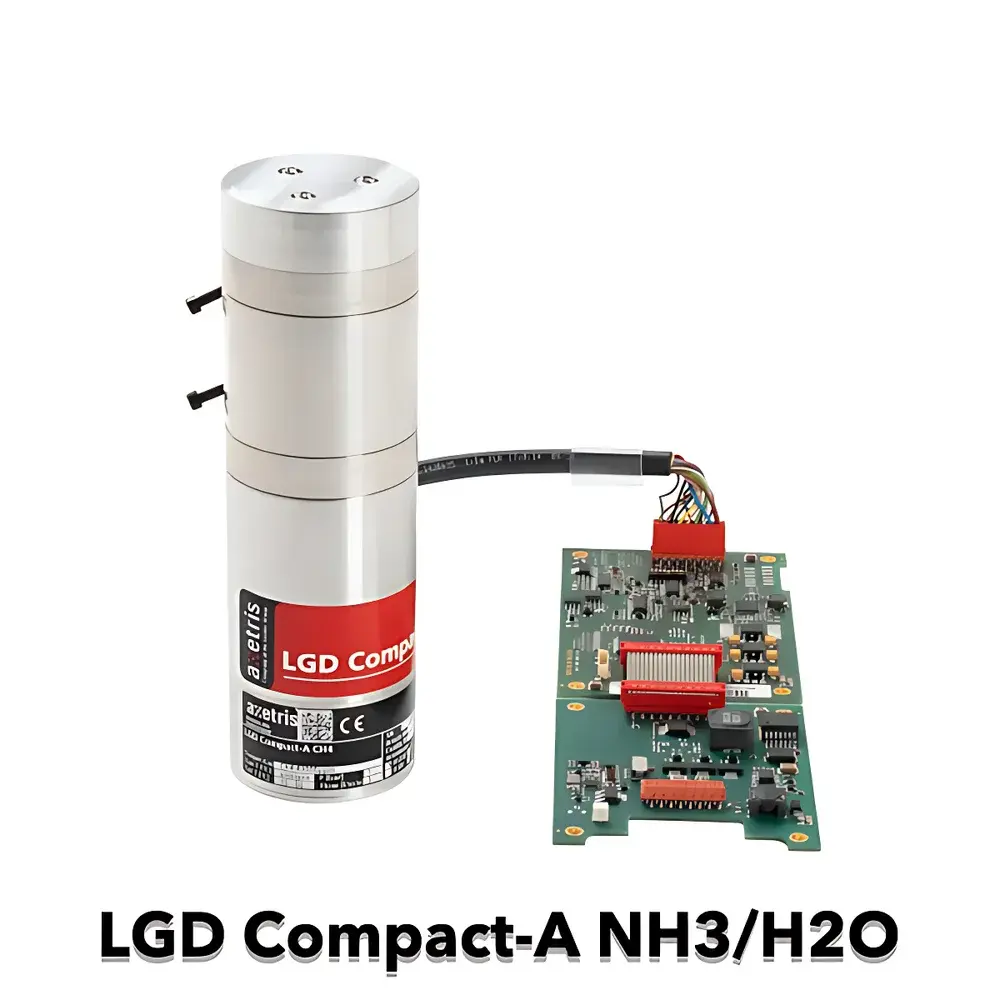
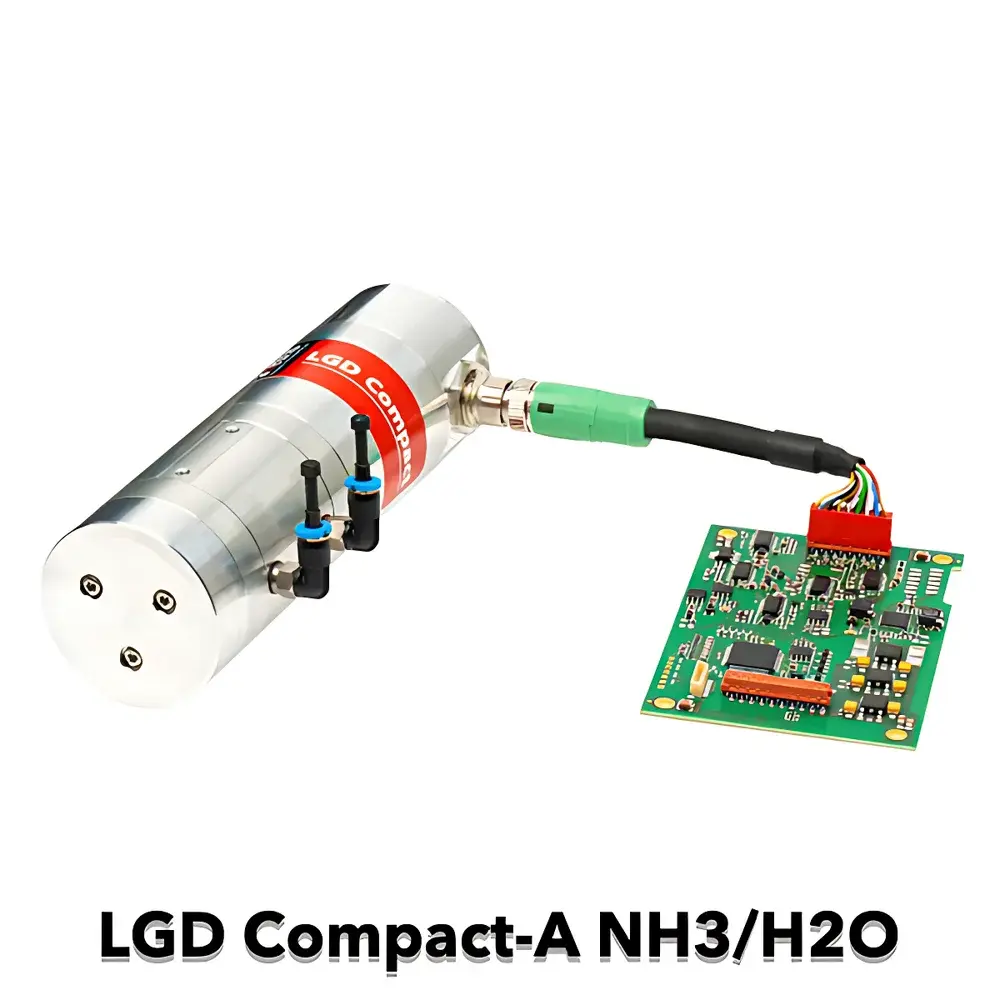
Axetris LGD NH3 Series Tunable Diode Laser Absorption Spectroscopy (TDLAS) Ammonia Gas Detection Module
| Brand | Axetris |
|---|---|
| Origin | Switzerland |
| Model | LGD NH3 Series |
| Type | OEM-integrated online gas detection module |
| Detection Principle | Tunable Diode Laser Absorption Spectroscopy (TDLAS) |
| Target Gas | NH₃ (Ammonia) |
| Also Detects | H₂O, HCl (configurable) |
| Design | Modular, self-contained optical sensor unit |
| Calibration | Factory-calibrated |
| Response Time | <1 s (T₉₀) |
| Operating Temperature Range | –20 °C to +60 °C (standard) |
| high-temp option | up to 190 °C or 220 °C (heated probe variant) |
| Output Interface | Analog (4–20 mA, 0–10 V), digital (RS-485, Modbus RTU), optional Ethernet/IP or CAN bus |
| Enclosure Rating | IP65 (standard) |
| Compliance | CE, RoHS, EMC Directive 2014/30/EU |
| Software Support | Axetris LGD Configuration & Monitoring Suite (Windows/Linux) |
Overview
The Axetris LGD NH3 Series is a compact, OEM-optimized tunable diode laser absorption spectroscopy (TDLAS) gas detection module engineered for continuous, selective, and interference-free measurement of ammonia (NH₃) in industrial and environmental applications. Unlike conventional electrochemical or metal-oxide semiconductor sensors, the LGD NH3 employs near-infrared (NIR) laser absorption at precisely targeted molecular absorption lines—specifically the strong, isolated ro-vibrational transition of NH₃ near 1512 nm. This spectral selectivity ensures negligible cross-sensitivity to common background gases (e.g., CO₂, CH₄, H₂O vapor, NOₓ), eliminating the need for physical reference cells, frequent recalibration, or complex compensation algorithms. The module operates on a direct absorption principle with an integrated dual-beam optical path (measurement + internal reference), delivering high signal-to-noise ratio and long-term baseline stability under dynamic process conditions.
Key Features
- Modular OEM architecture: Designed as a plug-and-play optical sensing core—no external optics, alignment tools, or optical tables required.
- True non-contact measurement: Laser beam passes through the sample gas stream without physical contact, ensuring zero sensor poisoning or drift from particulates, condensables, or corrosive species.
- High selectivity & specificity: Exploits narrow-linewidth DFB laser scanning across NH₃’s fundamental absorption line—validated against ISO 14687 and ASTM D6348 test protocols for trace gas quantification.
- Rapid response: T₉₀ ≤ 1 second enables real-time closed-loop control in SCR deNOₓ systems and combustion optimization loops.
- Robust thermal design: Standard version rated for ambient operation (–20 °C to +60 °C); heated variants support in-situ installation in hot-stack or high-humidity environments (up to 190 °C or 220 °C probe tip temperature).
- Low total cost of ownership: No consumables, no calibration gases, no routine optical maintenance—field lifetime exceeds 10 years with >98% uptime.
Sample Compatibility & Compliance
The LGD NH3 module is compatible with extractive and in-situ sampling configurations—including multipath cells (for ppm-level detection), single-pass duct-mounted probes (for %-level monitoring), and bypass stream analyzers. It meets stringent requirements for industrial safety and regulatory compliance: certified to IEC 61508 SIL2 for functional safety applications, compliant with EN 14181 (QAL1/QAL3) for continuous emission monitoring systems (CEMS), and validated per EPA Method 320 for NH₃ stack testing. Its optical design inherently satisfies GLP/GMP data integrity expectations—raw absorbance spectra, laser current/voltage telemetry, and temperature-compensated concentration outputs are timestamped and exportable for audit trails. The module supports 21 CFR Part 11–compliant software logging when integrated with Axetris’ LGD Configuration Suite.
Software & Data Management
Axetris provides the LGD Configuration & Monitoring Suite—a platform-independent application for setup, diagnostics, real-time visualization, and firmware updates. The software enables spectral validation (peak shape, SNR, baseline flatness), automatic water vapor compensation (when co-measuring H₂O), and configurable alarm thresholds with hysteresis. All communication interfaces (RS-485/Modbus RTU, 4–20 mA, optional Ethernet/IP) support integration into DCS, SCADA, and cloud-based IIoT platforms (e.g., Siemens MindSphere, PTC ThingWorx). Raw spectral data (16-bit resolution, 100 Hz sampling) and processed NH₃ concentration values (ppm or mg/m³, NTP/STP normalized) are logged with UTC timestamps and device metadata—enabling traceability for QA/QC reporting and regulatory submissions.
Applications
- Process Control: Real-time NH₃ slip monitoring in Selective Catalytic Reduction (SCR) systems; stoichiometric dosing feedback in waste incineration and cement kilns; ammonia injection control in coal-fired power plants.
- Emission Monitoring: CEMS-compliant NH₃ reporting for EPA 40 CFR Part 60, EU IED Annex VIII, and China’s HJ 1013–2018 standards; engine-out NH₃ quantification during heavy-duty vehicle RDE testing.
- Environmental Monitoring: Fugitive emission detection at livestock barns and manure storage facilities; landfill leachate gas analysis; agricultural ammonia flux studies using eddy covariance setups.
- Safety & Leak Detection: Zone 1/21-rated installations for refrigeration plant leak surveillance; toxic gas warning in fertilizer production and chemical synthesis units.
- Controlled Environment Monitoring: Precision NH₃ management in poultry houses, swine confinement systems, and vertical farming HVAC networks—supporting animal welfare KPIs and odor mitigation strategies.
FAQ
Does the LGD NH3 module require periodic calibration with span gas?
No. It is factory-calibrated using NIST-traceable NH₃ standards and relies on fundamental spectroscopic constants. Zero and span verification can be performed optically (using certified neutral density filters) or via synthetic gas challenge—but routine calibration is not required per ISO 14034 or EN 15267-3.
Can the same module detect multiple gases simultaneously?
Yes—by configuring multi-wavelength laser stacks or time-multiplexed scanning, the LGD platform supports concurrent NH₃ + H₂O + HCl measurement within a single optical path. Custom wavelength combinations are available upon request.
Is the module suitable for high-dust or high-moisture flue gas streams?
When deployed with heated probe assemblies (190 °C/220 °C) and purge air collars, the LGD NH3 maintains optical clarity and measurement fidelity in wet, particulate-laden streams typical of biomass boilers and municipal waste incinerators—validated per VDI 3950 Blatt 2 guidelines.
What certifications does the module hold for hazardous area use?
Standard units carry ATEX Category 3G (Zone 2) and IECEx certification. Intrinsically safe (IS) variants with Ex ia IIC T4 Ga rating are available for Zone 0/20 deployment.
How is temperature and pressure compensation handled?
Onboard Pt100 sensor and absolute pressure transducer feed real-time T&P data to the embedded microcontroller, which applies ideal gas law and line-strength temperature dependence corrections—ensuring accuracy across ±10 kPa and ±20 °C operational deviations from calibration conditions.
Related Products







