
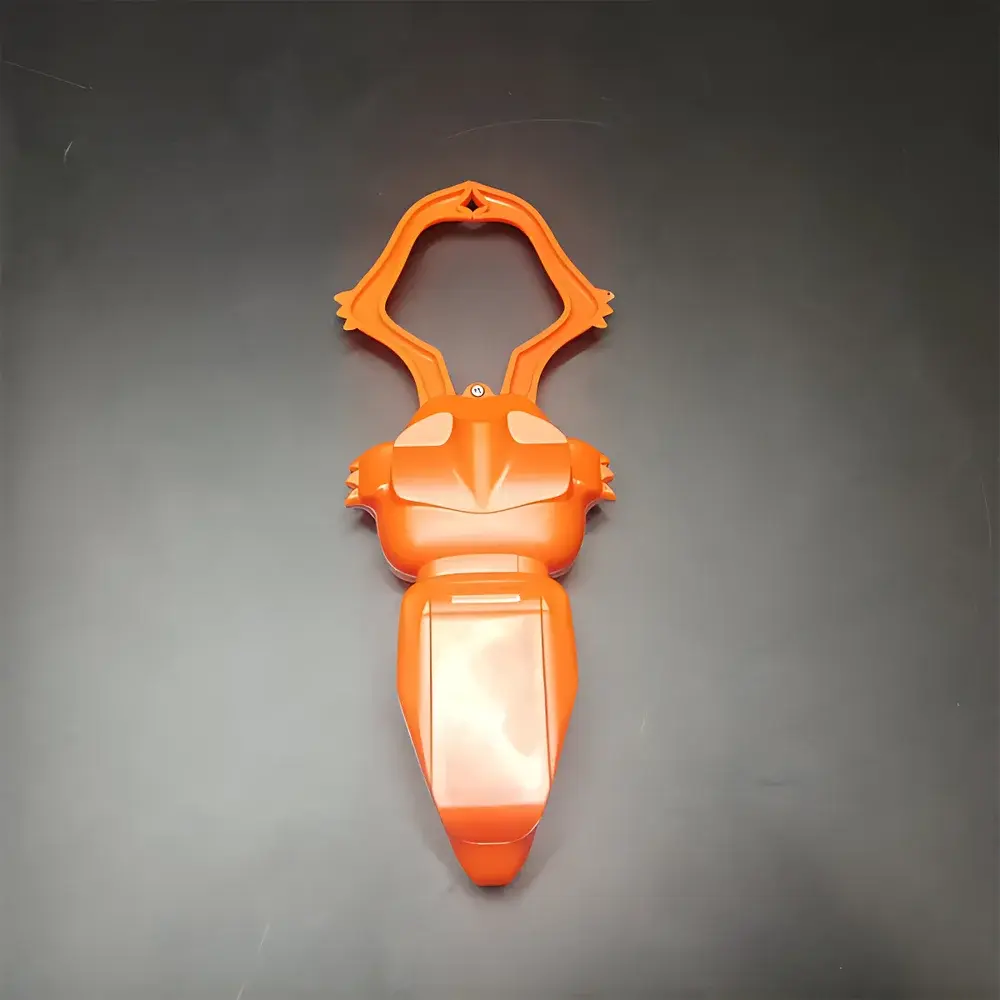
Backyard Brains The Claw Electrophysiology-Controlled Robotic Hand
| Brand | Backyard Brains |
|---|---|
| Origin | USA |
| Manufacturer Type | Authorized Distributor |
| Origin Category | Imported |
| Model | The Claw |
| Pricing | Upon Request |
| Sampling Rate | 10 kHz |
| Frequency Bandwidth | 100 Hz – 1 kHz |
| Power Supply | 9 V battery (approx. 8 hours runtime) |
| Auto-Shutdown | After 10 minutes of inactivity |
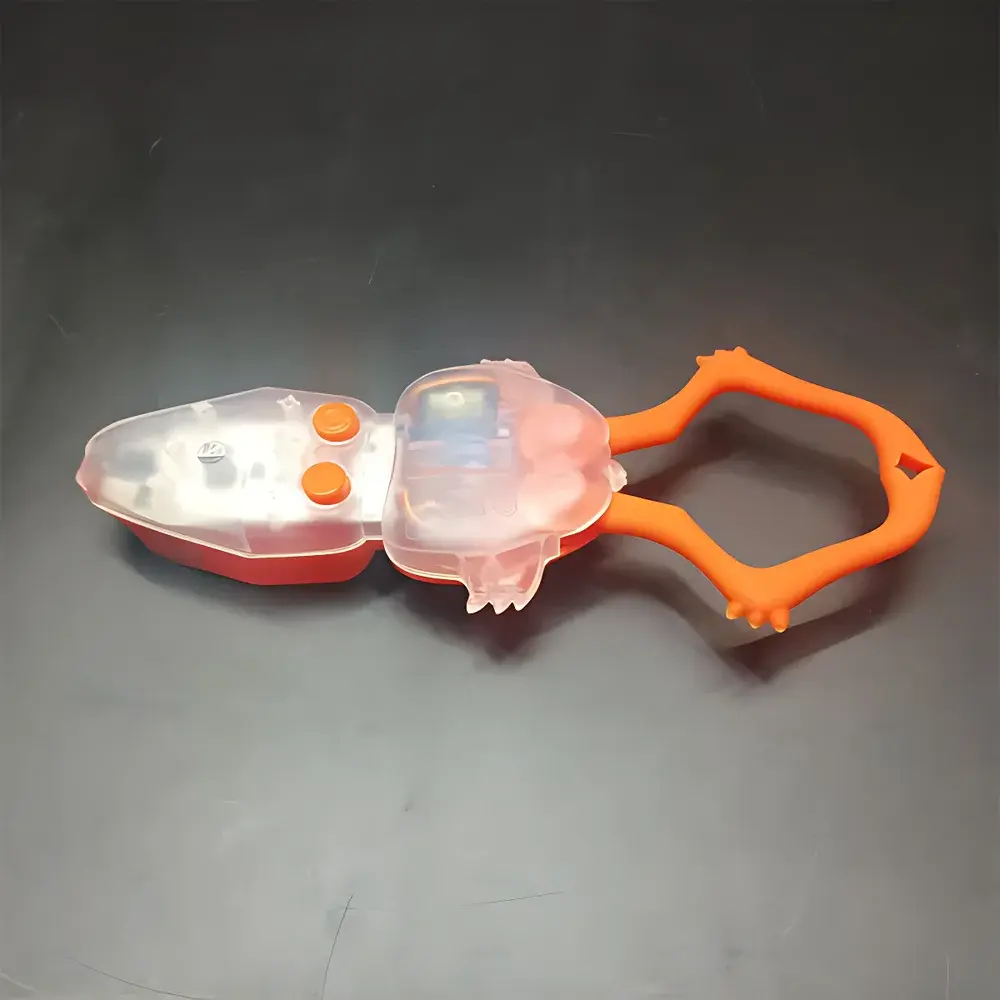
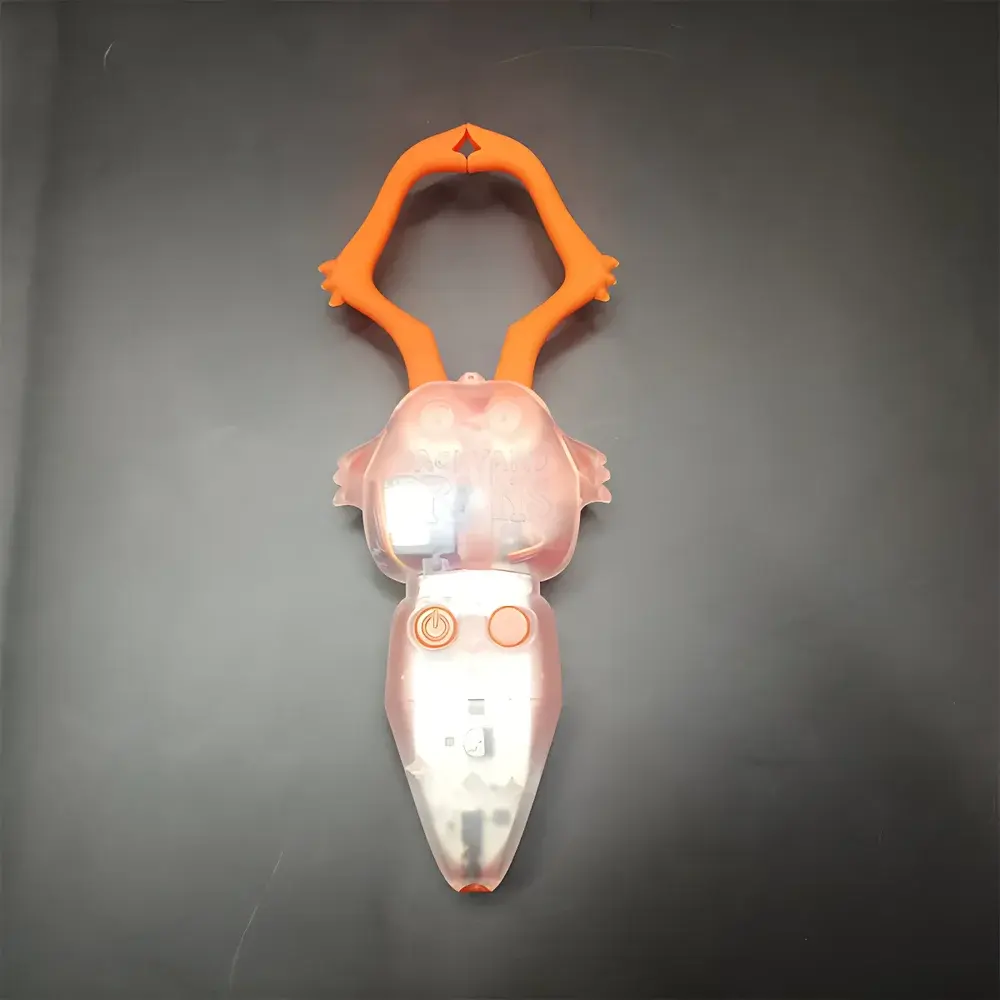
| Control Interface | Toggle switch for open/close position |
| Biofeedback | 6-level LED intensity indicator |
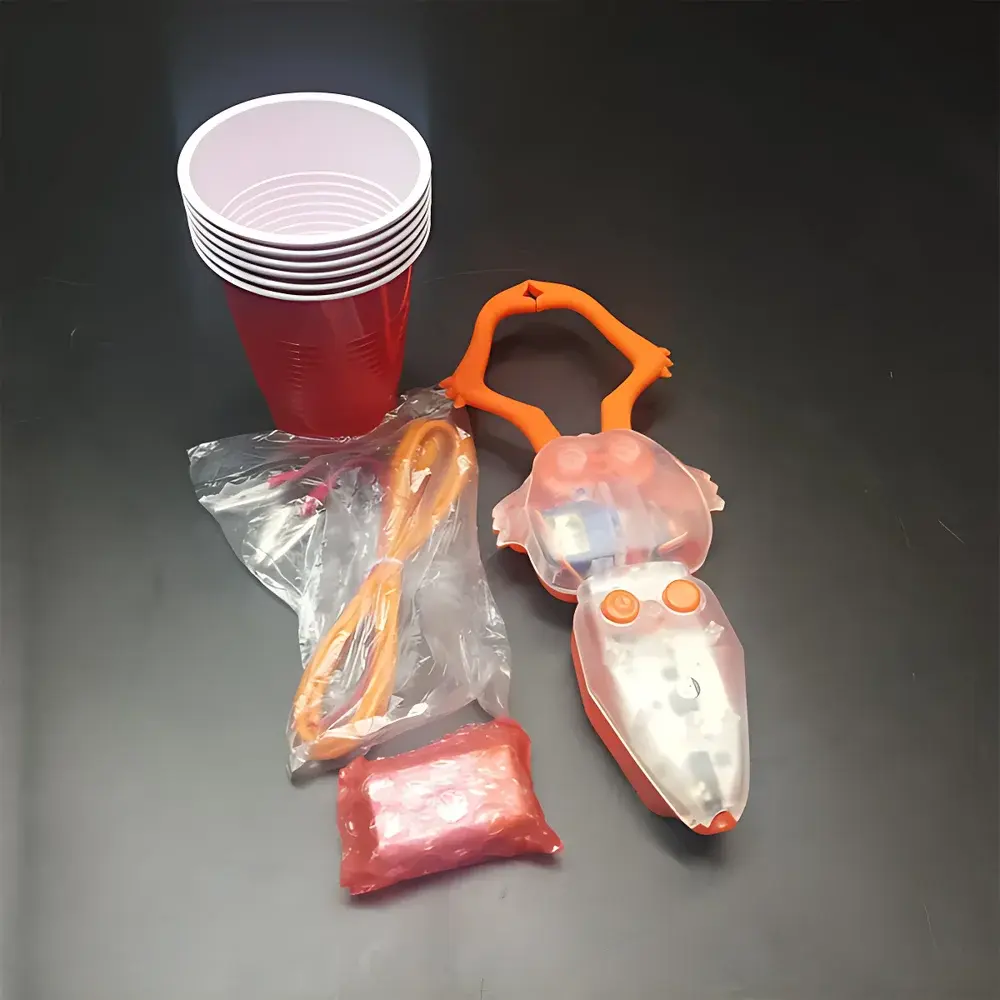
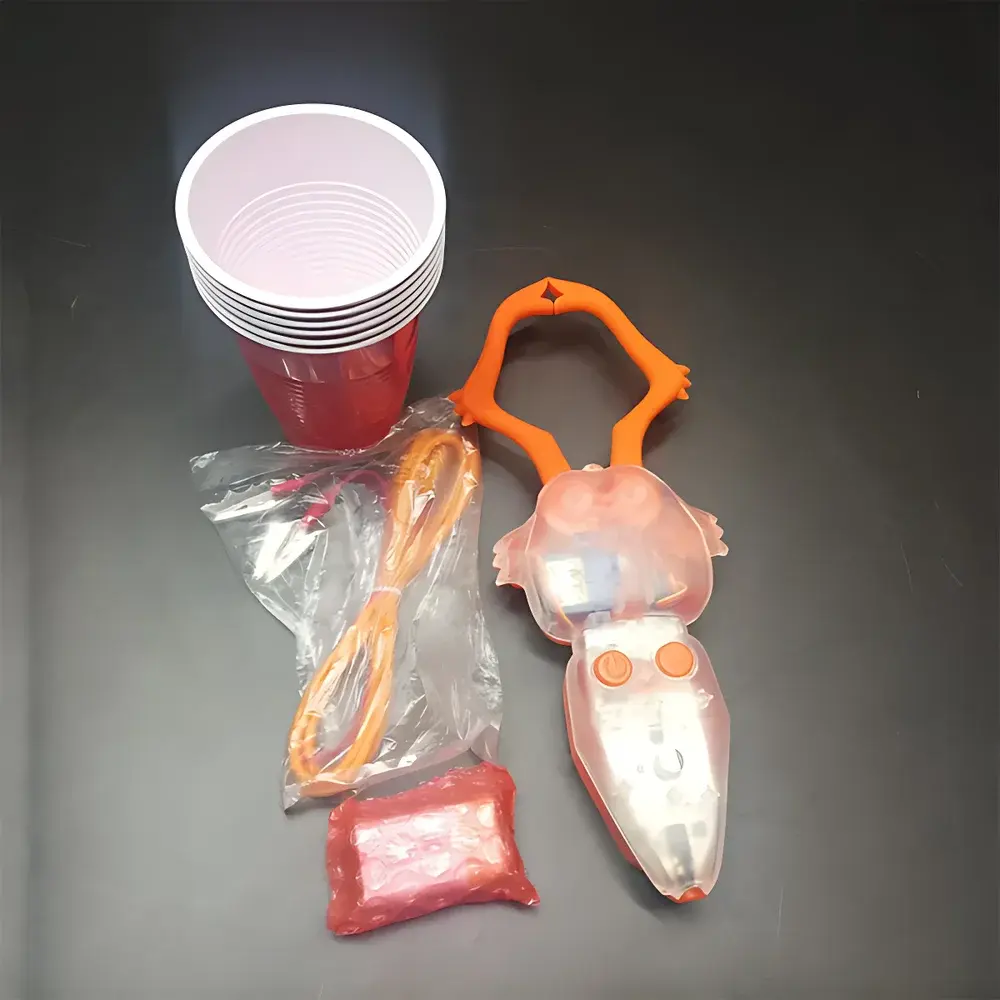
| EMG Input | Standardized bipolar EMG input port (orange cable, red/black alligator clips) |
Overview
The Backyard Brains The Claw is a pedagogically engineered electrophysiology-controlled robotic hand designed to demonstrate the foundational principles of neuromuscular signal transduction, real-time bioelectric interfacing, and neuroprosthetic control. Operating on the principle of surface electromyography (sEMG), the device captures voluntary muscle action potentials from the flexor and extensor muscles of the forearm via non-invasive, disposable Ag/AgCl electrodes. These raw analog signals—band-limited to 100 Hz–1 kHz and digitized at 10 kHz—are amplified, filtered, and translated into proportional actuation commands for a servo-driven mechanical gripper. Unlike research-grade clinical neuroprostheses, The Claw prioritizes signal transparency and educational observability: users directly observe the temporal coupling between volitional muscle contraction, EMG amplitude modulation, LED-based biofeedback, and corresponding gripper kinematics. This closed-loop paradigm serves as an accessible entry point into electrophysiological signal acquisition, neural coding interpretation, and bidirectional human-machine interaction—core competencies in modern neuroengineering curricula.
Key Features
- Real-time sEMG-driven actuation: Converts user-generated myoelectric activity into proportional grip force and angular displacement, enabling intuitive, latency-optimized motor control without external programming.
- 6-level visual biofeedback: Integrated LED array provides immediate, quantized feedback of processed EMG envelope amplitude—supporting iterative skill acquisition in signal modulation and fatigue-aware control strategies.
- Standardized bipolar EMG interface: Compatible with third-party sEMG amplifiers (e.g., BB’s SpikerBox Pro, ADInstruments PowerLab, or any device delivering ±1 V differential output) via universal orange cable with color-coded alligator clips (red = active electrode, black = reference).
- Low-barrier operational design: Single-button power activation, tactile toggle switch for default open/close state selection, and plug-and-play electrode connectivity reduce setup time and cognitive load—ideal for classroom deployment and outreach demonstrations.
- Robust educational architecture: Enclosure engineered for repeated handling by K–12 and undergraduate learners; no firmware updates or software installation required; fully functional with battery-only operation.
Sample Compatibility & Compliance
The Claw interfaces exclusively with human skeletal muscle tissue under voluntary control. Electrode placement follows standard anterior forearm sEMG protocols: active electrode over the belly of the flexor carpi radialis or extensor digitorum, reference electrode over the ulnar styloid or dorsal hand. All disposable electrodes comply with ISO 14155:2020 for non-invasive biomedical signal acquisition. While not certified for clinical diagnosis or therapeutic use, the device adheres to IEC 62304 Class A software safety requirements (where applicable) and meets FCC Part 15 Subpart B electromagnetic compatibility standards for unlicensed intentional radiators. It is intended for instructional and experimental use only—not for medical, diagnostic, or life-support applications.
Software & Data Management
The Claw operates as a standalone hardware module with no embedded microcontroller firmware or proprietary software dependency. Signal processing occurs entirely in analog domain (amplification, bandpass filtering, rectification, smoothing), ensuring deterministic latency (<15 ms end-to-end) and eliminating digital artifacts common in USB-dependent systems. For quantitative analysis, users may route the raw EMG output (via optional BNC breakout) to external data acquisition systems compliant with IEEE 11073-10404 (PHD) or ASTM F2965-15 (standard guide for sEMG instrumentation). Audit trails, calibration logs, and session metadata must be maintained externally per GLP-aligned lab practices; the device itself does not store data or support FDA 21 CFR Part 11 electronic signature functionality.
Applications
- K–12 STEM education: Demonstrates cross-disciplinary integration of biology (neuromuscular physiology), physics (signal transduction, torque mechanics), and engineering (control theory, mechatronics) through inquiry-based labs aligned with NGSS MS-LS1-8 and HS-LS1-2.
- Undergraduate neuroscience laboratories: Supports experiments in motor unit recruitment thresholds, EMG amplitude–force relationships, fatigue kinetics, and adaptive control learning curves—complementing standard nerve conduction or patch-clamp modules.
- Public science engagement: Used in museum exhibits, maker fairs, and university open houses to visualize “thought-controlled” movement—stimulating discourse on neuroethics, accessibility technology, and the biological basis of agency.
- Prototyping scaffold: Serves as a validated mechanical endpoint for custom sEMG signal processing pipelines developed in MATLAB, Python (SciPy/Neo), or LabVIEW environments.
FAQ
Is The Claw suitable for individuals with upper-limb mobility impairments?
The device requires intact voluntary forearm muscle function to generate detectable sEMG. It is not intended as an assistive prosthesis but rather as a teaching tool to model how such systems operate.
Can I record and export raw EMG data from The Claw?
Yes—the device provides an unprocessed analog EMG output port (BNC adapter sold separately) compatible with most benchtop DAQ systems for time-series acquisition and spectral analysis.
What is the maximum grip force and jaw opening width?
The servo-driven gripper delivers ~0.8 N of static holding force at full actuation and achieves a maximum aperture of 42 mm—sufficient for grasping standard laboratory objects (e.g., plastic cups, foam blocks) during classroom challenges.
Are replacement electrodes and batteries commercially available?
All consumables—including Ag/AgCl electrode patches (ISO 10993-compliant), 9 V alkaline batteries, and orange interface cables—are stocked globally through Backyard Brains’ authorized distribution network and carry CE/UKCA marking for educational use.





