BCC MGA-3000 Medical Oxygen Analyzer (Paramagnetic Type)
| Brand | BCC |
|---|---|
| Origin | Hebei, China |
| Model | MGA-3000 |
| Sensor Type | Paramagnetic |
| O₂ Range | 0–100% vol |
| O₂ Resolution | 0.01% vol |
| O₂ Accuracy | ±1% FS |
| CO Range | 0–10 ppm |
| CO Resolution | 0.01 ppm |
| CO Accuracy | ±2% FS |
| CO₂ Range | 0–500 ppm |
| CO₂ Resolution | 0.1 ppm |
| CO₂ Accuracy | ±2% FS |
| Dew Point Temperature Range | −50 to +100 °C |
| Dew Point Resolution | 0.1 °C |
| Dew Point Accuracy | ±0.5 °C |
| Barometric Pressure Range | 50–110 kPa |
| Pressure Resolution | 0.01 kPa |
| Pressure Accuracy | ±0.5 kPa |
| Zero Drift | ≤2% FS |
| Span Drift | ≤±2% FS |
| Data Storage | Scheduled auto-storage |
| Analog Output | 4–20 mA |
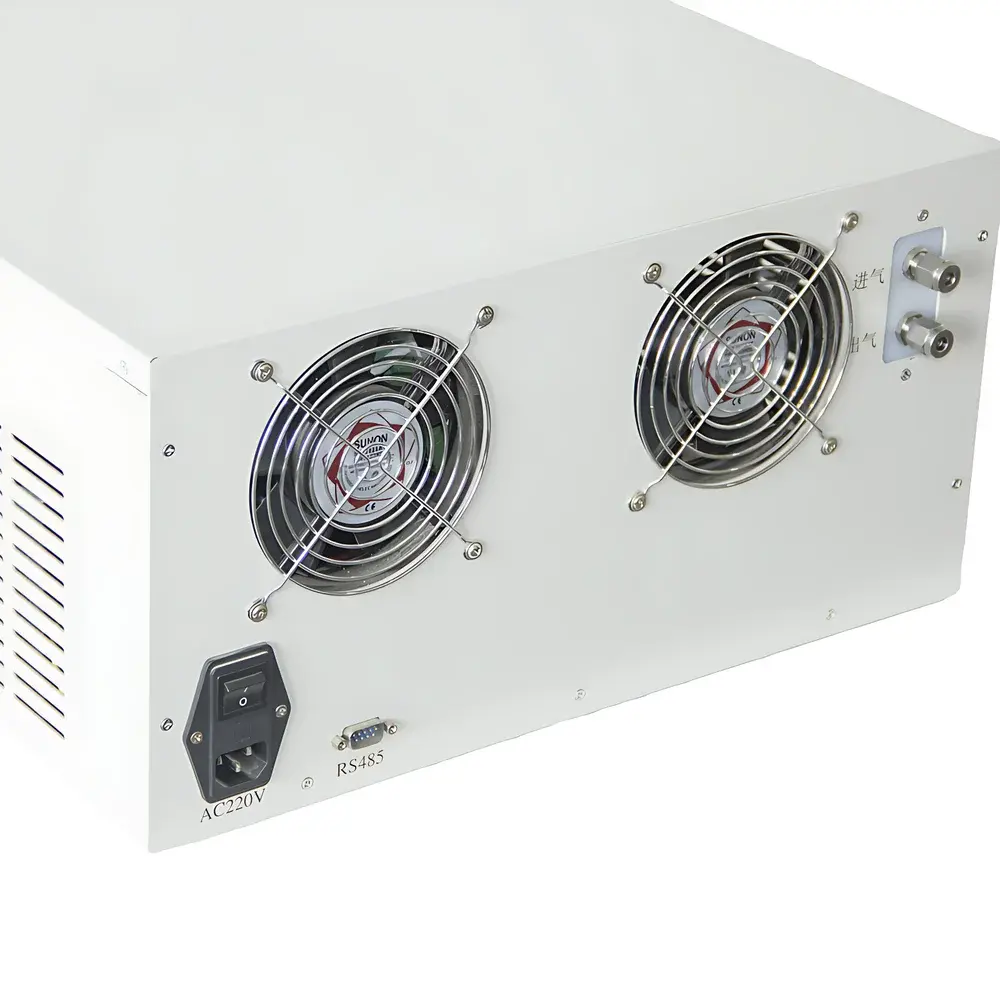
| Digital Interfaces | RS232 / RS485 / USB / Ethernet |
Overview
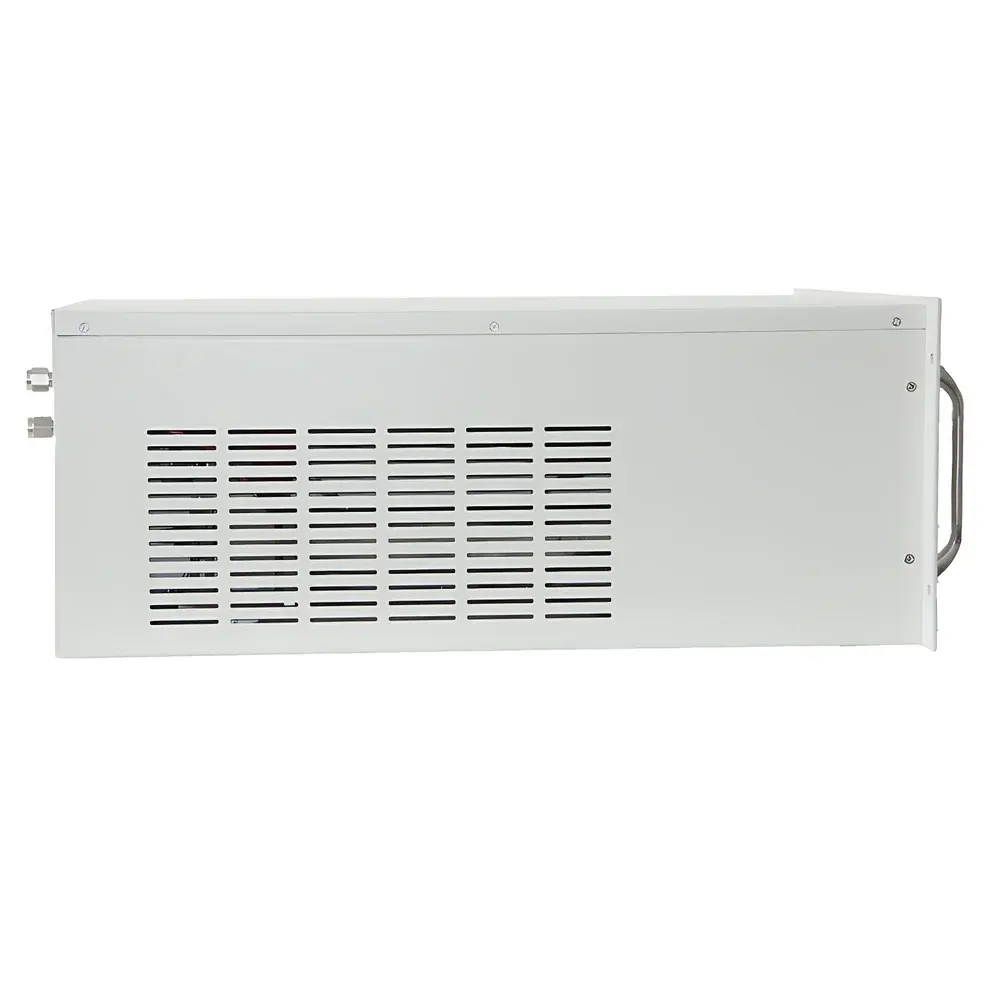
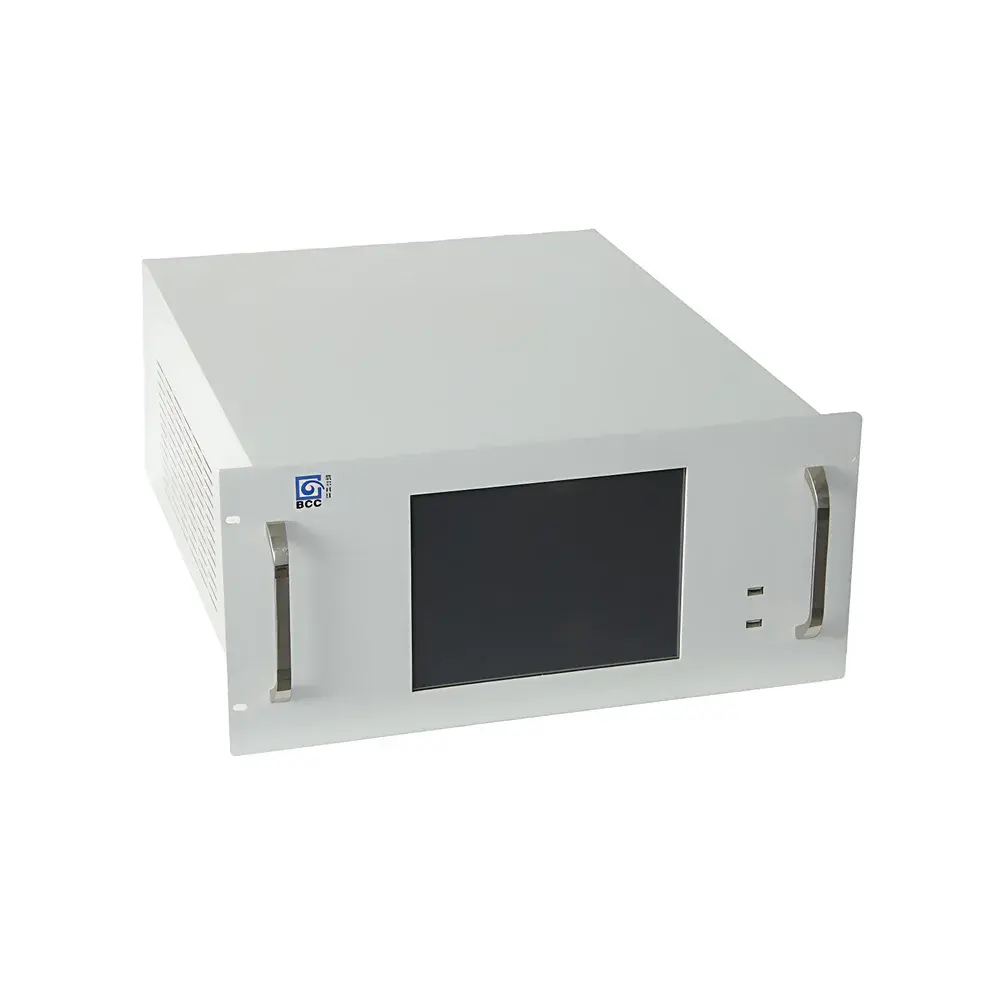
The BCC MGA-3000 Medical Oxygen Analyzer is a dedicated paramagnetic oxygen measurement system engineered for high-reliability, continuous monitoring of oxygen concentration in medical-grade breathing gas streams. Leveraging the fundamental physical principle of paramagnetism—where molecular oxygen exhibits strong, temperature-dependent magnetic susceptibility—the instrument delivers inherently stable and selective detection without chemical consumption or sensor poisoning. Unlike electrochemical or zirconia-based analyzers, the paramagnetic method provides direct, absolute measurement of O₂ partial pressure, eliminating calibration drift associated with reference gas dependency or electrode aging. Designed specifically to meet the stringent purity requirements defined in GB/T 8982–2009 “Medical and Aviation Breathing Oxygen”, the MGA-3000 ensures trace-level quantification of critical impurities—including carbon monoxide (CO), carbon dioxide (CO₂), dew point temperature, and ambient barometric pressure—within a single integrated platform. Its compact, lightweight chassis supports wall-mount, panel-mount, or portable deployment in hospital central gas supply rooms, pharmaceutical cleanrooms, medical gas manufacturing facilities, and ISO-certified packaging lines.
Key Features
- Paramagnetic oxygen sensing core offering inherent selectivity for O₂, free from cross-sensitivity to CO₂, hydrocarbons, or water vapor
- Simultaneous multi-parameter analysis: O₂ (0–100% vol), CO (0–10 ppm), CO₂ (0–500 ppm), dew point (−50 to +100 °C), and barometric pressure (50–110 kPa)
- High-resolution digital measurement: 0.01% vol for O₂, 0.01 ppm for CO, 0.1 ppm for CO₂, 0.1 °C for dew point, and 0.01 kPa for pressure
- Stability performance: zero drift ≤2% FS and span drift ≤±2% FS over 30 days under controlled environmental conditions
- Robust industrial architecture with IP65-rated enclosure, wide operating temperature range (5–45 °C), and non-condensing humidity tolerance up to 90% RH
- Configurable analog output (4–20 mA) and dual-mode digital communication (RS232/RS485 serial + USB + Ethernet) supporting Modbus RTU/TCP protocols
Sample Compatibility & Compliance
The MGA-3000 is validated for use with dry, particle-free medical oxygen streams compliant with ISO 8573-1 Class 1 compressed air specifications. Sample inlet pressure is maintained at ambient or slightly positive (≤100 kPa abs); no external sample conditioning (e.g., chillers or scrubbers) is required for standard applications. The analyzer conforms to GB/T 8982–2009 for verification of O₂ purity and impurity limits in clinical respiratory gases. While not certified to IEC 61010-1 or EN 61326-1 out-of-the-box, its electrical design adheres to safety principles aligned with those standards for laboratory and light-industrial environments. Data integrity features—including timestamped internal storage and audit-ready configuration logs—support alignment with GLP documentation practices and pre-audit readiness for GMP-regulated facilities.
Software & Data Management
The embedded firmware enables scheduled automatic data logging at user-defined intervals (1 s to 24 h), storing up to 100,000 records internally. All measurements are time-stamped with onboard real-time clock (RTC) and retain full metrological traceability. Communication via RS485 or Ethernet allows integration into SCADA, DCS, or MES platforms using standard Modbus registers. Optional PC software (Windows-compatible) provides real-time graphing, report generation (PDF/CSV), alarm configuration (threshold-based, latching/non-latching), and firmware update capability. Data export supports 21 CFR Part 11–compatible workflows when deployed with supplementary access control and electronic signature modules on host systems.
Applications
- Verification of oxygen purity during production, filling, and distribution of medical oxygen cylinders and liquid oxygen tanks
- In-line monitoring of oxygen concentration in hospital pipeline systems prior to delivery to anesthesia machines and ventilators
- Quality assurance testing of oxygen concentrators and portable O₂ generators used in home healthcare settings
- Validation of inert gas blanketing atmospheres where residual O₂ must be suppressed below 100 ppm in pharmaceutical vial sealing processes
- Environmental monitoring in hyperbaric oxygen therapy chambers requiring continuous O₂ partial pressure tracking
FAQ
Does the MGA-3000 require periodic calibration with certified gas standards?
Yes. While the paramagnetic sensor exhibits excellent long-term stability, initial commissioning and routine verification (recommended every 3–6 months) require traceable calibration gases per ISO 6141, including zero gas (N₂ ≥99.999%) and span gas (O₂ in N₂, certified to ±0.02% vol uncertainty).
Can the analyzer operate continuously in high-humidity sample streams?
No. Condensation must be prevented upstream. For wet gas applications, a thermoelectric chiller or permeation dryer is recommended to maintain sample dew point at least 10 °C below ambient temperature.
Is the device suitable for explosive atmospheres?
No. The MGA-3000 is not ATEX, IECEx, or UL-classified for hazardous locations. It is rated for general-purpose indoor use only.
What is the warm-up time to achieve specified accuracy?
Less than 15 minutes after power-on under ambient conditions; full thermal stabilization for dew point and pressure sensors may require up to 30 minutes.
How is sensor lifetime defined, and what maintenance is required?
The paramagnetic cell has no consumable parts and is rated for >10 years of continuous operation under specified environmental conditions. Annual inspection of inlet filters and verification of flow rate (1–2 L/min) are recommended maintenance actions.
Related Products