
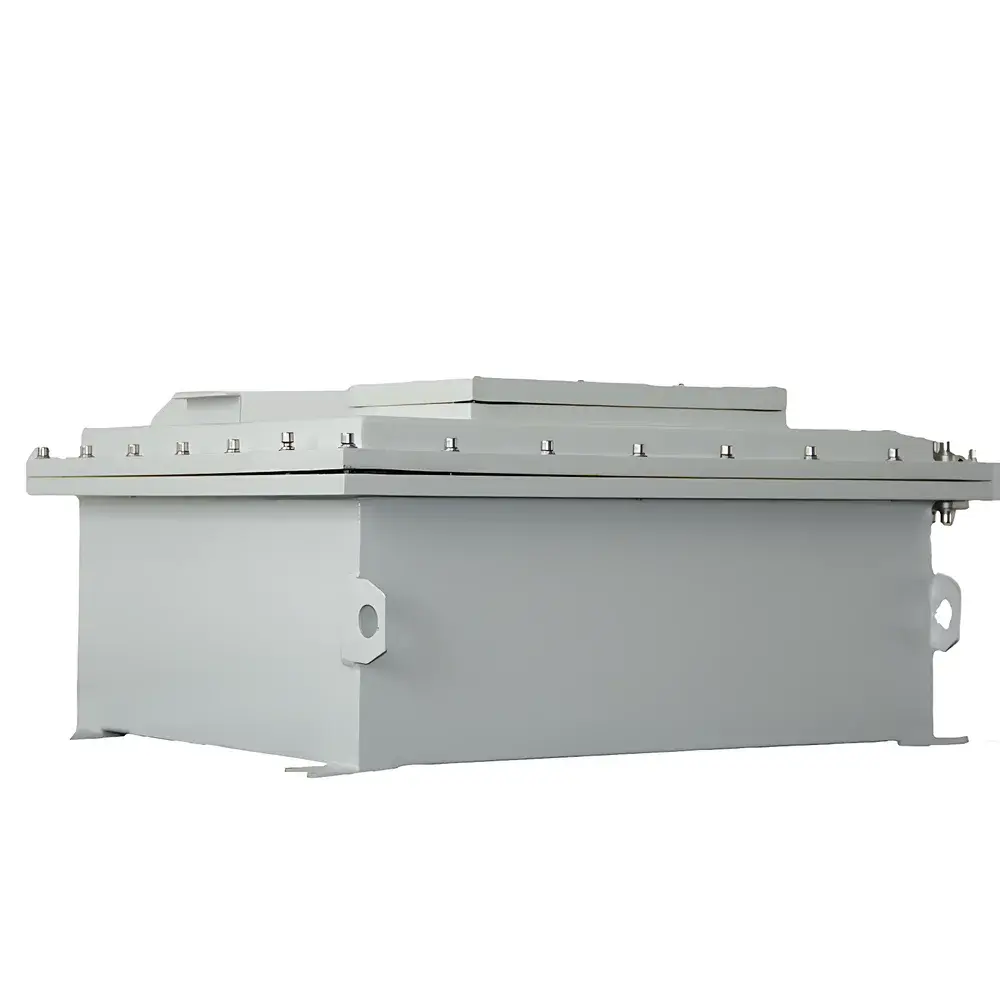
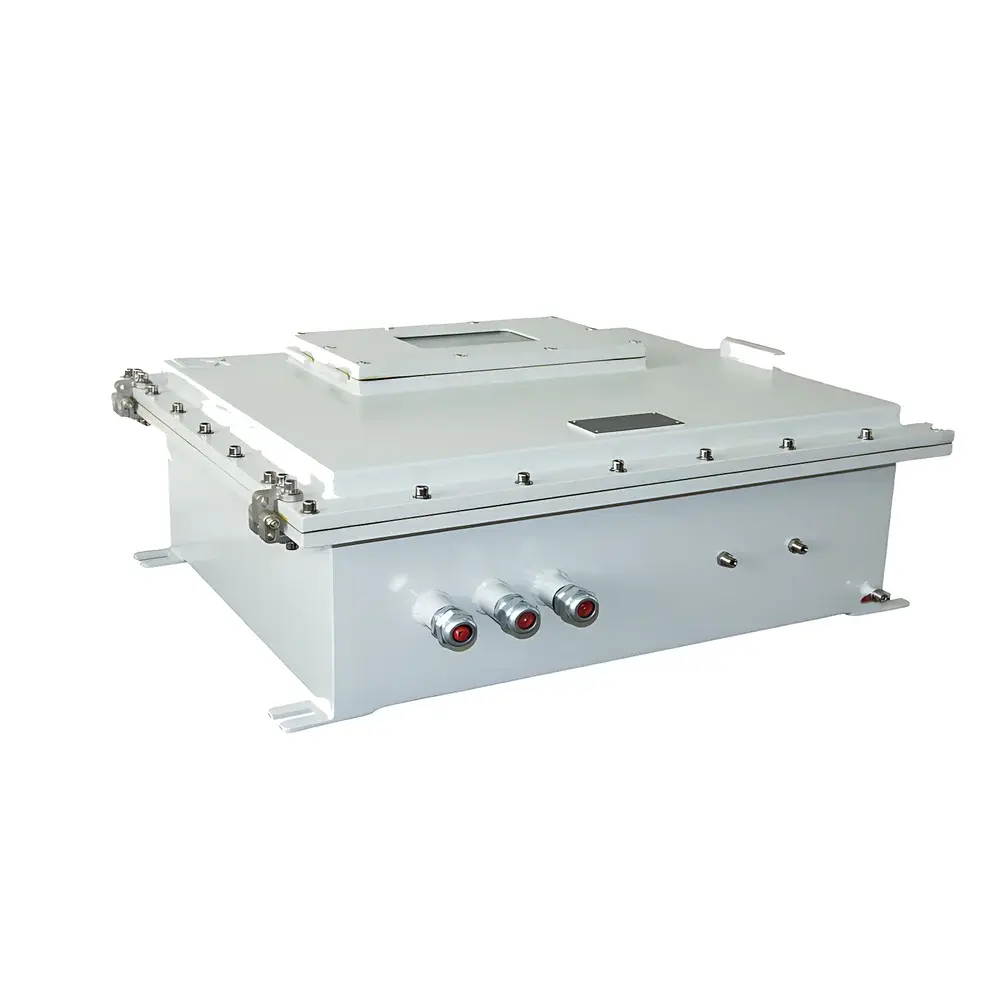
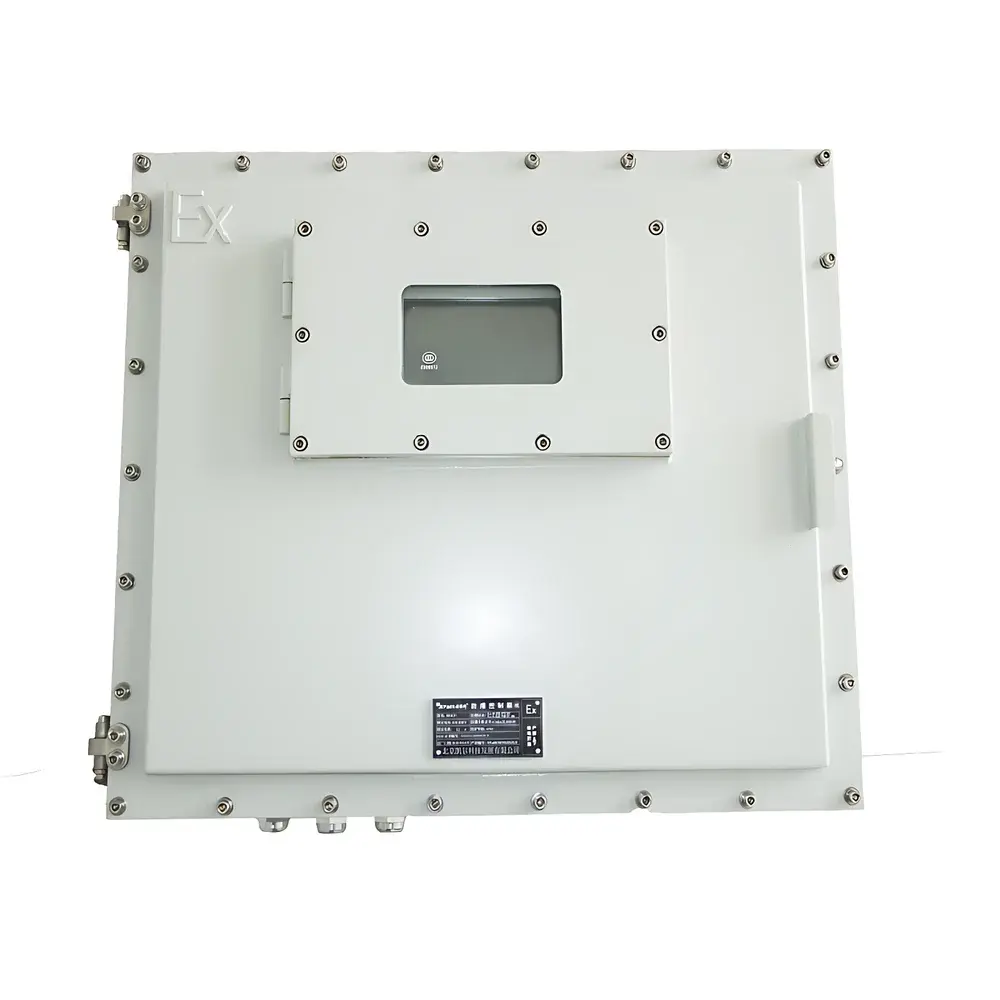
BCC MGA-6000 Multi-Component Odorant Analyzer (Tunable Diode Laser Absorption Spectroscopy)
| Brand | BCC |
|---|---|
| Origin | Hebei, China |
| Manufacturer Type | Authorized Distributor |
| Product Origin | Domestic (China) |
| Model | MGA-6000 |
| Sampling Method | Extractive |
| Power Supply | 220 V AC |
| Explosion Protection | Ex d IIB T4 |
| Ingress Protection | IP65 |
| Detection Principle | Tunable Diode Laser Absorption Spectroscopy (TDLAS) |
| Target Analytes | Ethyl Mercaptan, Tetrahydrothiophene (THT), Acrylic Ester |
| Measurement Range | 0–100 ppm |
| Response Time (T90) | ≤60 s |
| Accuracy | ±1 ppm or ±1% of reading (whichever is greater) |
| Zero/ Span Drift | ≤±1% FS / 24 h |
| Output Interfaces | 4–20 mA, RS-232 / RS-485, USB, Ethernet |
Overview
The BCC MGA-6000 Multi-Component Odorant Analyzer is an industrial-grade, extractive gas analyzer engineered for continuous, real-time quantification of odorant compounds in natural gas distribution networks. It employs Tunable Diode Laser Absorption Spectroscopy (TDLAS)—a highly selective, non-contact optical technique that leverages wavelength-specific absorption features of target molecules in the near-infrared (NIR) spectral region. Unlike broad-spectrum methods such as electrochemical or metal-oxide sensors, TDLAS provides inherent immunity to cross-interference from background gases (e.g., methane, CO₂, H₂O vapor), enabling robust operation in high-methane environments typical of city gate stations, pressure regulation facilities, and underground storage terminals. The MGA-6000 is specifically calibrated for three regulatory-compliant odorants mandated across multiple jurisdictions: ethyl mercaptan (C₂H₅SH), tetrahydrothiophene (THT, C₄H₈S), and acrylic ester (e.g., allyl isothiocyanate or methyl acrylate derivatives used in sulfur-free formulations). Its design adheres to the functional safety requirements outlined in IEC 61508 and incorporates hardware-level fault diagnostics to support SIL 2-capable system integration.
Key Features
- Simultaneous multi-analyte detection: Independent, parallel TDLAS channels enable concurrent measurement of ethyl mercaptan, THT, and acrylic ester without chromatographic separation or reagent consumption.
- High selectivity and stability: Each laser diode is precisely temperature- and current-stabilized with wavelength-locking to molecular absorption lines (e.g., 1630 nm for THT, 1680 nm for ethyl mercaptan), minimizing drift and eliminating calibration dependency on gas matrix composition.
- Explosion-proof certified configuration: Available with flameproof enclosure per EN 60079-1 (Ex d IIB T4), rated for Zone 1 hazardous areas—fully compliant with ATEX and IECEx directives for installation in gas metering skids, odorization units, and compressor station control rooms.
- Ruggedized industrial housing: IP65-rated enclosure ensures protection against dust ingress and water jets, supporting outdoor deployment without auxiliary climate control.
- Low maintenance architecture: No consumables, no moving parts in the optical path, and self-diagnostic laser health monitoring reduce total cost of ownership and extend mean time between failures (MTBF) beyond 36 months under continuous operation.
Sample Compatibility & Compliance
The MGA-6000 is optimized for extractive sampling of processed natural gas streams with hydrocarbon dew point < −10 °C and moisture content < 20 ppmv. It accommodates sample pressures from 0.1 to 1.0 MPa (gauge) and temperatures from −20 °C to +50 °C via integrated heated sample line conditioning (optional). All wetted materials—including stainless steel 316L sample cell, PTFE-coated fittings, and sapphire windows—are compatible with aggressive sulfur-containing odorants and resistant to polymerization by acrylic esters. The analyzer meets EN 15446 (odorant concentration verification in gas networks), complies with ISO 8573-1:2010 Class 2 particulate/moisture specifications for sample gas quality, and supports audit-ready data logging aligned with ISO/IEC 17025 laboratory accreditation requirements.
Software & Data Management
Embedded firmware includes a web-accessible interface (HTTPS-enabled) for remote configuration, real-time trend visualization, and alarm management. Data output conforms to Modbus TCP and ASCII-based serial protocols (RS-232/RS-485), enabling seamless integration into SCADA, DCS, or cloud-based IIoT platforms (e.g., Siemens Desigo, Honeywell Experion, or AWS IoT Core). All measurements are timestamped with NTP-synchronized UTC clocks; audit trails record user login events, parameter changes, and calibration actions with immutable SHA-256 hashing—supporting compliance with FDA 21 CFR Part 11 electronic records/electronic signatures requirements where applicable. Firmware updates are performed via signed package delivery over secure HTTPS, ensuring integrity verification prior to installation.
Applications
- Real-time odorant dosing verification at city gate stations and regional pressure reduction facilities.
- Compliance monitoring for national gas quality standards (e.g., GB/T 13611–2018 in China, EN 16726:2016 in EU, AGA Report No. 9 in North America).
- Leak detection support through localized odorant concentration profiling in distribution manifolds.
- Odorant degradation studies during long-term pipeline transport, especially for THT oxidation and acrylic ester hydrolysis kinetics.
- Quality assurance in odorant blending plants, including batch consistency validation and raw material purity screening.
FAQ
Does the MGA-6000 require periodic calibration with certified gas standards?
Yes—initial factory calibration is traceable to NIST-certified reference materials. Field verification is recommended every 3 months using span gas mixtures (±2% uncertainty); zero gas (high-purity nitrogen) checks should be performed daily or before critical measurements.
Can the analyzer operate in high-humidity natural gas streams?
It requires upstream sample conditioning: a heated sample line (maintained at >60 °C) and thermoelectric cooler (TEC) chiller to maintain dew point < −10 °C prior to optical cell entry. Optional integrated sample conditioning unit (SCU-MGA) is available.
Is the device compatible with existing gas quality monitoring systems?
Yes—Modbus TCP, 4–20 mA analog outputs, and configurable digital alarm relays ensure interoperability with legacy PLCs, RTUs, and modern edge computing gateways.
What is the expected lifetime of the laser diodes?
Laser modules are rated for ≥25,000 hours of continuous operation under specified thermal conditions; built-in end-of-life prediction algorithms alert users 500 hours prior to threshold degradation.
Does the system support cybersecurity hardening for OT environments?
Yes—supports TLS 1.2 encryption, role-based access control (RBAC), disabled default credentials, and configurable firewall rules via CLI or web GUI; firmware signing prevents unauthorized code execution.







