
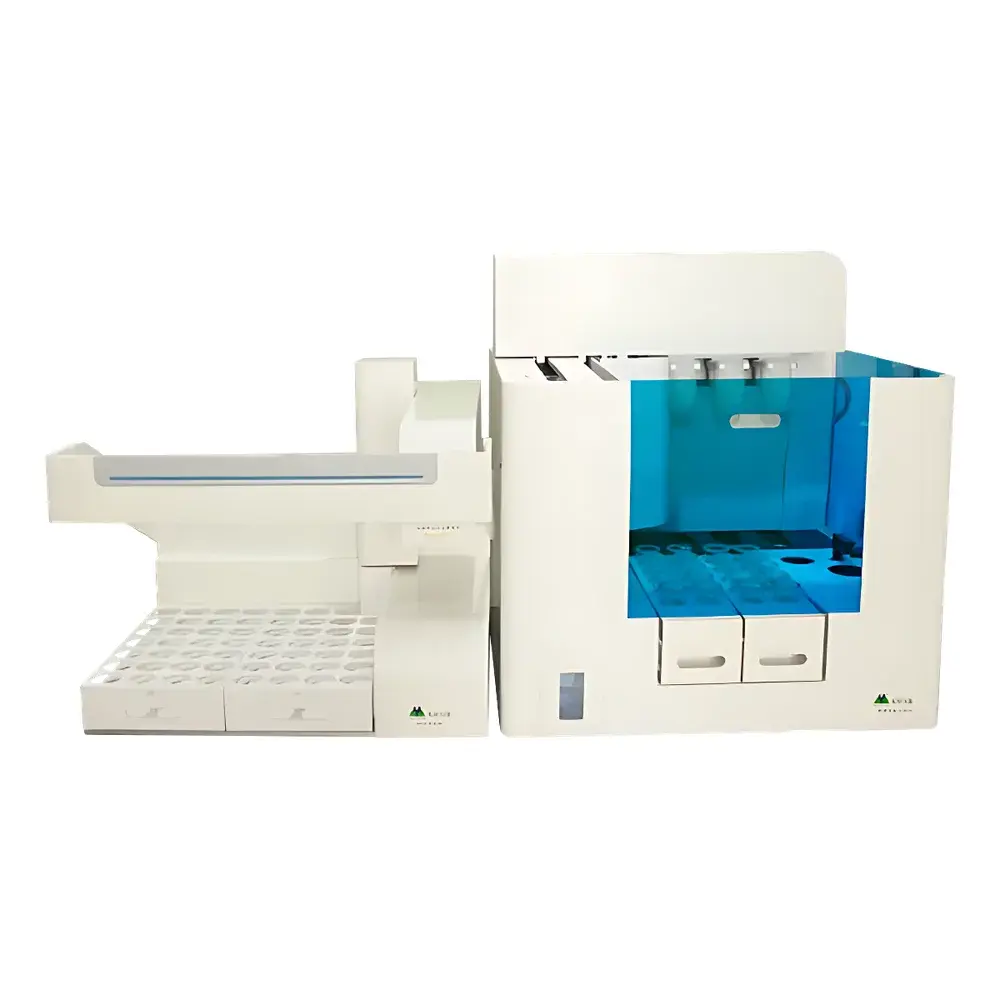
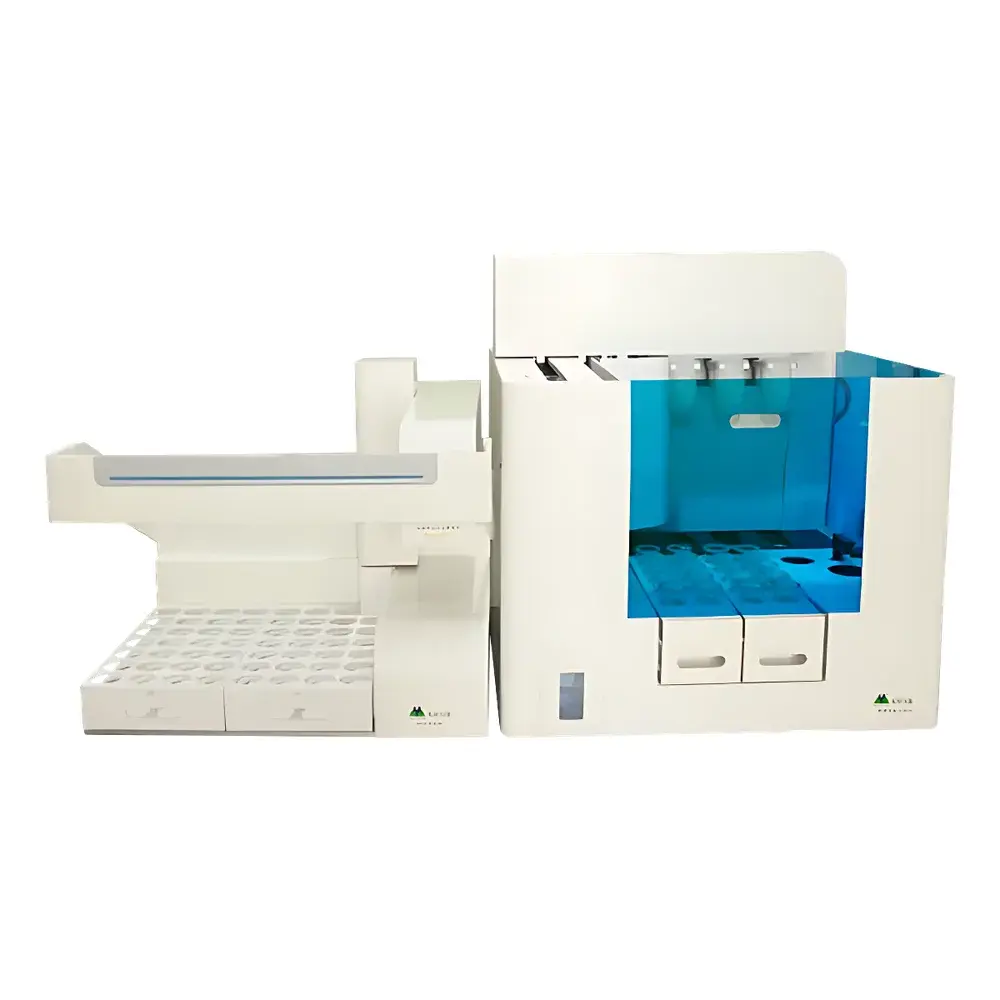
Beiyu Technologies CGH-500 Intelligent Acid Number Analyzer
| Brand | Beiyu Technologies |
|---|---|
| Origin | Shanghai, China |
| Manufacturer Type | Authorized Distributor |
| Country of Origin | China |
| Model | CGH-500 |
| Pricing | Available Upon Request |
Overview
The Beiyu Technologies CGH-500 Intelligent Acid Number Analyzer is a fully automated, standards-compliant benchtop system engineered for precise determination of acid number (AN) in light petroleum products—including gasoline, diesel fuel, naphtha, kerosene, and jet fuel—according to GB/T 258–2016. The instrument implements potentiometric and colorimetric endpoint detection in a closed-loop titration architecture, combining thermally controlled reflux, high-precision burette dispensing (±0.02 mL resolution), and machine-vision-based color transition recognition. Unlike manual or semi-automated methods, the CGH-500 eliminates operator intervention across the entire analytical workflow: from sample aspiration and automatic blank titration to solvent conditioning, heating/reflux, reagent delivery, endpoint discrimination, and final calculation of mg KOH/100 mL. Its design adheres strictly to the procedural sequence, reagent specifications, and endpoint criteria defined in GB/T 258–2016, ensuring metrological traceability and regulatory acceptability in QC laboratories operating under ISO/IEC 17025 or refinery QA frameworks.
Key Features
- Fully automated titration cycle compliant with GB/T 258–2016: includes integrated reflux heating, solvent blank titration, and sample titration without manual handling
- Machine vision endpoint detection system calibrated for ethanol–toluene indicator solutions (e.g., alkaline blue 6B), delivering high-sensitivity color transition recognition independent of sample turbidity or background hue
- Auto-dilution capability for high-acidity samples, maintaining measurement linearity and minimizing manual pre-dilution errors
- Robust robotic sample handling: patented gripper mechanism ensures repeatable cup positioning and minimizes cross-contamination risk
- High-precision dosing module with gravimetric and volumetric calibration routines; dispensing accuracy validated per ISO 8655–6
- Dual-interface architecture: RS-232 and Ethernet ports support bidirectional communication with LIMS, MES, and无人实验室 (Unmanned Lab) platforms via standard OPC UA or Modbus TCP protocols
- Integrated thermal management system maintains consistent reflux temperature (±1 °C) throughout titration, critical for reproducible neutralization kinetics
Sample Compatibility & Compliance
The CGH-500 is validated for use with light hydrocarbon fractions characterized by low viscosity (<10 cSt at 20 °C), minimal water content (<0.05 wt%), and absence of suspended solids. It accommodates sample volumes from 20 mL to 100 mL in standardized glass titration cups. Method equivalence to GB/T 258–2016 has been verified through interlaboratory studies involving reference materials (e.g., NIST SRM 2721a) and matrix-matched proficiency testing. While GB/T 258 remains the primary compliance benchmark, the instrument’s titration logic and endpoint algorithm are compatible with ASTM D974 (KOH number) and IP 177 methodologies when configured with appropriate reagents and reporting templates. Data integrity features—including electronic audit trails, user access control, and timestamped method versioning—support alignment with GLP and internal QA requirements.
Software & Data Management
The embedded firmware and PC-based control software provide full method definition, sequence programming, real-time titration curve visualization, and configurable report generation (PDF/CSV). All analytical events—including reagent batch IDs, environmental temperature/humidity logs, tip wash cycles, and endpoint confidence scores—are recorded with ISO/IEC 17025-compliant metadata. Audit trail functionality meets FDA 21 CFR Part 11 requirements for electronic records and signatures when deployed with validated Windows OS configurations and domain-authenticated user accounts. Raw data export supports third-party statistical analysis tools (e.g., JMP, Minitab) and integrates with enterprise LIMS via HL7 or ASTM E1384 interfaces.
Applications
- Refinery QC labs performing routine acid number verification on distillate streams prior to blending or shipment
- Fuel specification compliance testing against national and regional standards (e.g., GB 17930, EN 590, ASTM D975)
- Research into oxidation stability of stored fuels, where rising acid number indicates early-stage degradation
- Contract testing laboratories requiring auditable, high-throughput AN analysis under ISO/IEC 17025 accreditation
- Integration into automated analytical workflows within digital twin-enabled refining operations
FAQ
Does the CGH-500 comply with international standards beyond GB/T 258–2016?
Yes—it supports method adaptation for ASTM D974 and IP 177 through configurable titrant concentration, indicator selection, and endpoint threshold settings.
Can the instrument handle cloudy or highly colored samples without interference?
Yes—the machine vision system uses spectral filtering and dynamic contrast normalization to distinguish true phenolphthalein/alkaline blue transitions from baseline chromatic noise.
Is remote monitoring and control supported?
Yes—via secure HTTPS web interface and RESTful API endpoints for status polling, queue management, and diagnostic telemetry.
What maintenance routines are required for long-term precision?
Monthly gravimetric calibration of the dosing system and quarterly validation of the color sensor’s spectral response curve using NIST-traceable color standards.
How is data integrity ensured during power interruption or network failure?
All active titrations write to non-volatile memory every 2 seconds; interrupted runs resume from last valid checkpoint upon recovery.




