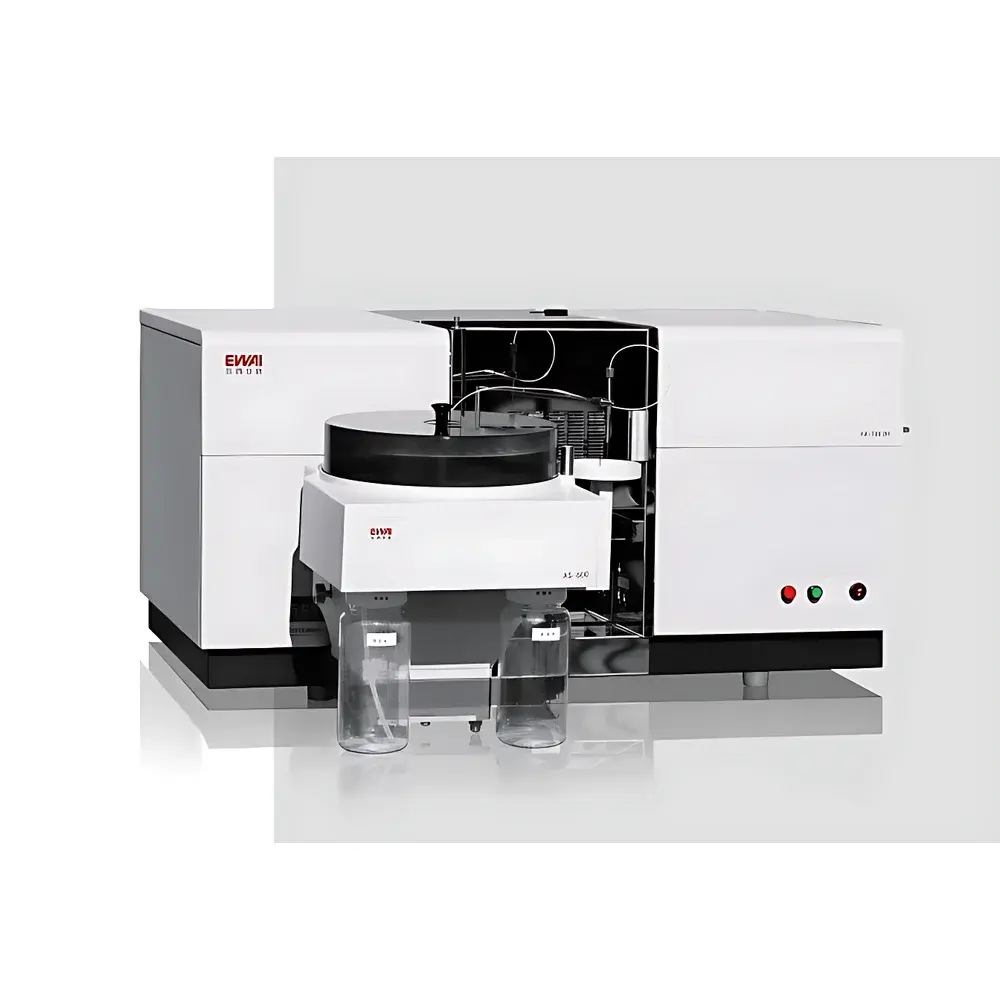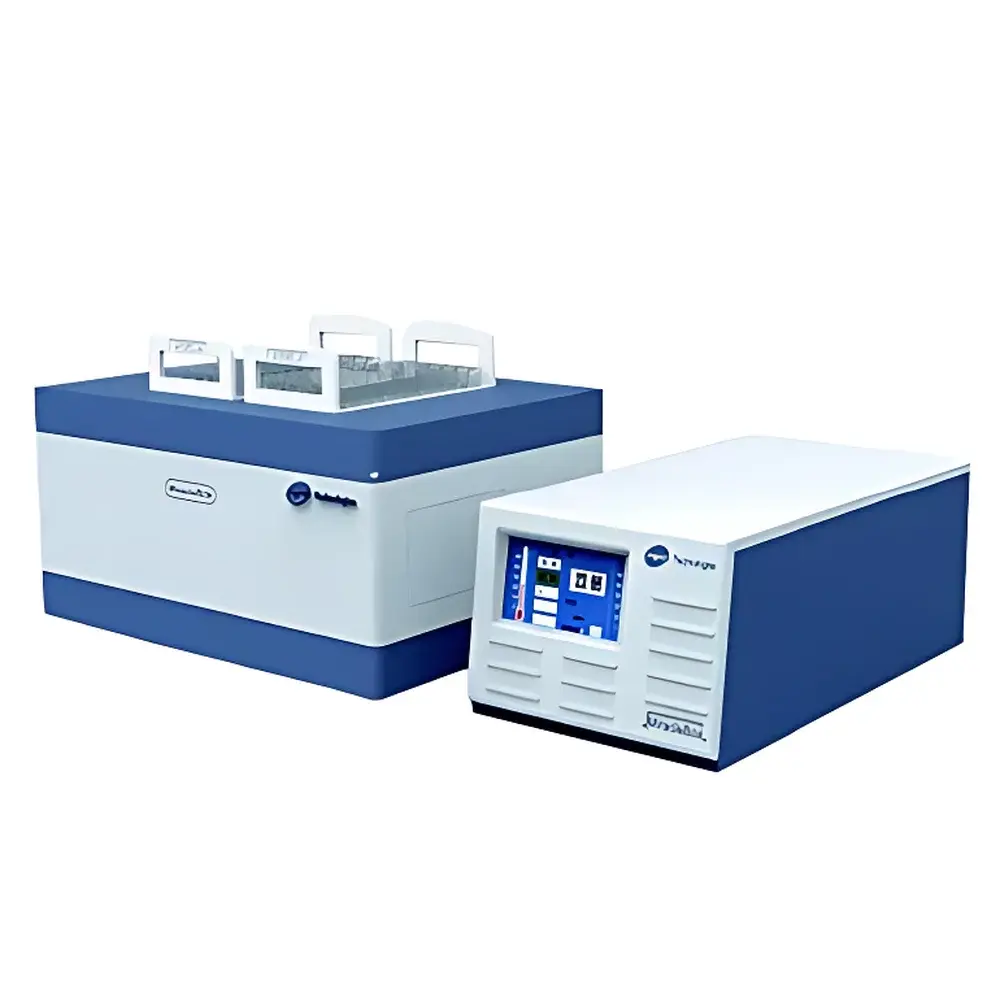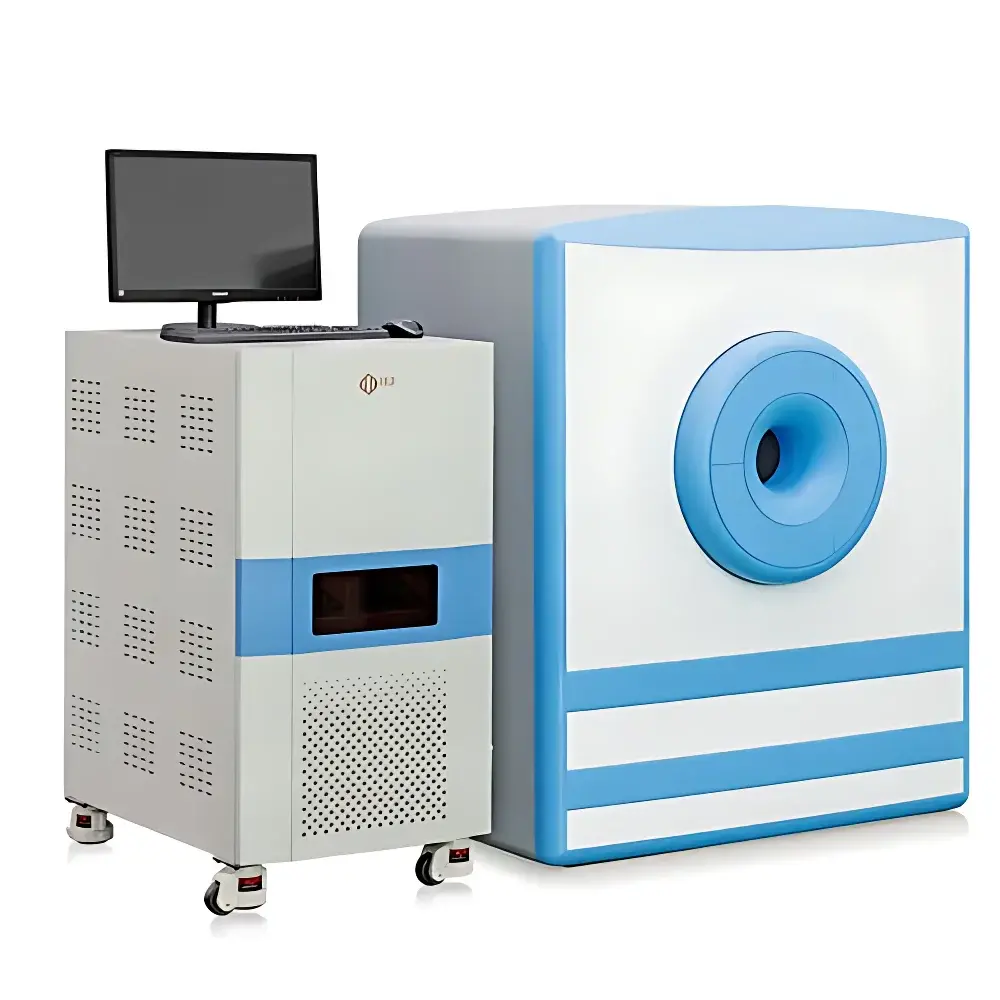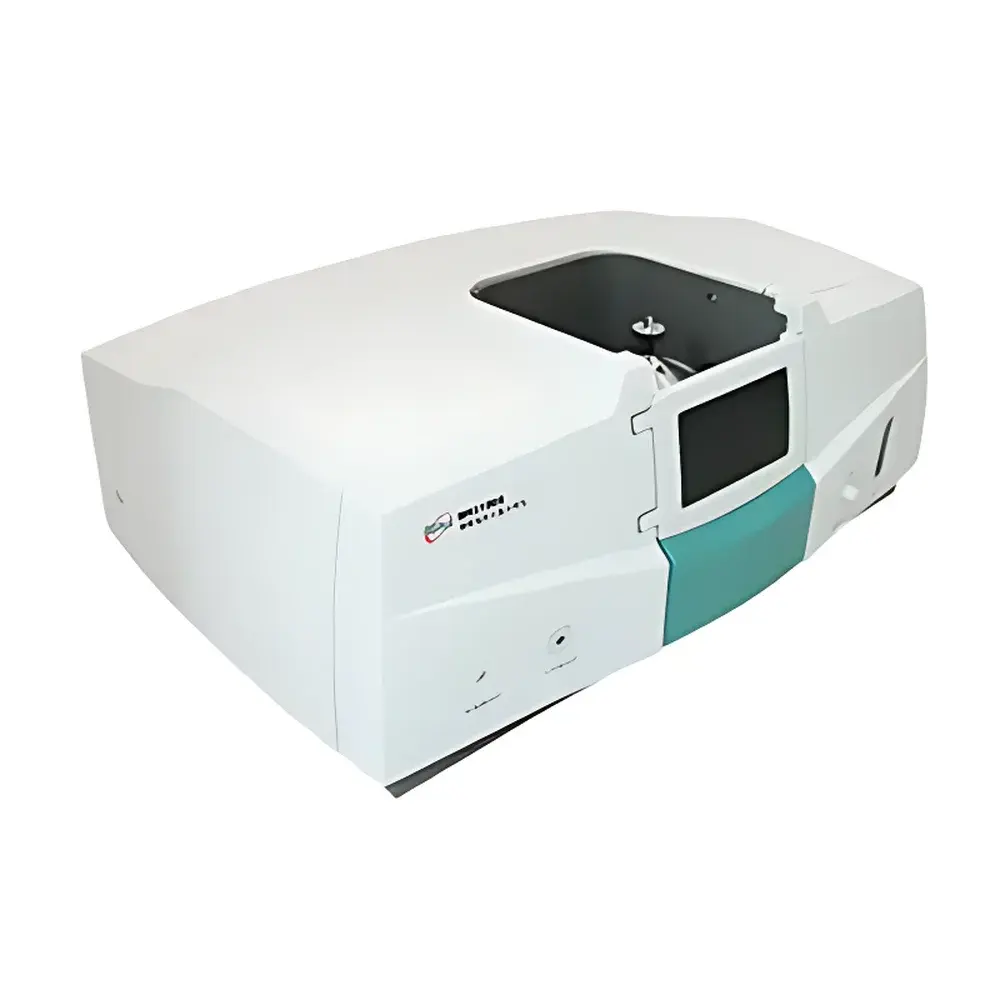
BH2100S Tungsten-Boat Atomic Absorption Spectrometer for Blood Lead and Cadmium Analysis
| Brand | Bohui Innovation |
|---|---|
| Origin | Beijing, China |
| Model | BH2100S |
| Atomization Method | Tungsten-Boat Electrothermal AAS |
| Wavelength Range | 190–650 nm |
| Absorbance Range | 0–2 Abs |
| Baseline Stability (30 min preheat, 20 min measurement) | ≤0.009 A |
| Pb/Cd Sensitivity (≤50 µL) | ≥0.055 Abs (Pb), ≥0.025 Abs (Cd) |
| Precision (Abs > 0.1) | ≤4.5% (manual), <1% (with autosampler) |
| Background Correction Capacity | >30× at ~1.0 Abs |
| Power Input | 220 V ± 22 V, 50 Hz ± 1 Hz, 500 VA |
| Dimensions | 782 × 560 × 338 mm |
| Operating Environment | 10–30 °C, 0.070–0.106 MPa, vibration- and corrosion-free |
Overview
The BH2100S Tungsten-Boat Atomic Absorption Spectrometer is a dedicated clinical instrument engineered for rapid, reliable quantification of lead (Pb) and cadmium (Cd) in whole blood specimens. It employs electrothermal atomic absorption spectroscopy (ET-AAS) with a tungsten-boat atomizer — a robust, water-cooling-free alternative to graphite furnace systems — optimized specifically for trace toxic metal analysis in human biological matrices. Unlike conventional flame or graphite furnace AAS platforms, the BH2100S integrates a high-thermal-mass tungsten crucible that achieves rapid, reproducible temperature ramping (up to 2800 °C) under controlled argon atmosphere, enabling efficient volatilization, atomization, and detection of Pb and Cd at sub-µg/dL levels. Its design prioritizes clinical workflow efficiency: a 40 µL whole blood sample yields dual-element results within 2–3 minutes, supporting high-throughput screening in occupational health, pediatric toxicology, and public health laboratories.
Key Features
- Tungsten-boat atomization system: Engineered from high-purity tungsten, the boat-shaped heater offers exceptional thermal stability, oxidation resistance, and longevity (>500 heating cycles per boat). Operates at ≤500 VA input power without external cooling.
- High-precision temperature control: Full programmable thermal protocol (drying, charring, atomization, cleaning) with real-time feedback ensures consistent atomization conditions across runs, minimizing matrix interference and improving inter-assay reproducibility.
- Integrated argon flow regulation: Precisely metered inert gas purge during atomization suppresses molecular background absorption and protects the tungsten surface from oxidation and carbon deposition.
- High-temperature oxygen ashing: Automated O2-assisted cleaning cycle removes organic residue and carbon buildup post-analysis, maintaining baseline integrity and extending atomizer service life.
- Self-reversal background correction: Single-beam, same-optical-path self-absorption technique provides accurate, real-time background subtraction without mechanical moving parts — ideal for complex biological matrices with variable spectral interferences.
- Dual-channel simultaneous detection: Independent photomultiplier channels enable concurrent measurement of Pb (283.3 nm) and Cd (228.8 nm), eliminating sequential scanning delays and enhancing throughput.
- Large-access open sample port: Accommodates standard microcapillary tubes and facilitates rapid, error-resistant manual loading — critical for point-of-care and resource-constrained lab environments.
Sample Compatibility & Compliance
The BH2100S is validated for direct analysis of minimally processed whole blood (40 µL volume), requiring no acid digestion or dilution. It complies with Chinese regulatory requirements under registration number Jing Yao Jian Xie (Zhun) Zi 2011 Di 2400262 Hao, and supports alignment with international clinical toxicology testing frameworks including CLIA-waived principles (for Pb/Cd), ISO 15197:2013 (analytical performance criteria for quantitative assays), and WHO guidelines for blood lead reference methods. While not FDA 510(k)-cleared for U.S. clinical use, its measurement principle aligns with ASTM D3559 (lead in blood by AAS) and USP <233> elemental impurities methodology. The instrument architecture supports GLP-compliant operation via audit-trail-enabled software (see Software section) and meets IEC 61010-1 safety standards for Class II overvoltage equipment.
Software & Data Management
The BH2100S operates with proprietary Bohui Clinical AAS Control Software — a Windows-based application designed for regulated laboratory environments. It delivers full method management (predefined Pb/Cd protocols with editable temperature ramps), real-time signal visualization, automated calibration curve generation (linear/log-linear fitting), and integrated QC tracking (control charts, Westgard rules). All raw absorbance data, instrument parameters, operator ID, timestamp, and environmental logs are stored in encrypted binary format with immutable audit trails. Reports comply with ISO/IEC 17025 documentation requirements and include customizable templates for clinical reporting (e.g., µg/dL units, reference ranges, interpretive comments). Data export supports CSV, PDF, and HL7 v2.5 interfaces for LIS/HIS integration. Software validation documentation (IQ/OQ/PQ protocols) is available upon request for GxP-regulated deployments.
Applications
- Routine blood lead level (BLL) screening in children aged 1–6 years per CDC and AAP recommendations
- Occupational exposure monitoring for battery manufacturing, smelting, and recycling personnel
- Clinical assessment of cadmium burden in patients with renal dysfunction or suspected Itai-itai disease history
- Public health surveillance programs evaluating environmental contamination impact on vulnerable populations
- Research applications in nutritional toxicology, metallothionein expression studies, and chelation therapy monitoring
- Reference laboratory confirmation testing where graphite furnace AAS capacity is constrained
FAQ
What sample volume is required for accurate Pb and Cd quantification?
A minimum of 40 µL of whole blood is sufficient for simultaneous Pb and Cd analysis with precision ≤4.5% (Abs > 0.1). Sample volume may be adjusted down to 20 µL when using the optional autosampler, with corresponding recalibration.
Is acid digestion required prior to analysis?
No. The BH2100S performs direct analysis of whole blood without digestion, leveraging its high-temperature tungsten-boat atomization and oxygen ashing to fully mineralize organic matrix components in situ.
How does the tungsten-boat system compare to graphite furnace AAS in terms of sensitivity and lifetime?
While graphite furnaces typically offer marginally lower absolute detection limits (~0.1 pg), the BH2100S achieves clinically adequate LODs (<0.5 µg/dL for Pb; <0.1 µg/dL for Cd) with superior ruggedness: tungsten boats withstand repeated high-temperature cycling without structural degradation, eliminating frequent tube replacement costs and downtime.
Can the instrument be upgraded to support additional elements?
The optical path and lamp housing support standard hollow cathode lamps for other metals (e.g., As, Hg, Mn); however, the BH2100S firmware and validated protocols are locked to Pb and Cd for regulatory compliance. Multi-element expansion requires separate validation and re-registration per jurisdictional requirements.
What maintenance intervals are recommended for routine operation?
Daily: Argon line check, lamp alignment verification, and blank measurement. Weekly: Tungsten boat visual inspection and cleaning with 10% HNO3. Annually: Full optical alignment and electronics calibration by authorized Bohui service engineers.