
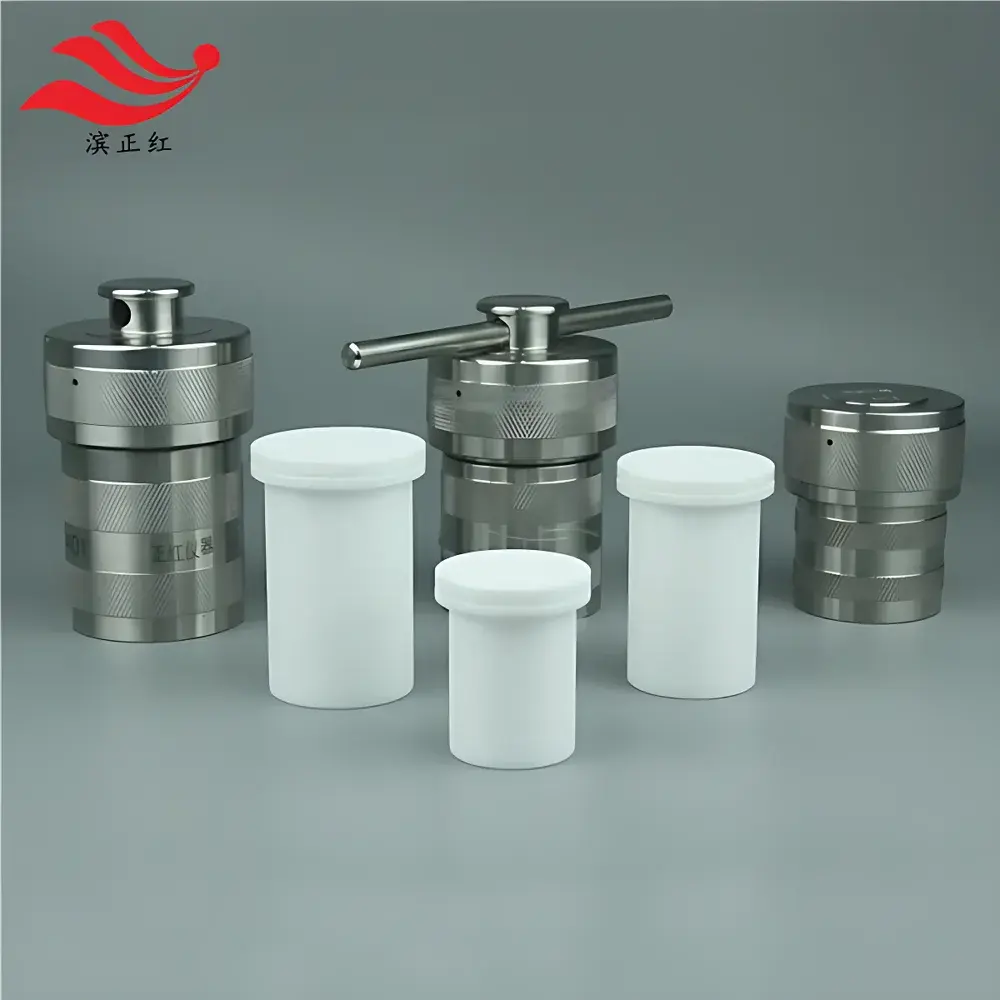
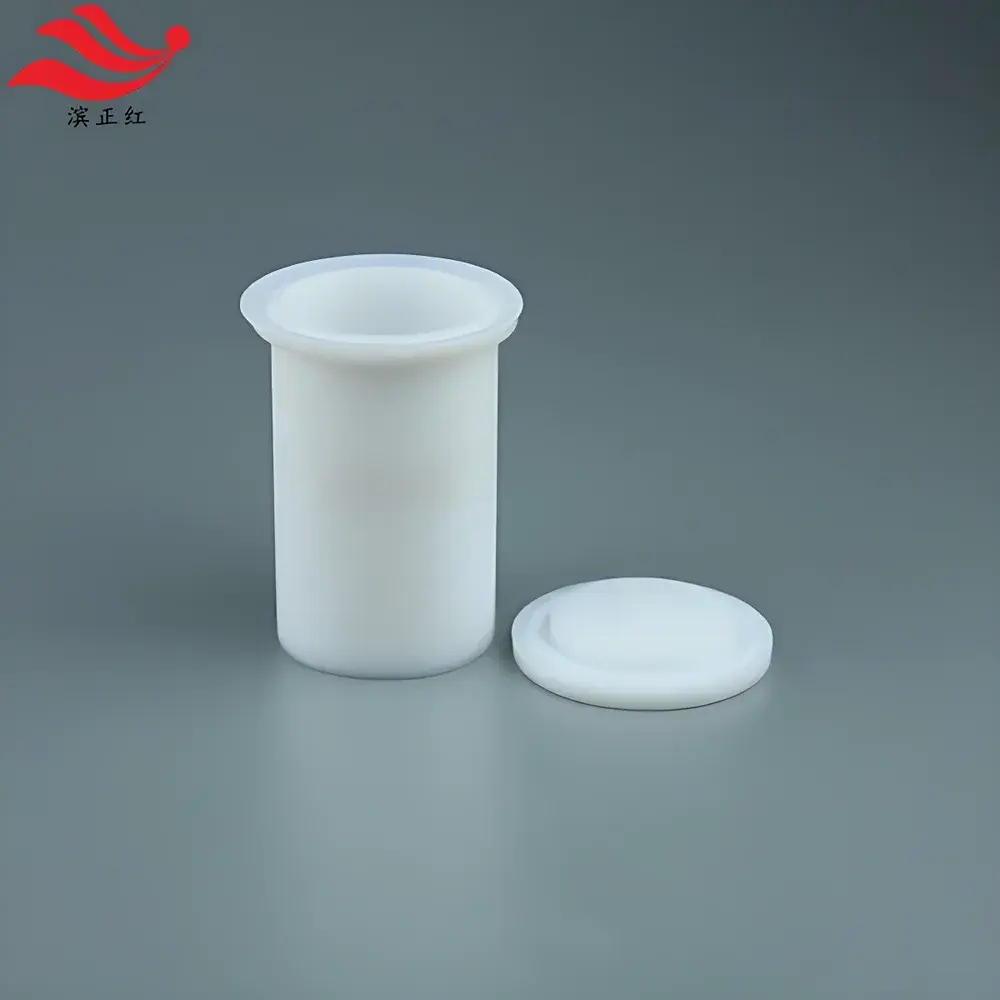
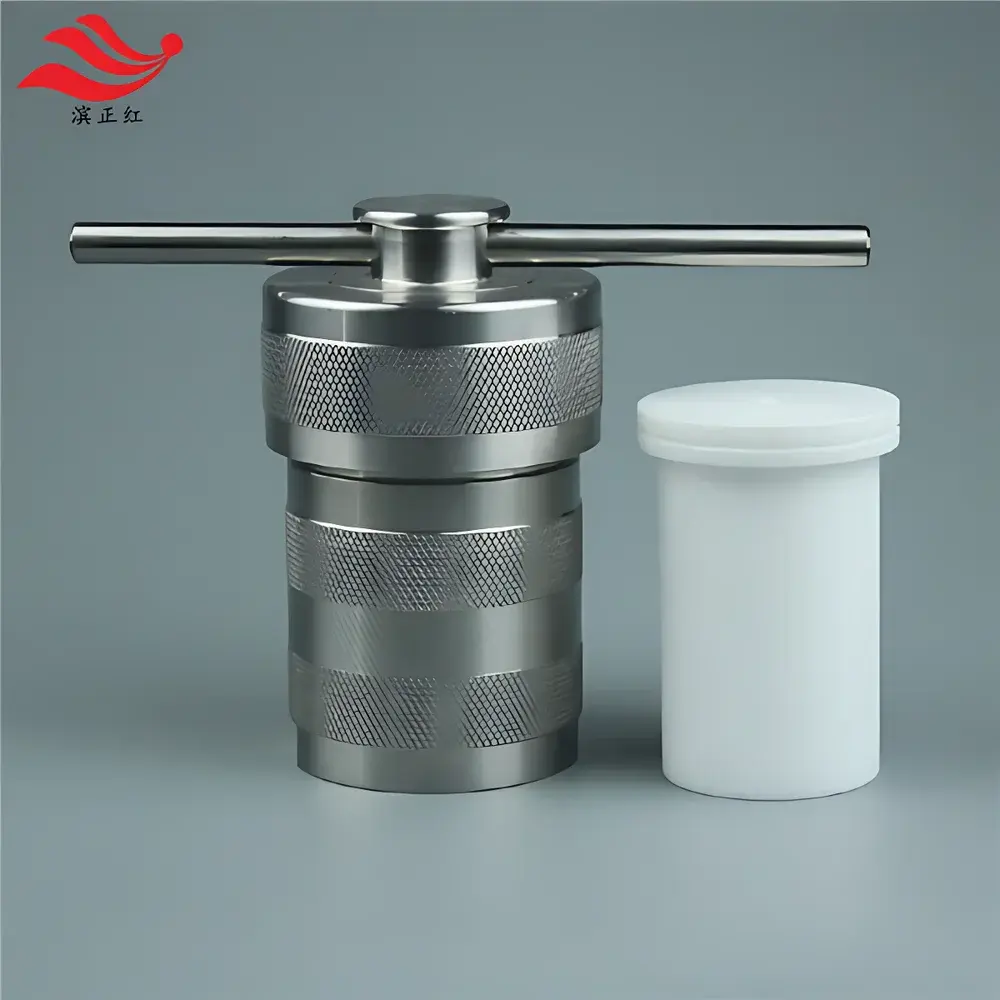
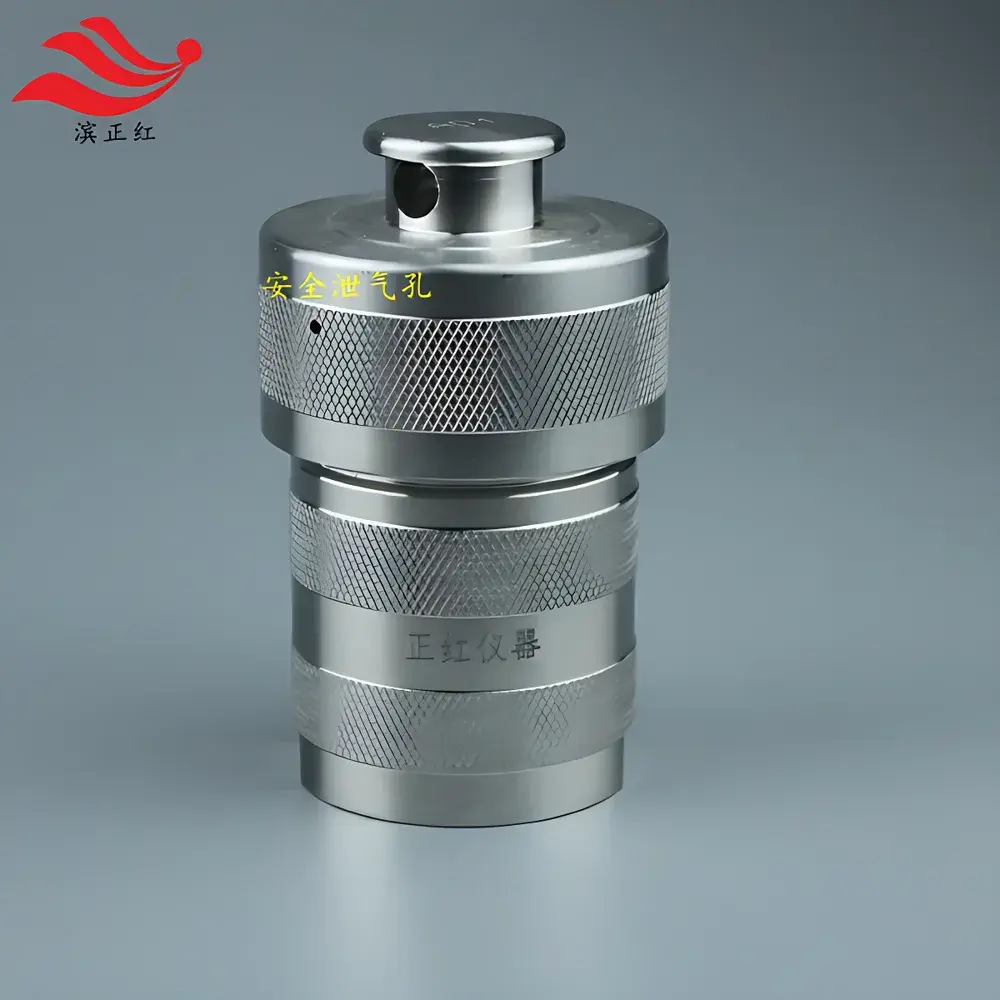
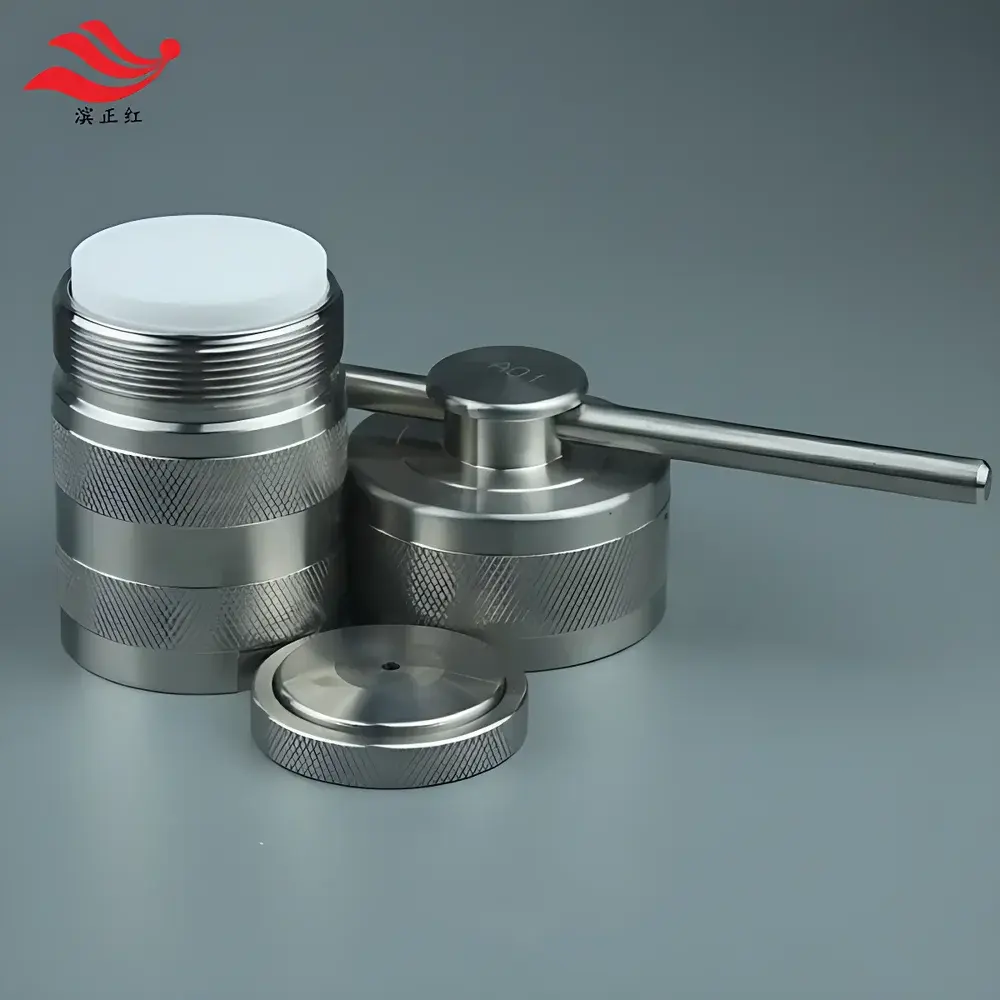
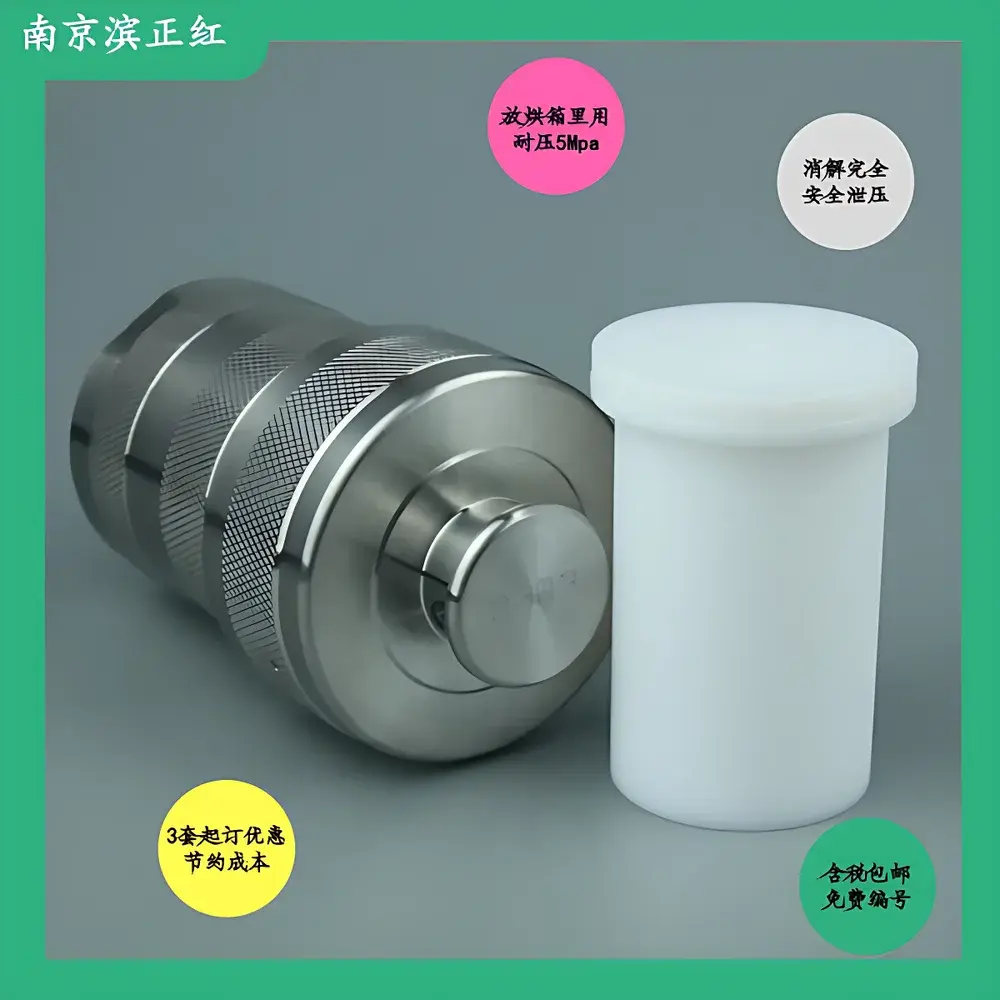
Binzhenghong High-Pressure Microwave-Assisted Digestion Vessels for GB 5009.90–2016 Iron Determination in Food Matrices
| Brand | Binzhenghong |
|---|---|
| Origin | Jiangsu, China |
| Manufacturer Type | Direct Manufacturer |
| Product Origin | Domestic (China) |
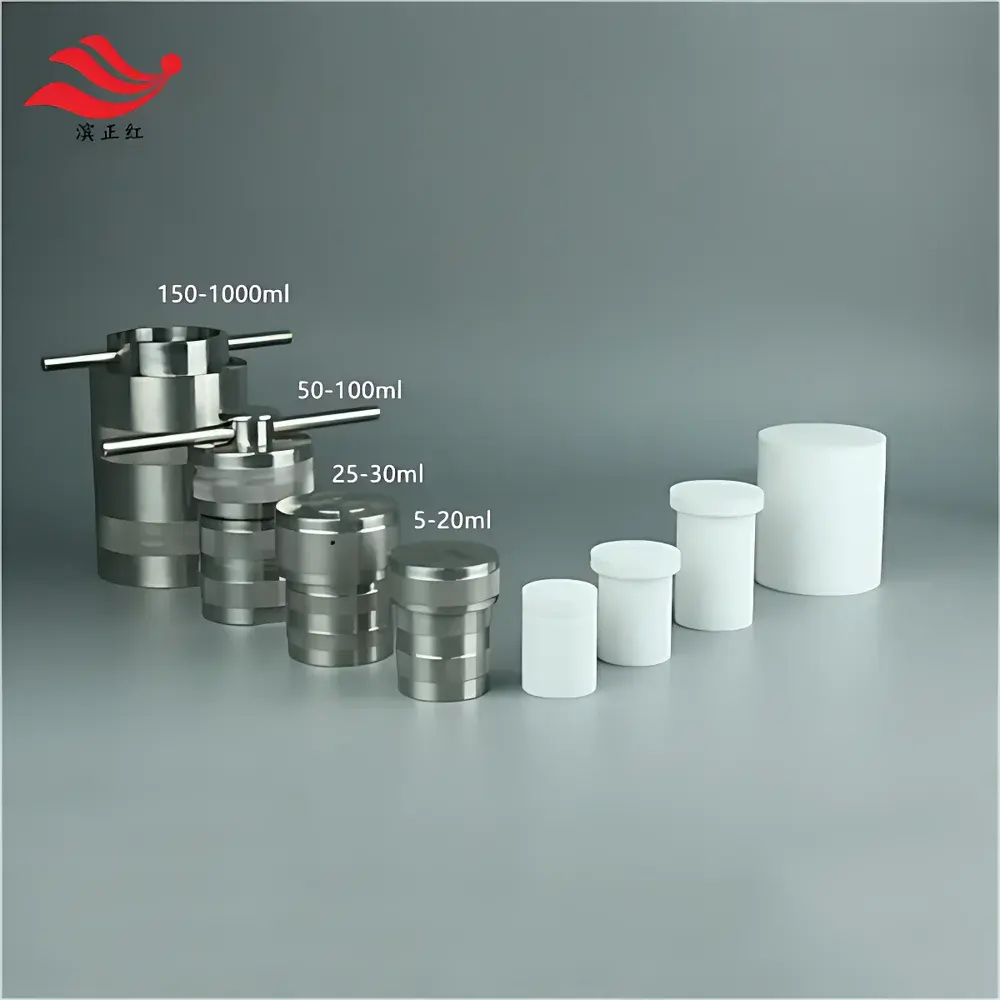
| Volume Options | 5, 10, 15, 20, 25, 30, 50, 60, 100, 200, 250, 500 mL |
| Outer Vessel Material | GB-compliant non-magnetic stainless steel |
| Inner Cup Material Options | PTFE (≤200 °C) or TFM™ PTFE (230–260 °C, <0.01 ppb Pb/U, low metal leaching) |
| Max Operating Pressure | 5 MPa (50 kgf/cm²) |
| Compliance | Designed per GB 5009.90–2016 methodology for iron quantification in food samples |
Overview
The Binzhenghong High-Pressure Microwave-Assisted Digestion Vessels are engineered for trace elemental analysis in compliance with the Chinese national standard GB 5009.90–2016, specifically for iron determination in complex food matrices. These vessels operate on the principle of closed-vessel acid digestion under controlled high temperature and pressure—enabling complete mineralization of organic matter while minimizing analyte loss, contamination, and volatile element volatilization. The system leverages the thermodynamic enhancement of strong oxidizing acids (e.g., HNO₃, HCl, HF, and mixed acid systems) within a sealed environment to achieve rapid, reproducible decomposition of recalcitrant biological and polymeric materials. Unlike open-vessel hotplate digestion, this approach ensures quantitative recovery of Fe and other transition metals (e.g., Cu, Zn, Mn, Cr), especially critical for regulatory testing in food safety laboratories accredited to ISO/IEC 17025. Each vessel set comprises a precision-machined outer jacket and a chemically inert inner cup—designed for compatibility with both conventional oven-based and microwave-assisted digestion platforms.
Key Features
- Two-tier material architecture: outer shell fabricated from GB-specified non-magnetic stainless steel (AISI 316L equivalent), ensuring mechanical integrity and corrosion resistance at sustained pressures up to 5 MPa
- Interchangeable inner cups available in two grades: domestic high-purity PTFE (rated ≤200 °C) and imported TFM™ fluoropolymer (thermal stability up to 260 °C, ultra-low background metals: Pb & U <0.01 ppb)
- Standardized volume options spanning 5–500 mL—including 50 mL and 100 mL configurations explicitly referenced in GB 5009.90–2016 protocols for food iron analysis
- Optimized geometry for uniform thermal distribution and minimal cross-contamination risk during batch processing
- Validated compatibility with post-digestion evaporation systems (e.g., block digesters and infrared赶酸 instruments) for residual acid removal prior to ICP-OES, ICP-MS, or AAS analysis
Sample Compatibility & Compliance
These digestion vessels support a broad spectrum of sample types requiring rigorous pretreatment: solid foods (tea, cereals, infant formula), seafood, herbal products, soil/sediment, and biological tissues. Their design aligns with method validation requirements outlined in GB 5009.90–2016, including mandatory cold nitration steps when using perchloric acid (HClO₄) or hydrogen peroxide (H₂O₂), and strict volume-to-capacity ratios (1/5–1/3 fill level) to prevent over-pressurization. All TFM™ variants meet USP Class VI and ASTM D4894 specifications for fluoropolymer purity, and have been verified for low blank values in multi-element trace analysis workflows. The system is routinely employed in GLP-compliant food testing labs performing routine surveillance under China’s National Food Safety Risk Monitoring Program.
Software & Data Management
While the vessels themselves are hardware-only components, they integrate seamlessly into laboratory information management systems (LIMS) and electronic lab notebooks (ELN) via standardized SOP templates. Users may embed vessel lot numbers, digestion parameters (temperature ramp profiles, hold times, acid reagent batches), and QC reference material results directly into audit trails compliant with ISO/IEC 17025 clause 7.7 and FDA 21 CFR Part 11 requirements for data integrity. Documentation packages include certificate of conformance, material test reports (MTRs) for stainless steel, and independent ICP-MS blank verification data for each TFM™ cup batch.
Applications
- Iron quantification in tea leaves per GB 5009.90–2016: includes four-quadrant homogenization, 0.5 g subsampling, overnight HNO₃ cold nitration, sequential heating (130 °C × 2 h → 160 °C × 4 h), and final concentration to ~1 mL on a 120 °C block digester
- Multi-element analysis (As, Cd, Pb, Hg, Cr) in rice and edible oils following GB 5009.12, GB 5009.15, and GB 5009.268
- Residue analysis of organophosphorus pesticides in fruits and vegetables after alkaline hydrolysis and acid digestion
- Heavy metal screening in dietary supplements and traditional Chinese medicine preparations
FAQ
What is the maximum safe operating temperature for the PTFE inner cup?
The domestic PTFE variant is rated for continuous use up to 200 °C; exceeding this threshold risks deformation and increased elemental blank contributions.
Can these vessels be used in commercial microwave digestion systems?
Yes—provided the outer jacket dimensions and pressure relief mechanisms conform to the instrument manufacturer’s mechanical interface specifications; however, oven-based digestion remains the primary validated mode per GB 5009.90–2016.
How should vessels be cleaned between uses?
Rinse thoroughly with 10% v/v HNO₃, followed by ultrapure water (≥18.2 MΩ·cm); air-dry in a Class 100 clean bench; never use abrasive cleaners or metal tools.
Is certification available for trace metal content in blank digests?
Each production lot of TFM™ cups undergoes ICP-MS blank testing (10 mL 2% HNO₃ extract, 24-h soak); full analytical reports—including Fe, Al, Cr, Ni, and rare earth elements—are supplied upon request.



