
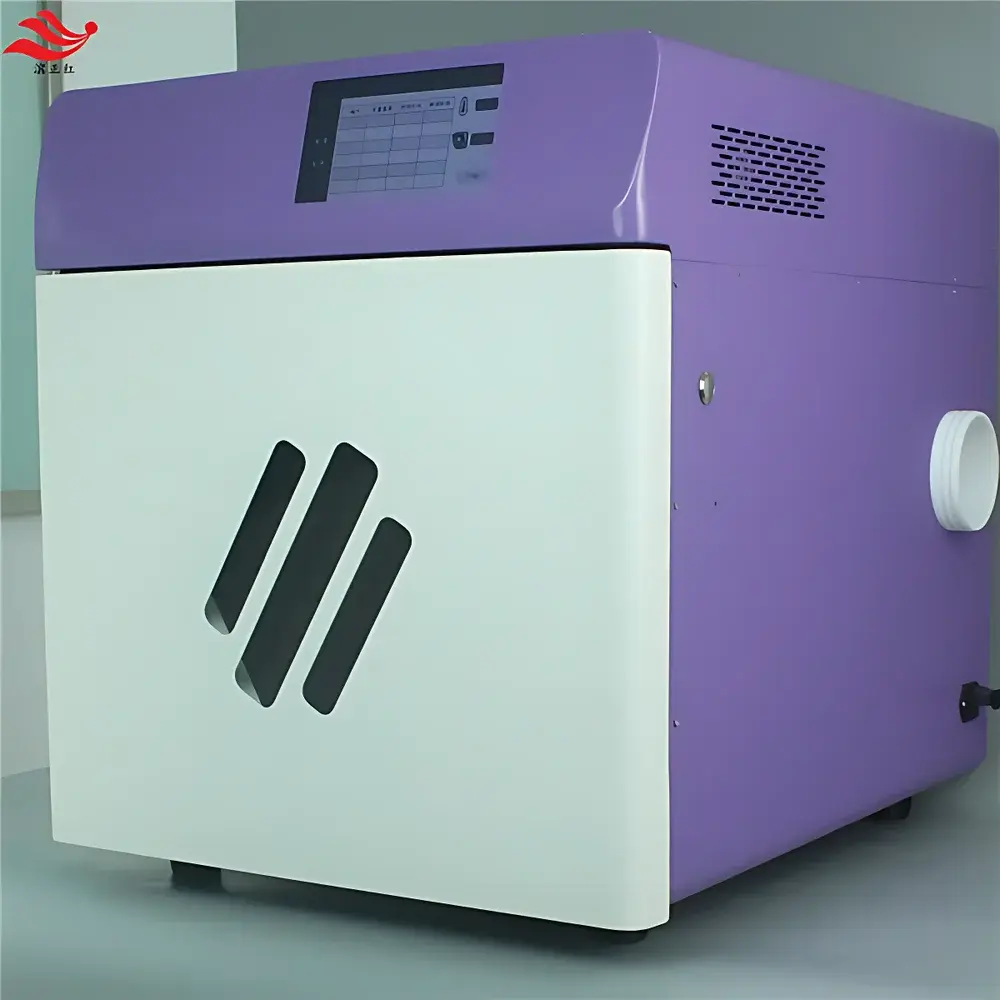
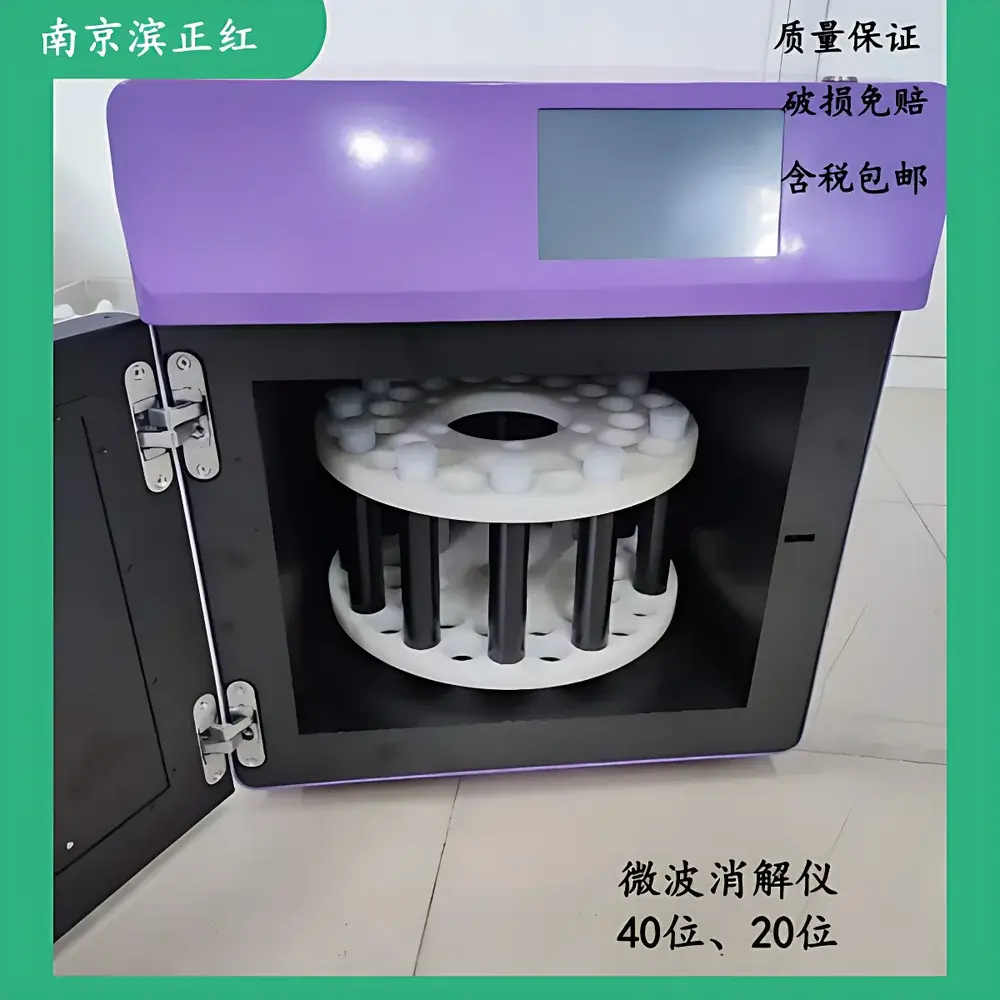
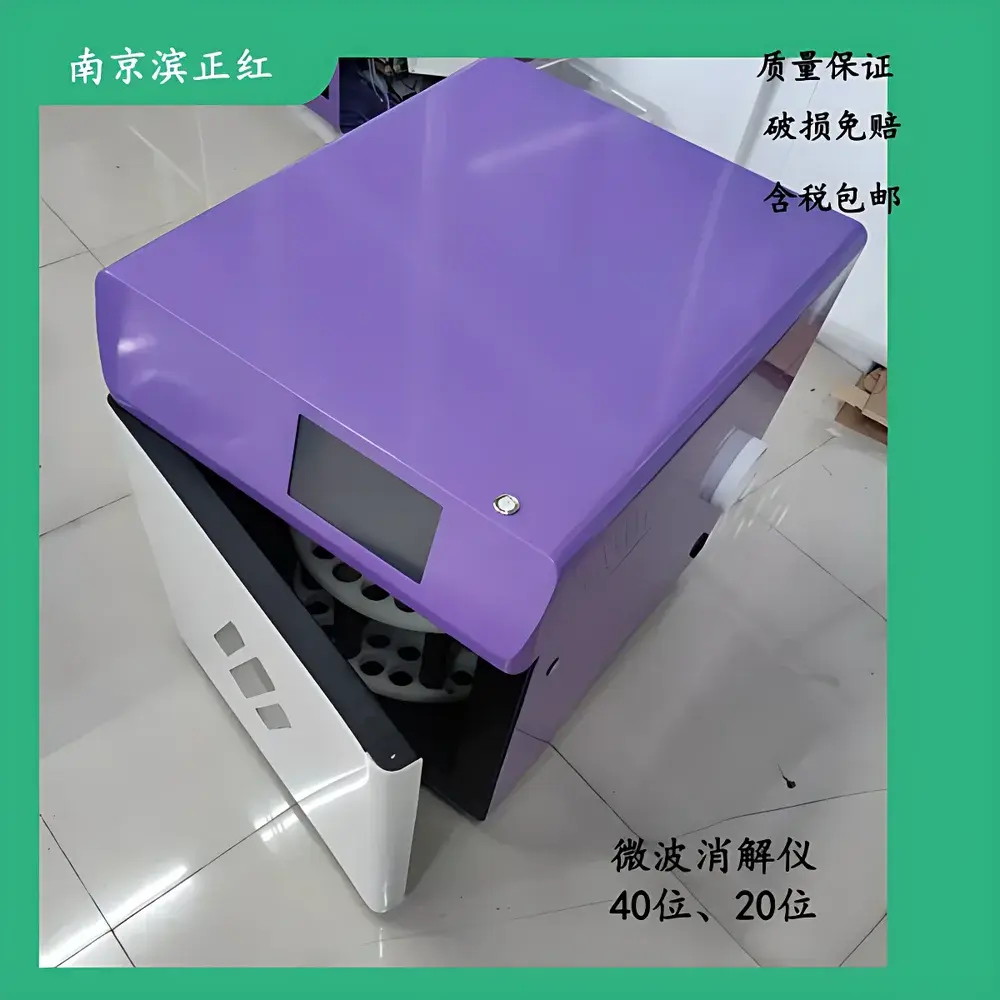
Binzhenghong MD Series Microwave Digestion System
| Brand | Binzhenghong |
|---|---|
| Origin | Jiangsu, China |
| Manufacturer Type | Direct Manufacturer |
| Product Category | Domestic |
| Model | MD Series Microwave Digestion System |
| Pricing | Upon Request |
| Cavity Volume | 56 L |
| Microwave Frequency | 2450 MHz |
| Output Power | 0–1600 W (non-pulsed, continuous, dual-magnetron) |
| Max. Operating Pressure | 15 MPa (2200 psi) |
| Max. Operating Temperature | 300 °C |
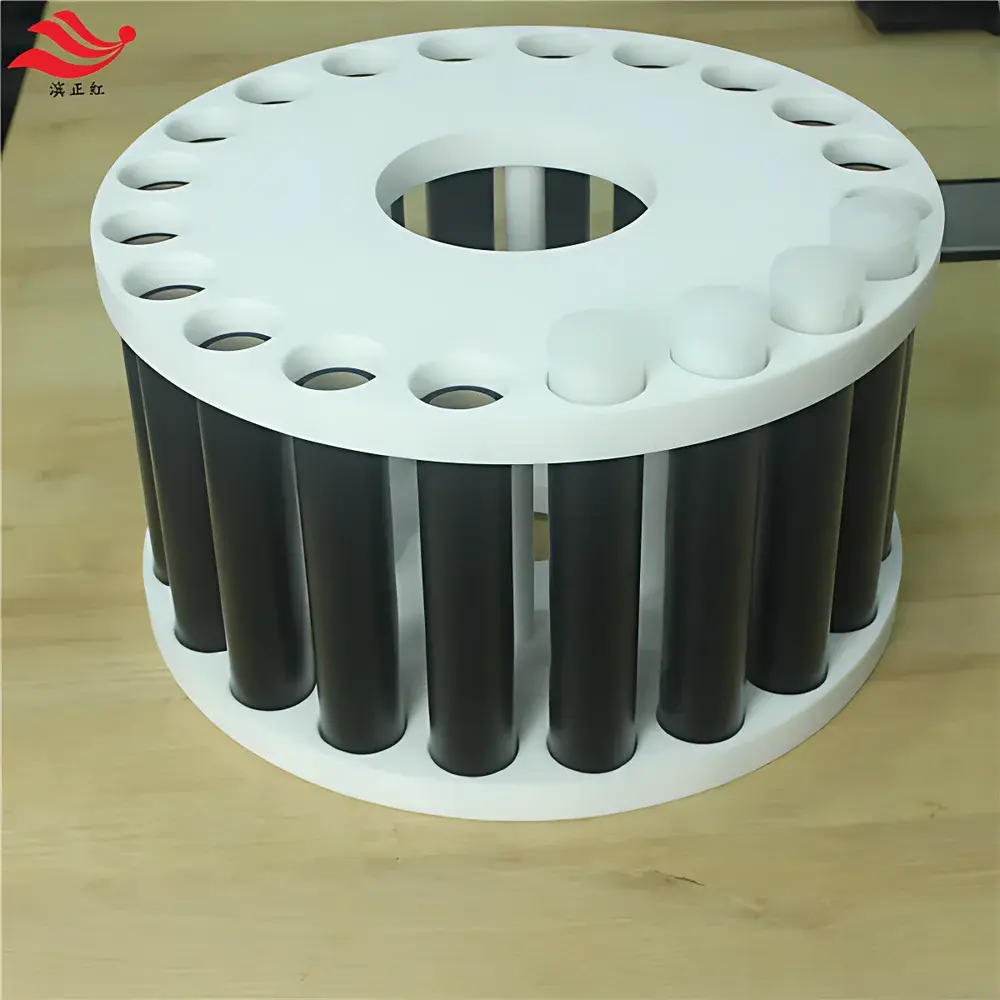
| Digestion Vessel Capacity | 56 mL |
| Vessel Material | TFM inner vessel, PEEK outer vessel |
| Temperature Measurement | Non-contact mid-infrared, 0–300 °C, ±1 °C accuracy |
| Temperature Control Stability | ±1 °C |
| Turntable Speed | 10 rpm, 360° rotation |
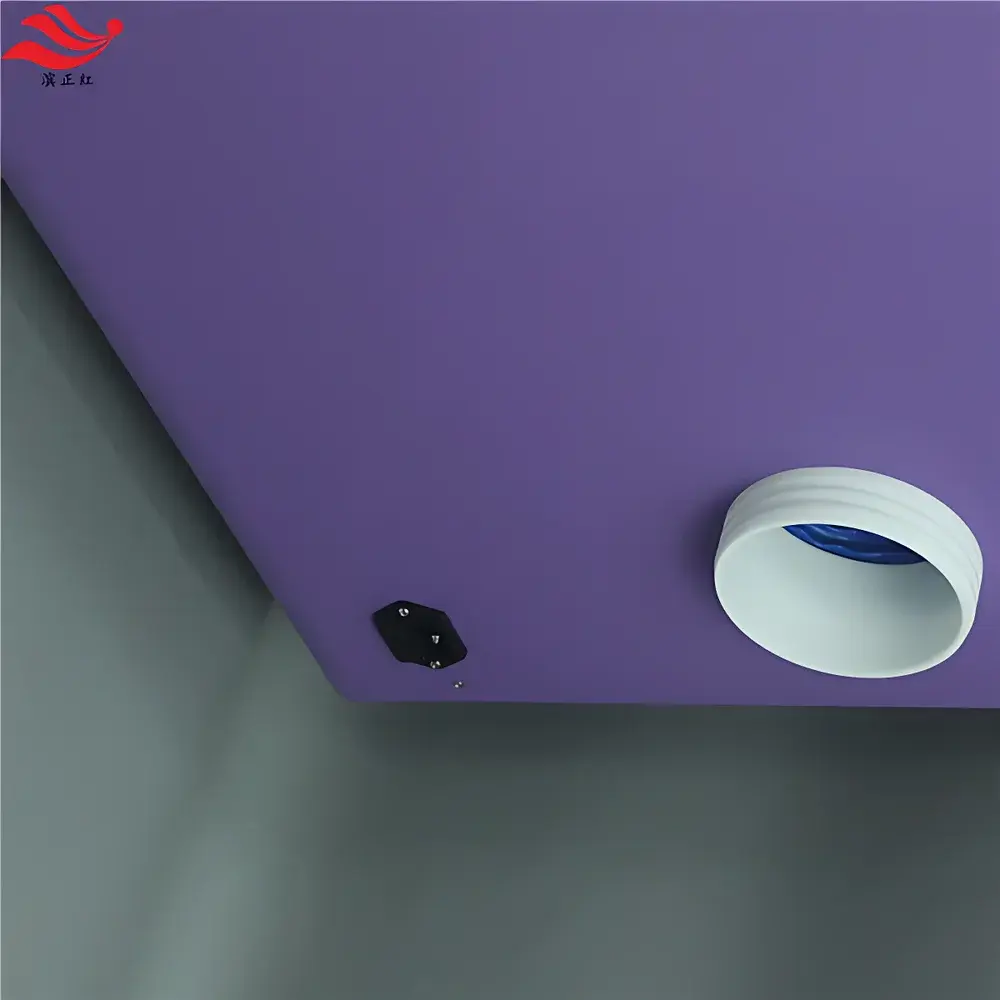
| Ventilation Rate | 5 m³/min (corrosion-resistant centrifugal blower) |
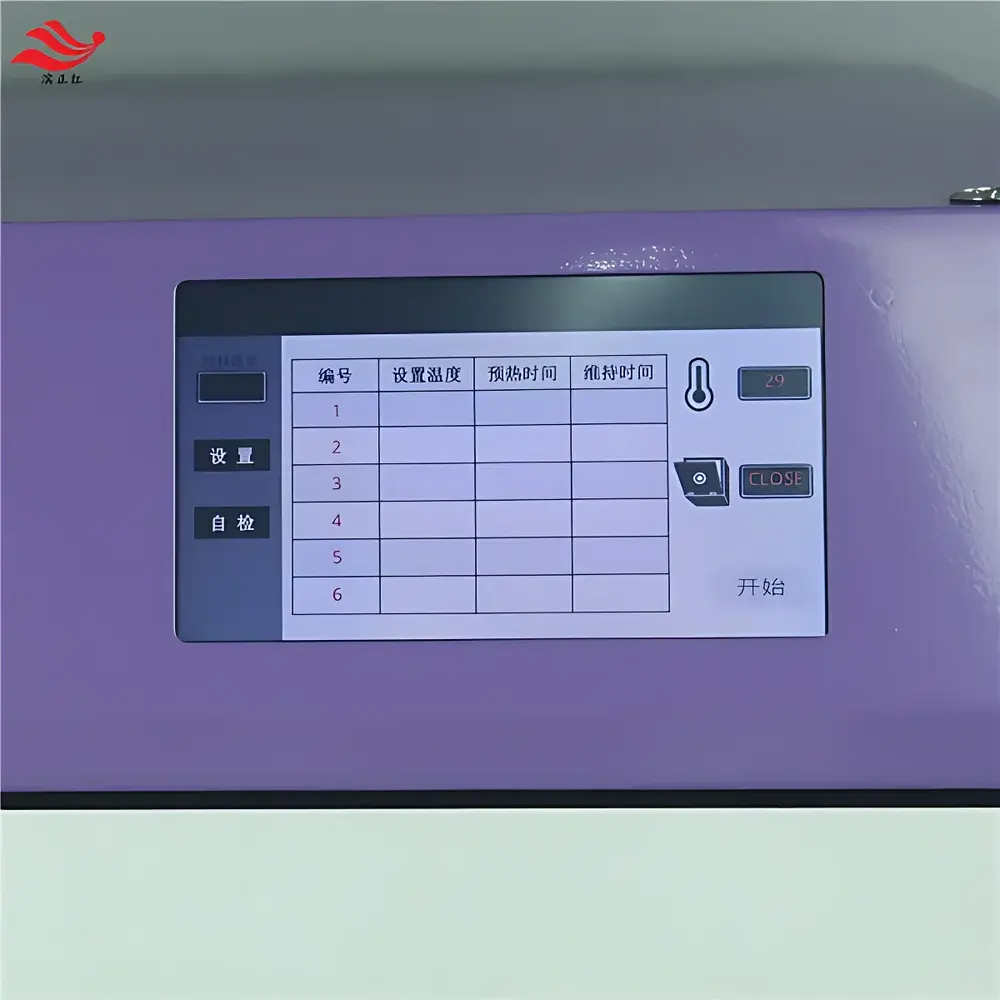
| Display | 7-inch color touchscreen controller |
| Dimensions (W×D×H) | 520 × 640 × 590 mm |
| Weight | 61 kg |
| Cavity Construction | 304 stainless steel, seamless welding, 6-layer PFA coating |
| Safety | Multi-layer explosion-proof door with microwave shielding and auto-locking mechanism |
Overview
The Binzhenghong MD Series Microwave Digestion System is an engineered solution for high-efficiency, reproducible sample preparation in analytical laboratories. Based on controlled microwave energy absorption—where polar molecules (e.g., HNO₃, HCl, H₂O) rapidly convert electromagnetic energy into thermal energy—the system enables rapid, uniform heating of samples sealed within pressurized digestion vessels. Unlike open-vessel hotplate digestion, this closed-vessel approach minimizes analyte loss—especially critical for volatile elements such as As, Cd, Hg, Pb, Se, and Sb—while significantly reducing acid consumption, blank levels, and total processing time. Designed for compliance-driven environments, the MD Series supports method development and routine execution aligned with international standards including EPA Method 3051A/3052, ISO 11466, ASTM D5511, and USP , making it suitable for accredited QC/QA labs operating under GLP or ISO/IEC 17025 frameworks.
Key Features
- Industrial-grade microwave cavity: 56 L volume constructed from seamless 304 stainless steel, internally coated with six layers of PFA (perfluoroalkoxy) for exceptional resistance to aggressive acids (HF, aqua regia, perchloric acid) and long-term corrosion stability.
- Dual-magnetron, non-pulsed microwave generation: Two 2450 MHz magnetrons arranged in offset configuration deliver continuous, dynamically regulated power (0–1600 W) with high-frequency closed-loop feedback—ensuring precise energy delivery and eliminating cold spots.
- Full-vessel infrared temperature monitoring: Mid-infrared pyrometry measures internal temperature of all vessels simultaneously without physical contact; real-time data ensures uniform thermal profiles across the entire rotor, independent of vessel fill volume or matrix composition.
- Self-locking safety door with multi-layer explosion protection: Integrated microwave shielding, pressure-activated interlock, and mechanical fail-safe latching prevent operation under unsafe conditions; meets IEC 61000-4-3 EMC and IEC 60335-1 safety requirements.
- High-capacity, modular rotor system: Interchangeable turntables support 8-, 16-, 24-, and 40-position configurations—each accommodating standard 56 mL TFM/PEEK digestion vessels—enabling throughput scalability without hardware replacement.
- Intelligent 7-inch color touchscreen interface: Preloaded with >100 validated digestion methods; supports user-defined protocol creation, parameter logging (time, power, temp, pressure), password-protected method editing, and audit-trail-enabled operation per FDA 21 CFR Part 11 requirements.
Sample Compatibility & Compliance
The MD Series accommodates a broad spectrum of solid and semi-solid matrices—including foodstuffs, pharmaceutical tablets, soil, sediments, geological ores, polymers, biological tissues, and electronic waste—without requiring pre-dilution or homogenization. All digestion vessels conform to ASTM D5511 and ISO 11466 specifications for pressure-rated labware. The TFM inner vessels (≥99.99% purity) ensure negligible elemental leaching, while reinforced PEEK outer vessels maintain structural integrity at sustained 15 MPa (2200 psi) and 300 °C. System validation documentation supports IQ/OQ/PQ protocols and facilitates regulatory submissions under ISO/IEC 17025, CLIA, and GMP-aligned workflows.
Software & Data Management
The embedded control software provides full traceability: every run logs timestamp, operator ID, method name, real-time temperature/pressure curves, power profile, and final vessel status. Data export is supported via USB 2.0 (CSV, PDF, XML) and optional Ethernet connectivity for LIMS integration. Role-based access control (administrator, analyst, reviewer) enforces data integrity; electronic signatures and immutable audit trails comply with 21 CFR Part 11 Annex 11 requirements. Method libraries can be backed up, version-controlled, and synchronized across multiple instruments—critical for multi-site laboratories maintaining harmonized SOPs.
Applications
This system is routinely deployed in environmental testing labs for heavy metal analysis in soils and wastewater sludge (EPA 6010D/6020B); in food safety labs for multi-element detection in infant formula and seafood (AOAC 2013.06); in pharmaceutical QA for residual catalyst screening in APIs (ICH Q2(R2)); and in academic research for nanoparticle digestion prior to ICP-MS quantification. Its robustness supports extended unattended operation—ideal for overnight batch processing of clinical specimens or high-volume regulatory submissions.
FAQ
What safety certifications does the MD Series hold?
The system complies with IEC 61000-4-3 (EMC immunity), IEC 60335-1 (household and similar electrical appliances safety), and GB 4706.21 (Chinese national standard for microwave ovens). Full CE marking documentation is available upon request.
Can the system be integrated into an automated sample prep workflow?
Yes—via RS-232 or optional Ethernet interface, the MD Series supports external triggering and status reporting for integration with robotic liquid handlers or sample tracking systems.
Is method transfer possible between different rotor configurations?
Absolutely. The software normalizes power delivery and ramp profiles based on total vessel count and mass load, enabling direct scaling from 8- to 40-vessel runs without re-optimization.
What maintenance is required for long-term reliability?
Routine inspection of door seal integrity, cavity coating condition, and exhaust filter cleaning every 200 cycles is recommended. Magnetron lifetime exceeds 5,000 hours under standard operating conditions.
Does the system support digestion with hydrofluoric acid (HF)?
Yes—TFM vessels are fully HF-compatible up to 200 °C and 8 MPa; however, dedicated HF-rated PEEK outer vessels and post-run neutralization protocols must be followed per ASTM D5511 Annex A3 guidelines.







