
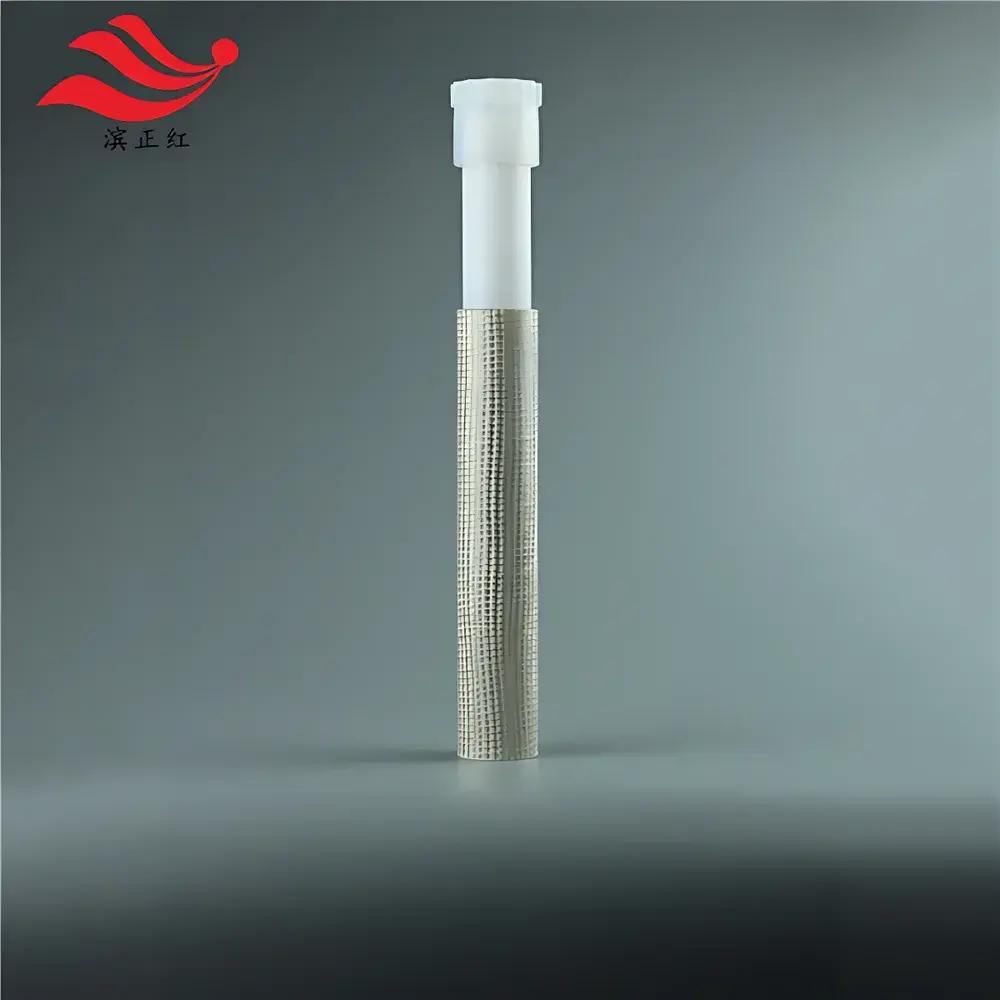
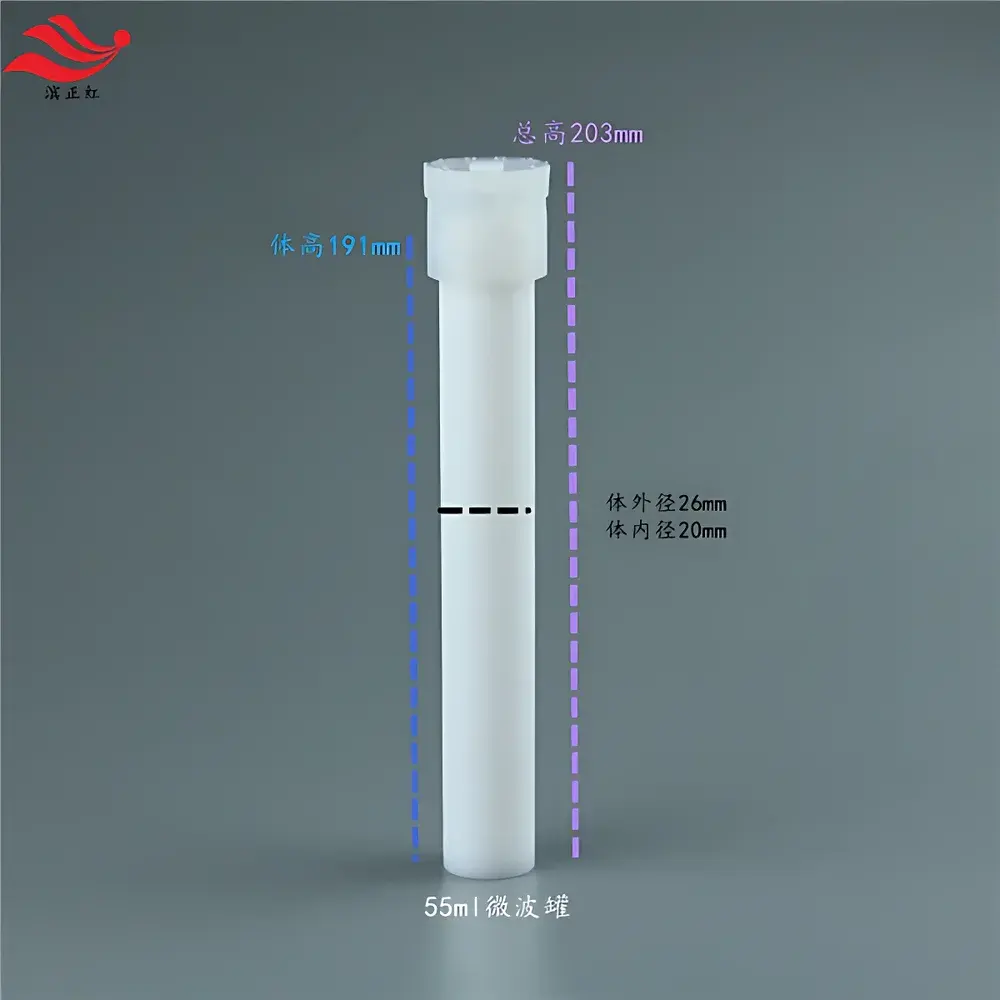
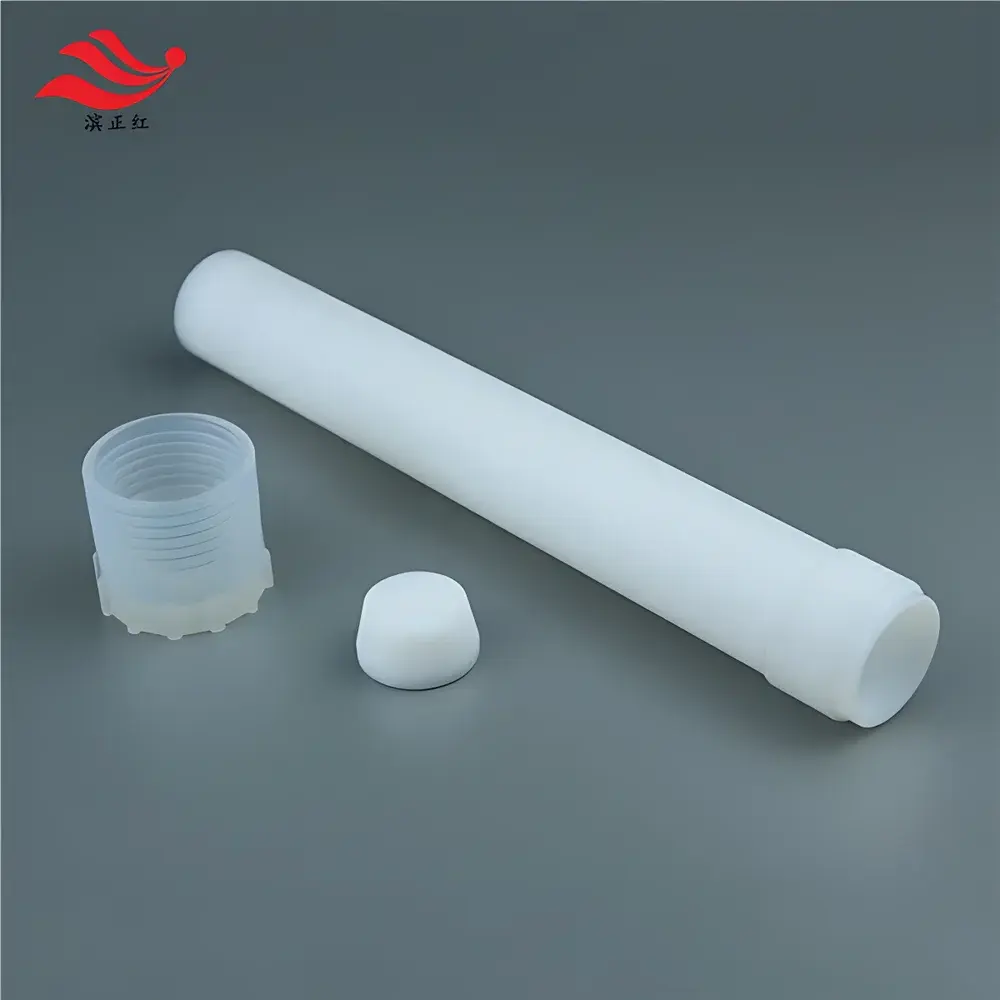
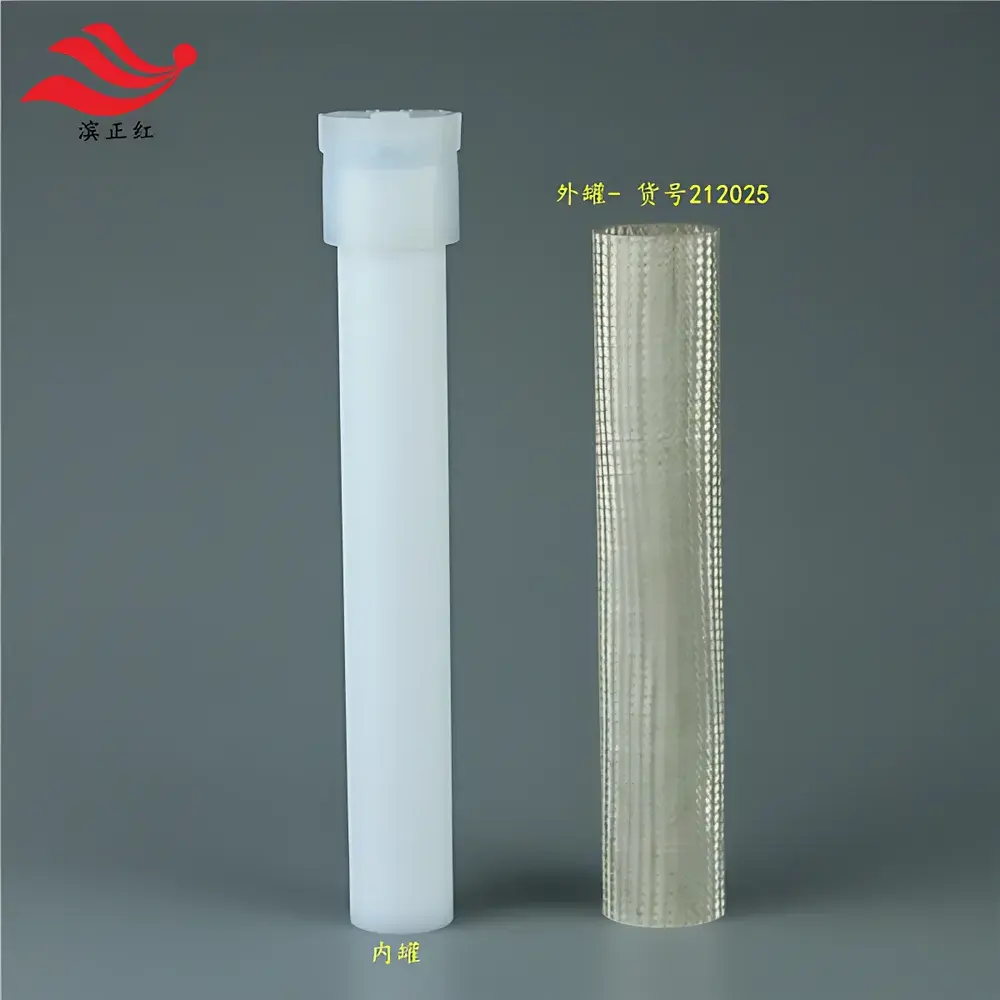
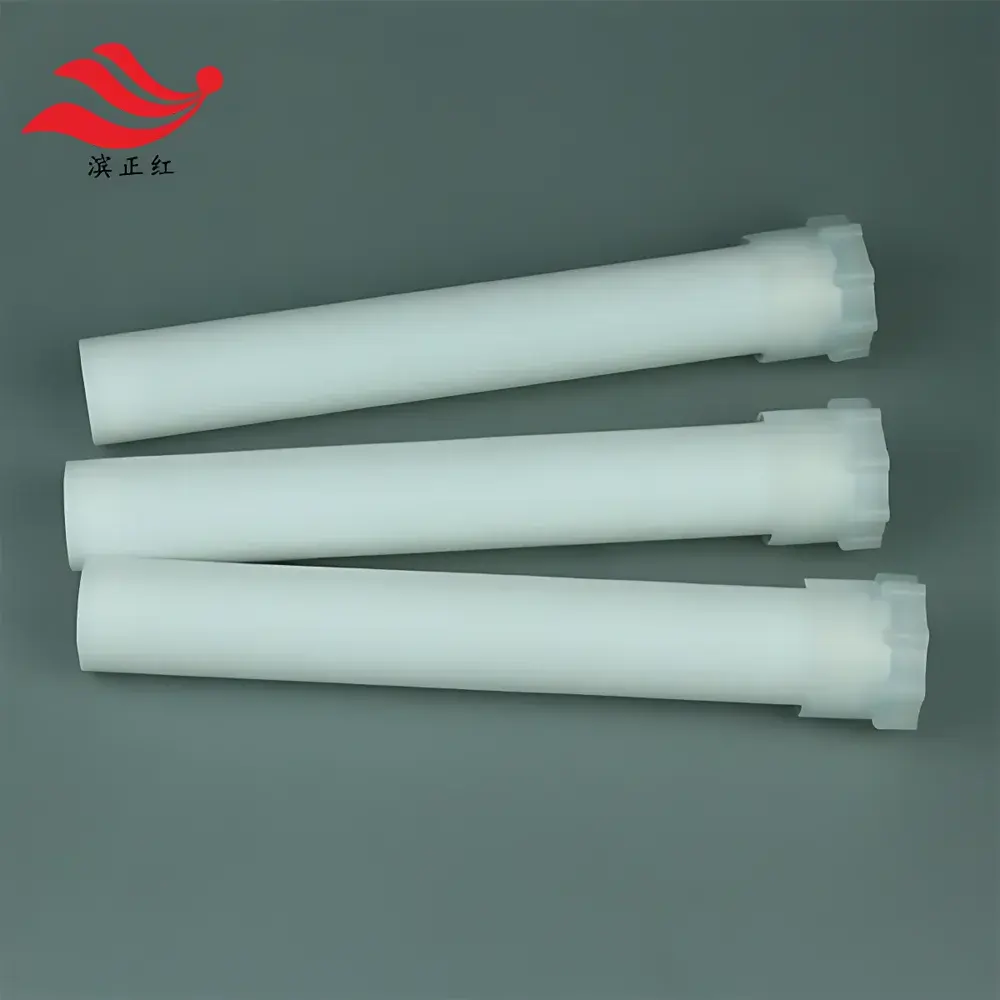
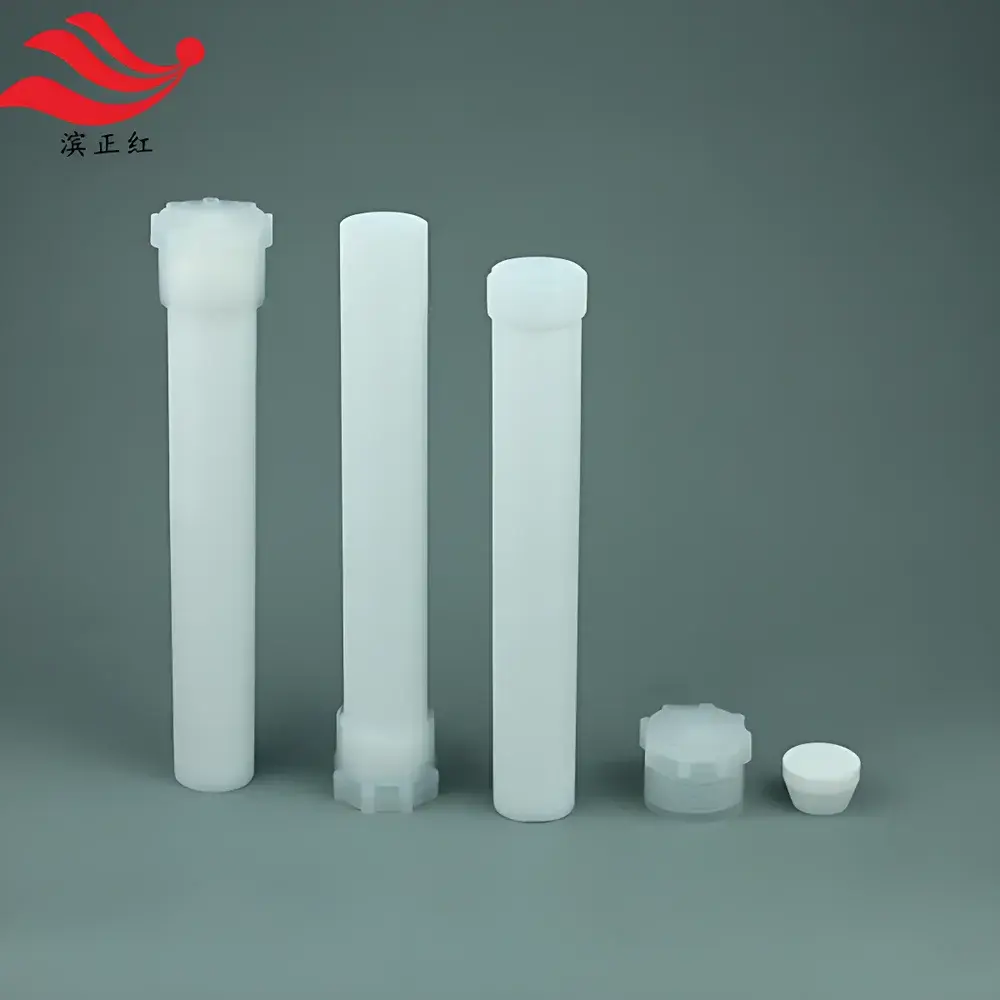
Binzhenghong NJ-40-55 TFM Microwave Digestion Vessels for Mars 6 Systems
| Brand | Binzhenghong |
|---|---|
| Origin | Jiangsu, China |
| Manufacturer Type | Direct Manufacturer |
| Country of Origin | Domestic (China) |
| Model | NJ-40-55ml |
| Sample Capacity | 40 vessels |
| Vessel Volume | 55 mL |
| Liner Material | TFM (Modified PTFE) |
| Compatible Platform | CEM MARS 6 Microwave Digestion Systems |
| Max Operating Temperature | 260 °C |
| Max Operating Pressure | 50 bar |
| Temperature Measurement Accuracy | ±2 °C |
| Temperature Uniformity | ±2 °C |
| Temperature Control Stability | High repeatability under dynamic microwave load |
| Microwave Source | Magnetron-based power supply (system-integrated) |
Overview
The Binzhenghong NJ-40-55 TFM Microwave Digestion Vessels are precision-engineered consumables designed exclusively for integration with CEM MARS 6 microwave digestion platforms. These vessels operate on the principle of closed-vessel microwave-assisted acid digestion—where controlled microwave energy rapidly heats sealed reaction chambers containing sample matrices and aggressive reagents (e.g., HNO₃, HF, HCl), enabling complete mineralization of organic and inorganic materials under elevated temperature and pressure conditions. Engineered to withstand sustained exposure to corrosive acids at temperatures up to 260 °C and pressures up to 50 bar, the NJ-40-55 series supports high-throughput elemental analysis workflows in environmental, geological, food safety, and clinical laboratories where regulatory compliance and method reproducibility are critical.
Key Features
- TFM (tetrafluoroethylene-perfluoroalkyl vinyl ether copolymer) liner material: superior chemical resistance vs. standard PTFE—particularly against hot hydrofluoric acid, aqua regia, and mixed oxidizing acids.
- 40-position configuration: optimized for full utilization of the MARS 6 rotor geometry, enabling batch processing without manual repositioning or vessel rotation.
- Precision-machined sealing interface: ensures consistent torque application and leak-free operation across all 40 vessels during pressurized cycles.
- Thermal stability verified per ASTM E2913-13: maintains structural integrity and dimensional consistency after repeated thermal cycling from ambient to 260 °C.
- Trace-metal-clean manufacturing: produced in ISO 8573-1 Class 3 cleanroom environments; certified free of detectable leachable Cr, Ni, Cu, Pb, and As per ICP-MS screening (detection limit ≤ 10 pg/mL).
- Autoclave-compatible outer sleeves: borosilicate glass-reinforced polyetherimide (PEI) support structures rated for >1000 digestion cycles when used within specified thermal/pressure envelopes.
Sample Compatibility & Compliance
These vessels accommodate solid, semi-solid, and liquid samples—including soils, sediments, biological tissues, polymers, and pharmaceutical excipients—within defined mass limits (≤ 0.5 g solids, ≤ 2 mL liquids). They comply with EPA Method 3051A, 3052, and ASTM D5511 for trace metal determination, and are validated for use in laboratories adhering to ISO/IEC 17025:2017 accreditation requirements. All lot numbers undergo batch-specific certificate of conformance (CoC), including pressure-test validation records and extractable metals profiling. No animal-derived components or silicone lubricants are used in production—ensuring compatibility with GLP and FDA 21 CFR Part 11–aligned data integrity frameworks.
Software & Data Management
While the NJ-40-55 vessels themselves are passive hardware components, their performance is fully tracked and auditable within CEM’s iWave™ software ecosystem. Each digestion run logs vessel position ID, real-time temperature/pressure profiles, ramp-hold-cool parameters, and end-point validation flags. Audit trails include operator login, method version, calibration timestamp, and electronic signatures—all compliant with ALCOA+ principles (Attributable, Legible, Contemporaneous, Original, Accurate, Complete, Consistent, Enduring, Available). Raw thermal data export supports CSV, XML, and LIMS-integrated formats for secondary statistical analysis (e.g., ANOVA of inter-vessel temperature variance).
Applications
- Multi-element quantification via ICP-OES and ICP-MS in environmental monitoring (e.g., heavy metals in wastewater sludge per ISO 11885).
- Digestion of high-silica geological samples requiring HF-based protocols—enabled by TFM’s resistance to etching and swelling.
- Preparation of reference materials (e.g., NIST SRM 1573a Tomato Leaves) for laboratory proficiency testing.
- Pharmaceutical impurity profiling: residual catalyst metals (Pd, Pt, Rh) in active pharmaceutical ingredients (APIs) per USP <232>/<233>.
- Nutritional analysis of fortified foods and dietary supplements, aligned with AOAC 999.10 and EN 13804:2013.
FAQ
Are these vessels certified for use with CEM MARS 6 systems?
Yes—each NJ-40-55 lot undergoes mechanical fit verification and pressure-cycle validation using OEM MARS 6 rotors and sensor arrays.
What is the recommended maximum number of reuse cycles?
Under routine EPA 3052 conditions (180 °C, 45 bar, HNO₃/HF), typical service life exceeds 80 cycles; visual inspection for discoloration, warping, or seal degradation is required before each use.
Do the vessels include integrated temperature sensors?
No—temperature measurement is performed externally by the MARS 6 system’s dual IR/fiber-optic probes; vessel design ensures unobstructed optical path alignment.
Is cleaning validation documentation available?
Yes—validated cleaning SOPs (using 10% HNO₃ soak + ultrasonic rinse) and blank testing reports are provided with every order.
Can these be used in other microwave platforms such as Anton Paar Multiwave PRO?
Not without mechanical adaptation—the NJ-40-55 is dimensionally and torque-spec matched only to CEM MARS 6 rotor geometry and lid actuation mechanism.



