
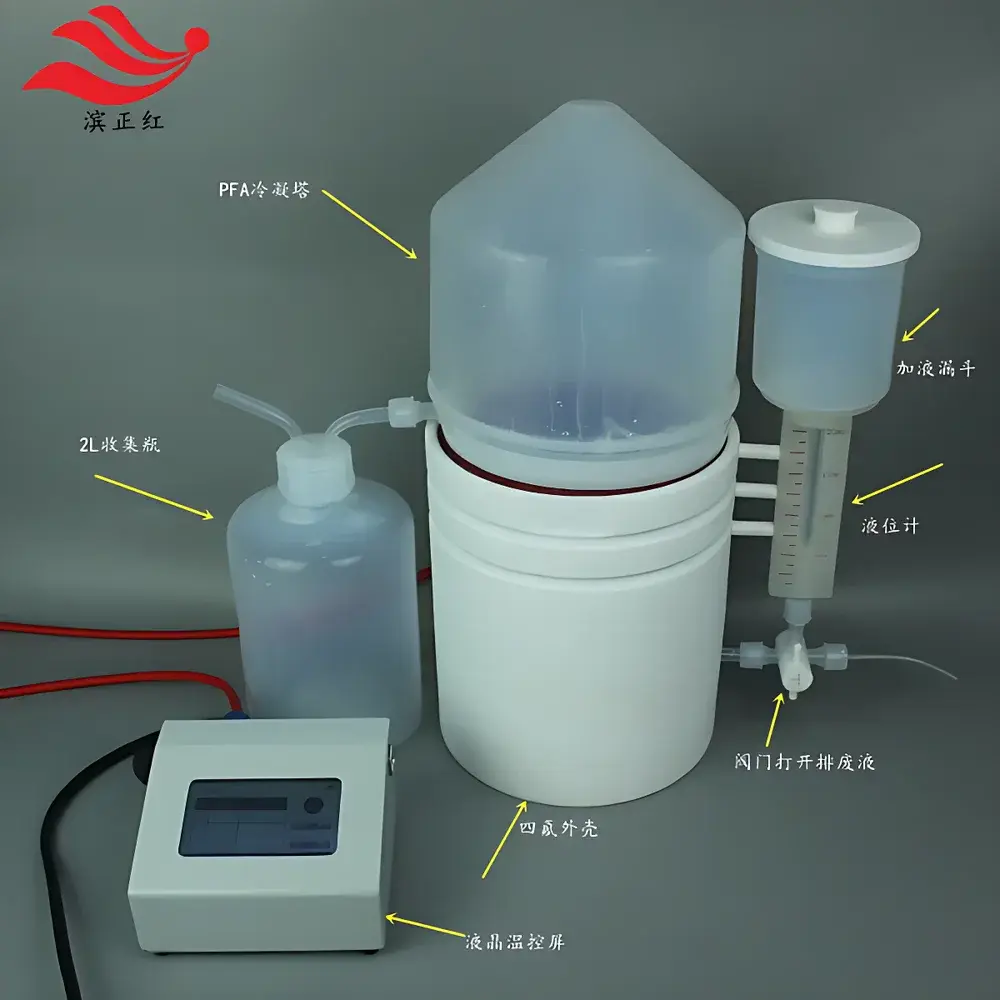
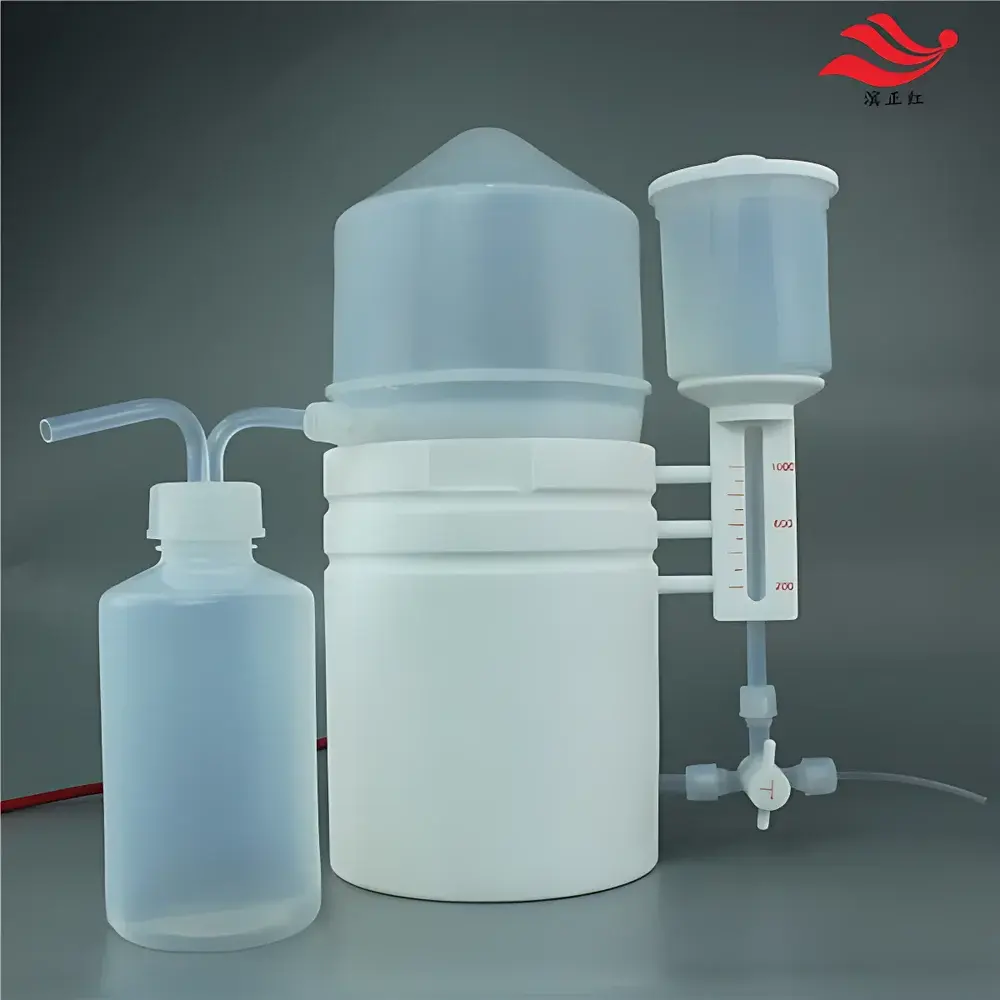
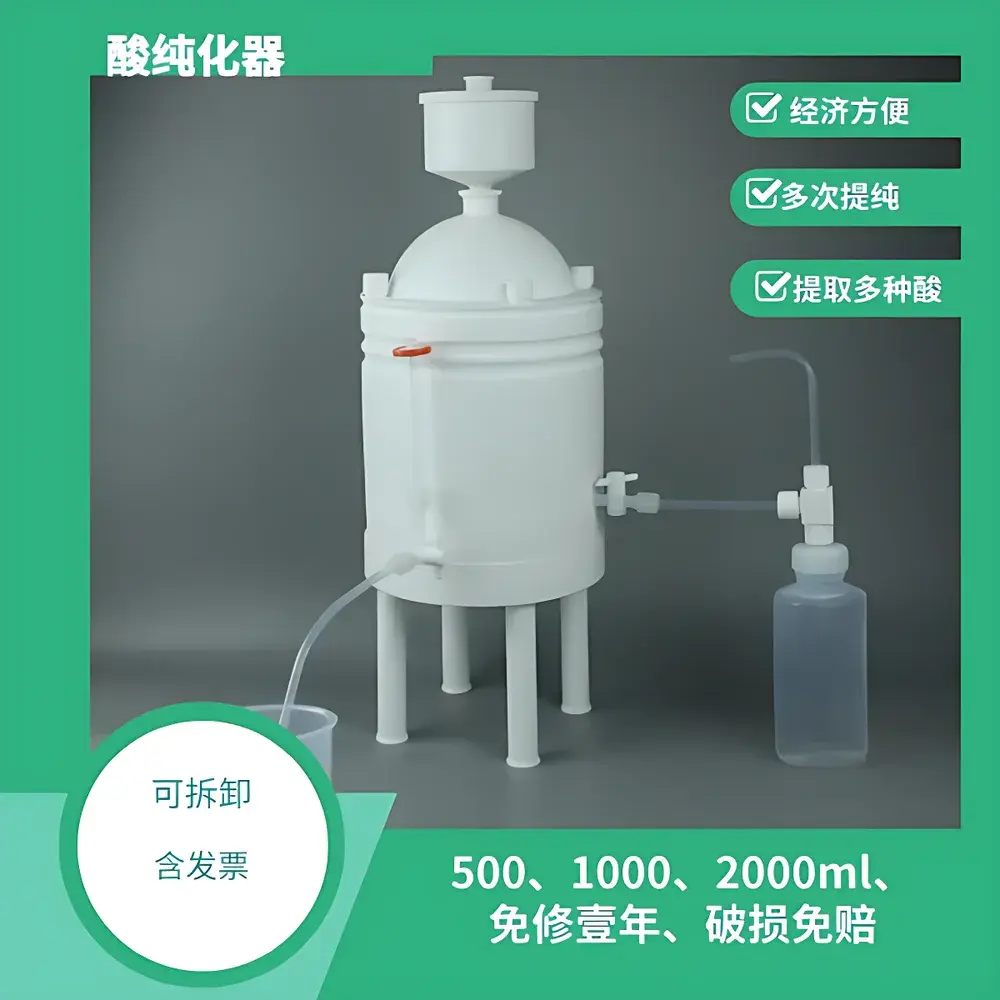
Binzhenghong PFA Sub-Boiling Acid Purifier – Model NJ-SCH-I (1000 mL) & NJ-SCH-II (2000 mL)
| Brand | Binzhenghong |
|---|---|
| Origin | Jiangsu, China |
| Manufacturer Type | Direct Manufacturer |
| Model | NJ-SCH-I (1000 mL), NJ-SCH-II (2000 mL) |
| Instrument Type | Sub-boiling Distillation Apparatus |
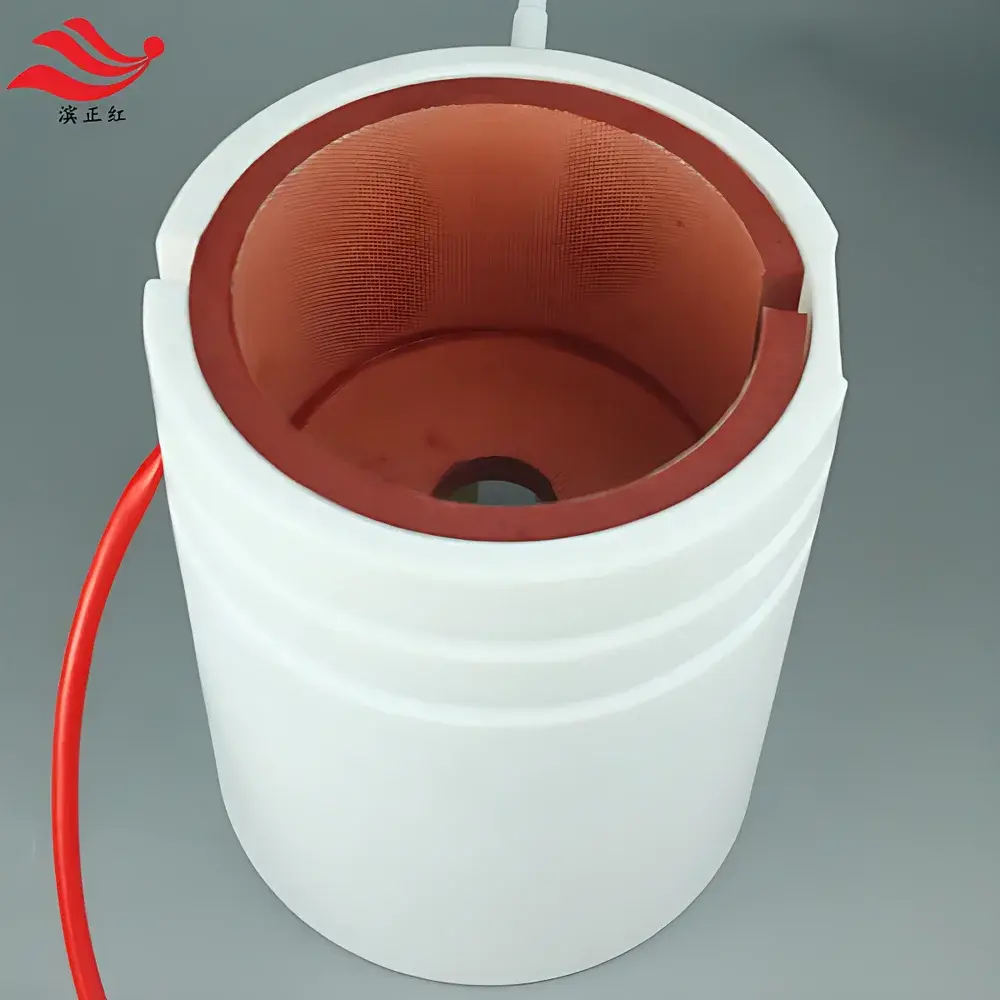
| Heating Method | Silicone Heater Pad |
| Distillation Rate | 70 mL/h (NJ-SCH-II), 50 mL/h (NJ-SCH-I) |
| Warm-up Time | ≤60 min |
| Temperature Control | PID Digital Display with ±1 °C Accuracy |
| Voltage | 220 V / 50 Hz |
| Power Consumption | ≤400 W (Variable-Frequency Adjustable) |
| Construction Material | Entire Distillation Pathway in Transparent PFA |
| Compliance | Metal-Free Architecture, Suitable for Ultra-Trace Elemental Analysis |
Overview
The Binzhenghong PFA Sub-Boiling Acid Purifier (Models NJ-SCH-I and NJ-SCH-II) is a laboratory-grade, metal-free distillation system engineered for the ultra-high-purity preparation of mineral acids and solvents used in trace elemental analysis. Operating on the principle of sub-boiling (or near-boiling) distillation, the unit maintains the feed acid at a temperature just below its atmospheric boiling point—typically 5–15 °C below—thereby minimizing volatile impurity carryover while suppressing decomposition and oxidation of thermally sensitive species. This thermal regime ensures selective vaporization of the acid matrix while retaining non-volatile metallic contaminants—including Fe, Al, Cr, Ni, Cu, Zn, and rare earth elements—in the residue. Designed explicitly for applications demanding ppt-level (sub-0.01 ppb) metal contamination control, the purifier supports rigorous analytical workflows in ICP-MS, HR-ICP-MS, GF-AAS, and EPA Method 200.2/6020B compliant laboratories.
Key Features
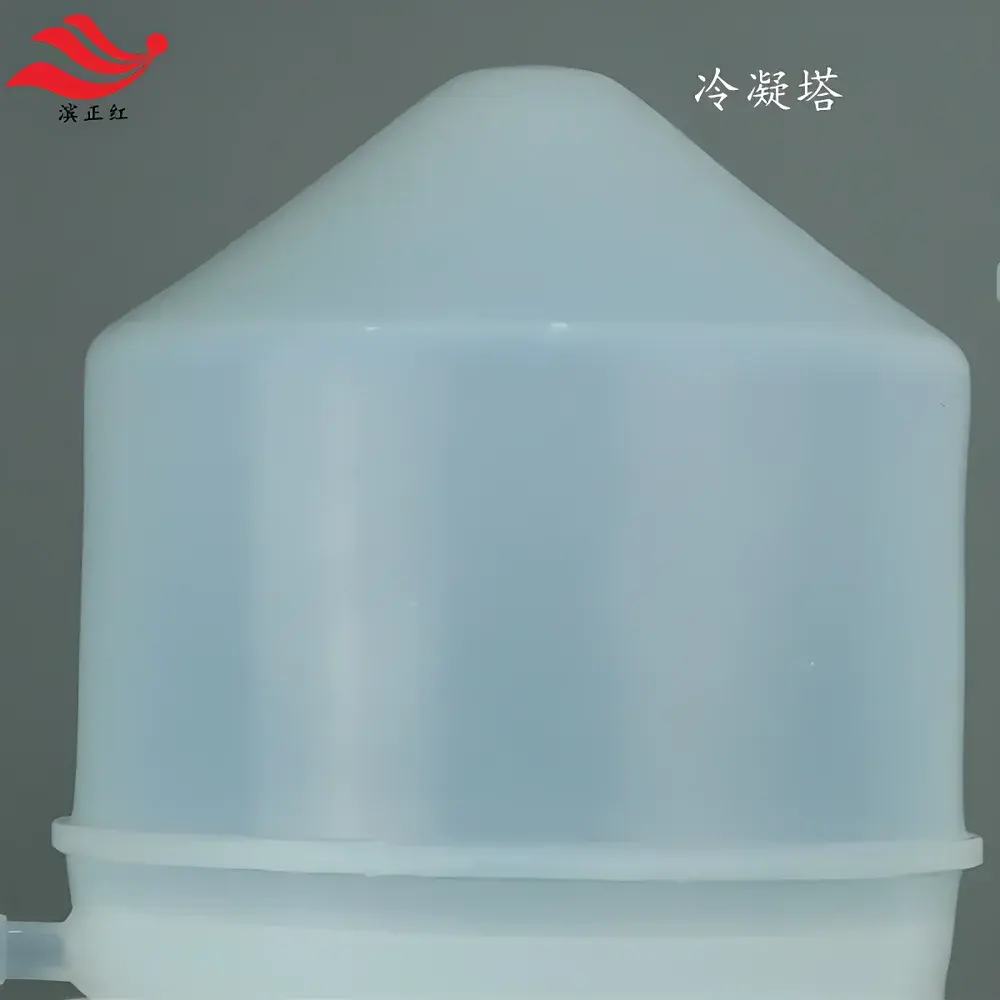
- Full-path fluoropolymer construction: Distillation chamber, condenser, collection channel, and feed funnel are fabricated from transparent, high-purity PFA (perfluoroalkoxy alkane), enabling real-time visual monitoring of liquid level, boiling behavior, and condensate formation without compromising chemical inertness.
- Metal-free architecture: No stainless steel, glass joints, or metallic heating elements contact the acid stream—eliminating leaching risks associated with traditional quartz or borosilicate sub-boiling systems.
- Integrated PTFE structural frame: Corrosion-resistant support housing minimizes footprint and enhances long-term stability in aggressive fume hood environments.
- PID-controlled silicone heating pad: Delivers precise, uniform thermal input with ±1 °C setpoint accuracy and variable-frequency power modulation to sustain stable sub-boiling conditions across varying ambient and load conditions.
- Passive air-cooled condensation: Eliminates external water supply, reducing infrastructure dependency and preventing cross-contamination from cooling water circuits.
- Ergonomic three-way waste valve: Clearly marked directional indicators enable safe, unambiguous disposal of residual concentrate without disassembly.
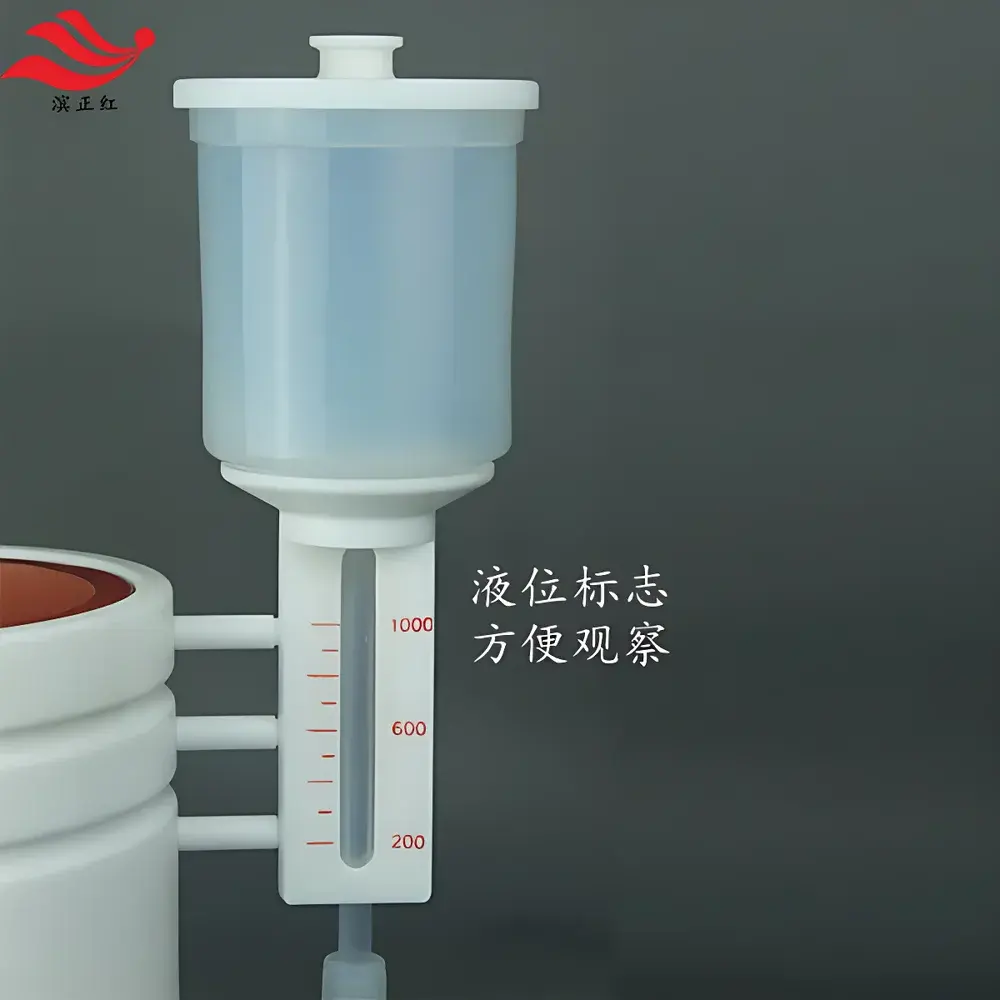
- Graduated feed funnel: Enables accurate volumetric charging (up to 1000 mL or 2000 mL capacity) and facilitates batch repeatability and process documentation.
Sample Compatibility & Compliance
The NJ-SCH series is validated for sub-boiling purification of nitric acid (HNO₃), hydrochloric acid (HCl), hydrofluoric acid (HF), ultrapure water (UPW), and select low-boiling organic solvents (e.g., methanol, acetone). Each unit achieves ≥3-log reduction in transition metal content—e.g., reducing initial contaminant levels of ~10 ppb to ≤0.01 ppb after single-pass distillation. The all-PFA pathway meets ASTM D5127 (Standard Guide for High-Purity Water Used in Semiconductor Processing) material compatibility requirements and aligns with ISO/IEC 17025 clause 5.5.2 for equipment suitability in accredited testing laboratories. As a Class II laboratory device, it supports GLP/GMP-aligned recordkeeping when integrated with compliant data acquisition systems.
Software & Data Management
While the NJ-SCH series operates as a stand-alone analog-controlled instrument, its digital PID controller provides RS-232 or optional RS-485 interface capability for integration into centralized lab monitoring platforms. Temperature setpoints, runtime logs, and heater duty cycles can be exported for audit trails. When deployed in regulated environments (e.g., pharmaceutical QC labs), users may pair the unit with 21 CFR Part 11-compliant electronic lab notebooks (ELNs) to maintain full traceability of purification batches—including operator ID, acid lot number, feed volume, distillate volume, and final collection time stamp.
Applications
- Preparation of calibration standards and blanks for ICP-MS and sector-field MS analysis requiring detection limits <0.1 fg/g.
- Acid digestion reagent purification prior to microwave-assisted sample dissolution (EPA 3051A, ASTM D5683).
- Generation of ultra-low-background acids for nuclear forensics, geochemical isotope ratio analysis (MC-ICP-MS), and semiconductor wafer cleaning protocols.
- Recovery and reuse of spent HF/HNO₃ etchants in microelectronics R&D, where chloride and sulfate residues must remain below 10 ppt.
- Supporting ISO 15195 (Reference measurement systems for laboratory medicine) traceability chains via certified acid purity verification.
FAQ
Can this system purify hydrofluoric acid (HF) safely?
Yes—the entire fluid path is constructed from PFA, which exhibits exceptional resistance to HF corrosion even at elevated temperatures and concentrations up to 49%. No secondary containment is required beyond standard fume hood use.
Is water cooling necessary for condensation?
No—condensation occurs via natural convection and ambient air exchange within the PFA cold finger assembly. This eliminates risk of coolant leakage and simplifies installation in space-constrained hoods.
What maintenance is required between runs?
After each batch, rinse the PFA chamber and funnel with high-purity water, followed by air-drying. No descaling or gasket replacement is needed due to absence of metal or elastomeric components.
How does sub-boiling differ from conventional distillation in purity outcomes?
Sub-boiling avoids nucleate boiling and foam formation, suppressing aerosol entrainment and volatile metal-chloride/hydroxide complexes that co-distill under full-boil conditions—resulting in consistently lower background signals in mass spectrometry.
Can multiple acid types be processed sequentially in one unit?
We strongly recommend dedicated units per acid type to prevent cross-contamination. Residue carryover—even at sub-ppq levels—can compromise subsequent analyses; method validation requires strict segregation per SOP 102.3 (Trace Metals Handling).



