
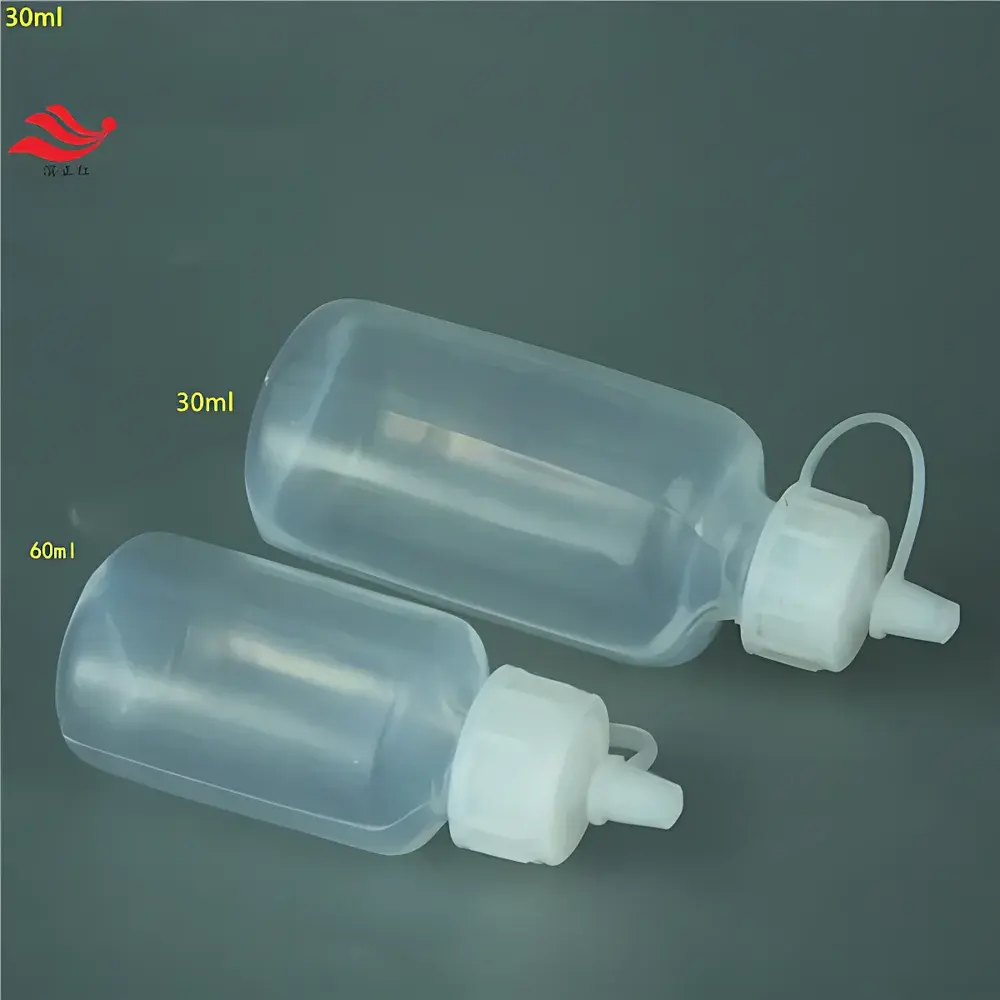
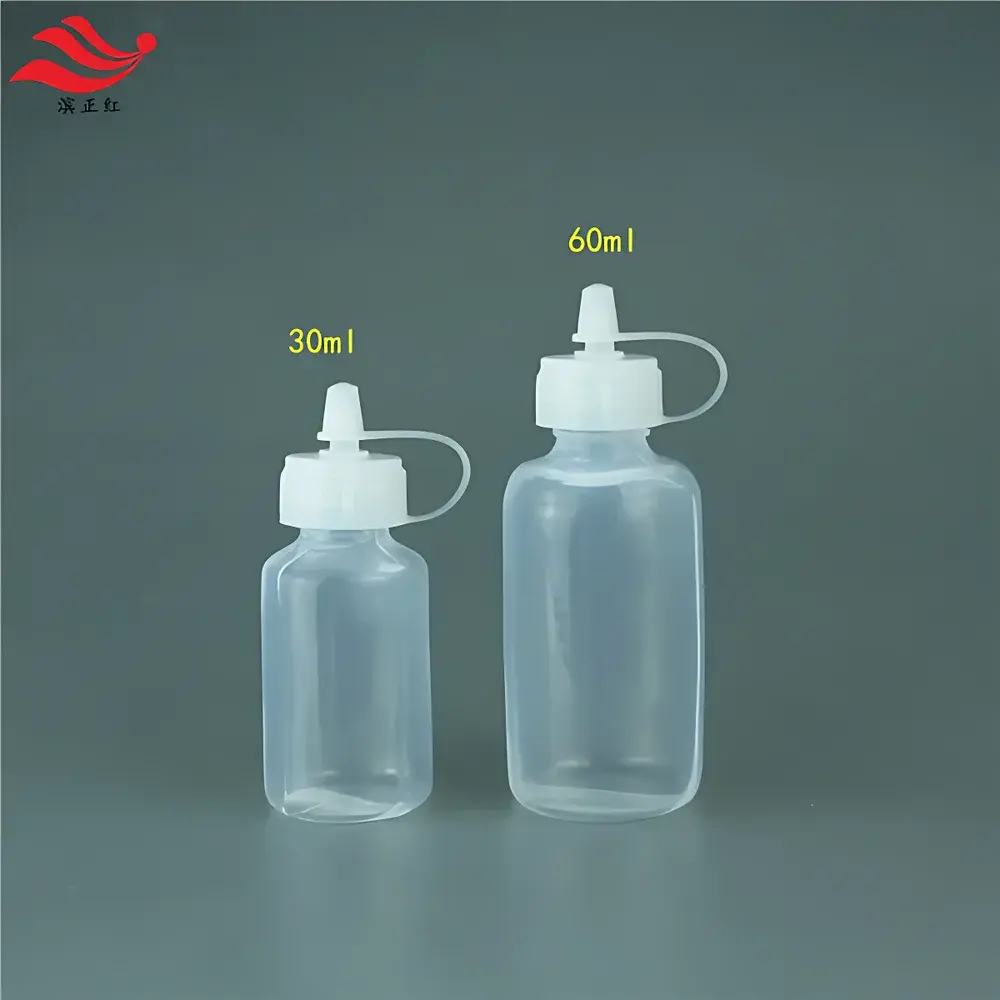
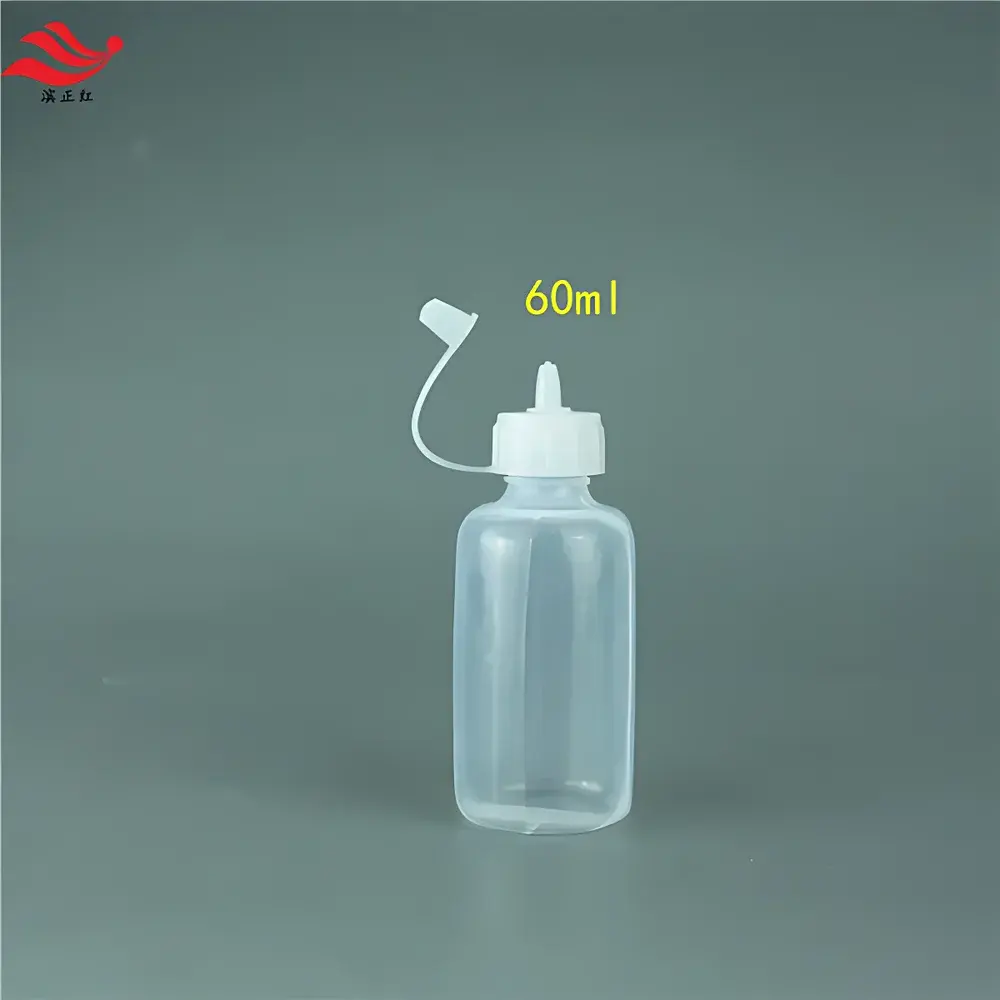
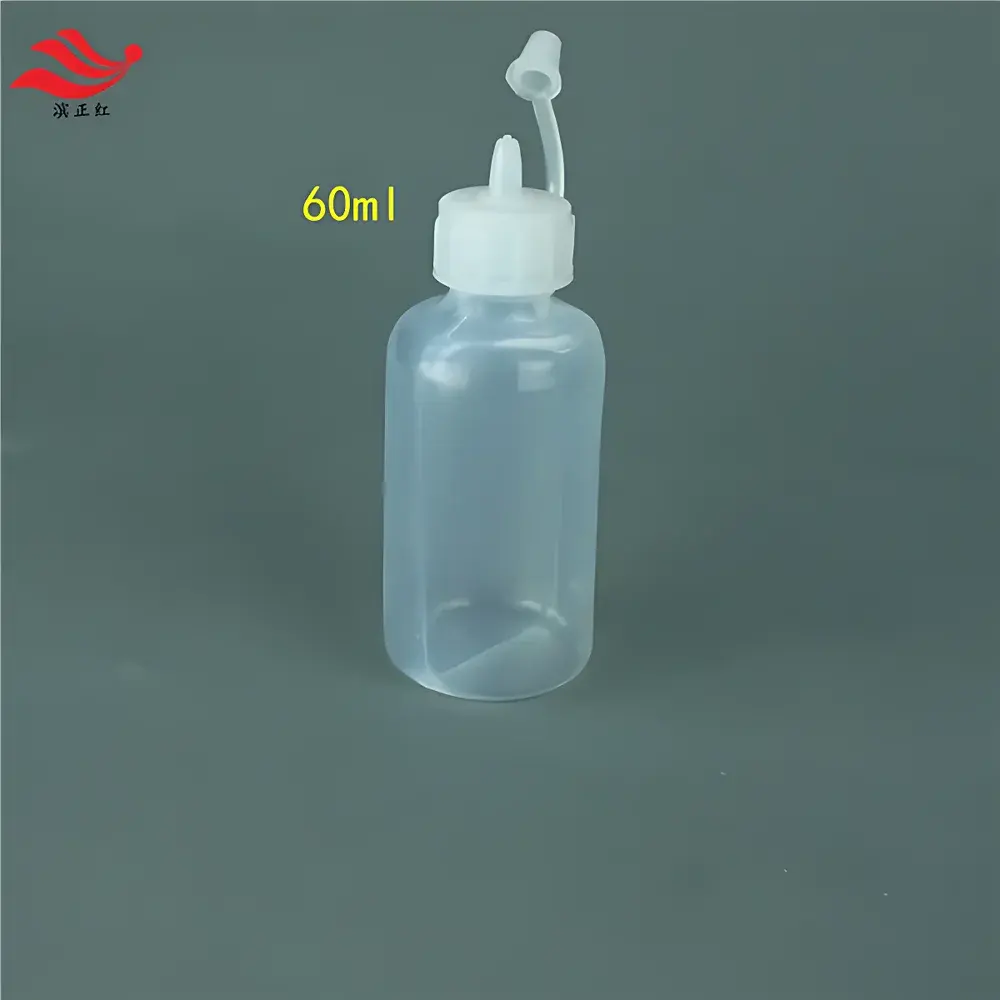
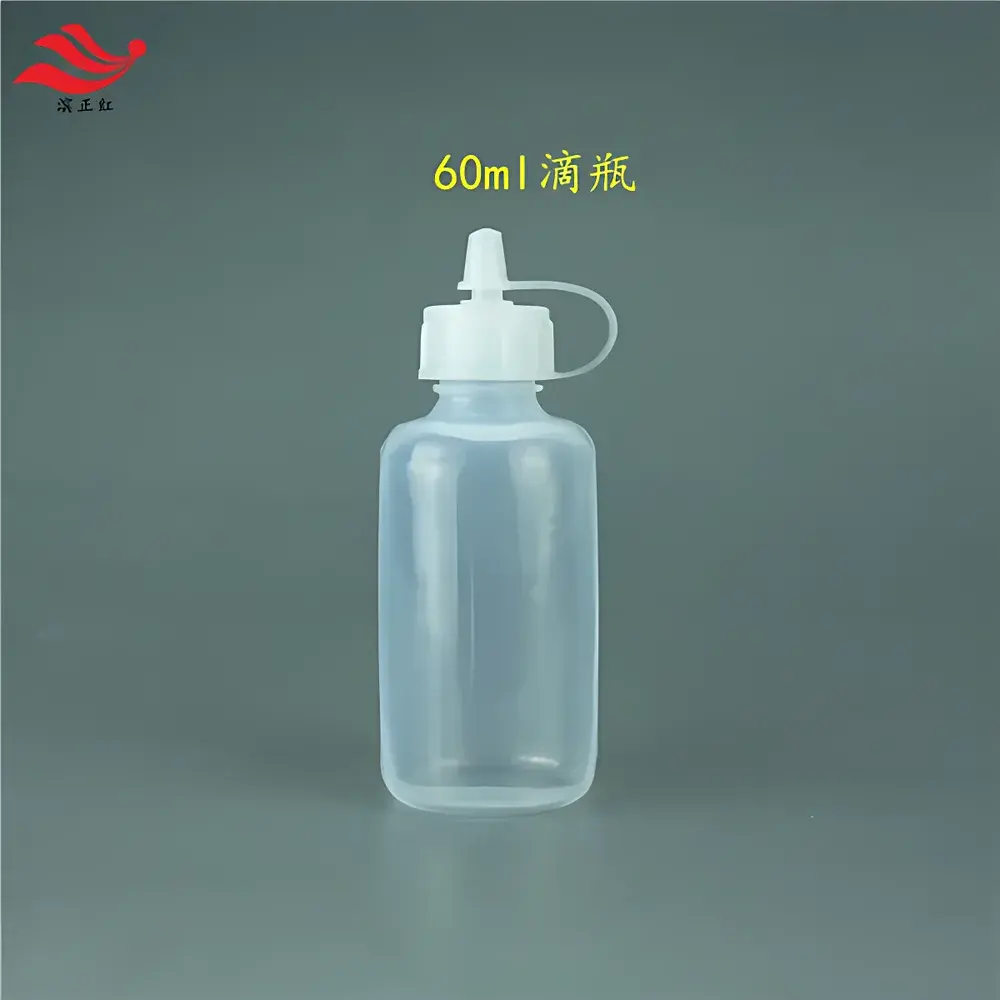
Binzhenghong PFA Transparent Dropper Bottles (30 mL & 60 mL)
| Brand | Binzhenghong |
|---|---|
| Origin | Jiangsu, China |
| Manufacturer Type | Direct Producer |
| Country of Origin | China |
| Capacity Options | 30 mL, 60 mL |
| Pricing | Upon Request |
Overview
The Binzhenghong PFA Transparent Dropper Bottles are precision-engineered laboratory dispensing vessels fabricated entirely from high-purity perfluoroalkoxy alkane (PFA), a fluoropolymer renowned for its exceptional chemical inertness, thermal stability, and ultra-low extractables. Designed for critical applications in analytical chemistry, reference standard preparation, and high-purity reagent handling, these dropper bottles operate on gravity-fed liquid dispensing principles—enabling controlled, dropwise delivery without mechanical actuation or air displacement artifacts. Unlike polypropylene or HDPE alternatives, PFA exhibits near-zero leachables across pH 0–14 and temperatures ranging from –200 °C to +260 °C, making it suitable for storing and dispensing aggressive solvents (e.g., concentrated HF, fuming nitric acid, molten alkali metals), ultratrace metal standards, and isotopically enriched compounds where background contamination must be minimized to sub-part-per-trillion levels.
Key Features
- Monolithic PFA construction: Entire bottle—including body, integrated dropper tip, and screw cap—is molded from virgin, ASTM D4895-compliant PFA resin, eliminating adhesive interfaces or gasket materials that could introduce particulates or extractables.
- Autoclavable design: Seamless nozzle-and-cap geometry permits full-cycle steam sterilization at 121 °C, 15 psi for 20 minutes without deformation or seal degradation—validated per ISO 17665-1 for repeated use in GLP-compliant environments.
- Optical clarity: High-transparency PFA enables real-time meniscus observation during volumetric dispensing; refractive index (1.35) closely matches water, reducing parallax error during visual calibration.
- Drop-controlled dispensing: Tapered orifice geometry (nominal ID: 1.2 mm) delivers consistent 25–35 µL droplets under standard lab conditions (22 °C, 45% RH), with coefficient of variation <3.2% (n=100 drops, gravimetrically verified).
- Low-volatility storage integrity: Per USP testing, total organic extractables ≤0.5 µg/cm² after 7-day exposure to 50 °C deionized water; metal leachables (Al, Fe, Cr, Ni, Zn) below ICP-MS detection limits (<0.1 ppt).
Sample Compatibility & Compliance
These bottles are validated for direct contact with Class I–III hazardous chemicals per GHS criteria, including hydrofluoric acid, aqua regia, bromine trifluoride, and anhydrous hydrogen fluoride. They meet the material requirements of ASTM D4895 (PFA specification), USP (plastic packaging systems), and ISO 10993-12 (biological evaluation of medical device materials). For pharmaceutical QC labs, they support FDA 21 CFR Part 11–compliant workflows when used with electronic lab notebooks (ELNs) that log bottle lot numbers, sterilization cycles, and usage timestamps. No silicone lubricants or PTFE liners are used—ensuring compatibility with trace elemental analysis (ICP-MS, GD-MS) and NMR solvent purity protocols.
Software & Data Management
While inherently hardware-only (no embedded electronics), the bottles integrate seamlessly into digital lab infrastructures via standardized labeling: each unit carries a laser-etched alphanumeric lot code traceable to raw material batch certificates (including fluorine content ≥99.999% purity by GC-MS), thermal history logs, and extractables test reports. When paired with LIMS platforms such as LabVantage or Thermo Fisher SampleManager, users can assign unique identifiers, track sterilization cycles, and associate dispense events with sample IDs—fulfilling ALCOA+ data integrity principles (Attributable, Legible, Contemporaneous, Original, Accurate, Complete, Consistent, Enduring, Available).
Applications
- Preparation and long-term storage of CRM (Certified Reference Materials) for environmental testing (EPA Method 200.8, ISO 17294-2).
- Dispensing calibration standards in semiconductor fab wet benches where metallic contamination must remain <0.01 ppt.
- HPLC mobile phase additive handling—particularly for ion-pairing reagents (e.g., tetrabutylammonium salts) prone to adsorption on glass or polyethylene surfaces.
- Trace sulfur analysis (ASTM D7097) requiring sulfur-free containers to avoid false positives.
- Radiochemistry labs handling 18F-labeled tracers, where residual halogen impurities could quench radiolabeling efficiency.
FAQ
Can these bottles be used for quantitative volumetric transfer?
Yes—when calibrated gravimetrically against NIST-traceable weights, the 30 mL and 60 mL variants achieve ±0.3% volumetric accuracy for single-drop delivery and ±0.8% for full-bottle dispensing (per ISO 648 guidelines).
Is PFA compatible with hot concentrated sulfuric acid?
Yes—PFA maintains structural integrity and chemical resistance up to 200 °C in 98% H2SO4, unlike ETFE or FEP which soften above 150 °C.
Do the bottles require preconditioning before first use?
For ultra-trace applications, rinse thrice with high-purity solvent (e.g., Optima™ grade) and dry under nitrogen; no baking is required due to inherent low outgassing (TGA weight loss <0.02% at 250 °C).
Are replacement caps available separately?
Yes—Binzhenghong supplies OEM-matched PFA caps (PN: BZ-PFA-CAP-30/60) with identical torque specifications (1.8–2.2 N·m) to maintain leak-tight performance across >50 autoclave cycles.
How does PFA compare to FEP for acid storage?
PFA offers superior creep resistance and higher continuous-use temperature (260 °C vs. 200 °C for FEP), with lower gas permeability—critical for volatile HF or ClF3 containment.



