
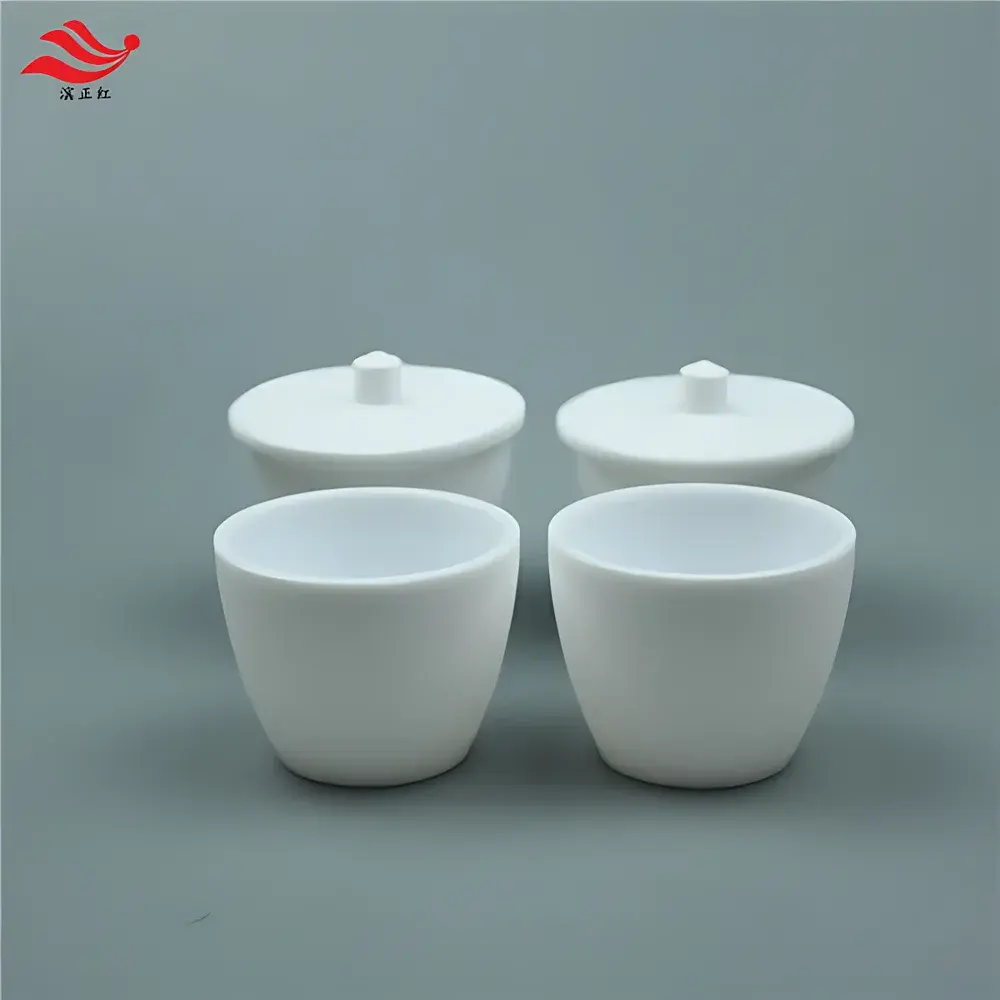
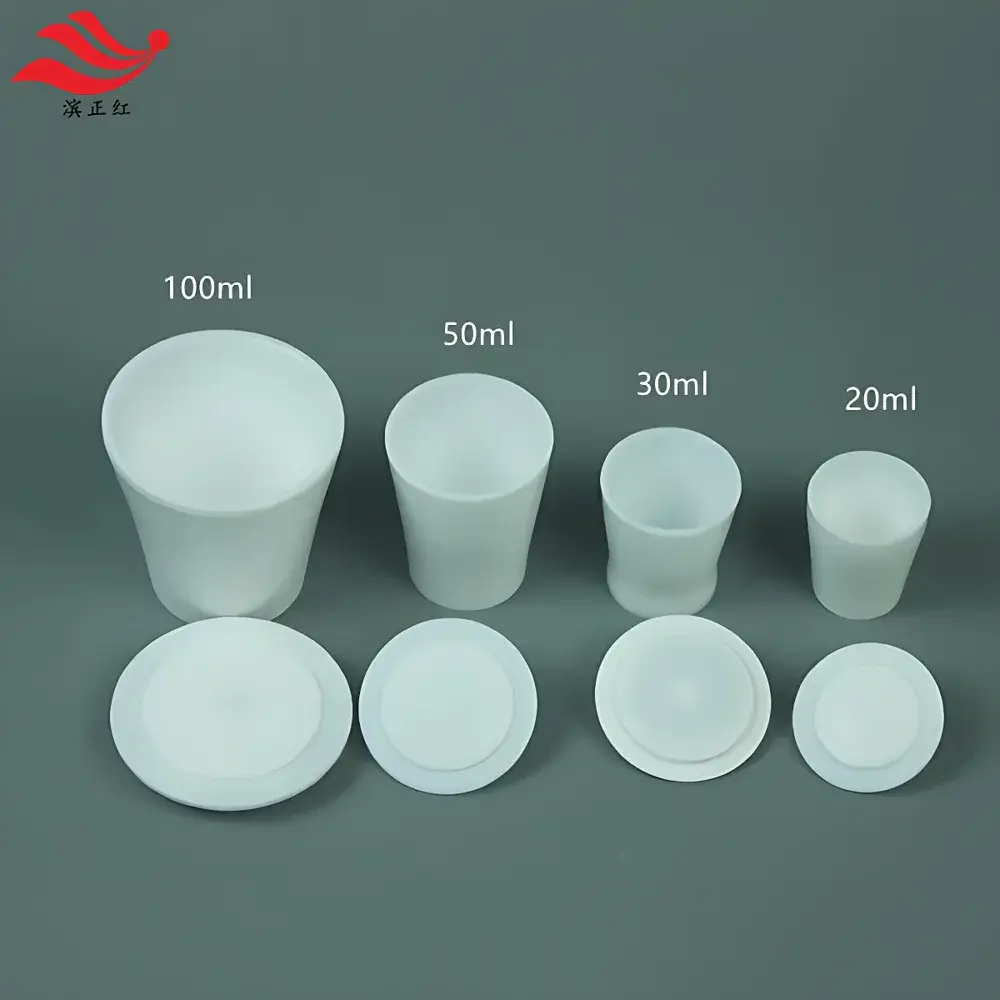
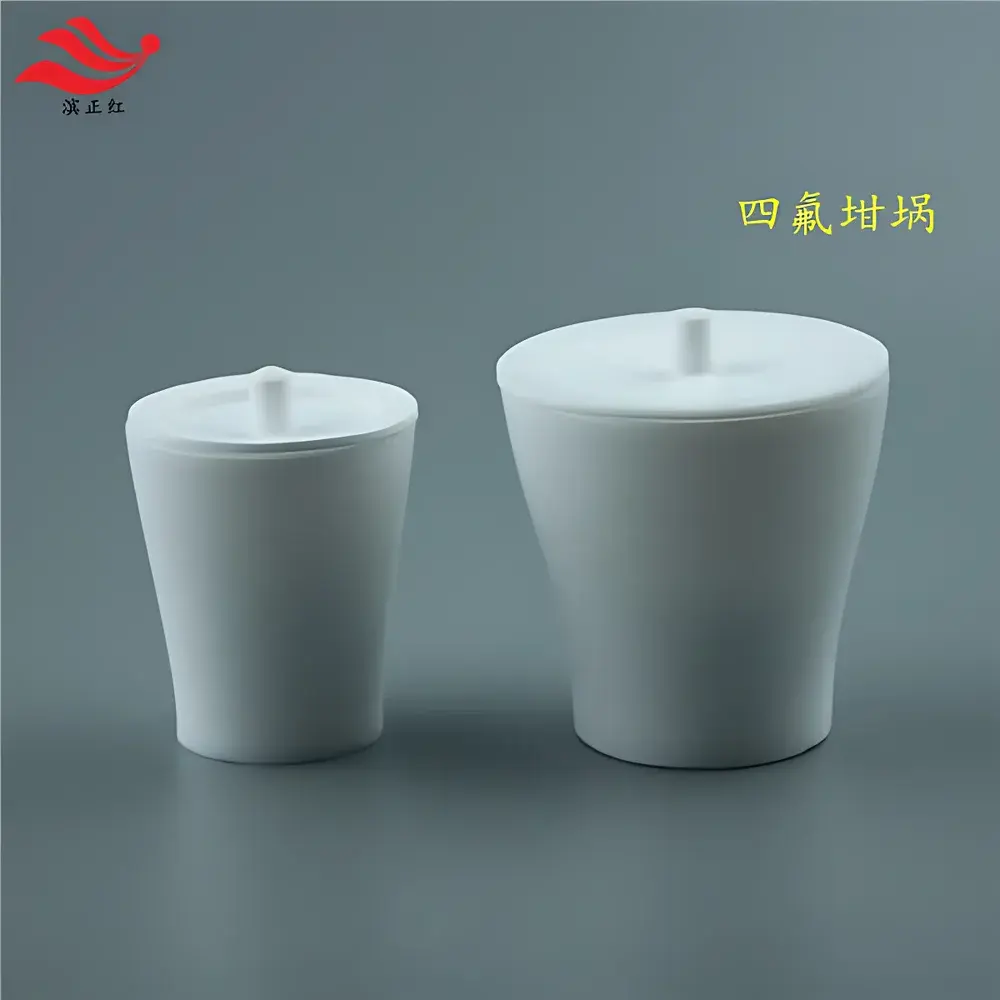
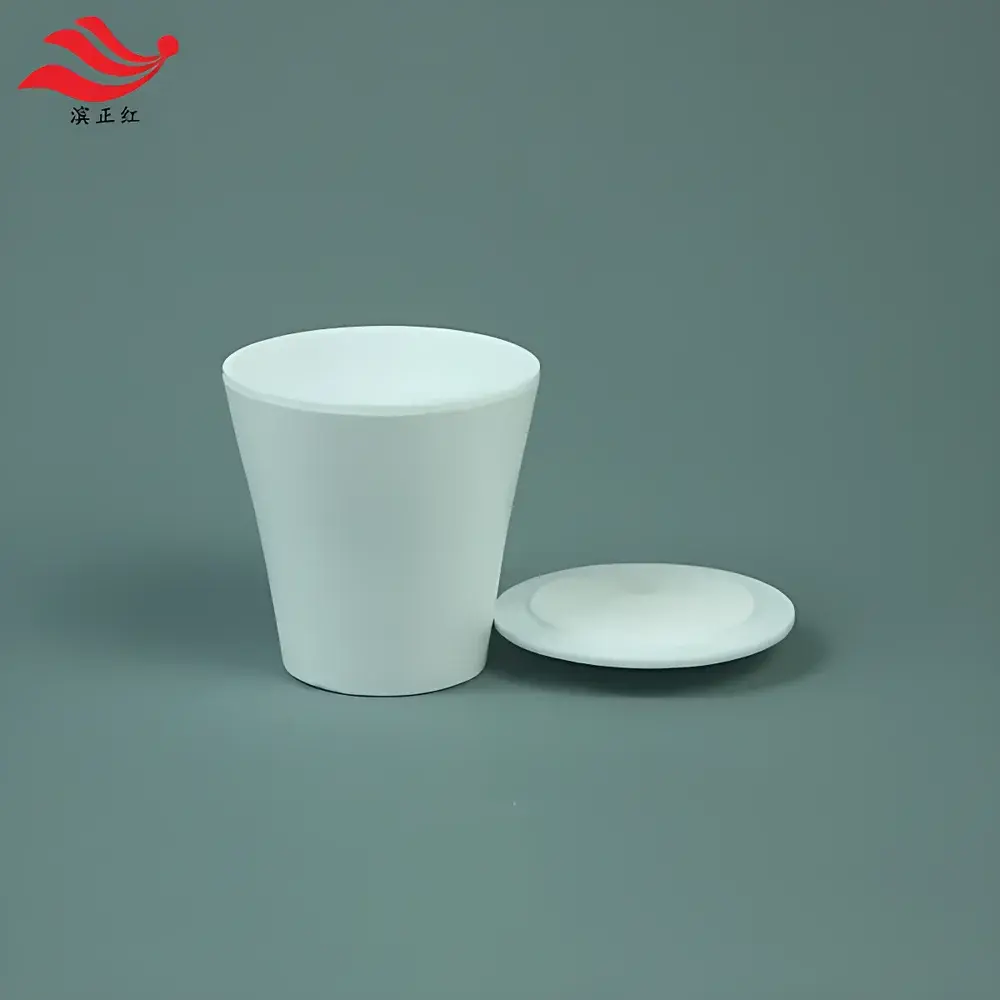
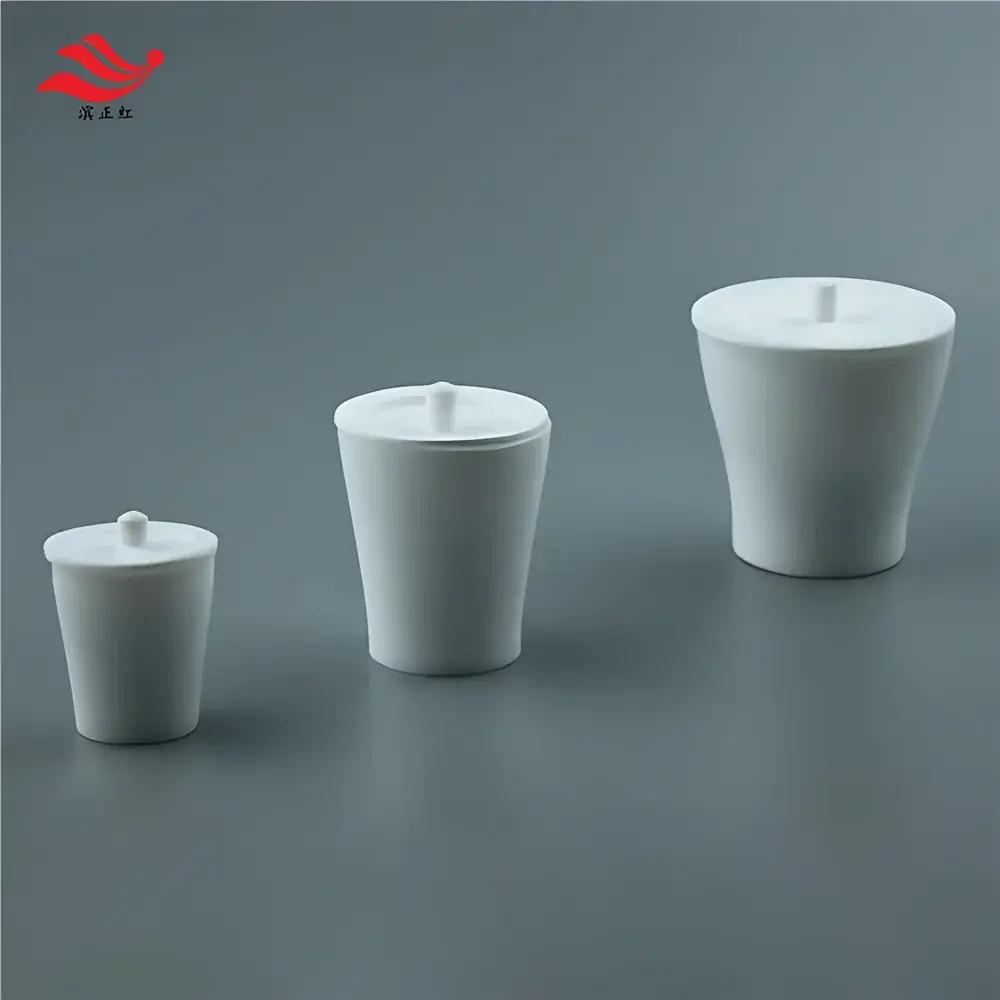
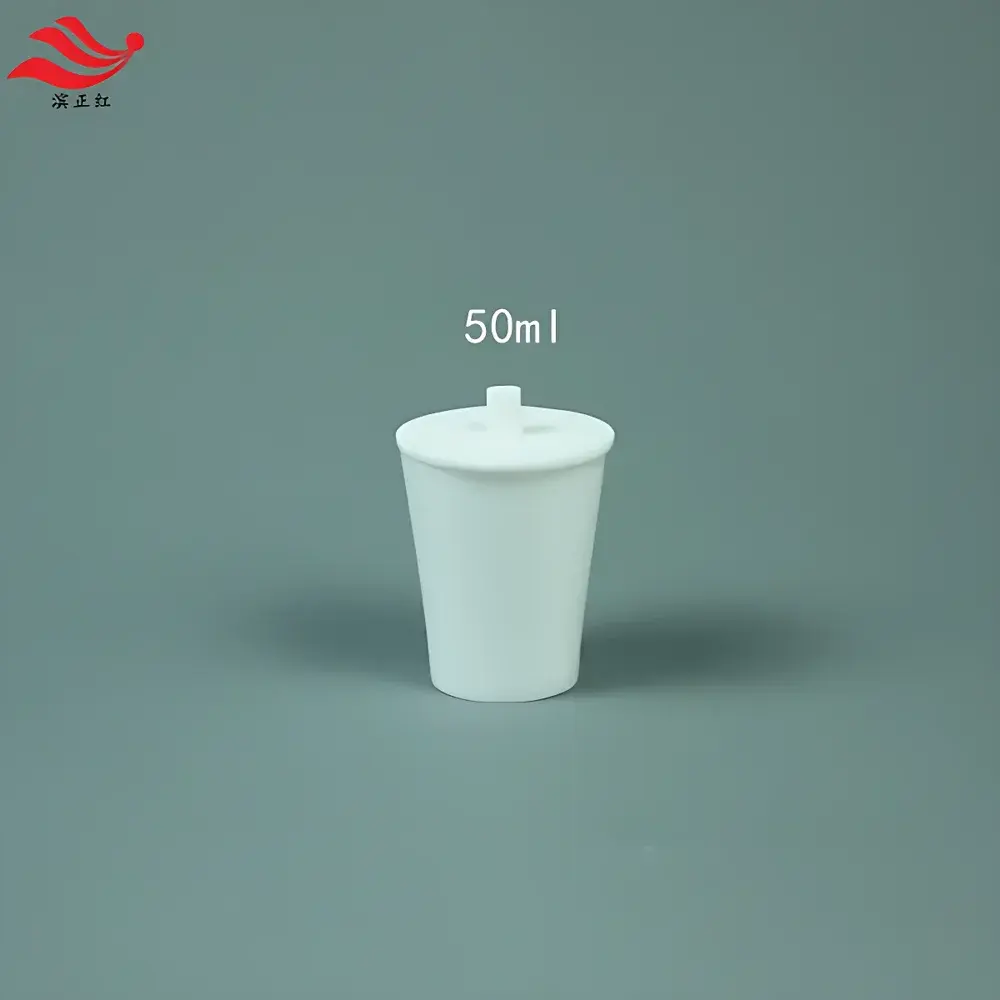
Binzhenghong PTFE Crucibles (20–250 mL) for Electric Hotplate Applications
| Brand | Binzhenghong |
|---|---|
| Origin | Jiangsu, China |
| Manufacturer Type | Direct Producer |
| Product Origin | Domestic (China) |
| Capacity Options | 20 mL, 30 mL, 50 mL, 100 mL, 250 mL |
| Pricing | Upon Request |
Overview
Binzhenghong PTFE crucibles are precision-machined laboratory vessels engineered for high-purity sample preparation under aggressive thermal and chemical conditions. Constructed from virgin, ultra-high-purity polytetrafluoroethylene (PTFE), these crucibles exhibit exceptional inertness and low elemental background—certified lead (Pb) and uranium (U) content < 0.01 ppb—making them suitable for trace-metal analysis, acid digestion, and residue-free evaporation protocols. Designed specifically for use with electric hotplates (not open-flame sources), they operate continuously at temperatures up to 250 °C and withstand short-term exposure to 300 °C when placed on ceramic or asbestos-free insulating mats. Their non-reactive surface eliminates leaching, adsorption, or catalytic interference—critical for ICP-MS, AAS, and EPA Method 3050B/3052 workflows.
Key Features
- Pure white, virgin PTFE construction—no regrind or fillers; fully compliant with ASTM D4894 and ISO 1043-4 specifications for fluoropolymer purity.
- Thermal stability across –200 °C to +250 °C; retains ≥5% tensile elongation at liquid nitrogen temperature (–196 °C).
- Chemical resistance validated against concentrated HNO₃, HF, aqua regia, NaOH (50%), and all common organic solvents—including chlorinated hydrocarbons and strong oxidizers.
- Integrated matching PTFE lid included with each crucible; lids are cross-compatible with Binzhenghong PTFE beakers for standardized containment during reflux or vapor-phase digestion.
- Smooth, non-porous interior surface minimizes sample retention and enables quantitative recovery—validated per USP extractables testing protocols.
Sample Compatibility & Compliance
These crucibles are routinely employed in environmental, geochemical, and pharmaceutical laboratories for EPA-compliant soil and sediment digestion (e.g., following GB 15618–1995, equivalent to ISO 11466), as well as CLP-regulated heavy metal extraction. They meet the material requirements of GLP and GMP environments where documentation of extractable metals and thermal history is required. All units are manufactured and tested under ISO 9001-certified quality management systems. No silicone, plasticizers, or stabilizers are introduced during machining—ensuring compatibility with ultra-trace analysis requiring detection limits below 10 pg/g.
Software & Data Management
While the crucibles themselves are passive consumables, their use is integral to instrument-based workflows governed by regulated software environments. When deployed in conjunction with hotplate-controlled digestion systems (e.g., SCP Science DigiPREP, Anton Paar Multiwave PRO), they support full audit trails, method validation logs, and electronic batch records compliant with FDA 21 CFR Part 11. Each lot is supplied with a Certificate of Analysis detailing Pb/U quantification (ICP-MS), residual catalyst screening (FTIR), and dimensional tolerance verification (±0.3 mm). Traceability includes lot number, production date, and raw-material certificate from the PTFE resin supplier.
Applications
- Acid digestion of soils, sediments, sludges, and biological tissues using HNO₃/HF/HClO₄ mixtures.
- Low-temperature evaporation and dry-down of calibration standards for elemental analysis.
- Pre-concentration of analytes prior to ICP-OES or ICP-MS measurement—minimizing polyatomic interferences from borosilicate glass.
- Inert reaction vessel for hydrothermal synthesis, fluoride-mediated deprotection, and anhydrous salt preparation.
- Reusable alternative to single-use quartz or borosilicate crucibles in routine QA/QC labs performing daily digestions.
FAQ
Can these PTFE crucibles be used directly on a gas burner or Bunsen flame?
No. PTFE decomposes above 327 °C and releases toxic fluorocarbon vapors. Always use with electric hotplates and place on ceramic fiber or asbestos-free insulating mats—not direct flame contact.
Are they compatible with hydrofluoric acid (HF)?
Yes. Virgin PTFE exhibits full resistance to HF at all concentrations and temperatures up to 250 °C—unlike glass, quartz, or PFA, which may show slow etching over extended exposure.
Do you offer custom volume or geometry options?
Yes. Binzhenghong provides OEM machining services for bespoke PTFE labware—including tapered crucibles, multi-well digestion plates, and threaded-cap variants—subject to minimum order quantities and dimensional feasibility review.
How should they be cleaned between uses?
Rinse with high-purity water (≥18.2 MΩ·cm), followed by soaking in 10% HNO₃ (v/v) for 2 hours, then triple-rinsed with ultrapure water and dried in a Class 100 laminar flow hood. Avoid ultrasonic cleaning unless verified for your specific PTFE grade.
Is there lot-to-lot certification available?
Yes. Certificates of Analysis—including ICP-MS trace metal data, FTIR spectral confirmation, and dimensional inspection reports—are provided with every shipment upon request.
Related Products



