
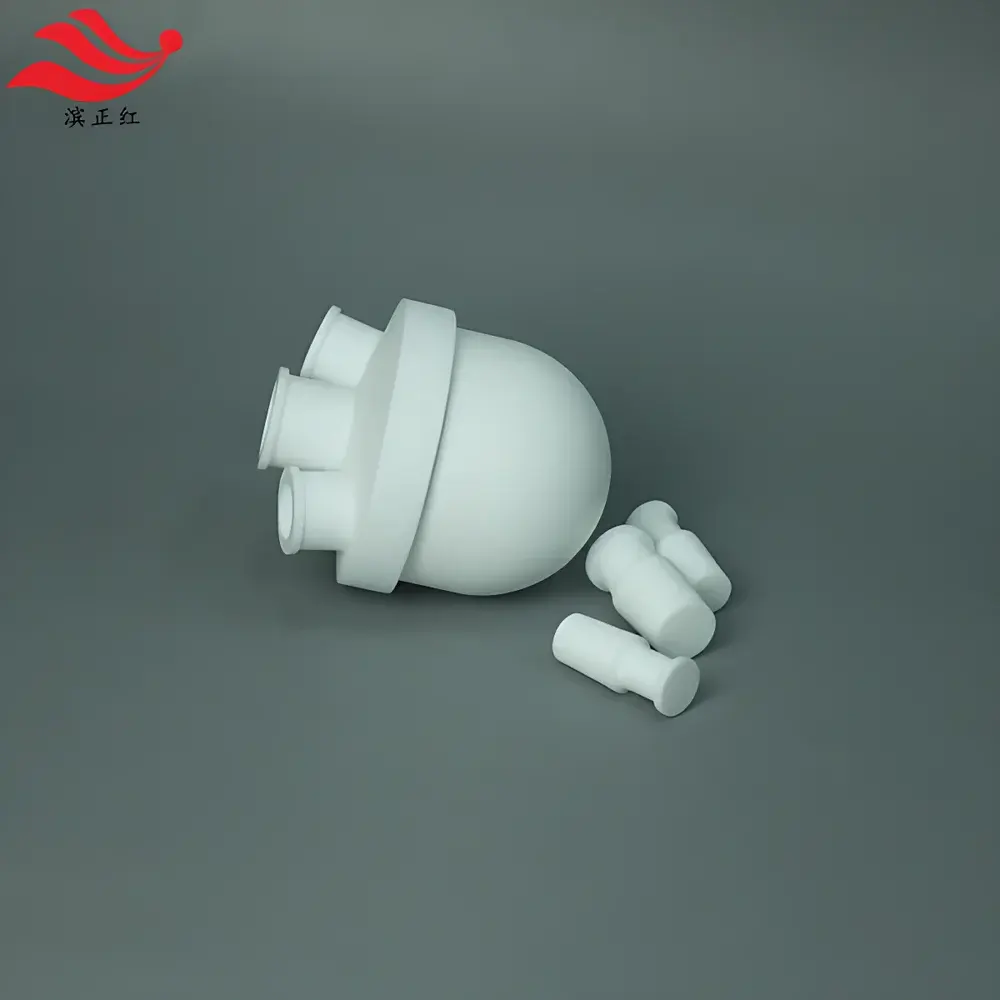
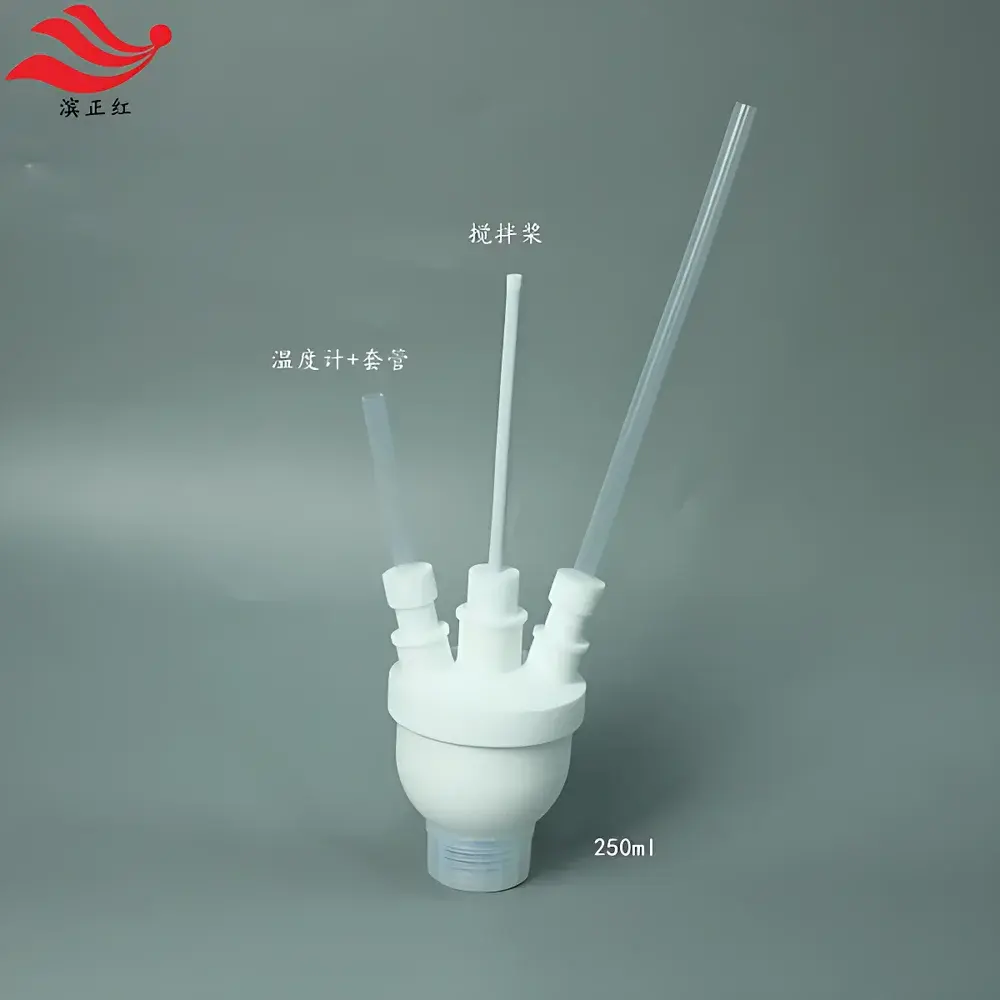
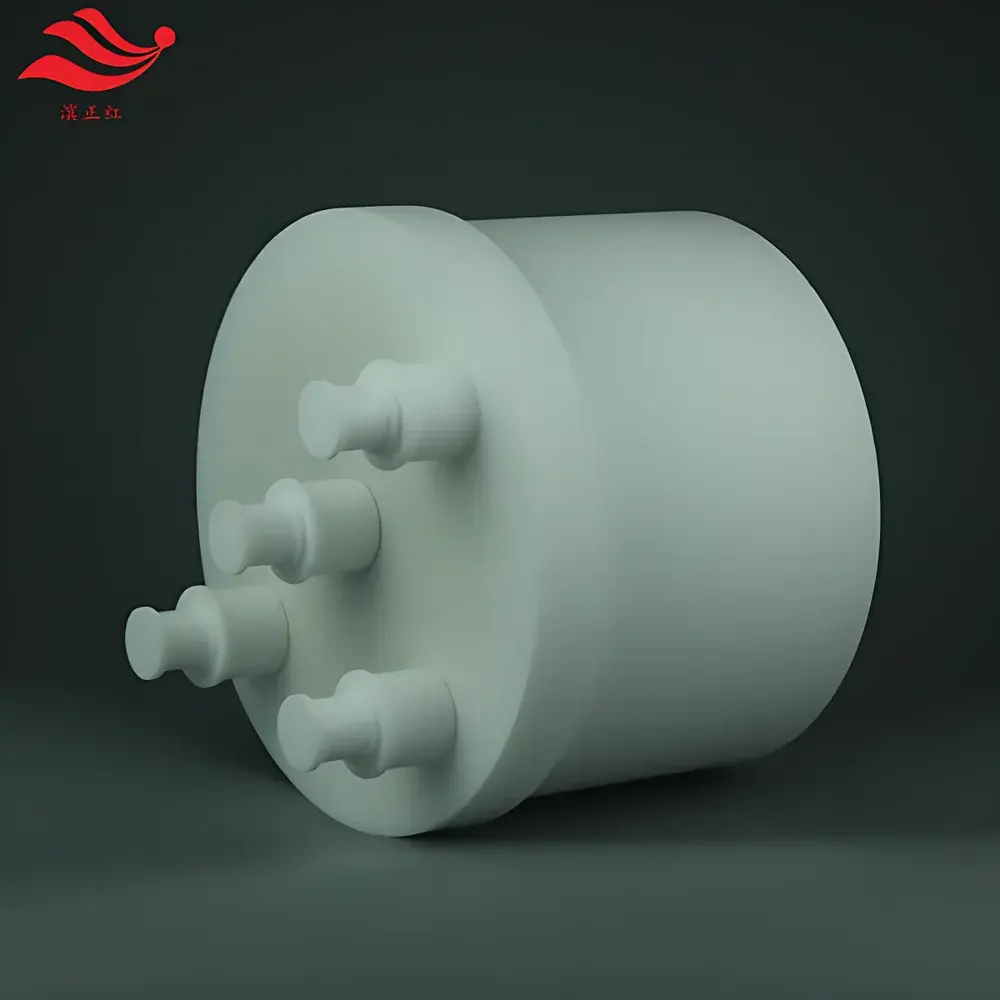
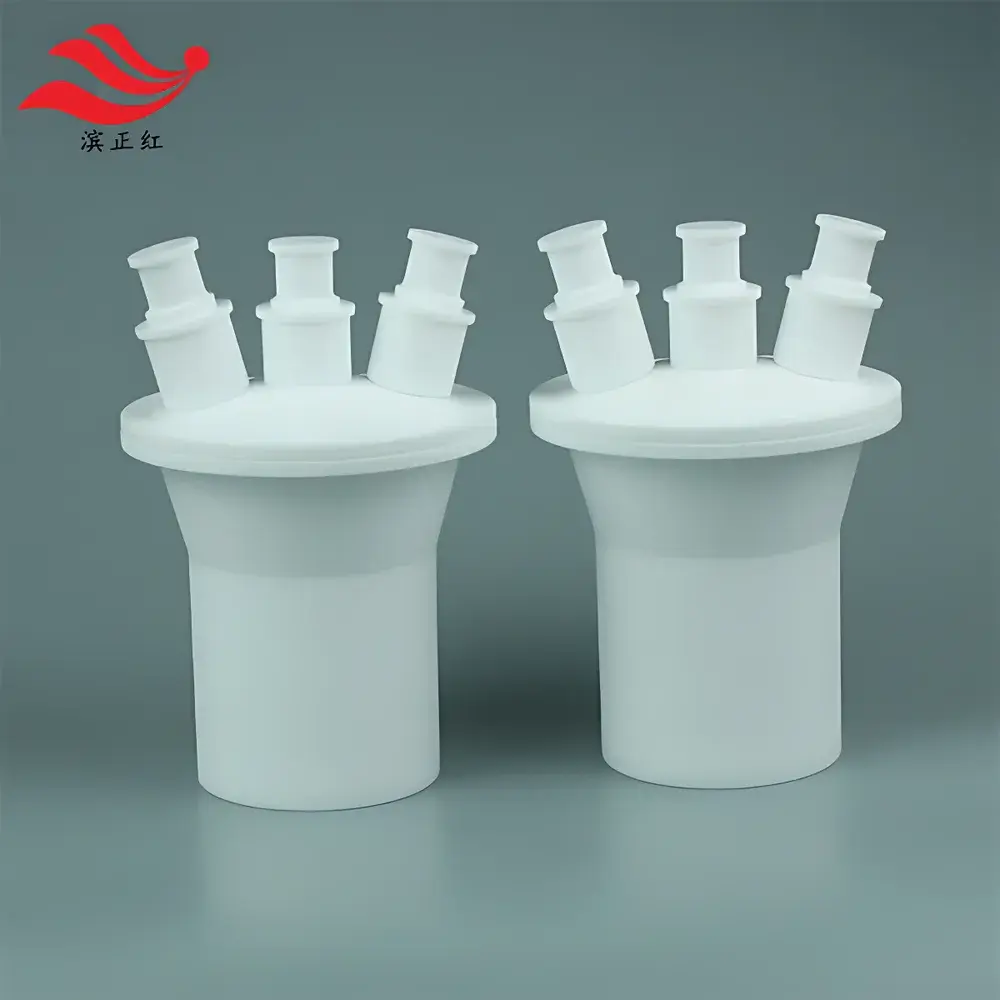
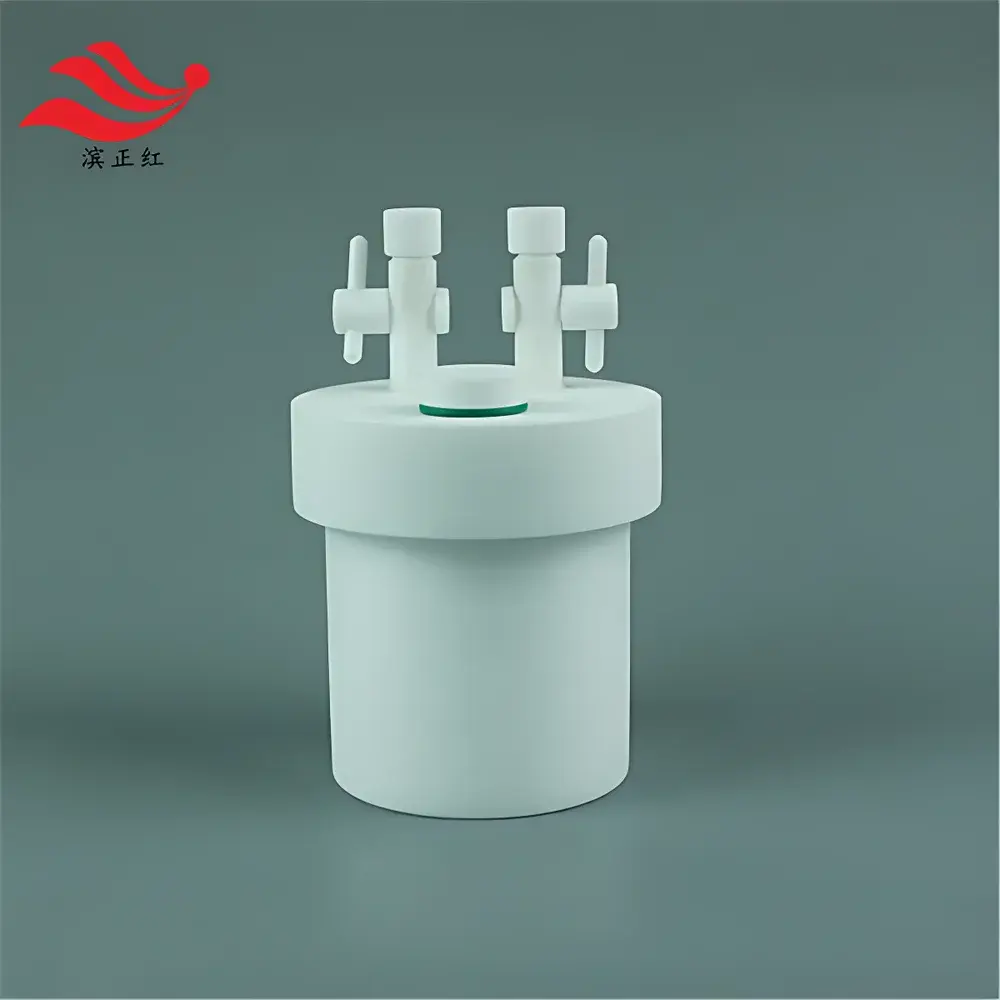
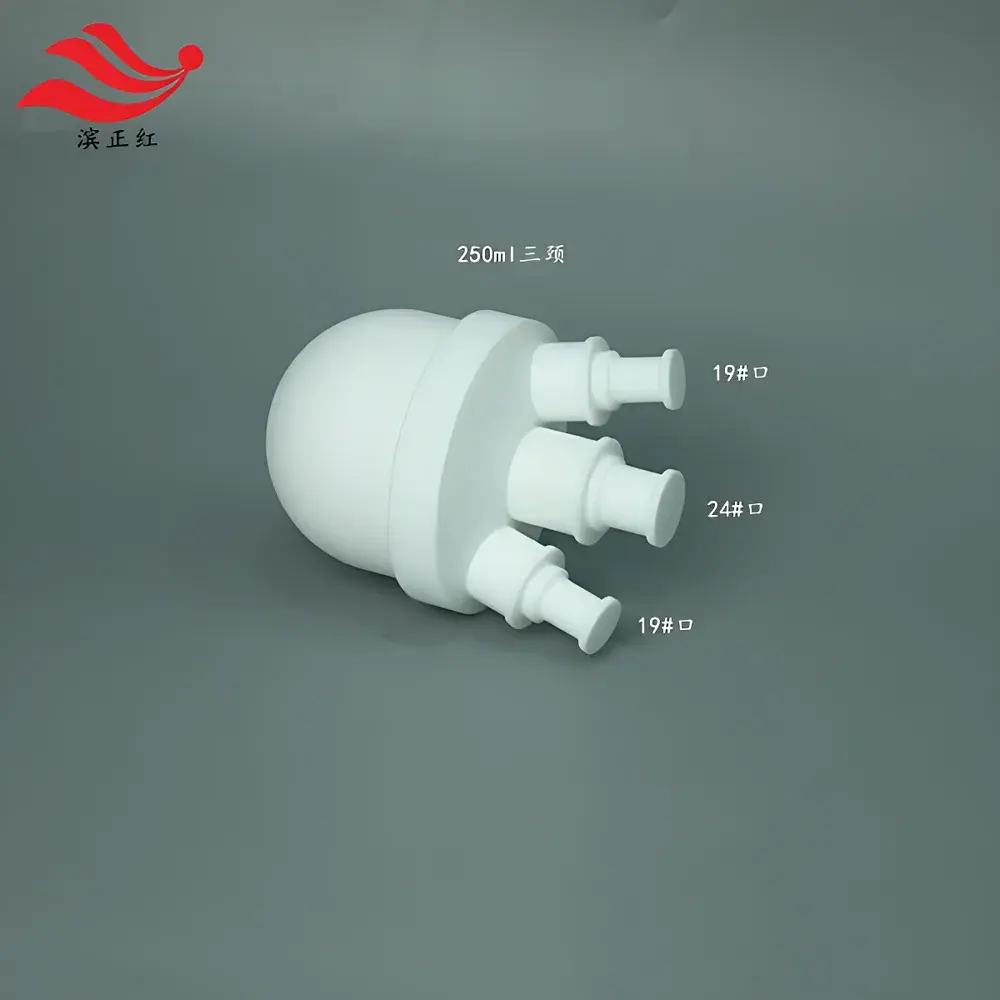
Binzhenghong PTFE Multi-Neck Reaction Flask – Single-Neck, Three-Neck & Four-Neck Configurations with Standard Tapered Ground Joints
| Brand | Binzhenghong |
|---|---|
| Origin | Jiangsu, China |
| Manufacturer Type | Direct Manufacturer |
| Product Origin | Domestic (China) |
| Models | Single-Neck, Three-Neck, Four-Neck |
| Standard Joint Sizes | 17/25, 19/26, 24/29 (ISO/DIN) |
| Temperature Range | −200 °C to +250 °C |
| Material | Virgin Polytetrafluoroethylene (PTFE), ASTM D4894 Compliant |
| Surface Finish | Mirror-Polished Internal Wall |
| Connection Type | Precision Machined Threaded Caps and Neck Adapters |
Overview
The Binzhenghong PTFE Multi-Neck Reaction Flask is a high-purity, chemically inert laboratory vessel engineered for demanding synthetic, analytical, and process development applications where extreme corrosion resistance, thermal stability, and ultra-low extractables are critical. Constructed from virgin polytetrafluoroethylene (PTFE) meeting ASTM D4894 specifications, the flask operates reliably across a continuous temperature range of −200 °C to +250 °C and exhibits near-zero reactivity toward strong acids (e.g., aqua regia, fuming sulfuric acid), alkalis, halogens, and aggressive oxidants—including molten alkali metals and fluorine gas under controlled conditions. Its multi-neck configuration (single-, three-, and four-neck variants) enables simultaneous integration of condensers, thermometers, dropping funnels, gas inlets, mechanical stirrers, or pressure/vacuum monitoring ports—making it suitable for reflux, distillation, Schlenk-line manipulations, catalytic hydrogenation, and anhydrous or air-sensitive reaction protocols. Unlike glass alternatives, PTFE eliminates risks of thermal shock fracture, alkali leaching, or silicate contamination—ensuring sample integrity in trace-metal analysis, pharmaceutical intermediate synthesis, and battery electrolyte R&D.
Key Features
- Precision-machined standard taper ground joints (17/25, 19/26, 24/29) with matching PTFE stoppers for leak-tight, reusable sealing under vacuum or mild positive pressure (≤0.3 MPa).
- Fully threaded cap-and-neck assembly design allows rapid disassembly without tools—enabling complete internal access for ultrasonic cleaning, visual inspection, or residue verification per GLP documentation requirements.
- Electropolished internal surface finish (Ra < 0.4 µm) minimizes adsorption and facilitates quantitative recovery of viscous or high-value compounds.
- Customizable geometry: Available in round-bottom, flat-bottom, and conical configurations; optional side-arm ports, bottom discharge valves, or integrated thermowell sleeves upon request.
- No metal reinforcement or fillers—100% homopolymer PTFE ensures compliance with USP Class VI biocompatibility testing and avoids metallic ion interference in ICP-MS or AAS workflows.
Sample Compatibility & Compliance
The flask is validated for use with corrosive reagents including hydrofluoric acid (HF), bromine trifluoride (BrF₃), chlorine dioxide (ClO₂), and molten sodium hydroxide (NaOH) at elevated temperatures. It conforms to ISO 8536-1 (glass containers for pharmaceutical use) dimensional equivalency standards for interchangeability with common lab glassware accessories. All units undergo helium leak testing at 1×10⁻⁹ mbar·L/s sensitivity prior to shipment. Documentation includes material certification (ASTM D4894, ISO 1043-4), RoHS 3 and REACH SVHC declarations, and optional FDA 21 CFR Part 11–compliant manufacturing records for regulated environments.
Software & Data Management
While inherently hardware-based, the flask integrates seamlessly into digitally controlled reactor systems (e.g., ChemSpeed, Huber, or Radleys platforms) via standardized mounting interfaces. When used with automated jacketed reactors or vacuum manifolds, its thermal mass and low thermal conductivity support precise ramp-hold-cool profiling. Batch records generated by connected instrumentation may reference flask lot numbers and calibration history—supporting full traceability under GMP Annex 11 and ALCOA+ data integrity principles.
Applications
- Synthesis of high-purity inorganic precursors (e.g., LiPF₆, NaSICON electrolytes) requiring HF-resistant containment.
- Decomposition studies of energetic materials under inert atmosphere using integrated pressure relief fittings.
- Trace-level speciation analysis (Hg, As, Se) where borosilicate glass would introduce background interference.
- Long-term storage of hygroscopic or photolabile intermediates under nitrogen purge.
- Green chemistry solvent screening (e.g., ionic liquids, deep eutectic solvents) at elevated temperatures without degradation.
FAQ
Can this PTFE flask be used directly on a hot plate?
No—direct contact heating is prohibited. Use only with oil baths, sand baths, or aluminum heating blocks designed for PTFE compatibility. Thermal gradients exceeding 5 °C/cm may induce localized creep deformation.
Is sterilization possible via autoclaving?
Autoclaving at 121 °C/15 psi is permissible for short durations (<20 min), but repeated cycles reduce tensile strength. For sterile applications, gamma irradiation (25–50 kGy) is preferred and does not compromise chemical resistance.
What is the maximum recommended vacuum level?
Rated for continuous operation down to 1×10⁻³ mbar; intermittent use to 1×10⁻⁵ mbar is feasible with reinforced neck supports and verified joint seating.
Are custom joint sizes or port orientations available?
Yes—non-standard taper joints (e.g., 35/40), angled side arms, or dual-vacuum ports can be machined per ISO 2768-mK tolerances with NDA-protected engineering drawings.
How does PTFE compare to PFA or ETFE for reaction vessel use?
PTFE offers superior chemical resistance and thermal stability over PFA/ETFE but lower melt-processability. This flask leverages sintered PTFE’s crystallinity (≥95%) for optimal barrier properties—critical where solvent permeation must be minimized over extended exposure times.



