
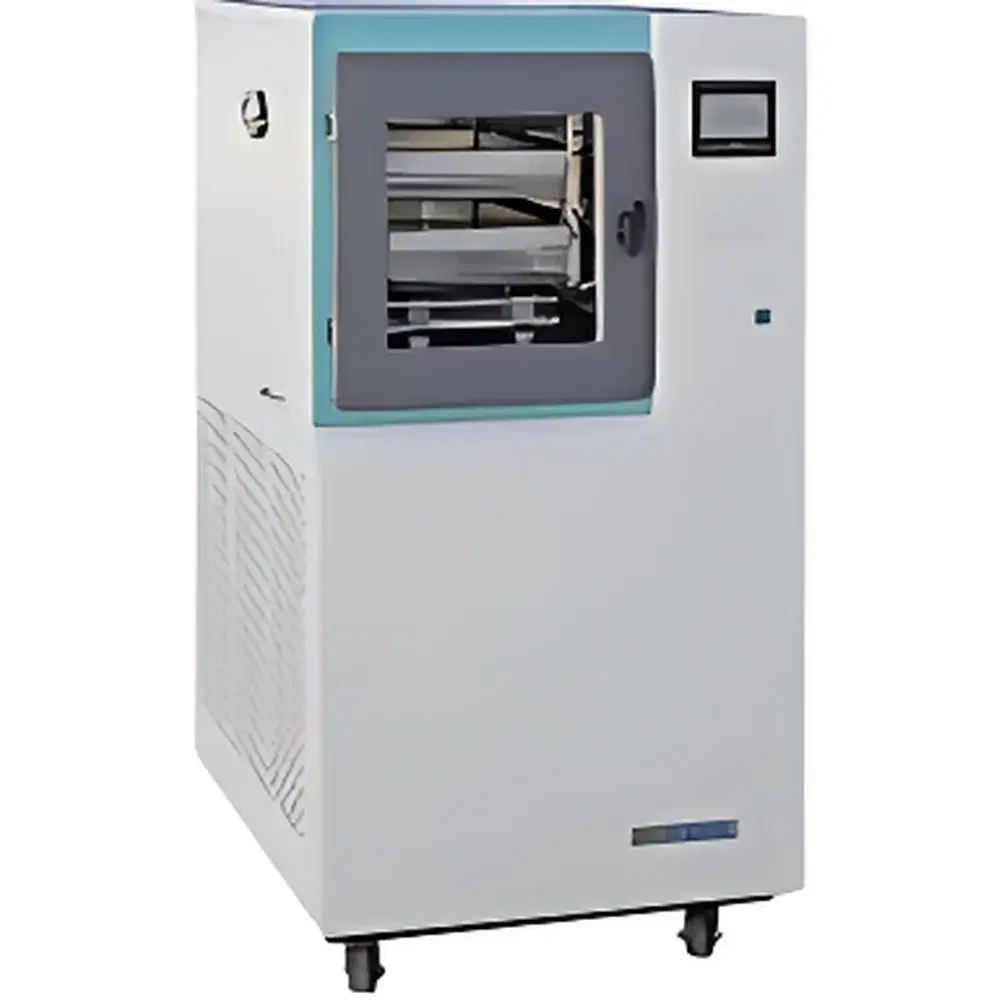
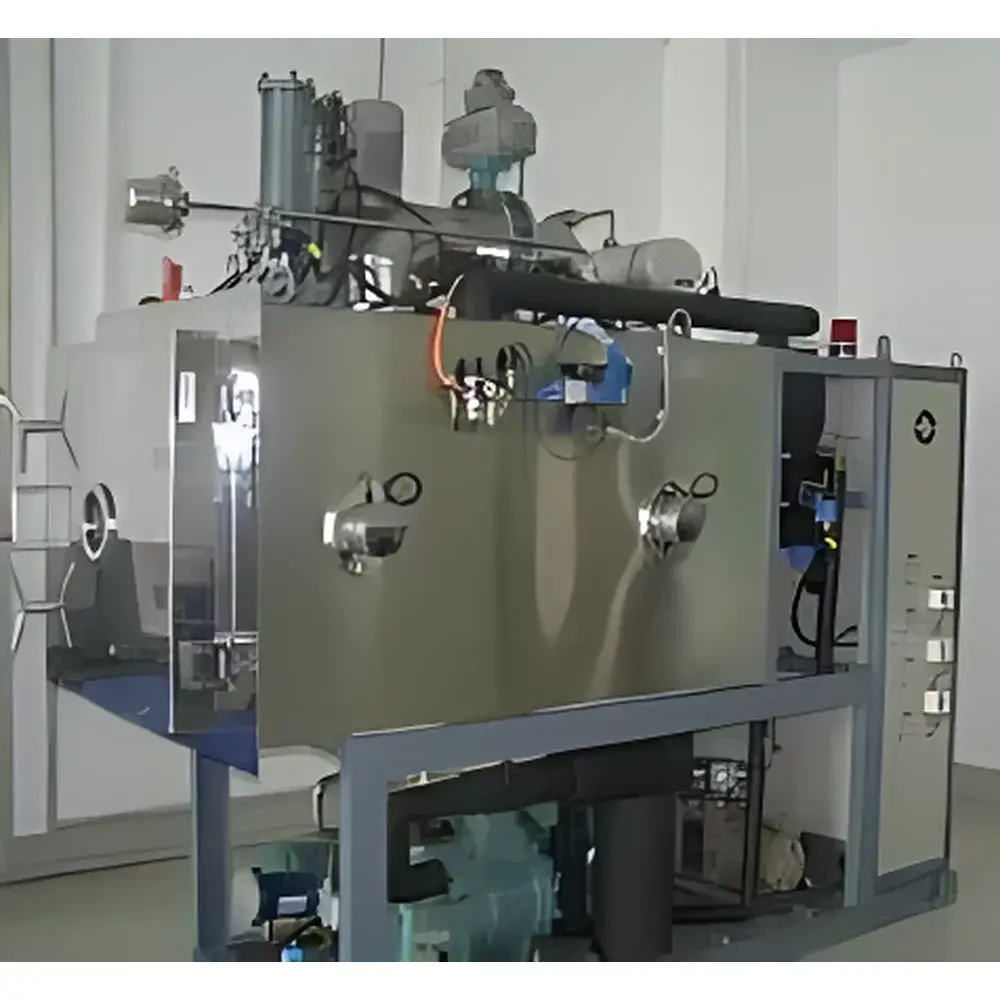
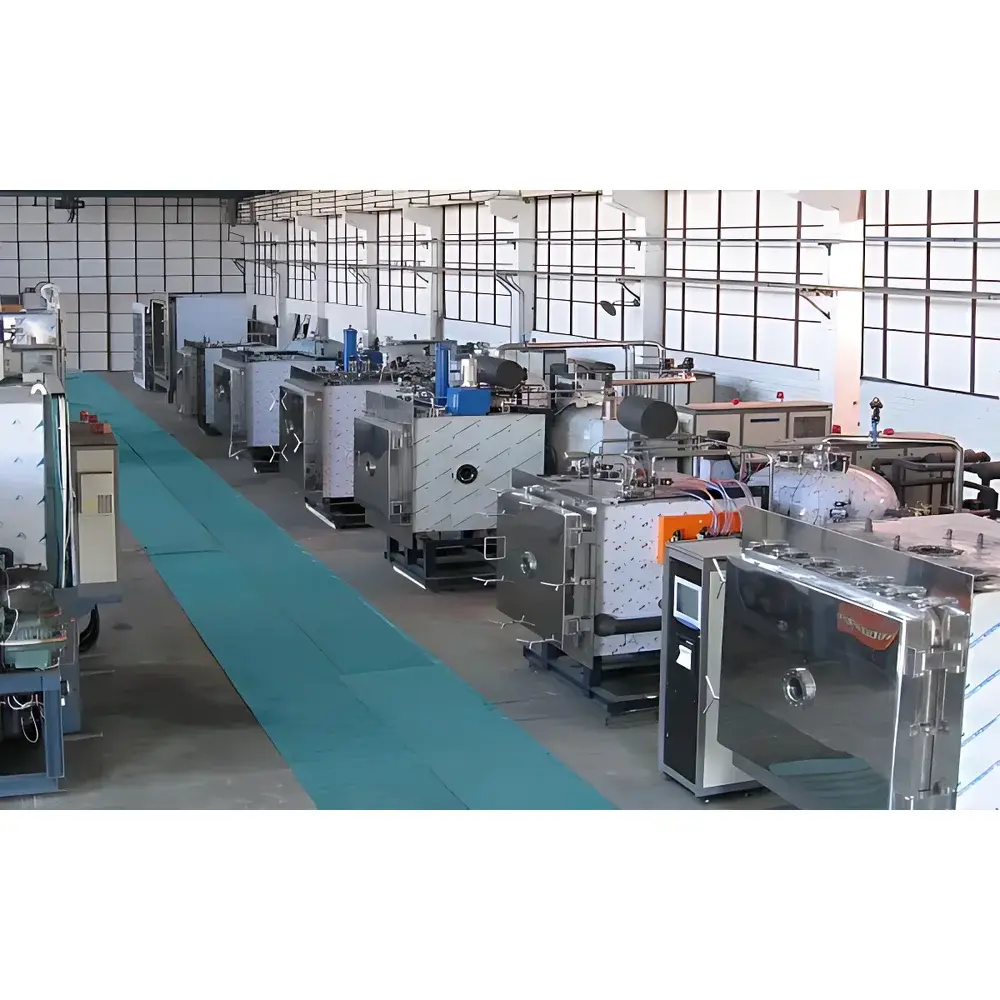
BioCool Pilot2-4LD Benchtop Pilot-Scale Freeze Dryer
| Brand | BioCool |
|---|---|
| Origin | Beijing, China |
| Model | Pilot2-4LD |
| Instrument Type | Standard Shelf-Type Freeze Dryer |
| Application Scale | Pilot-Scale |
| Lyophilization Area | 0.2 m² |
| Ultimate Vacuum | <8 Pa |
| Condensate Capacity (24 h) | 4 L/24 h |
| Cold Trap Temperature | <−85 °C |
| Shelf Temperature Range | −40 to +55 °C |
| Shelf Spacing | 77 mm |
| Vacuum Pump Speed | 4 L/s |
| Compressor Power | 2 × 7/8 HP |
| Safety Features | Overcurrent Protection, Overload Protection, 36 V Low-Voltage Heating Circuit, Shelf Overtemperature Protection, Vacuum Process Interlock, Vacuum Pump Anti-Backflow Device |
| Data Storage | Internal Memory (3-month retention), USB Export (optional), PC Database Integration (optional) |
| Compliance Support | GLP-compliant data logging, audit-trail-ready operation (with optional PC database & timestamped event logs), ASTM F2696-22 referenced validation framework compatibility |
Overview
The BioCool Pilot2-4LD is a benchtop pilot-scale freeze dryer engineered for reproducible, scalable lyophilization process development under laboratory and small-batch production conditions. It operates on the fundamental principles of sublimation-based dehydration: frozen aqueous samples are subjected to deep vacuum (<8 Pa) while heat is precisely applied to shelves, enabling ice to transition directly from solid to vapor without passing through the liquid phase. With a lyophilization area of 0.2 m² and a cold trap capable of reaching <−85 °C, the system supports robust water vapor capture during primary drying and efficient desorption in secondary drying—critical for achieving residual moisture levels compliant with ICH Q5C and USP specifications. Designed for seamless technology transfer from R&D to clinical or commercial manufacturing, the Pilot2-4LD bridges the gap between benchtop feasibility studies and full-scale production, offering deterministic control over critical process parameters including shelf temperature ramp rates, vacuum setpoints, and condenser loading dynamics.
Key Features
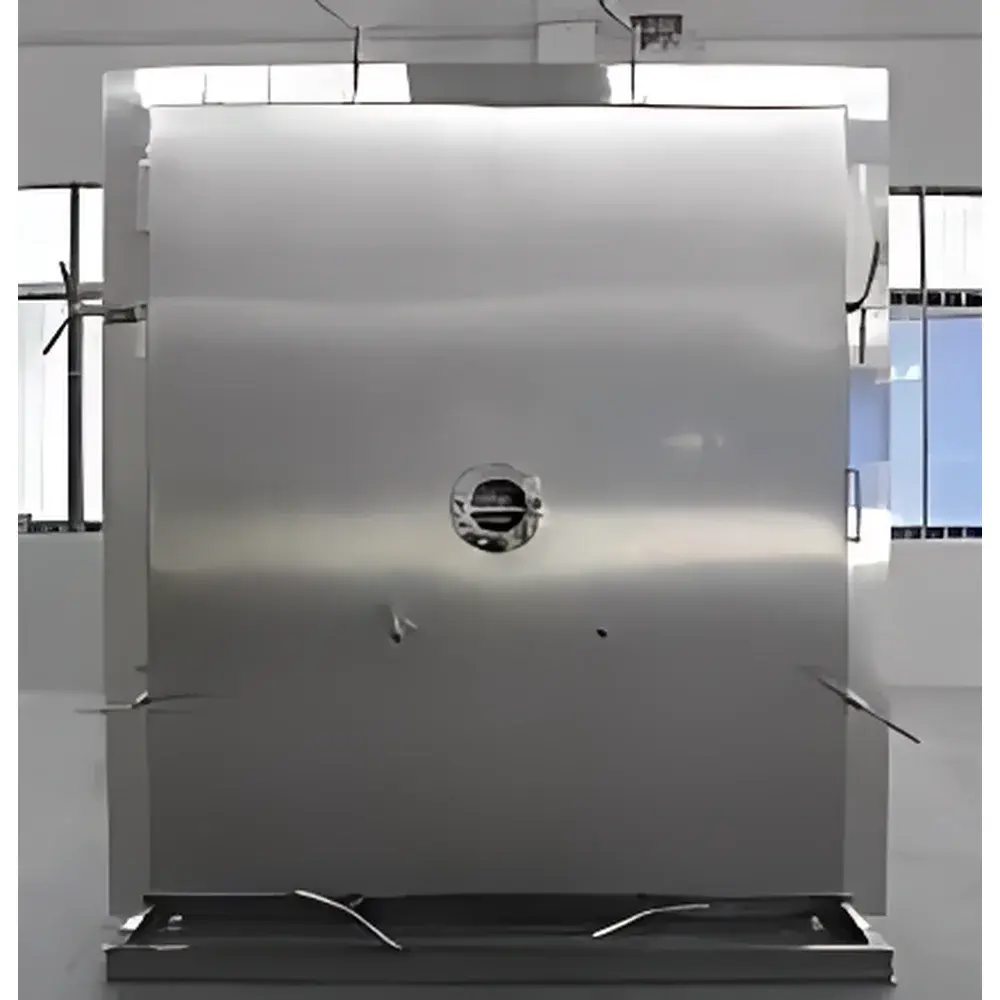
- Optically transparent drying chamber door fabricated from aerospace-grade acrylic—mechanically robust, vacuum-tight, and resistant to thermal stress-induced microfractures.
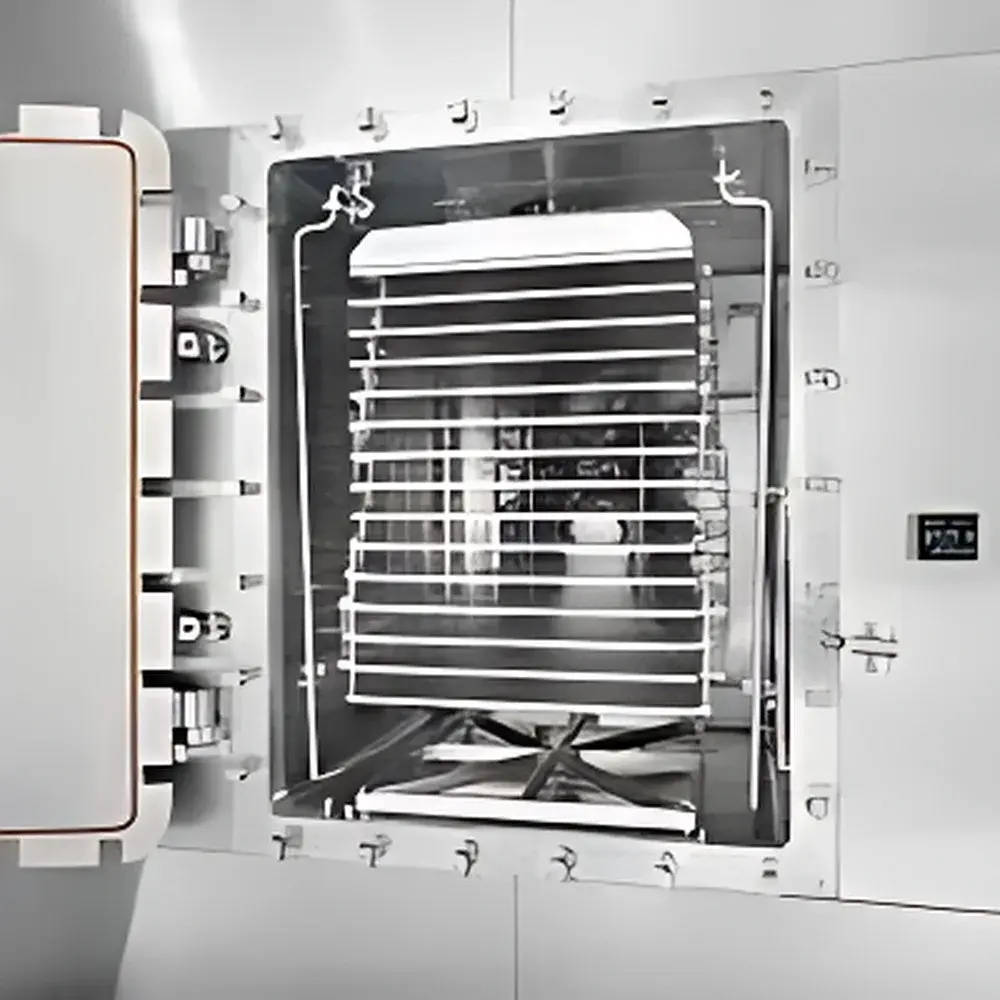
- Shelf pre-freezing capability enables rapid sample solidification prior to primary drying, minimizing eutectic collapse and preserving structural integrity of sensitive biologics.
- Dual high-efficiency compressors (2 × 7/8 HP) deliver stable refrigeration performance with low acoustic emission (<58 dB(A)), supporting uninterrupted 24-hour operation.
- High-capacity vacuum pump (4 L/s) ensures rapid system evacuation and consistent pressure control throughout all drying phases.
- Independent PID-controlled shelf heating with fuzzy logic algorithm—each of the four shelves maintains ±0.5 °C thermal uniformity across its surface, verified per ISO 13485 calibration protocols.
- Non-electric cold trap defrosting system eliminates electrical hazards associated with resistive heating elements; reduces defrost cycle time by >40% versus immersion methods.
- Industrial-grade 10.1-inch capacitive touchscreen HMI with intuitive workflow navigation—no operator manual required for routine startup, recipe selection, or status monitoring.
- Manual mode for empirical process parameter exploration; automatic mode for validated batch execution with one-touch initiation and built-in interlocks.
- Real-time acquisition at 50 ms intervals for shelf temperature, product thermocouple signals (if connected), and absolute vacuum pressure—enabling high-fidelity process mapping.
Sample Compatibility & Compliance
The Pilot2-4LD accommodates vial, tray, and flask configurations—including stoppered vials requiring post-drying inert gas backfilling (N₂ or Ar). Its −85 °C cold trap effectively captures water and low-volatility solvents (e.g., ethanol, acetone) when paired with the optional organic solvent trap. The system meets mechanical safety requirements per IEC 61010-1 and incorporates dual-stage vacuum interlocks to prevent accidental exposure during chamber opening. Data integrity adheres to FDA 21 CFR Part 11 guidelines when used with optional PC database integration—supporting electronic signatures, user-level access control, and immutable audit trails. Calibration functions for shelf temperature sensors and Pirani vacuum gauges ensure metrological traceability to NIST standards over extended service intervals.
Software & Data Management
The embedded control firmware supports storage of up to 500 user-defined lyophilization protocols—including ramp/hold sequences, vacuum modulation profiles, and pulse backfill timing. Internal memory retains operational logs (start/stop timestamps, alarm events, setpoint deviations) for ≥90 days. Optional USB export enables CSV-formatted export of full time-series datasets (shelf temp, chamber pressure, condenser temp) for offline analysis in MATLAB, Python, or JMP. PC remote monitoring (up to 1.5 km via Ethernet) provides live visualization of real-time curves and configurable email/SMS alerts for critical fault conditions. All data exports include ISO 8601 timestamps and instrument serial-number tagging—essential for regulatory submissions under EMA Annex 11 and WHO TRS 986.
Applications
This system is routinely deployed in pharmaceutical formulation labs for stability testing of monoclonal antibodies, vaccines, and mRNA-LNP complexes; in academic research for preservation of microbial cultures and enzyme preparations; and in nutraceutical development for heat-labile botanical extracts. Its precise shelf temperature control makes it suitable for crystalline vs. amorphous matrix optimization, while vacuum modulation capability mitigates melt-back risks in high-sugar formulations. The system has been validated for use in GMP-aligned environments when operated with documented SOPs, qualified IQ/OQ protocols, and periodic PQ verification per ASTM E2500-22.
FAQ
What is the maximum batch size supported by the Pilot2-4LD?
With a 0.2 m² shelf area and typical 10–15 mm loading depth, the unit accommodates approximately 12–18 L of aqueous solution (assuming 5–10% solids content) across standard 20 mm vials or stainless-steel trays.
Can the system handle organic solvent-containing formulations?
Yes—when equipped with the optional organic solvent trap and cold trap liner, it safely condenses methanol, ethanol, and acetonitrile vapors without compromising vacuum integrity or compressor longevity.
Is temperature mapping performed during factory qualification?
Yes—each unit undergoes spatial temperature uniformity testing across all shelves per ASTM F2696-22 Annex A2, with final reports provided upon delivery.
How is data integrity ensured during long-duration cycles?
Internal memory employs wear-leveling flash management; USB exports include SHA-256 checksums; PC database mode implements SQL transaction logging with rollback recovery.
Does the system support PAT integration?
Yes—RS485 Modbus RTU and optional Ethernet/IP interfaces enable connection to external NIR probes, capacitance manometers, or tunable diode laser moisture analyzers for real-time endpoint determination.



