
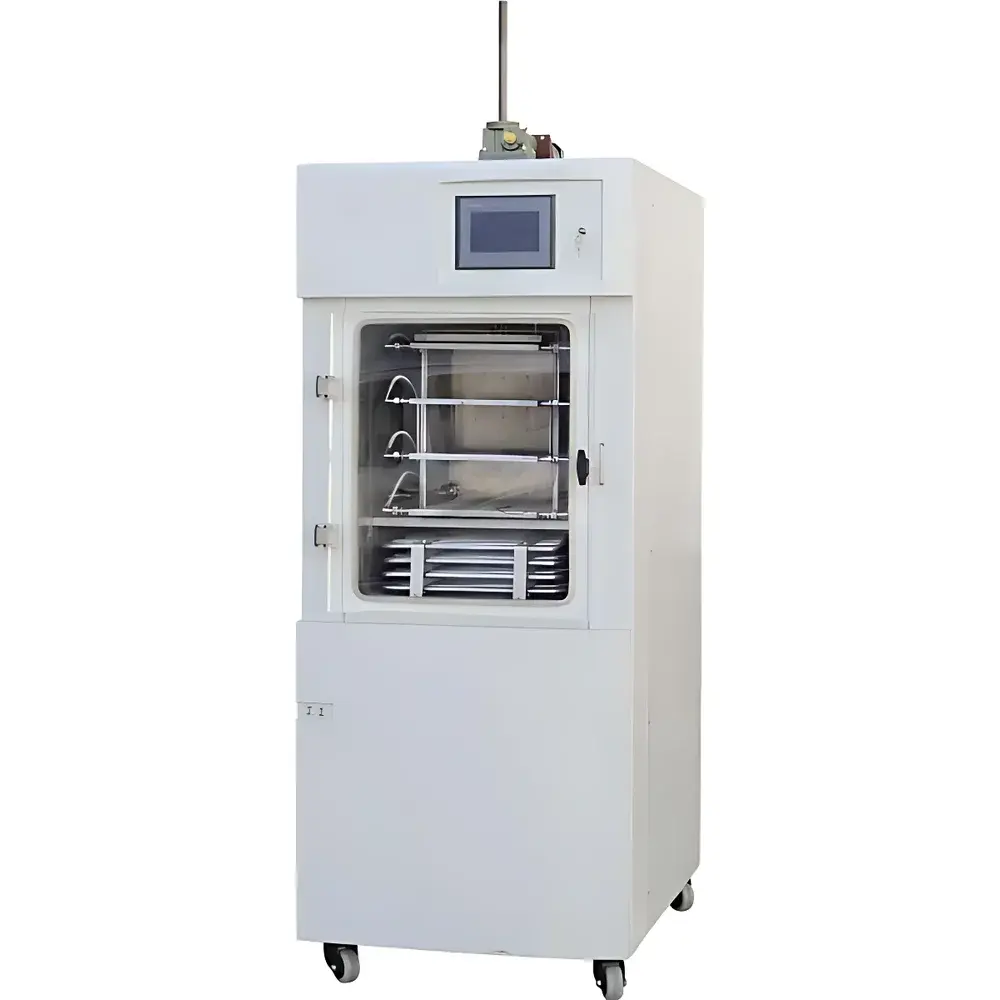
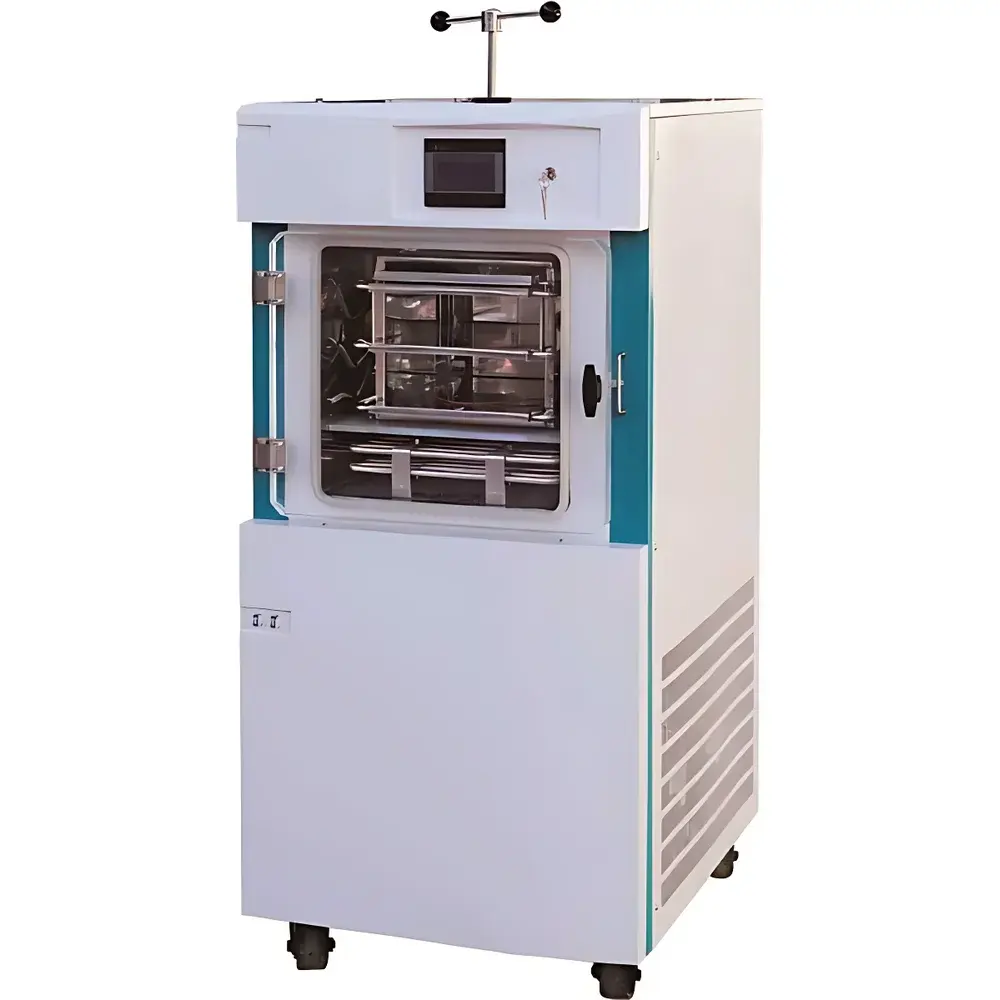
BIOCOOL Pilot3-6L Benchtop Pilot-Scale Freeze Dryer
| Brand | BIOCOOL |
|---|---|
| Origin | Beijing, China |
| Model | Pilot3-6L |
| Type | Shelf-Type Freeze Dryer |
| Application | Pilot-Scale Processing |
| Lyophilization Area | 0.35 m² |
| Ultimate Vacuum | ≤3 Pa |
| Condenser Capacity | 6 L/24 h |
| Condenser Temperature (No Load) | <−55 °C |
| Shelf Temperature Range (No Load) | −40 °C to +60 °C |
| Shelf Cooling Method | Silicone Oil Circulation |
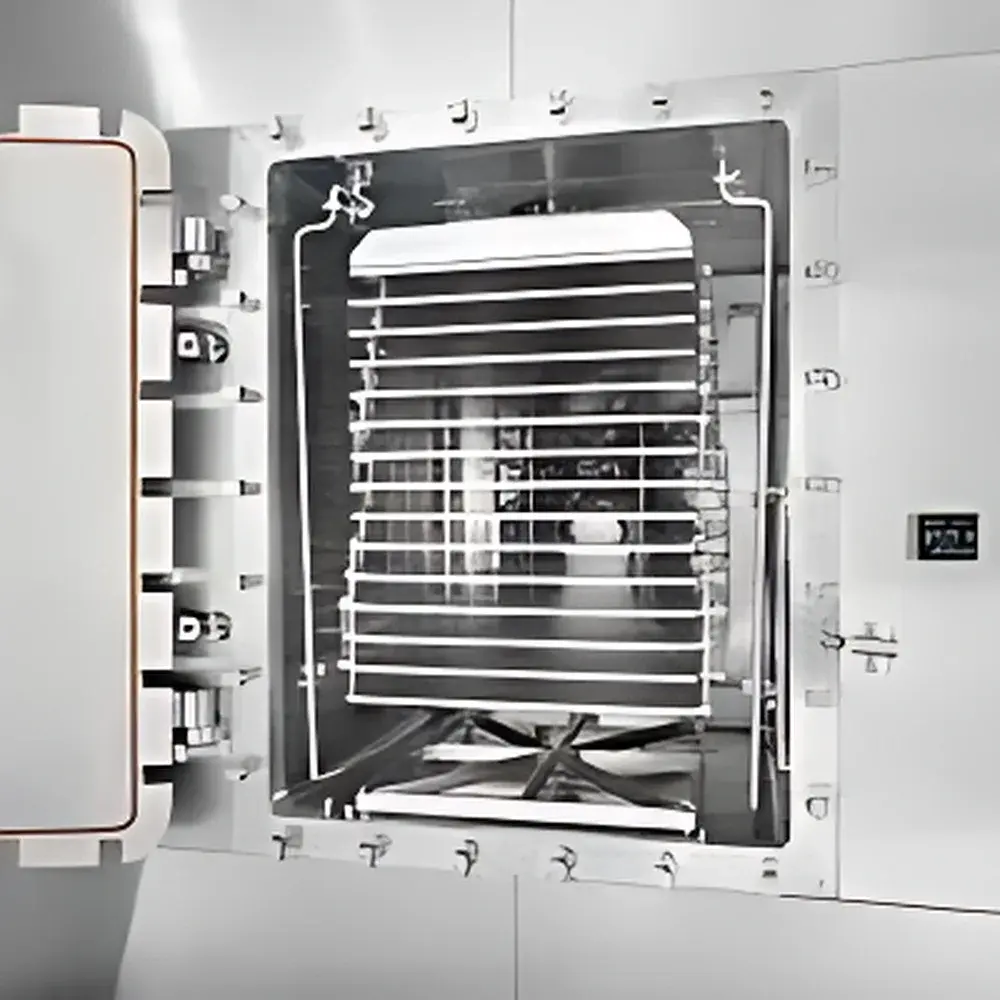
| Shelf Spacing | 100 mm |
| Compressor Power | 1.5 HP |
| Vacuum Pump Speed | 4 L/s |
| Control Interface | Industrial Touchscreen HMI |
| Data Storage | Internal (3-month buffer), USB (optional), PC Database (optional) |
| Compliance | Designed for GLP/GMP-aligned workflows, supports 21 CFR Part 11-compliant audit trails (with optional PC software) |
Overview
The BIOCOOL Pilot3-6L is a benchtop pilot-scale freeze dryer engineered for reproducible, scalable lyophilization of heat-sensitive biopharmaceuticals, diagnostics, and research-grade biological materials. It operates on the fundamental principle of sublimation—removing water from frozen samples under deep vacuum while maintaining structural integrity and bioactivity. Unlike laboratory-scale units, the Pilot3-6L bridges the gap between R&D and early-stage process validation, supporting batch sizes typical of clinical trial material production or formulation development. Its 0.35 m² shelf area and 6 L/24 h condenser capacity enable consistent processing of up to 3 L of aqueous solution per cycle—ideal for vial-based pharmaceuticals, enzyme preparations, probiotics, and sterile powders. The system integrates a silicone oil–circulated shelf system for precise, uniform temperature control across all trays, critical for achieving homogeneous ice nucleation and drying kinetics. All core components—including the hermetically sealed condenser, aviation-grade acrylic chamber door, and dual-stage vacuum pump—are selected for long-term thermal stability, leak integrity, and low-vibration operation.
Key Features
- Aerospace-grade acrylic chamber door: Optically transparent, non-adhesive bonded, rated for ≤3 Pa vacuum with zero leakage over extended cycles.
- Shelf pre-freezing capability: Enables in-situ freezing without transfer, minimizing thermal shock and crystal size variability.
- High-efficiency dual-stage rotary vane vacuum pump (4 L/s): Delivers rapid evacuation and stable low-pressure conditions during primary and secondary drying phases.
- Intelligent shelf heating system: Utilizes fuzzy PID algorithm with real-time thermal loop monitoring; heating elements carry 3-year warranty and operate at safety-rated 36 V DC.
- Non-electric condenser defrost: Uses internal pressure equalization and controlled gas purge—eliminates electrical hazards and reduces downtime versus immersion-based methods.
- Automated stoppering mechanism: Motor-driven vertical actuation ensures consistent, programmable compression force for 10–30 mL serum vials, compatible with ISO 8362–1 compliant closures.
- Programmable process control: Full-cycle automation—from freezing through primary drying, secondary drying, end-point detection (optional), and inert gas backfilling.
- Multi-mode backfill system (optional): Pulse-controlled nitrogen or argon reintroduction with slow/medium/fast profiles to prevent powder dispersion in fragile lyophilizates.
- Real-time data acquisition: 50 ms sampling interval for shelf temperature, condenser temperature, and chamber pressure; traceable to NIST-traceable references via onboard calibration routines.
- Process recipe management: Stores up to 500 user-defined or factory-default lyophilization protocols with versioned naming and timestamped revision history.
Sample Compatibility & Compliance
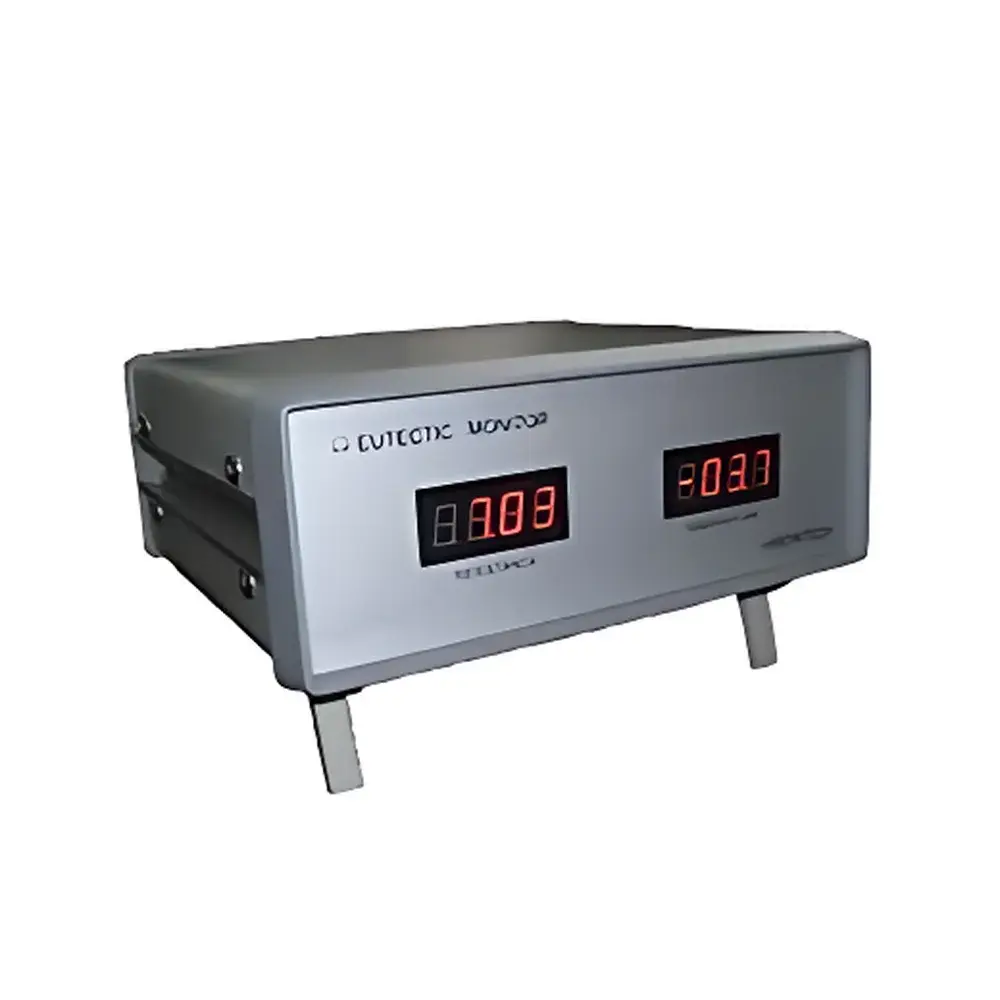
The Pilot3-6L accommodates standard 10–30 mL glass vials, trays, and open containers suitable for aqueous solutions, suspensions, and pastes with eutectic temperatures above −20 °C. Optional accessories—including organic solvent traps, T-type multi-manifold chambers, and oil mist filters—extend compatibility to formulations containing acetone, ethanol, or tert-butanol. The system architecture supports regulatory compliance frameworks: temperature and vacuum sensors are field-calibratable per ASTM E2877-22; data logging meets ALCOA+ principles when paired with optional PC database software; electronic signatures, audit trails, and role-based access control align with FDA 21 CFR Part 11 requirements (validated configuration required). All safety interlocks—including overcurrent protection, compressor overload cutoff, shelf overtemperature cutoff, and vacuum breach response—are hardwired and independently verified per IEC 61000-6-2 EMC standards.
Software & Data Management
The embedded industrial HMI provides intuitive, icon-driven navigation—requiring no manual for basic operation. Process parameters, alarms, and real-time curves (shelf temp vs. time, pressure vs. time) are displayed simultaneously. Data recording options include internal flash memory (retains ≥90 days of 50-ms-interval logs), USB export (FAT32 formatted drives), and TCP/IP-enabled PC database integration (SQL Server or PostgreSQL). Optional remote monitoring extends operational visibility up to 1.5 km via Ethernet or 4G LTE modem—enabling off-site supervision of ongoing cycles and predictive maintenance alerts. All exported datasets comply with CSV and XML schema standards for direct import into statistical process control (SPC) platforms such as JMP or Minitab. Calibration logs, user activity records, and protocol execution histories are retained separately to support GLP audits.
Applications
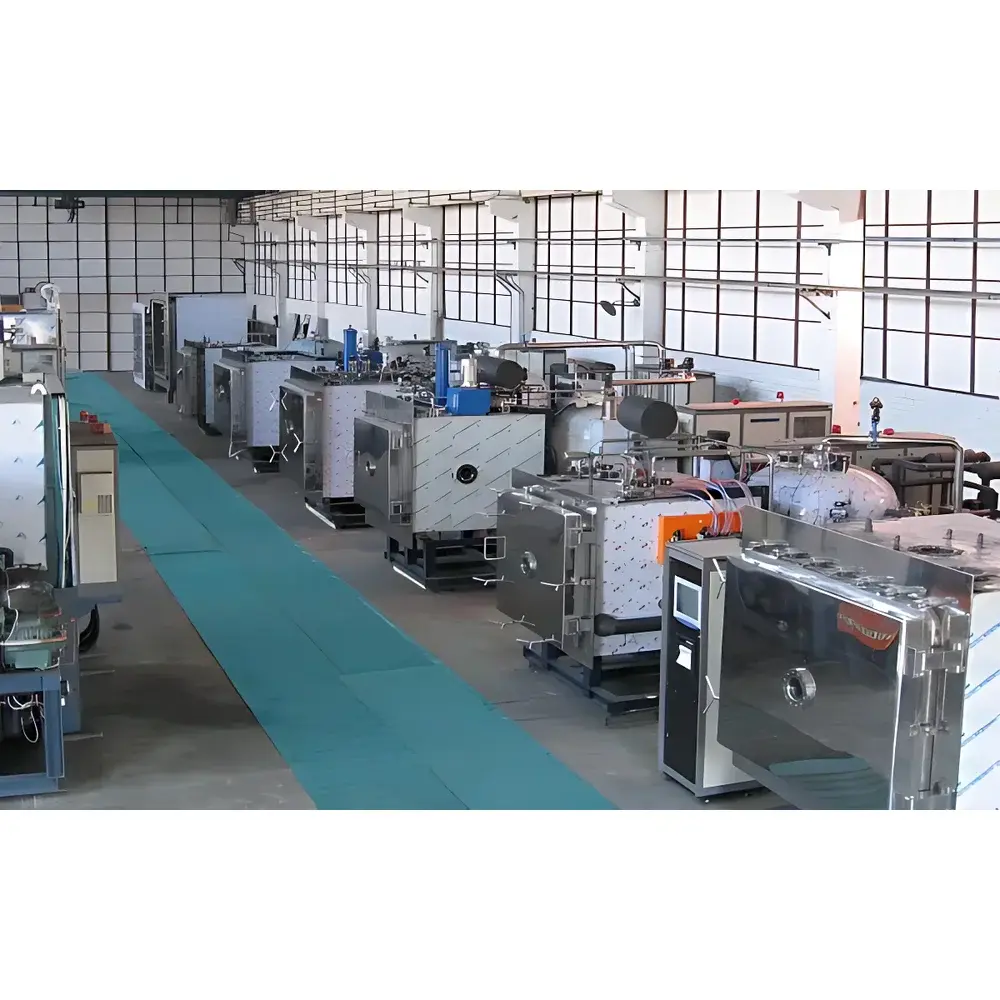
This system is routinely deployed in university core facilities for protein stabilization studies, contract development and manufacturing organizations (CDMOs) performing Phase I–II formulation optimization, and diagnostic reagent manufacturers validating freeze-dried lateral flow assay components. Typical use cases include: lyophilization cycle development for monoclonal antibody formulations; moisture content verification of vaccine intermediates per USP ; shelf-life modeling of probiotic consortia under accelerated stability conditions; and comparative drying kinetics analysis of novel cryoprotectant blends. Its modular design permits integration into automated sample handling lines via Modbus RTU or OPC UA interfaces, supporting Industry 4.0-ready laboratories.
FAQ
What is the maximum batch volume this unit can process per cycle?
Based on 0.35 m² shelf area and typical fill depth of 10 mm, the Pilot3-6L supports up to 3.5 L of aqueous solution per batch—though optimal throughput is 3 L/24 h to ensure full condenser capacity utilization.
Is the system suitable for organic solvent-containing formulations?
Yes—with the optional organic solvent trap accessory, it safely captures methanol, ethanol, and acetone vapors during drying, preventing pump oil contamination and extending service intervals.
Can I validate the temperature uniformity across shelves?
Yes: the system includes dedicated sensor ports for thermocouple mapping per ISO 13485 Annex A and EU GMP Annex 15 guidelines; validation kits and IQ/OQ documentation templates are available upon request.
Does the freeze-dryer support PAT (Process Analytical Technology) integration?
Yes: analog 4–20 mA outputs and Modbus TCP registers allow seamless connection to third-party NIR probes, tunable diode laser hygrometers, or manometric temperature measurement (MTM) systems.
What maintenance intervals are recommended for the vacuum pump?
Oil changes every 500 operating hours; full pump rebuild recommended every 3,000 hours or biannually—whichever occurs first—using OEM-certified replacement kits.



