
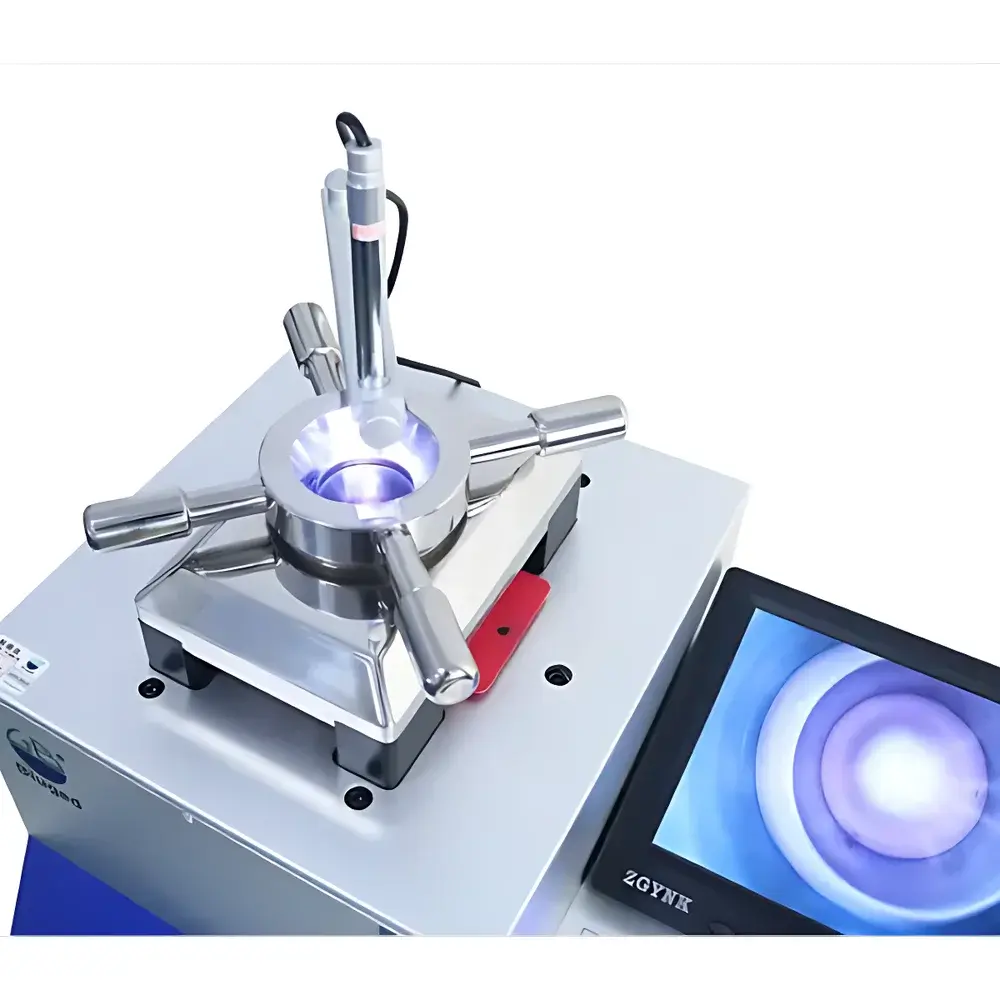
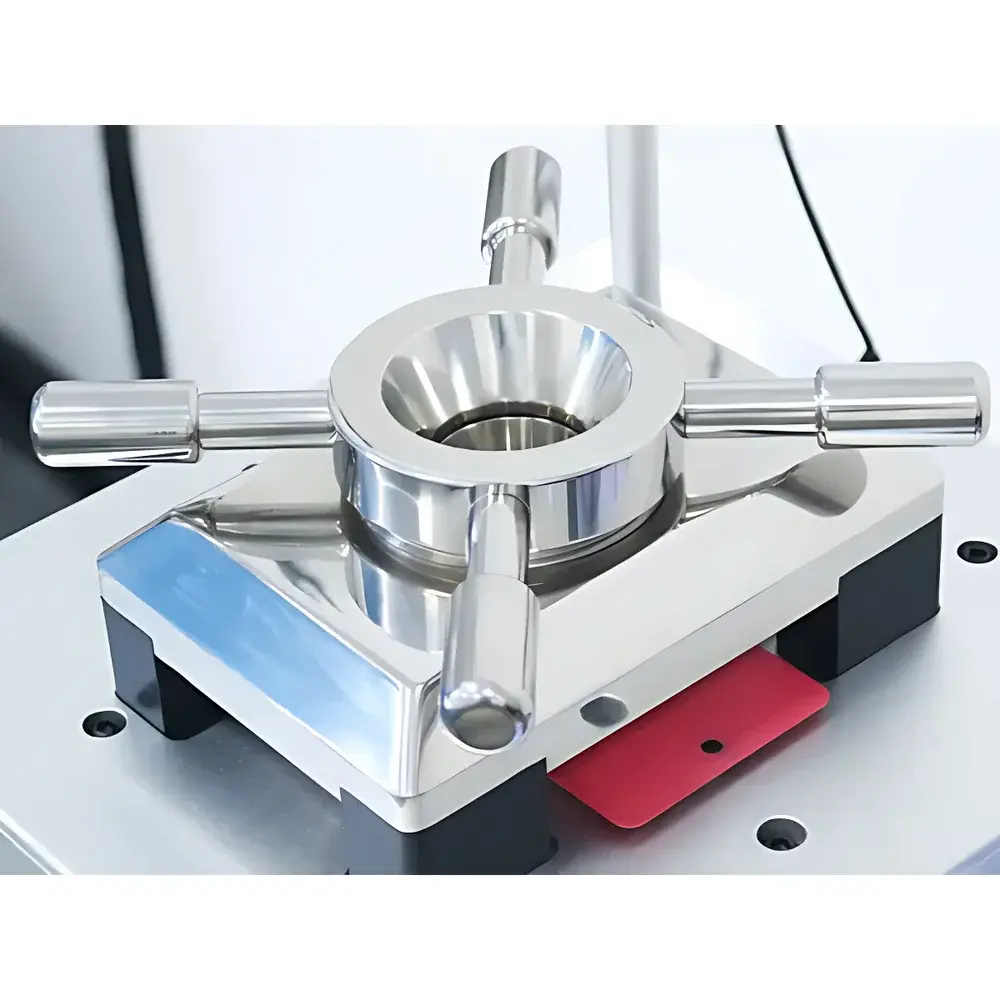
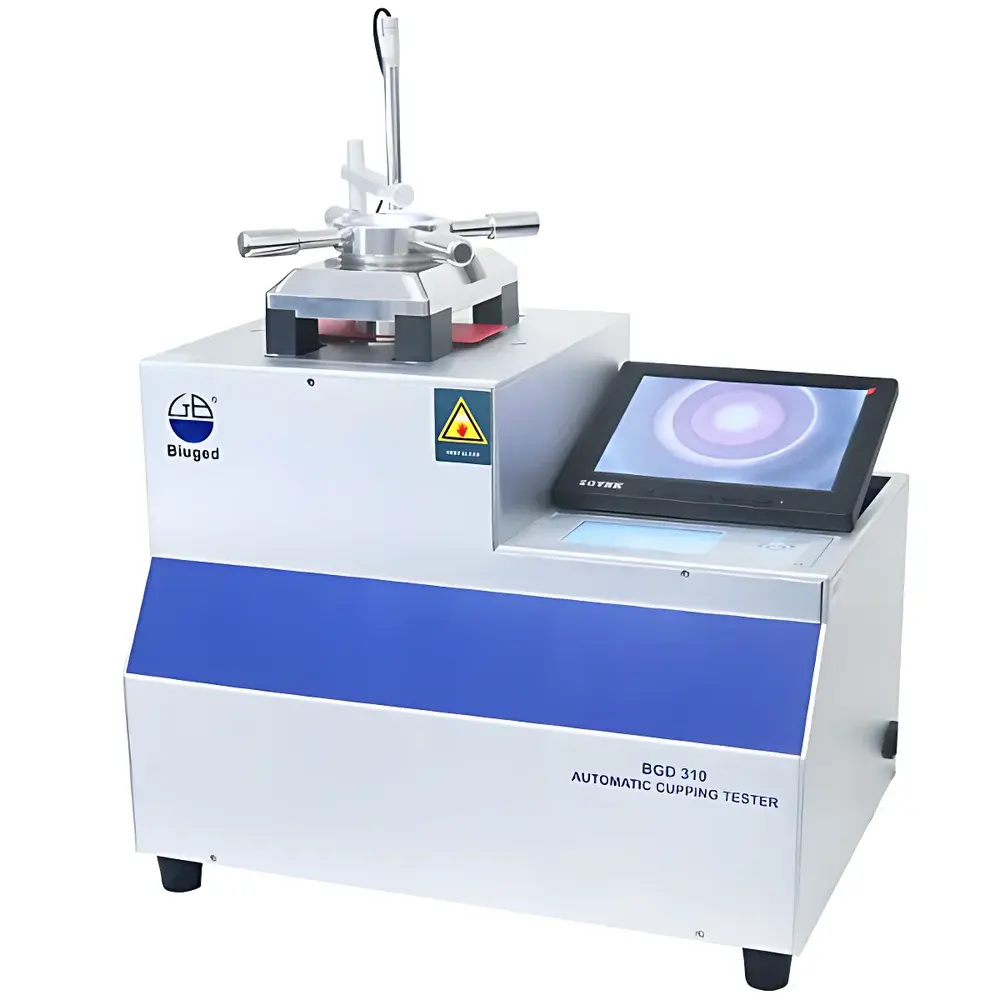
Biuged BGD 310 Automatic Erichsen Cupping Tester
| Brand | Biuged |
|---|---|
| Origin | Guangdong, China |
| Manufacturer Type | Manufacturer |
| Country of Origin | China |
| Model | BGD 310 |
| Price | Upon Request |
| Punch Diameter | 20 mm |
| Maximum Indentation Depth | 18 mm |
| Depth Resolution | 0.01 mm |
| Maximum Punch Force | 2500 N |
| Specimen Thickness Range | 0.3–1.25 mm |
| Specimen Width Capacity | up to 90 mm |
| Stroke Adjustment Range | 0–18 mm |
| Positioning Accuracy | ±0.01 mm |
| Dimensions (L×W×H) | 466 × 322 × 500 mm |
| Net Weight | 52 kg |
Overview
The Biuged BGD 310 Automatic Erichsen Cupping Tester is an electromechanically controlled instrument engineered for standardized evaluation of ductility and coating adhesion on metallic sheet substrates under biaxial strain conditions. It operates on the fundamental principle of the Erichsen cupping test (ISO 20482, ASTM E643, EN ISO 1520), wherein a hemispherical punch is driven vertically into a clamped metal specimen until fracture or coating failure occurs. Unlike manual or semi-automatic systems, the BGD 310 integrates closed-loop servo control to maintain a constant punch advancement rate of 0.2 mm/s—ensuring strict compliance with test standard kinematic requirements and eliminating operator-induced variability in loading velocity.
Key Features
- Fully automated punch actuation with programmable stroke range (0–18 mm) and precise constant-speed displacement at 0.2 mm/s, traceable to metrological standards;
- High-resolution optical linear encoder system providing positional feedback with ±0.01 mm repeatability across the full travel range;
- Integrated auto-zeroing coordinate positioning system that memorizes and dynamically tracks punch position after initial calibration, enabling repeatable setup across multiple specimens;
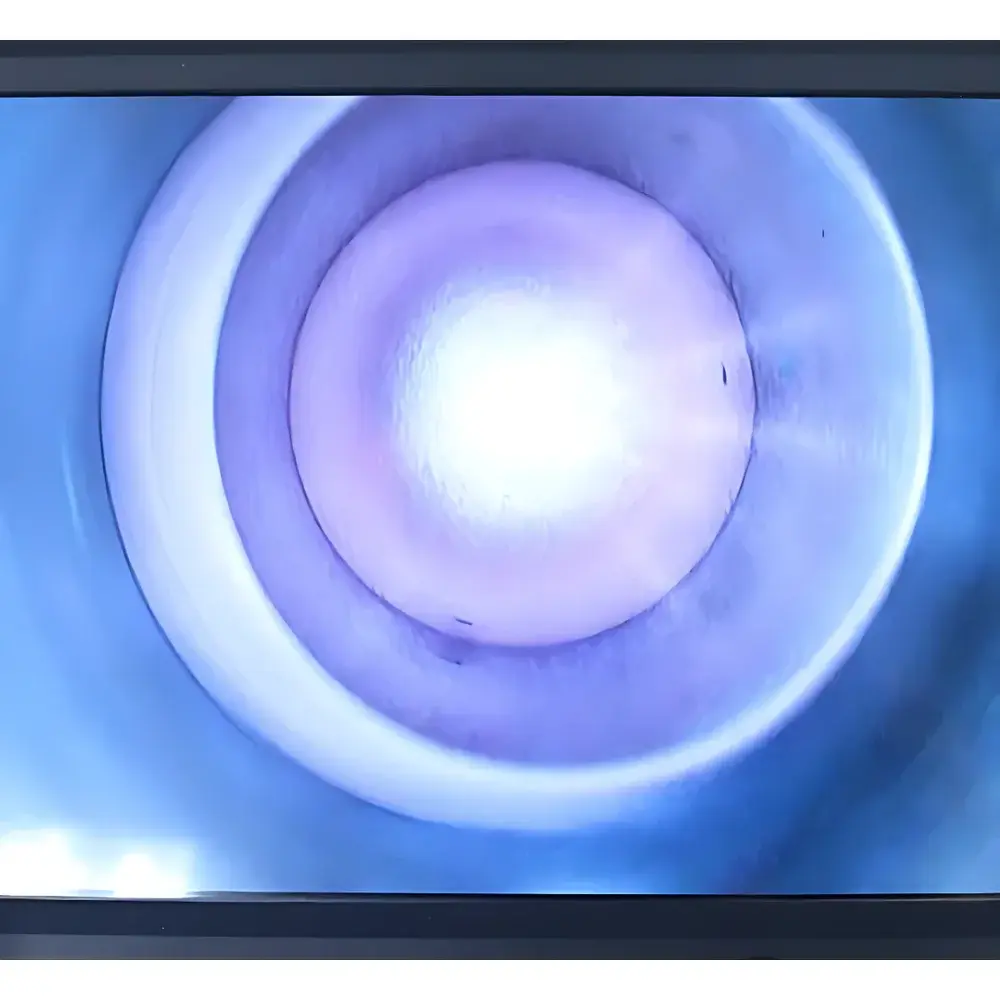
- Dual-mode visual assessment: high-magnification optical lens combined with a built-in HD display panel for real-time observation of crack initiation, propagation, and delamination without manual focusing;
- Robust mechanical architecture supporting specimens up to 90 mm wide and 0.3–1.25 mm thick, accommodating common industrial sheet metal formats used in automotive, appliance, and coil-coating quality assurance;
- Load capacity of 2500 N ensures compatibility with high-strength alloys and thicker gauge materials within the specified thickness envelope.
Sample Compatibility & Compliance
The BGD 310 is validated for use with flat, rigid metallic substrates conforming to dimensional and surface flatness requirements outlined in ISO 20482 and ASTM E643. It accepts specimens measuring up to 90 mm in width and 0.3–1.25 mm in thickness—covering cold-rolled steel, galvanized steel, aluminum alloys, and pre-painted metal coils widely employed in OEM manufacturing. The 20 mm diameter hemispherical punch meets standardized geometry specifications for Erichsen testing. All mechanical and control subsystems are designed to support GLP-compliant operation, with configurable audit trails and user-access logging suitable for regulated environments requiring documentation per ISO/IEC 17025 or internal QA protocols.
Software & Data Management
While the BGD 310 operates via embedded firmware with intuitive tactile interface, its digital subsystem supports export of raw displacement-force time-series data via USB interface for post-test analysis in third-party software (e.g., MATLAB, Excel, or LIMS platforms). Displacement resolution of 0.01 mm enables accurate determination of critical cupping depth at first visible crack (IEC 60529 Level IP2X-equivalent visual detection threshold). Optional PC-based companion software (sold separately) provides graphing, statistical batch reporting, and customizable pass/fail criteria based on user-defined depth thresholds—facilitating integration into enterprise-wide quality management systems aligned with ISO 9001 and IATF 16949 frameworks.
Applications
- Quantitative assessment of formability limits in cold-formed automotive body panels;
- Coating integrity validation for coil-coated architectural metals prior to roll-forming;
- Supplier qualification testing for zinc- or aluminum-coated steel substrates used in HVAC ductwork;
- R&D evaluation of novel alloy compositions where interfacial adhesion between substrate and organic/inorganic coatings must be benchmarked against industry reference materials;
- In-process QC in continuous galvanizing lines, where rapid cupping depth correlation with tensile elongation and r-value is routinely performed;
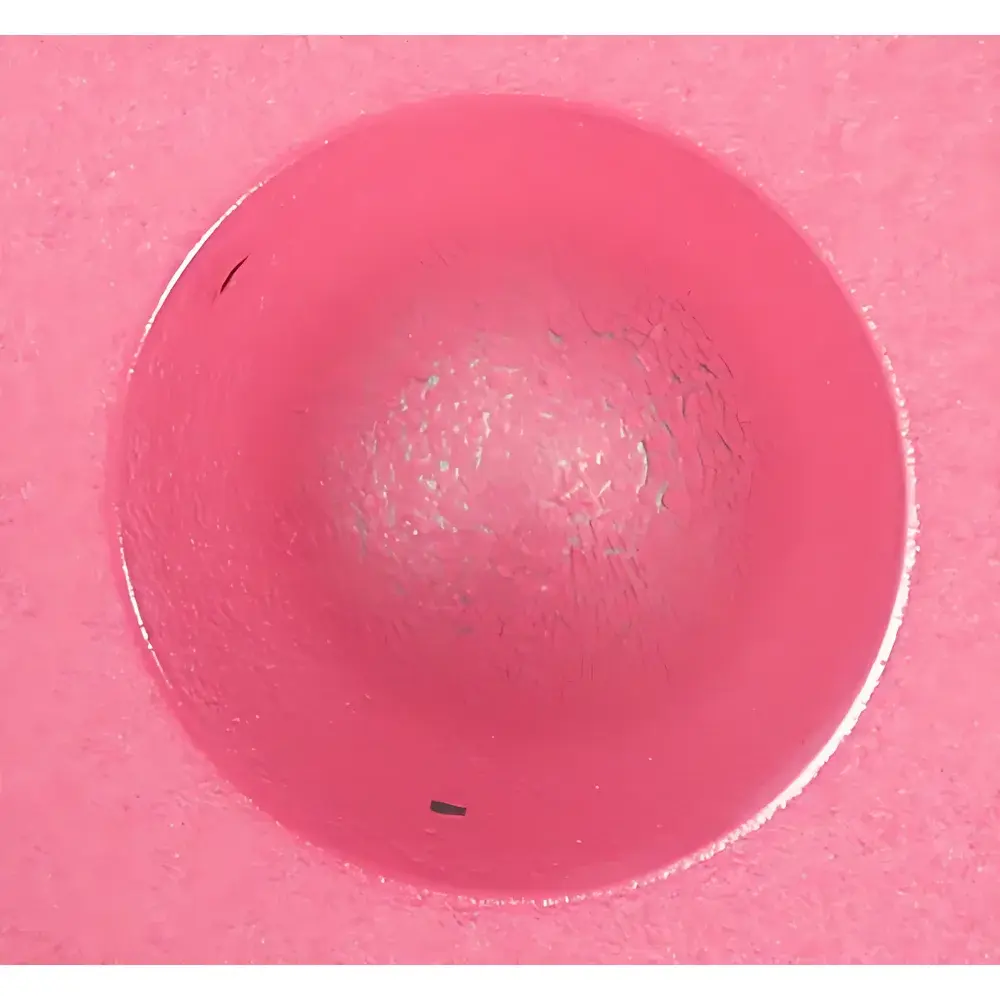
- Failure mode analysis of paint film cracking mechanisms under controlled biaxial strain states.
FAQ
What standards does the BGD 310 comply with?
It supports testing procedures defined in ISO 20482, ASTM E643, EN ISO 1520, and JIS Z 2247, with mechanical and kinematic parameters calibrated to meet their respective requirements for punch geometry, speed tolerance, and force measurement accuracy.
Can the instrument be integrated into an automated lab environment?
Yes—the device features RS-232 and USB communication interfaces, enabling remote command execution (e.g., start/stop, stroke setting) and data retrieval for integration with MES or SCADA systems.
Is calibration certification included with delivery?
Each unit ships with a factory calibration report referencing traceable standards; optional UKAS-accredited calibration services are available upon request.
Does the system require compressed air or external hydraulics?
No—the BGD 310 is fully electrically driven using a precision ball-screw actuator and brushless DC motor; no auxiliary utilities are needed beyond standard AC power.
How is specimen clamping force controlled?
Clamping pressure is mechanically preset via dual-handwheel adjustment to ensure uniform 10 kN nominal clamping load across the die ring, minimizing edge slippage during deformation.
Related Products



