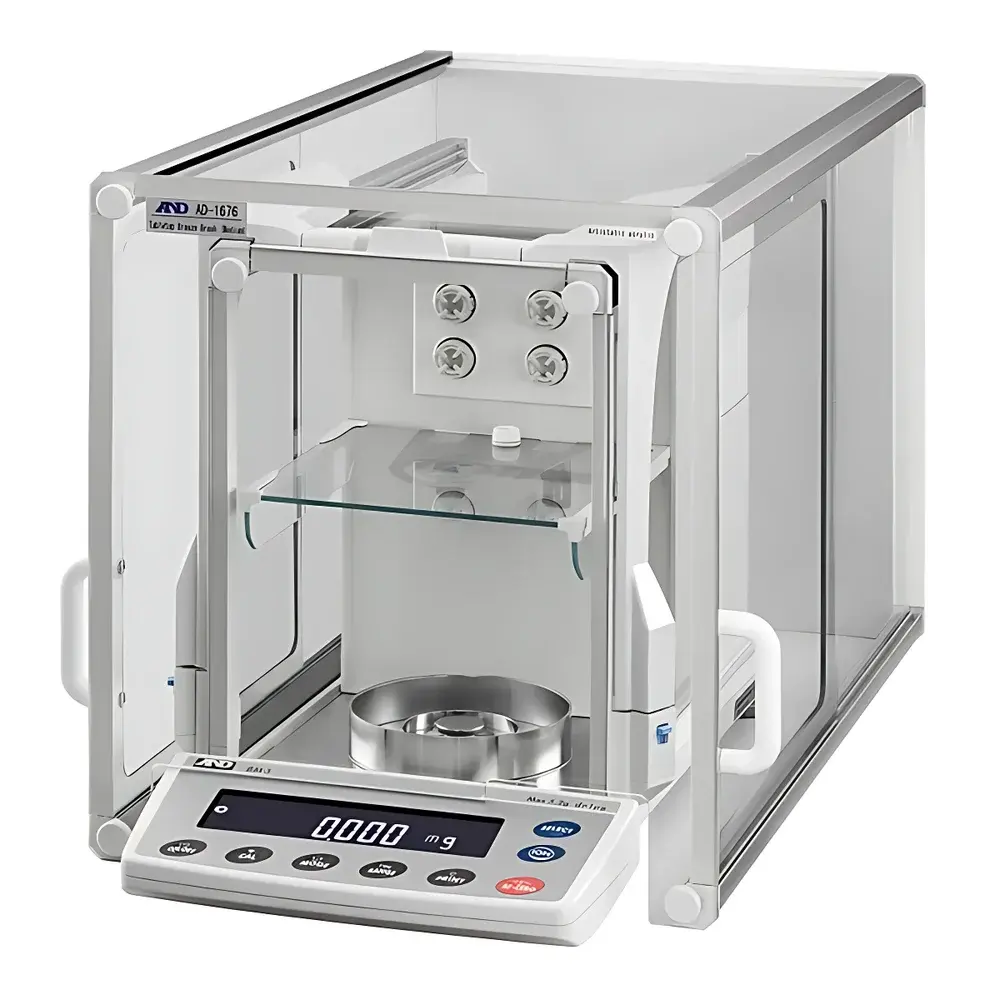
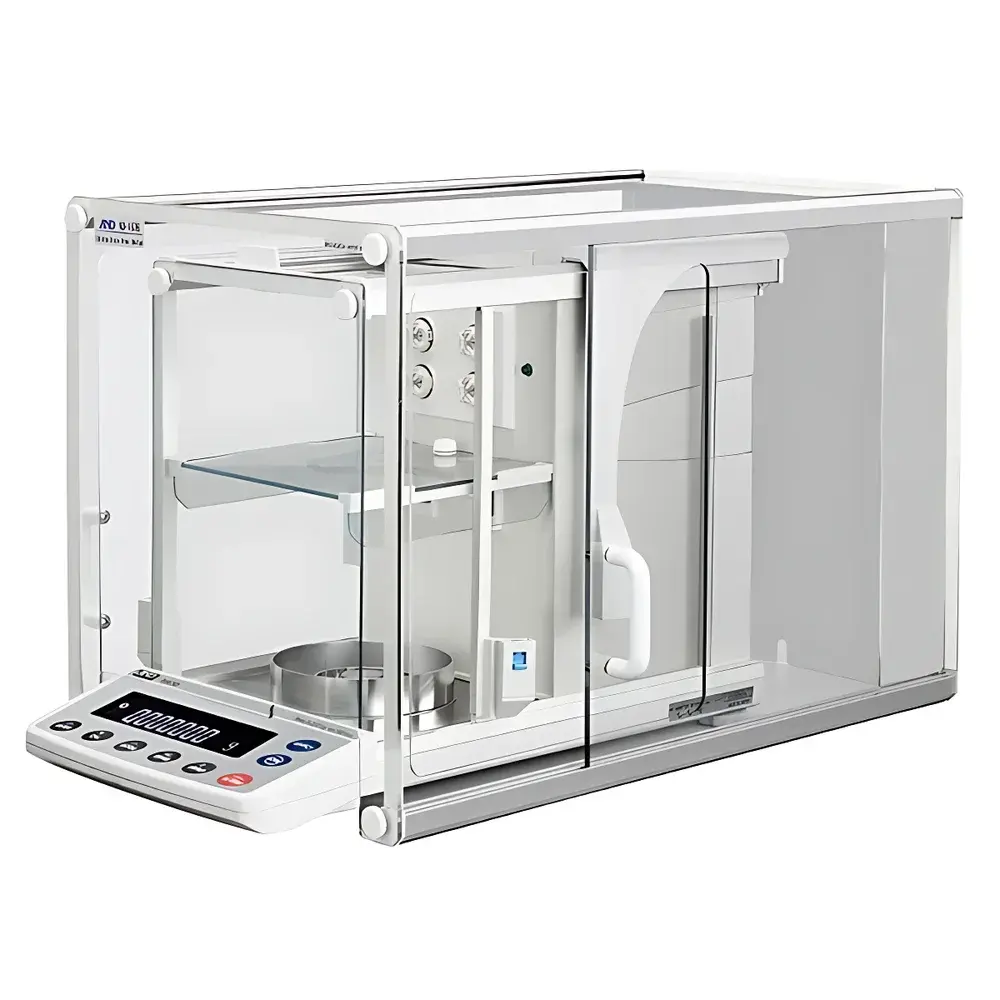
AND BM-5 Advanced Microbalance with 0.001 mg Readability
| Brand | AND/A&D |
|---|---|
| Origin | Japan |
| Model | BM-5 |
| Type | Ultra-Micro Balance |
| Capacity | 5.2 g |
| Readability | 0.001 mg (1 µg) |
| Repeatability | ±0.0012 mg |
| Calibration | Internal motorized calibration with built-in砝码 |
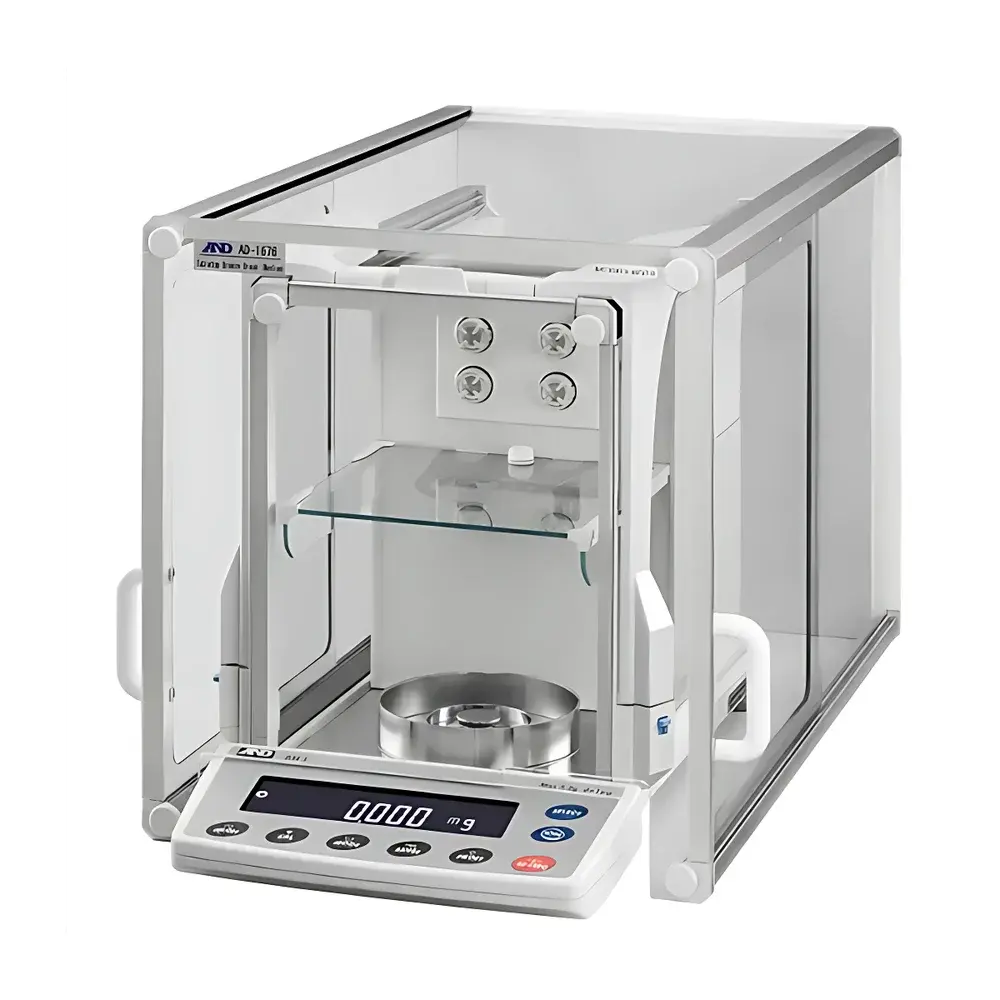
| Weighing Pan | Perforated mesh pan |
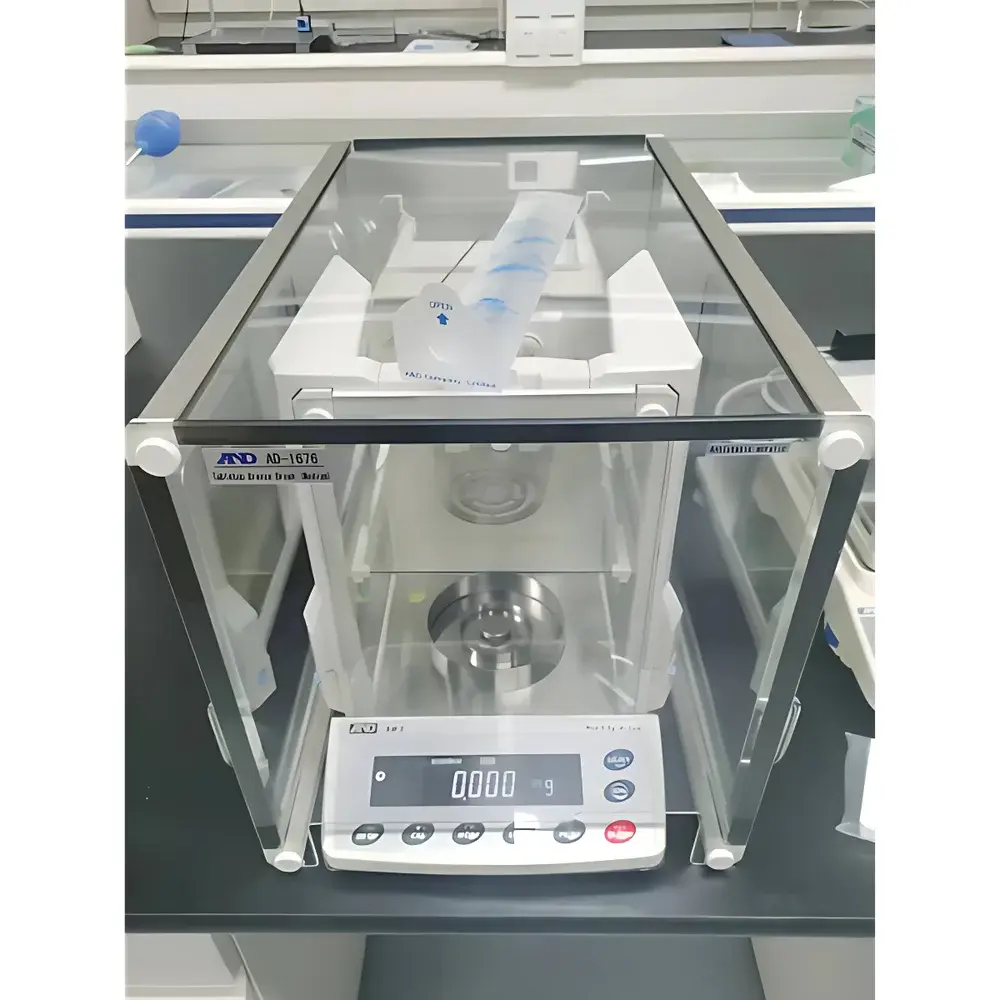
| Draft Shield | Conductive-coated glass with lateral sliding door |
| Interfaces | RS-232C and USB |
| Data Storage | 200 weighing records + 50 calibration logs |
| Software | WinCT (A&D proprietary GLP/GMP-compliant data acquisition and reporting suite) |
| Display | Large high-contrast white-backlit LCD |
Overview
The AND BM-5 is an ultra-micro balance engineered for laboratories requiring sub-milligram mass resolution under controlled environmental conditions. Operating on electromagnetic force compensation (EMFC) principle, it delivers consistent 0.001 mg (1 µg) readability across its full 5.2 g capacity range. Designed specifically for applications where trace-level mass quantification is critical—such as reference standard preparation, catalyst loading in catalysis research, pharmaceutical active ingredient (API) formulation, and nanomaterial dosing—the BM-5 integrates precision mechanics with electrostatic mitigation architecture to minimize measurement drift and artifact-induced uncertainty. Its core transduction system employs a high-stability electromagnetic sensor coupled with real-time thermal drift compensation, ensuring stable zero tracking over extended operation cycles without manual intervention.
Key Features
- Electrostatic control system: Integrated DC ionizer eliminates static charge on samples and containers without airflow—critical for hygroscopic, low-density, or fine-powder materials that would otherwise levitate or adhere unpredictably.
- Conductive anti-static draft shield: Front and side panels feature transparent conductive coating grounded via the balance chassis, preventing surface charge accumulation from operator contact or sample handling.
- Lateral sliding door mechanism: Enables simultaneous access to the weighing chamber and sample placement—reducing door-induced air turbulence and improving workflow ergonomics during repetitive micro-weighing tasks.
- Perforated mesh weighing pan: Optimized geometry minimizes buoyancy effects and convective interference while maintaining mechanical rigidity and ease of cleaning—especially beneficial for volatile solvents or temperature-sensitive compounds.
- Dual-ring weighing platform design: Allows modular configuration—removable partition plate enables full-chamber ionization coverage when required, while retaining structural integrity and vibration isolation.
- Motorized internal calibration: Single-button activation triggers automatic calibration using factory-traceable internal weights; fully compliant with ISO 17025 and USP <41> requirements for periodic verification.
Sample Compatibility & Compliance
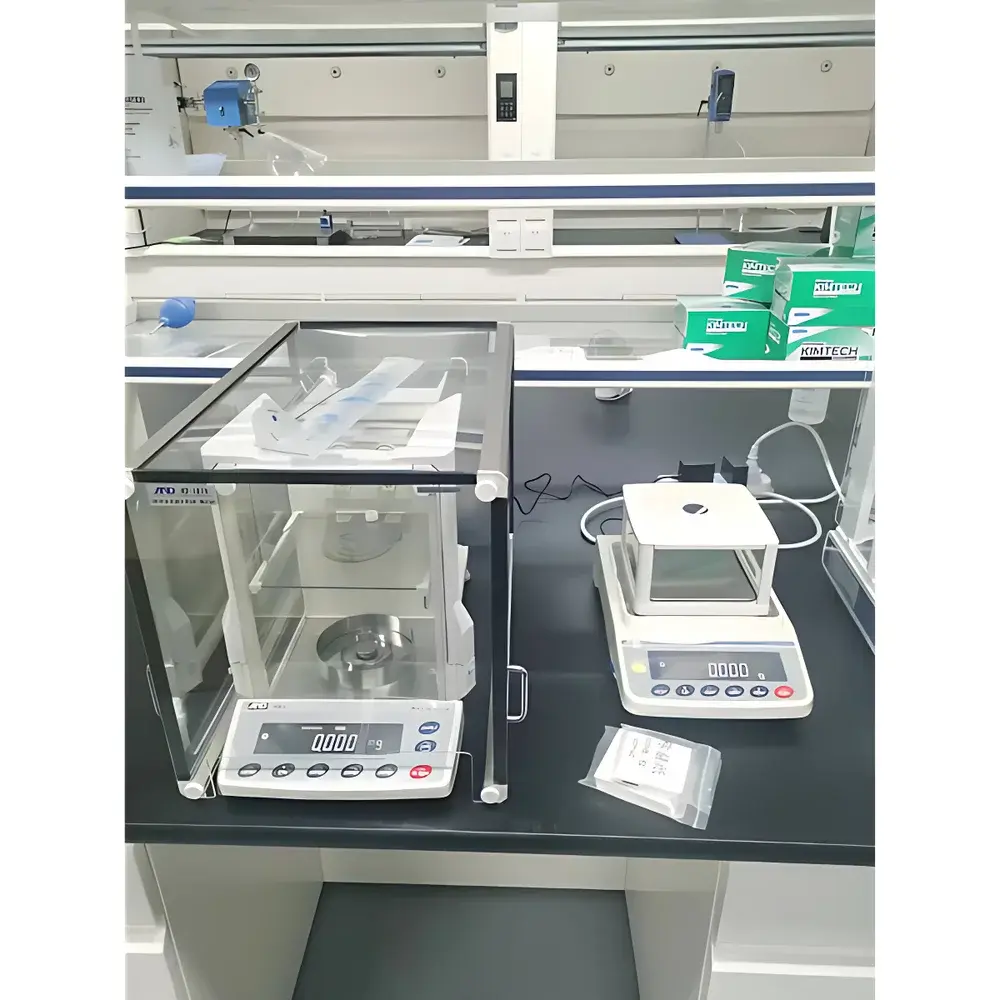
The BM-5 accommodates a broad spectrum of sample forms—including powders, crystals, films, micro-tablets, and suspended particulates—within standard analytical vials, crucibles, and tared filter papers. Its low-profile chamber geometry supports compatibility with glove-box integration and inert-atmosphere transfer systems. All firmware and hardware configurations meet international regulatory expectations for analytical instrumentation: full audit trail capability (user ID, timestamp, action type), electronic signature support, and export-ready report generation aligned with GLP, GMP, and ISO/IEC 17025 documentation standards. The balance complies with electromagnetic compatibility (EMC) Directive 2014/30/EU and carries CE marking for laboratory use in EEA jurisdictions.
Software & Data Management
WinCT software—supplied standard with the BM-5—provides secure, validated data acquisition and reporting functionality. It supports automated data logging, customizable report templates (including GLP/GMP/ISO header blocks), and direct export to CSV, PDF, or Excel formats. All stored measurements retain metadata including environmental conditions (if connected to optional external sensors), calibration history, and operator credentials. Audit trails are immutable and time-stamped to satisfy FDA 21 CFR Part 11 requirements for electronic records and signatures. Up to 200 weighing entries and 50 calibration events are retained onboard with non-volatile memory, eliminating dependency on continuous PC connection for routine operations.
Applications
- Preparation and verification of certified reference materials (CRMs) and working standards in metrology labs.
- Weighing of nanogram-to-microgram quantities of catalysts, enzymes, or radiolabeled compounds in R&D settings.
- Content uniformity testing of high-potency pharmaceuticals per USP <905> and Ph. Eur. 2.9.40.
- Gravimetric analysis of filter-captured airborne particulates (e.g., PM2.5, metals) in environmental monitoring.
- Mass determination of thin-film coatings, MEMS components, and semiconductor wafers during process development.
- Calibration of pipette performance using gravimetric methods per ISO 8655-6 and ASTM E2772.
FAQ
What is the maximum permissible load for the BM-5?
The BM-5 has a maximum capacity of 5.2 g. Exceeding this limit may compromise sensor linearity and void calibration validity.
Does the BM-5 require external calibration weights?
No—internal motorized calibration uses factory-certified weights traceable to NMIJ/JCSS standards; external verification is optional per ISO 17025 or internal SOPs.
Can the BM-5 operate inside a nitrogen-purged glove box?
Yes—its sealed electronics and absence of forced-air cooling allow safe integration into inert-atmosphere enclosures; consult A&D technical documentation for mounting and cable feedthrough specifications.
Is WinCT software compatible with Windows 11 and 64-bit systems?
Yes—WinCT v4.2 and later versions support Windows 10/11 (64-bit) and include TLS 1.2–enabled secure data transmission protocols.
How does the perforated weighing pan improve measurement stability?
The mesh geometry reduces aerodynamic drag and pressure differentials caused by residual air movement, minimizing transient oscillations and accelerating settling time—particularly advantageous for low-mass, high-surface-area samples.