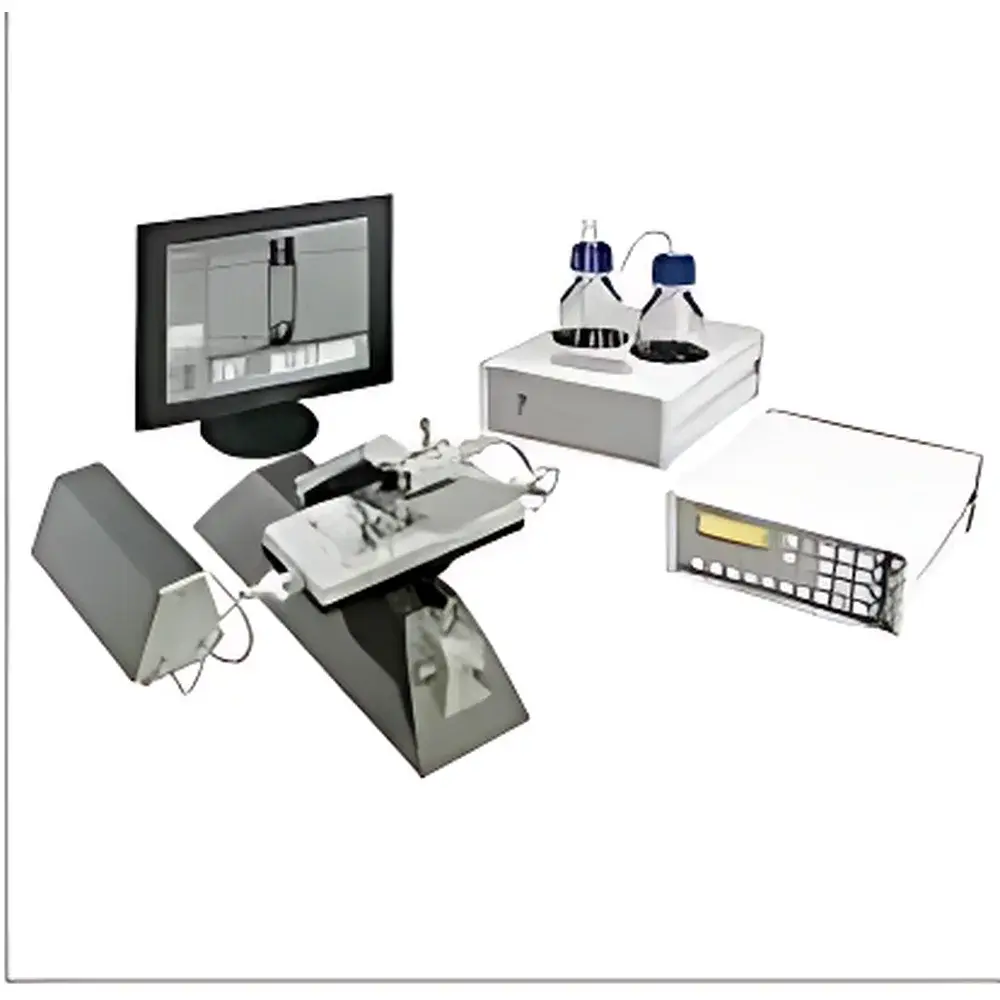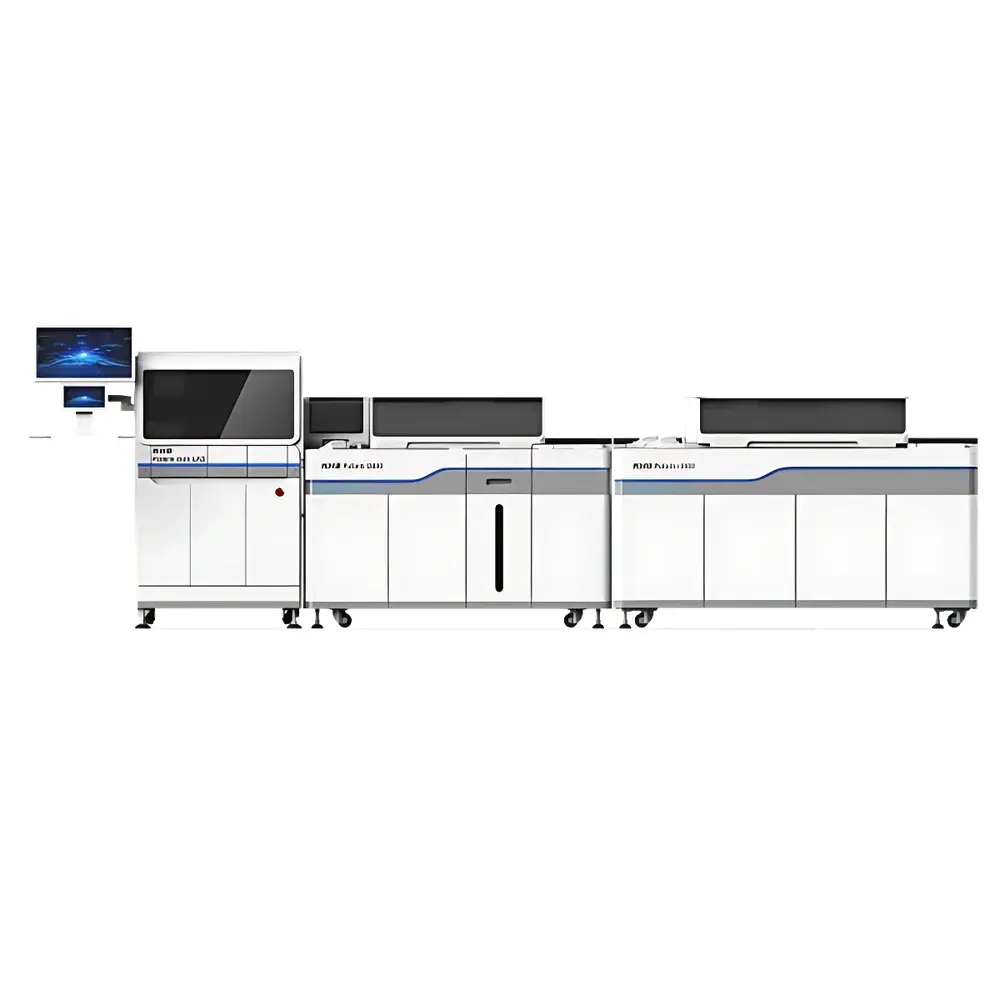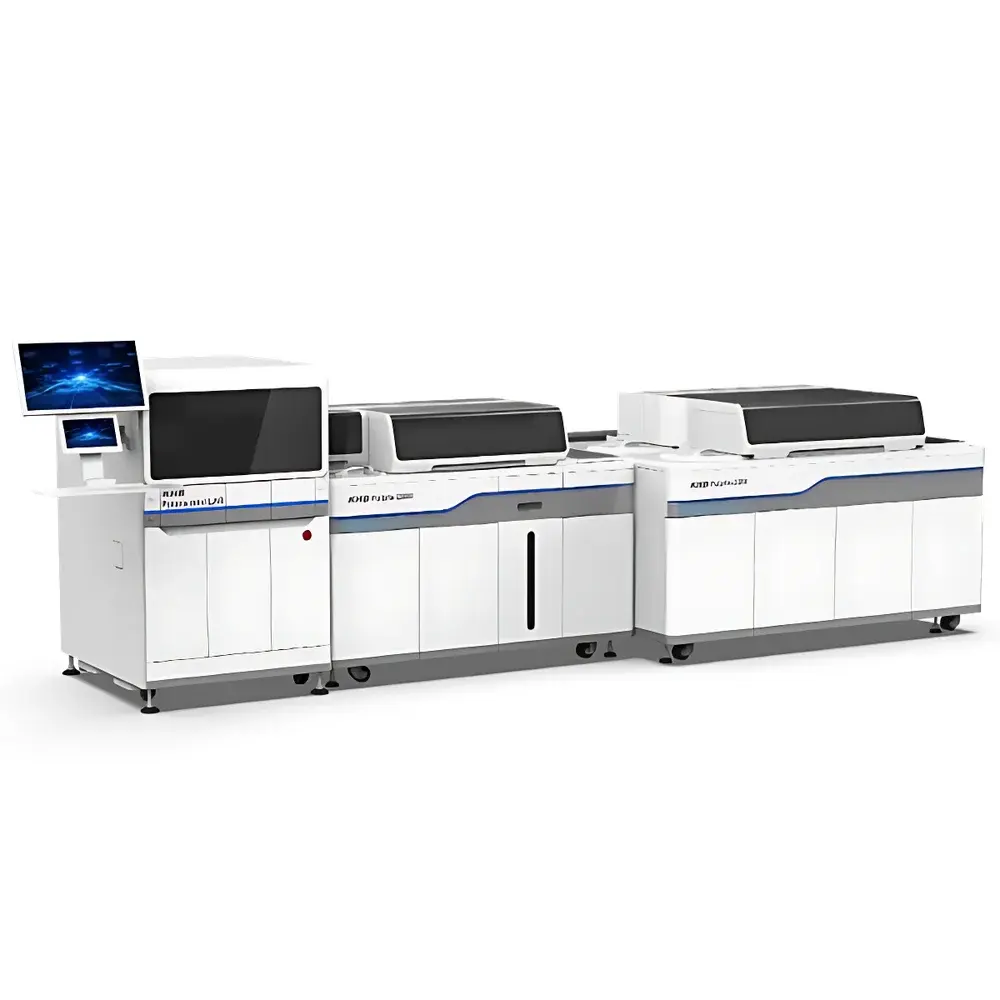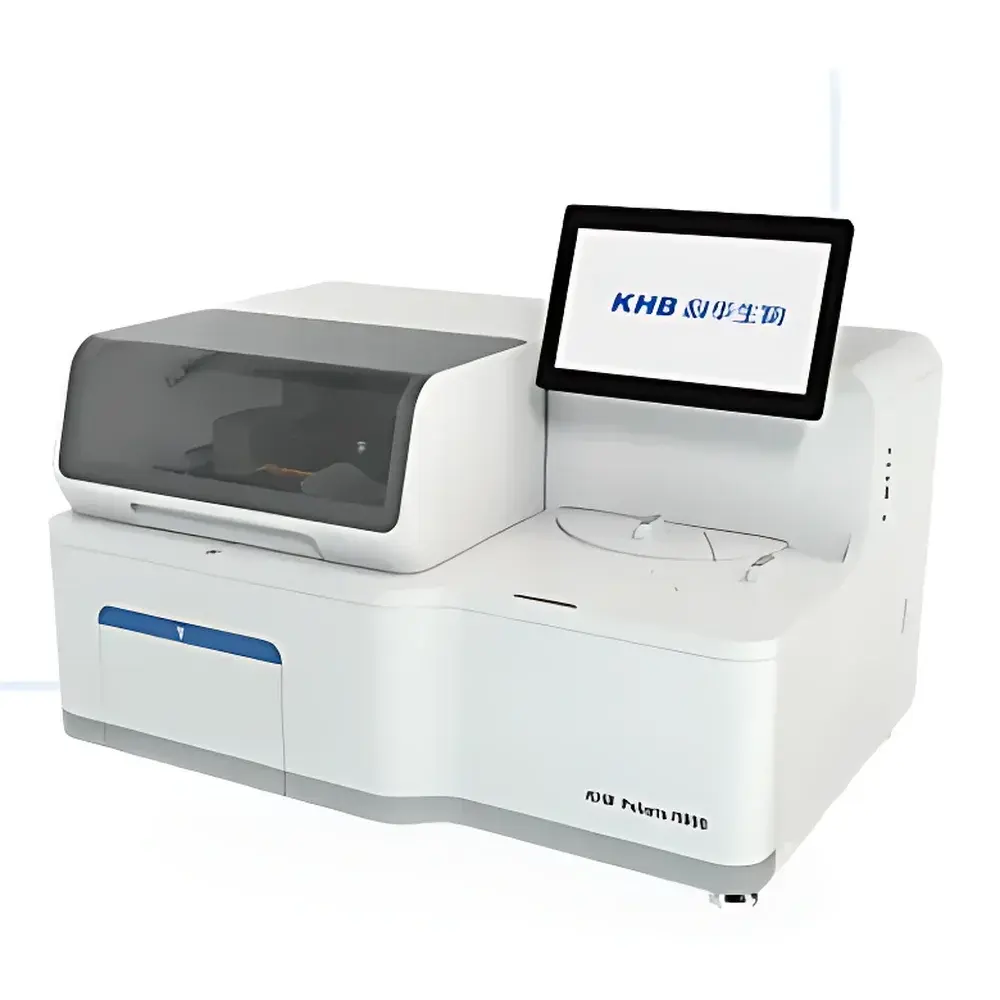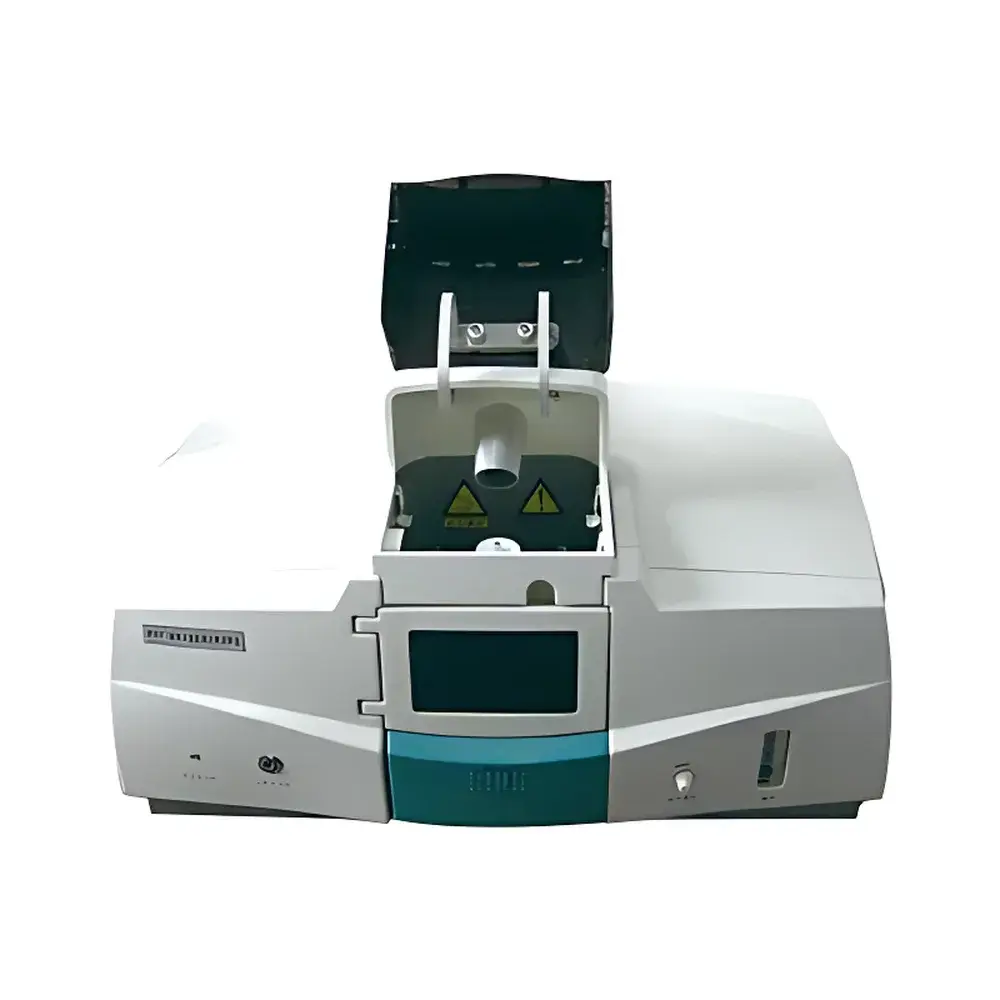
Bohui Innovation BH2101S Tungsten-Boat Atomic Absorption Spectrometer for Blood Lead and Cadmium Analysis
| Brand | Bohui Innovation |
|---|---|
| Origin | Beijing, China |
| Model | BH2101S |
| Analytical Method | Tungsten-Boat Electrothermal Atomic Absorption Spectrometry (ETAAS) |
| Wavelength Range | 190–650 nm |
| Spectral Bandwidth | 1.0–2.0 nm |
| Absorbance Range | 0–2 Abs |
| Baseline Stability | ≤0.009 Abs/20 min (Pb & Cd, after 30-min preheating) |
| Sensitivity | Pb >0.055 Abs, Cd >0.025 Abs (≤50 µL sample) |
| Precision | ≤4.5% RSD (Abs >0.1) |
| Background Correction | Self-reversal (self-absorption) method |
| Measurement Mode | Dual-channel simultaneous detection (Pb & Cd) |
| Power Supply | AC 220 V, 50 Hz, 600 VA |
| Dimensions | 780 × 560 × 470 mm (L×W×H) |
| Weight | 45 kg |
| Operating Environment | 10–30 °C, 0.070–0.106 MPa, vibration-free, non-corrosive, low-EMI |
Overview
The Bohui Innovation BH2101S is a dedicated electrothermal atomic absorption spectrometer engineered for clinical laboratories requiring rapid, reliable quantification of lead (Pb) and cadmium (Cd) in whole blood specimens. It employs tungsten-boat electrothermal atomization — a robust, closed-system variant of graphite furnace AAS — where microliter-volume samples (as low as 40 µL) are introduced into a high-purity tungsten crucible, rapidly heated under controlled inert or oxidizing gas flow to achieve complete atomization of target analytes. The resulting ground-state atoms absorb characteristic resonance radiation emitted by hollow-cathode lamps (HCLs) tuned to Pb (283.3 nm) and Cd (228.8 nm), enabling highly sensitive, element-specific detection. Unlike flame-AAS or ICP-based platforms, the BH2101S eliminates solvent dilution, matrix interference from organic components, and inter-element spectral overlap through its dual-channel optical path and integrated self-reversal background correction. Its design complies with core performance expectations outlined in CLSI EP17-A2 (Evaluation of Detection Capability) and aligns with analytical validation principles referenced in ISO/IEC 17025:2017 for clinical toxicology testing.
Key Features
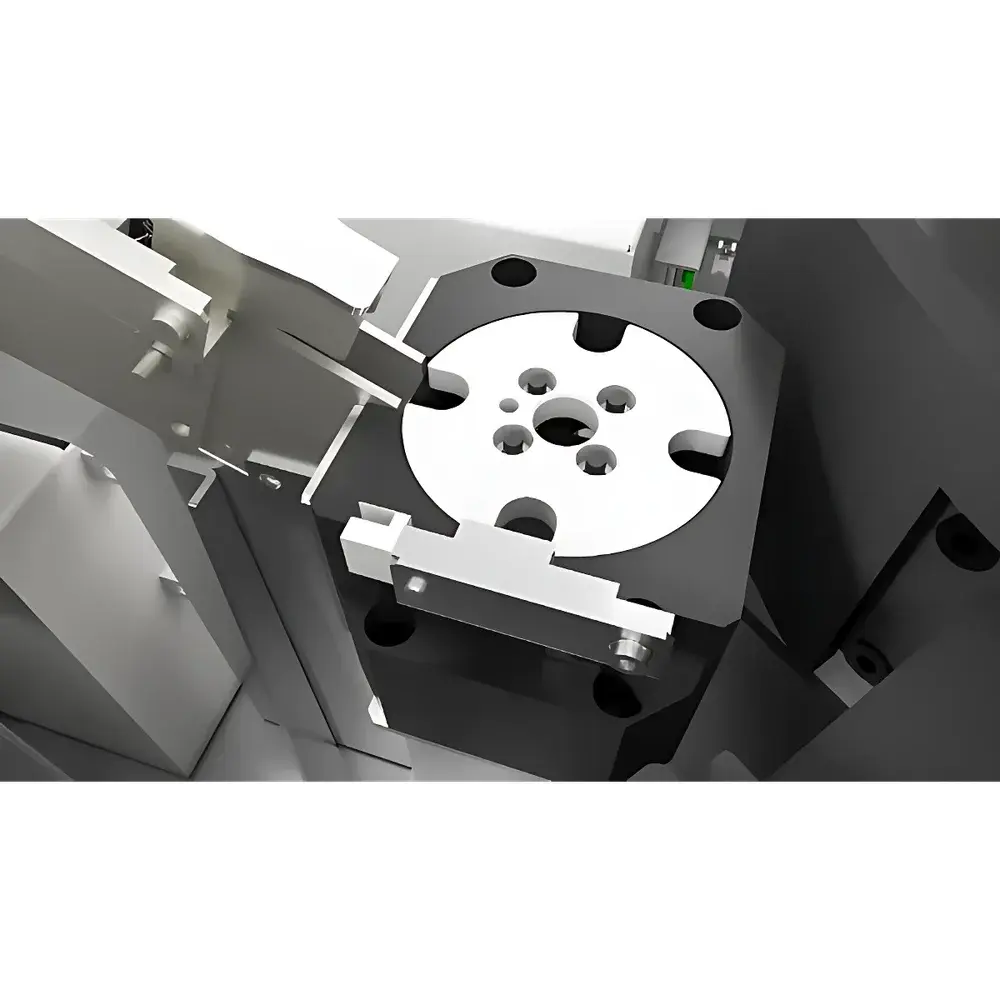
- Tungsten-boat atomizer: Engineered for thermal stability up to 2800 °C, the boat-shaped tungsten crucible provides rapid heating rates (>1500 °C/s), low power consumption (600 VA), and no requirement for external water cooling — reducing infrastructure dependencies and operational complexity.
- Active oxygen-assisted atomization: Integrated gas-flow control introduces precise oxygen pulses during pyrolysis and atomization stages, enhancing volatilization efficiency of Pb/Cd complexes while minimizing carbide formation and residual carbon buildup on the boat surface.
- Self-reversal background correction: Utilizes the same HCL and optical path for both analyte and background measurement, delivering high-fidelity correction without mechanical beam-switching or magnetic field modulation. Validated to maintain <±0.5% deviation in absorbance accuracy even under background absorption approaching 1.0 Abs.
- Dual-channel simultaneous detection: Independent photomultiplier tube (PMT) channels with synchronized time-resolved readout enable concurrent acquisition of Pb and Cd signals — eliminating sequential measurement delays and improving throughput to ≤90 seconds per sample.
- Open-access sample introduction: Large-diameter sample port (≥3 mm) accommodates standard micro-syringes and supports manual or automated aspiration with minimal training burden — critical for high-turnover clinical labs operating under CLIA-waived or moderate-complexity regulatory frameworks.
- Integrated air filtration module: Compact, replaceable activated-carbon and HEPA-grade filter assembly captures metal oxide fumes and volatile organics generated during atomization, ensuring operator safety and compliance with OSHA PEL and NIOSH REL exposure limits without external ducting.
Sample Compatibility & Compliance
The BH2101S is validated for direct analysis of anticoagulated whole blood (EDTA-K₂ or heparinized), requiring no acid digestion, dilution, or derivatization. Sample volume is fixed at 40–50 µL, minimizing phlebotomy burden and enabling pediatric use. Instrument performance meets the analytical sensitivity and precision thresholds specified in ASTM D3559-21 (Standard Test Methods for Lead in Water) and adapts key calibration verification protocols from USP <232> Elemental Impurities – Procedures. While not FDA 510(k)-cleared as a standalone IVD device, the system bears registration under China NMPA (formerly CFDA) approval number Jing Yao Jian Xie (Zhun) Zi 2010 Di 2400134 Hao, supporting its deployment in GLP-aligned environmental health screening programs and occupational medicine workflows compliant with GB/T 22997–2008 (Biological Monitoring of Occupational Exposure to Lead).
Software & Data Management
The BH2101S runs on proprietary Windows-based software compliant with ALCOA+ data integrity principles. All measurement events — including lamp warm-up status, temperature ramp profiles, absorbance kinetics, background subtraction traces, and calibration curve parameters — are timestamped, digitally signed, and stored in encrypted SQLite databases. Audit trails record user login/logout, method modification history, result reprocessing actions, and instrument error logs — satisfying traceability requirements under ISO 15189:2022 Clause 5.9.1 and facilitating FDA 21 CFR Part 11 readiness when deployed with validated electronic signature modules. Reports export to PDF or CSV formats with embedded QC metrics (e.g., %RSD, spike recovery, carryover assessment), and support configurable templates aligned with CAP checklist ANP.40750 (Toxicology Testing Reporting Requirements).
Applications
- Routine blood lead level (BLL) screening in pediatric populations per CDC reference value updates (currently 3.5 µg/dL).
- Ongoing biological monitoring of workers exposed to lead-acid battery manufacturing, smelting, or soldering operations.
- Clinical evaluation of cadmium-induced renal tubular dysfunction via serial blood Cd trend analysis.
- Reference laboratory confirmation testing following positive point-of-care immunoassay results.
- Public health surveillance studies assessing environmental heavy metal exposure in high-risk communities.
FAQ
What sample preparation is required prior to analysis?
None — the BH2101S accepts native whole blood collected in EDTA or heparin tubes. Samples must be homogenized by gentle inversion and analyzed within 4 hours of collection (or refrigerated at 2–8 °C for up to 24 hours).
Is the tungsten boat reusable, and what is its typical service life?
Yes; each boat undergoes rigorous quality control for dimensional consistency and purity (W ≥99.95%). Under standard operating conditions (≤100 injections/day), average lifetime exceeds 300 analyses. Replacement boats are supplied with lot-specific certification of elemental blank levels (<0.1 pg Pb/Cd).
Can the system be integrated into a LIS environment?
Yes — bidirectional HL7 v2.5.1 interface is supported via optional middleware, enabling automatic result transmission, patient demographic pull, and QC flagging based on internal control thresholds.
Does the instrument support multi-element analysis beyond Pb and Cd?
No — the BH2101S is purpose-built for dual-element clinical toxicology. Its optical train, lamp configuration, and thermal program are optimized exclusively for Pb and Cd, ensuring maximum sensitivity, specificity, and regulatory alignment for this narrow but high-impact application domain.