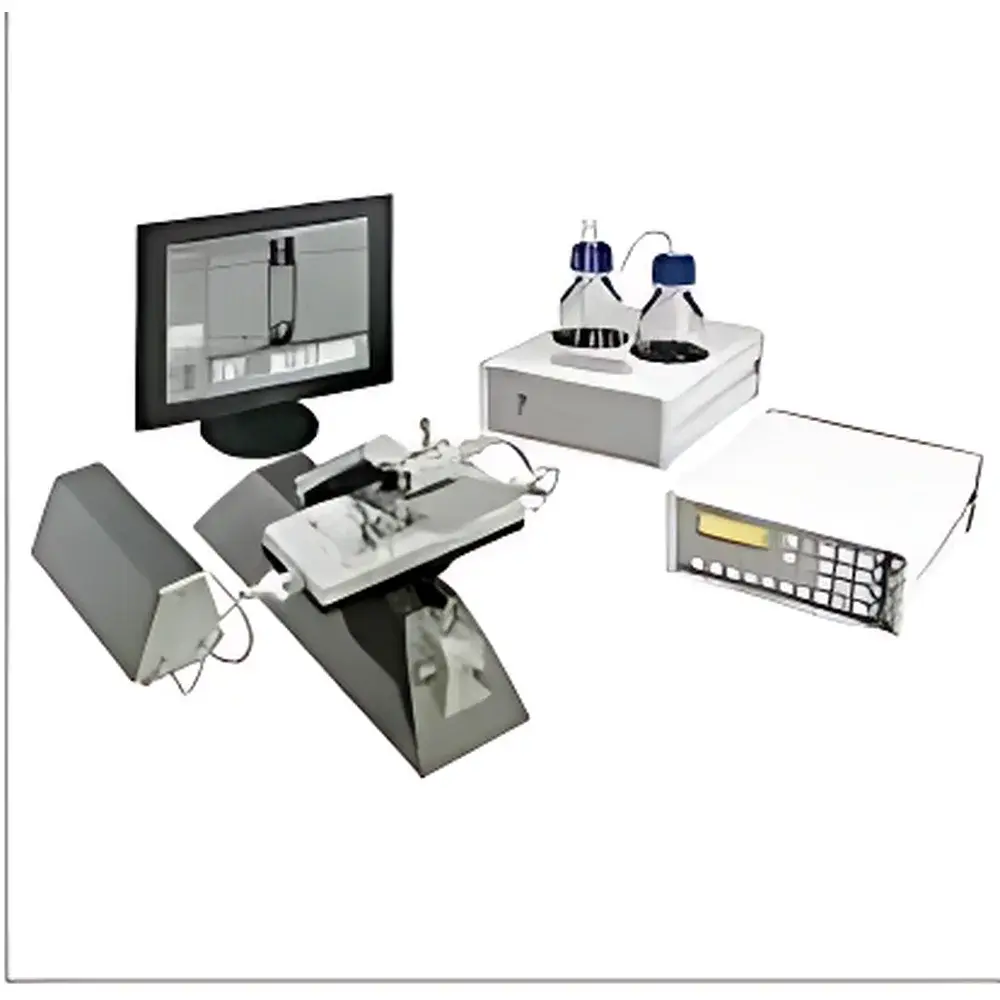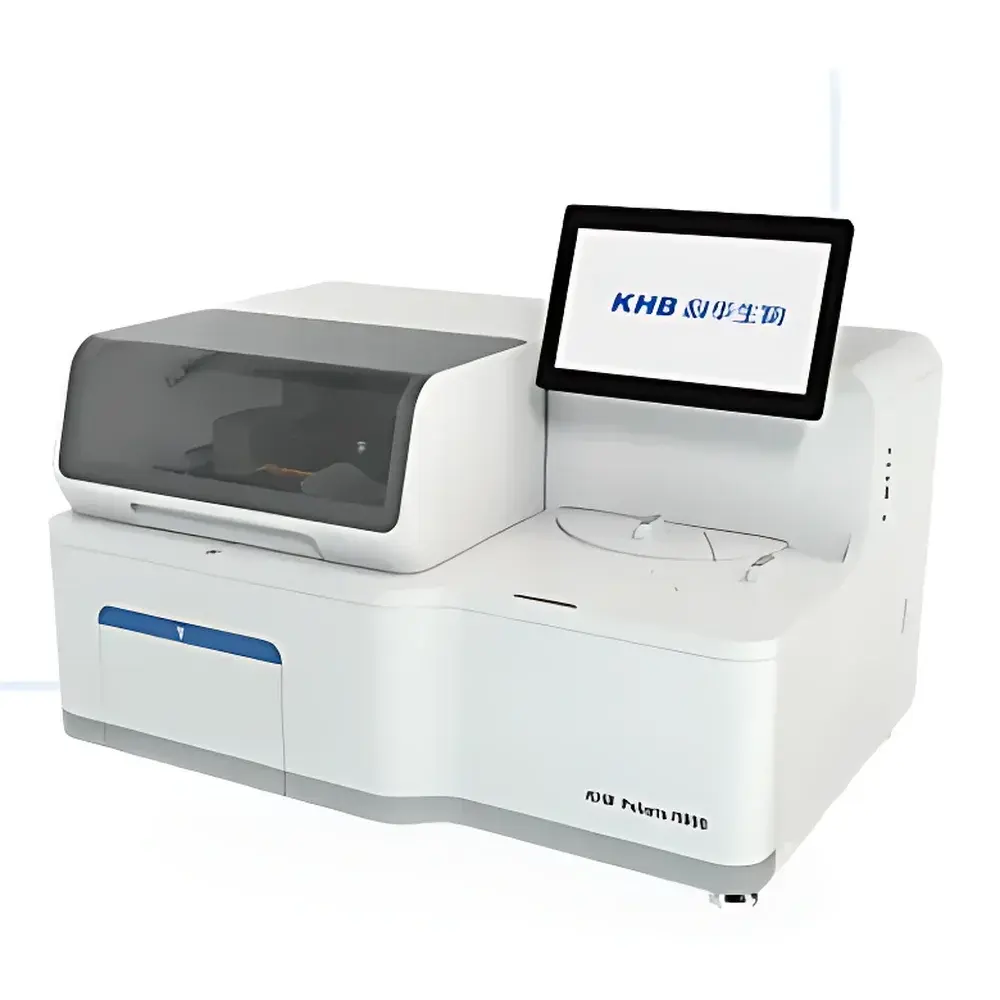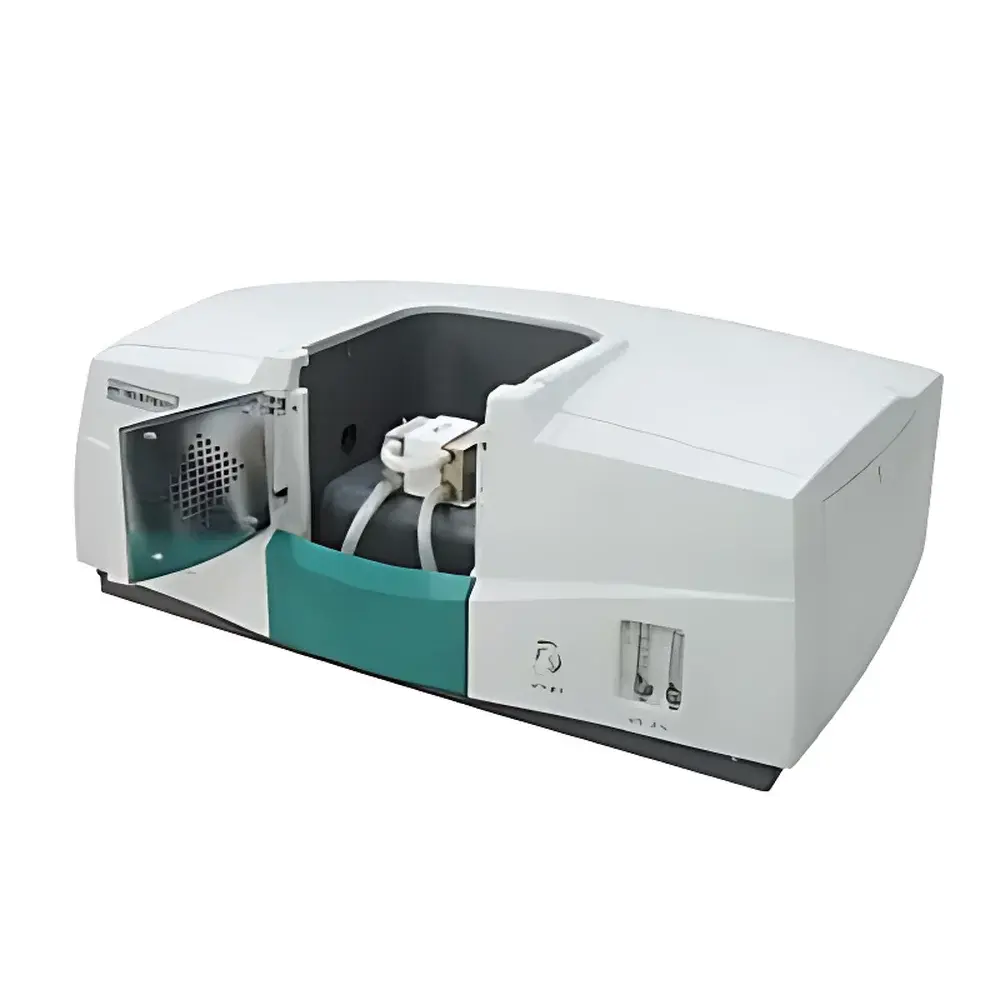
Bohui Innovation BH2200S Graphite Furnace Atomic Absorption Spectrometer for Blood Lead and Cadmium Analysis
| Brand | Bohui Innovation |
|---|---|
| Origin | Beijing, China |
| Model | BH2200S |
| Analysis Method | Graphite Furnace Atomic Absorption Spectrometry (GFAAS) |
| Wavelength Range | 190–650 nm |
| Spectral Bandwidth | 0.10–2.0 nm |
| Absorbance Range | 0–2 Abs |
| Baseline Stability | ≤0.009 Abs/20 min (after 30-min warm-up) |
| Detection Sensitivity | Pb > 0.055 Abs, Cd > 0.025 Abs (≤50 µL injection) |
| Precision | ≤2.9% RSD (Abs > 0.1) |
| Background Correction Capacity | >30× at ~1.0 Abs |
| Signal Measurement | Dual-channel simultaneous detection |
| Power Supply | AC 220 V, 50 Hz |
| Operating Temperature | 10–30 °C |
| Atmospheric Pressure | 0.070–0.106 MPa |
| Dimensions (Main Unit) | 782 × 560 × 338 mm |
| Dimensions (Graphite Furnace Power Supply) | 335 × 470 × 265 mm |
Overview
The Bohui Innovation BH2200S is a dedicated graphite furnace atomic absorption spectrometer engineered for trace-level quantification of lead (Pb) and cadmium (Cd) in clinical biological matrices—including whole blood, breast milk, and urine. It operates on the fundamental principle of graphite furnace atomic absorption spectroscopy (GFAAS), wherein a precisely metered sample aliquot is deposited into a pyrolytically coated graphite tube, subjected to a multi-stage thermal program (drying, ashing, atomization), and atomized under inert argon atmosphere. The resulting ground-state free atoms absorb characteristic radiation emitted by element-specific hollow cathode lamps—typically Pb at 283.3 nm and Cd at 228.8 nm—enabling highly sensitive, matrix-tolerant elemental detection down to sub-ppt levels. Designed specifically for clinical toxicology and occupational health laboratories, the BH2200S complies with core analytical requirements outlined in CLIA, ISO 15197, and US CDC’s Laboratory Guidelines for Blood Lead Testing, supporting routine compliance-driven reporting for public health surveillance programs.
Key Features
- Dual-matrix capability: Validated for direct analysis of whole blood, urine, and human milk without derivatization or pre-concentration—minimizing procedural bias and turnaround time.
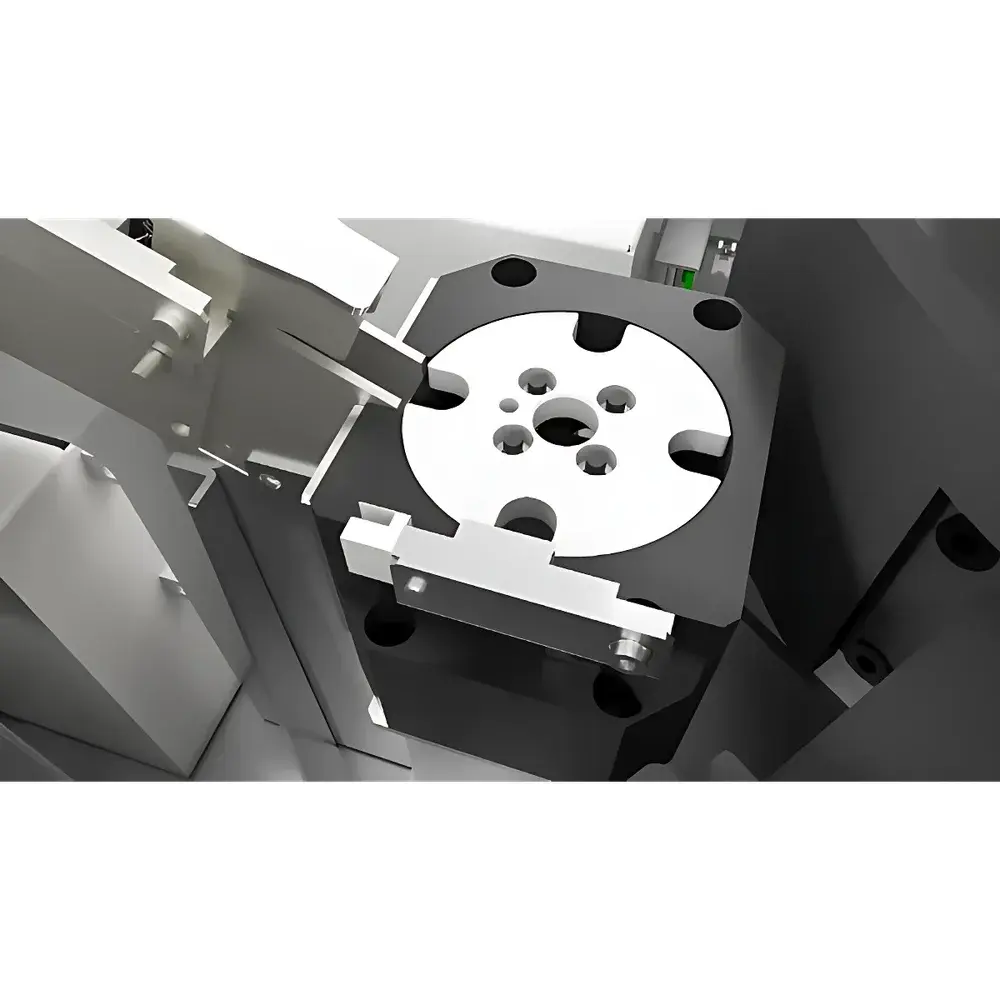
- Integrated graphite furnace system with optimized thermal geometry: Manual sample introduction via syringe is facilitated by an ergonomically accessible furnace chamber, reducing operator-induced variability during pipetting.
- Real-time graphite tube status monitoring: Embedded thermocouple feedback and resistance profiling enable dynamic adjustment of heating ramp rates and hold times based on cumulative usage cycles—ensuring consistent atomization efficiency over extended service life.
- Precision argon flow regulation: Mass-flow controlled purge gas delivery maintains reproducible inert conditions throughout the atomization step, suppressing oxide formation and extending tube lifetime beyond 300+ firings under standard operating protocols.
- Self-reversal background correction: A single-beam, same-optical-path design eliminates path-length mismatch errors inherent in deuterium or Zeeman systems—delivering robust correction of structured molecular absorption and scattering interference, particularly critical in hemolyzed or protein-rich samples.
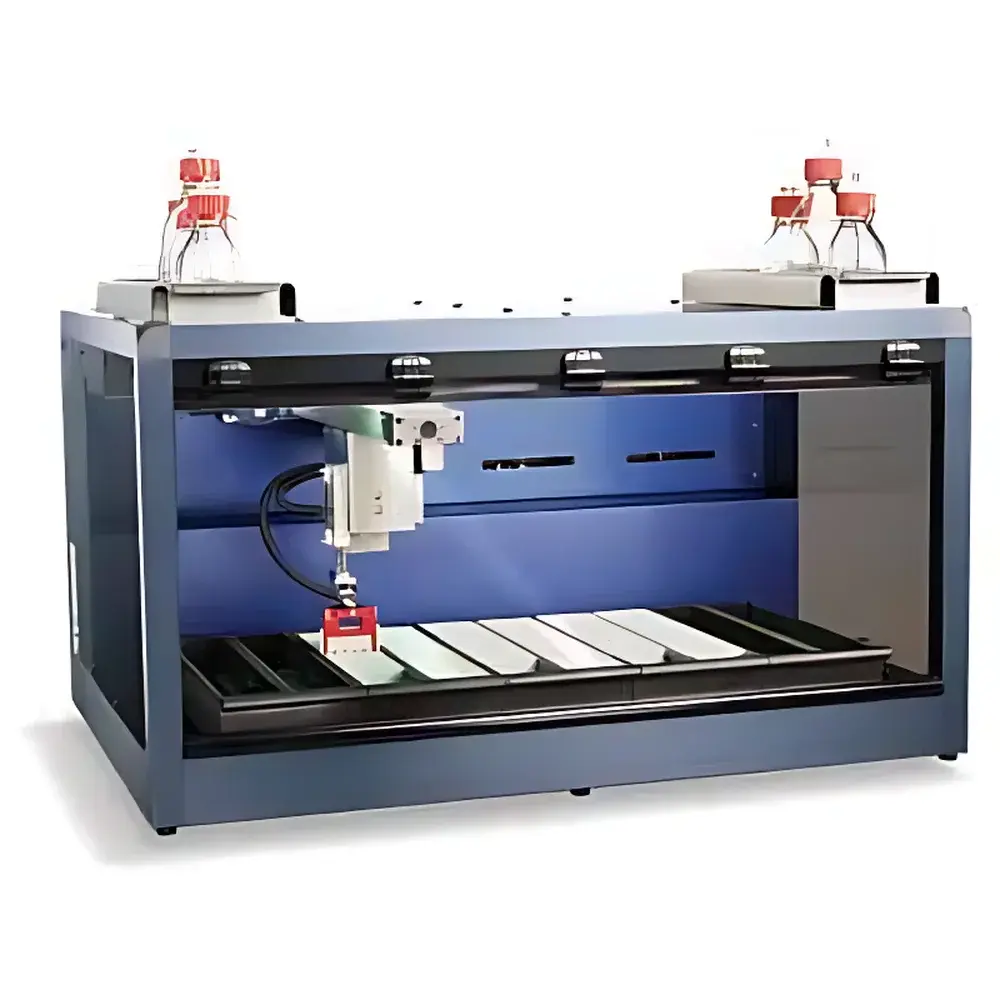
- Modular automation readiness: Optional autosampler integration supports walk-away operation for high-throughput screening workflows while preserving full method traceability per FDA 21 CFR Part 11 requirements.
Sample Compatibility & Compliance
The BH2200S is validated for use with EDTA-anticoagulated whole blood (minimum 100 µL), acidified urine (0.5% v/v HNO₃), and untreated human milk. Sample preparation requires only dilution (blood/milk) or acid stabilization (urine), avoiding complex digestion or chelation steps. All measurement protocols align with ISO 8466-1 (calibration validation), ISO 11885 (water and biological samples), and ASTM D3559 (lead in blood). Instrument performance verification follows NIST-traceable standards (e.g., SRM 955c Blood Lead Standard), and data integrity safeguards—including electronic audit trails, user authentication, and immutable result archiving—are embedded within the control software to support GLP and CAP-accredited laboratory operations.
Software & Data Management
The BH2200S is operated via Bohui’s proprietary clinical analytics platform—a Windows-based application compliant with IEC 62304 Class B medical device software standards. It provides automated calibration curve generation (linear, quadratic, or weighted least-squares), real-time signal integration, internal standard normalization (where applicable), and automatic outlier rejection per Grubbs’ test. All raw absorbance traces, method parameters, instrument logs, and QC records are stored in encrypted SQLite databases with timestamped metadata. Reporting modules generate PDF-formatted CLIA-compliant reports containing patient ID, sample ID, measured concentration, reference range, uncertainty estimate (k=2), analyst signature, and instrument calibration status—all exportable to LIS/HIS via HL7 v2.5 interface.
Applications
Primary deployment includes pediatric lead poisoning screening per CDC guidelines (<3.5 µg/dL action level), occupational exposure monitoring in battery manufacturing and smelting facilities, post-intervention efficacy assessment in chelation therapy, and maternal-fetal toxicology studies evaluating Cd transfer across lactational barriers. Secondary applications extend to environmental health labs analyzing cord blood or placental tissue, as well as research institutions investigating metallothionein-mediated metal homeostasis in metabolic disorders. Its compact footprint (under 0.5 m² floor space) and low power demand (≤1.2 kVA) make it suitable for satellite clinics and mobile health units requiring portable heavy-metal testing infrastructure.
FAQ
What sample volume is required for whole blood analysis?
Typical analysis uses 20–50 µL of EDTA-anticoagulated whole blood, diluted 1:10 with matrix modifier solution (e.g., NH₄H₂PO₄ + Triton X-100) prior to injection.
Is method validation documentation available?
Yes—Bohui provides a comprehensive Validation Summary Report including specificity, linearity (0.5–50 µg/dL Pb; 0.1–10 µg/L Cd), LOD/LOQ, recovery (92–105%), and inter-day precision per CLSI EP15-A3.
Can the system be integrated into a hospital’s existing LIS?
Standard HL7 v2.5 ADT and ORU message support is included; custom mapping templates are configurable via the software’s interface manager.
What maintenance intervals are recommended for the graphite furnace?
Graphite tubes should be replaced after 300–500 atomization cycles depending on sample matrix load; furnace alignment and lamp energy checks are advised every 100 runs or quarterly, whichever occurs first.
Does the instrument meet regulatory requirements for clinical diagnostics in the EU?
The BH2200S carries CE marking under Directive 98/79/EC (IVDR) as a Class B in vitro diagnostic device, with technical documentation aligned to Annexes II and III of Regulation (EU) 2017/746.
Related Products