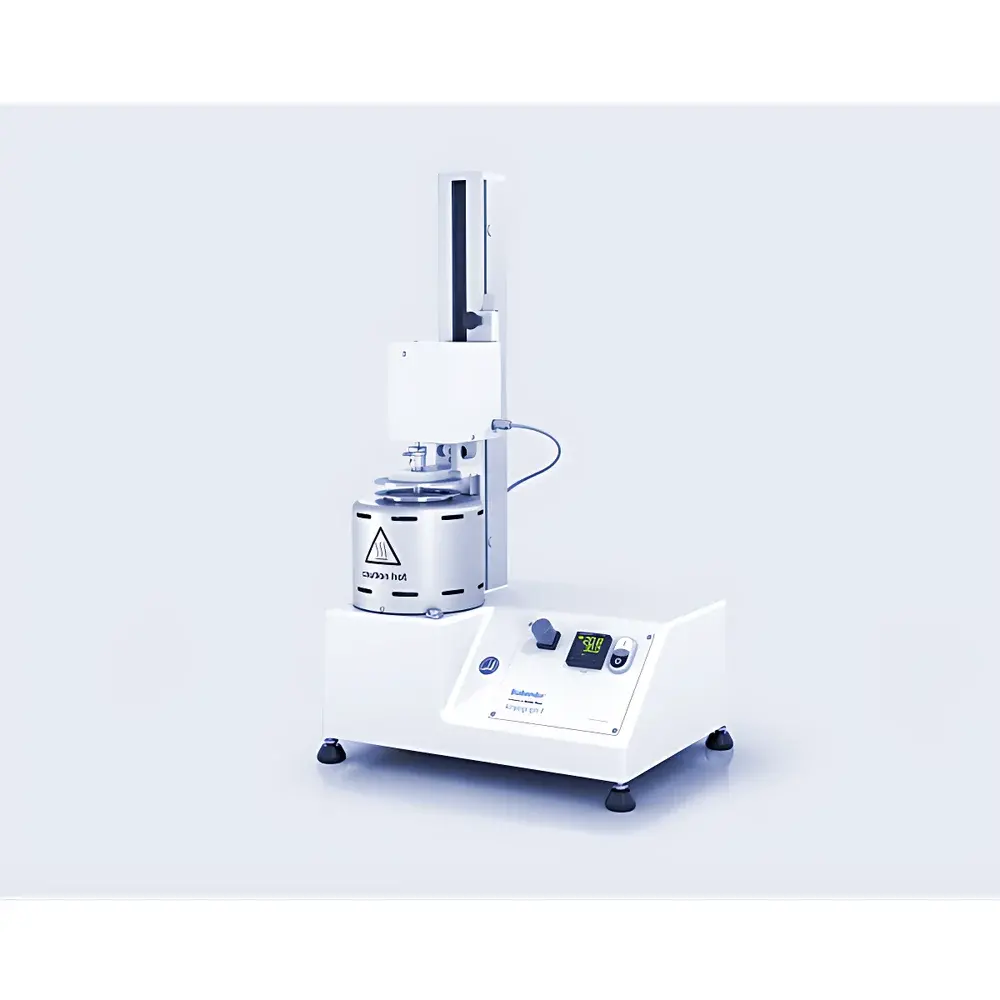
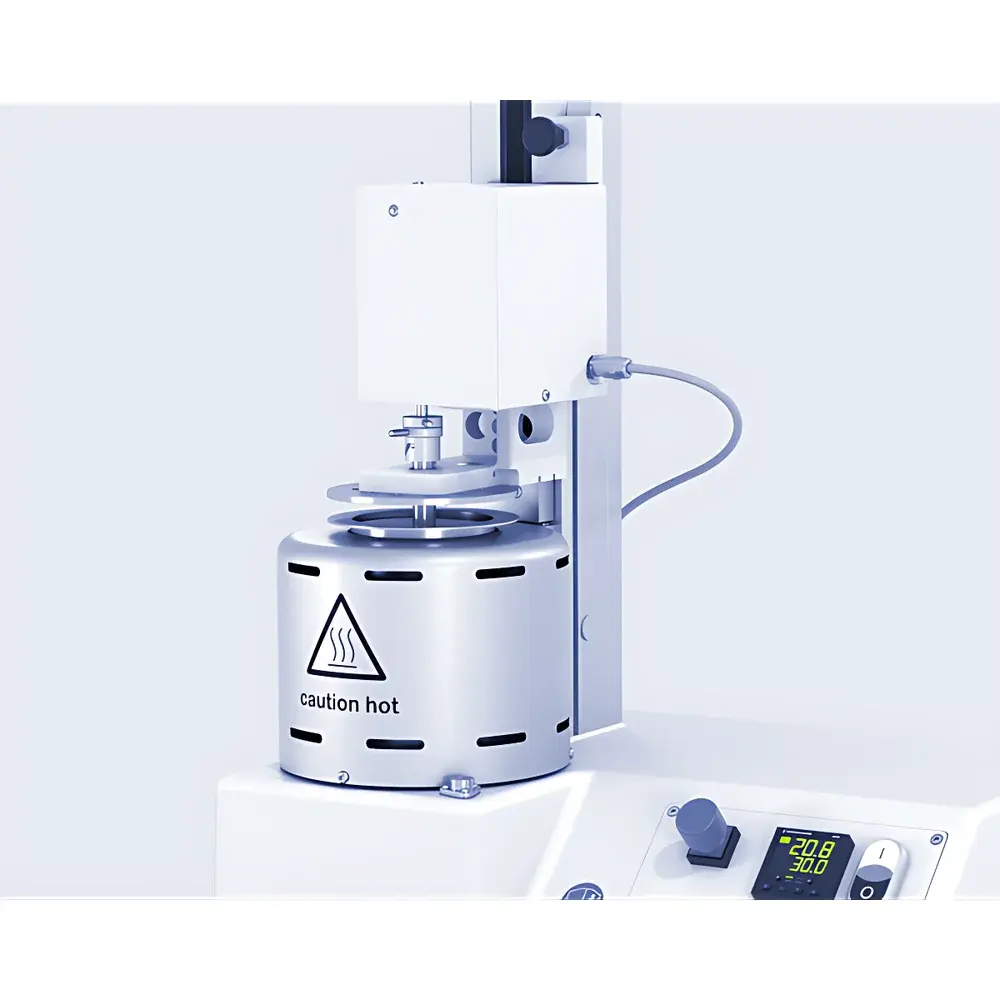
Brabender Amylograph-E Starch Gelatinization and Enzyme Activity Analyzer
| Brand | Anton Paar Brabender |
|---|---|
| Origin | Germany |
| Model | Amylograph-E |
| Compliance | ICC Standard 110/1, ISO 7973, AACCI Method 22-05 |
| Temperature Ramp | 30–95 °C at 1.5 °C/min |
| Torque Measurement Range | 0–1000 mNm |
| Resolution | 0.1 mNm |
| Sample Volume | 50 g flour + 50 mL water (standard) |
| Real-time Sample Temperature Monitoring | Yes, direct-contact Pt100 sensor |
| Data Output | BU (Brabender Units) / AU (Amylograph Units) |
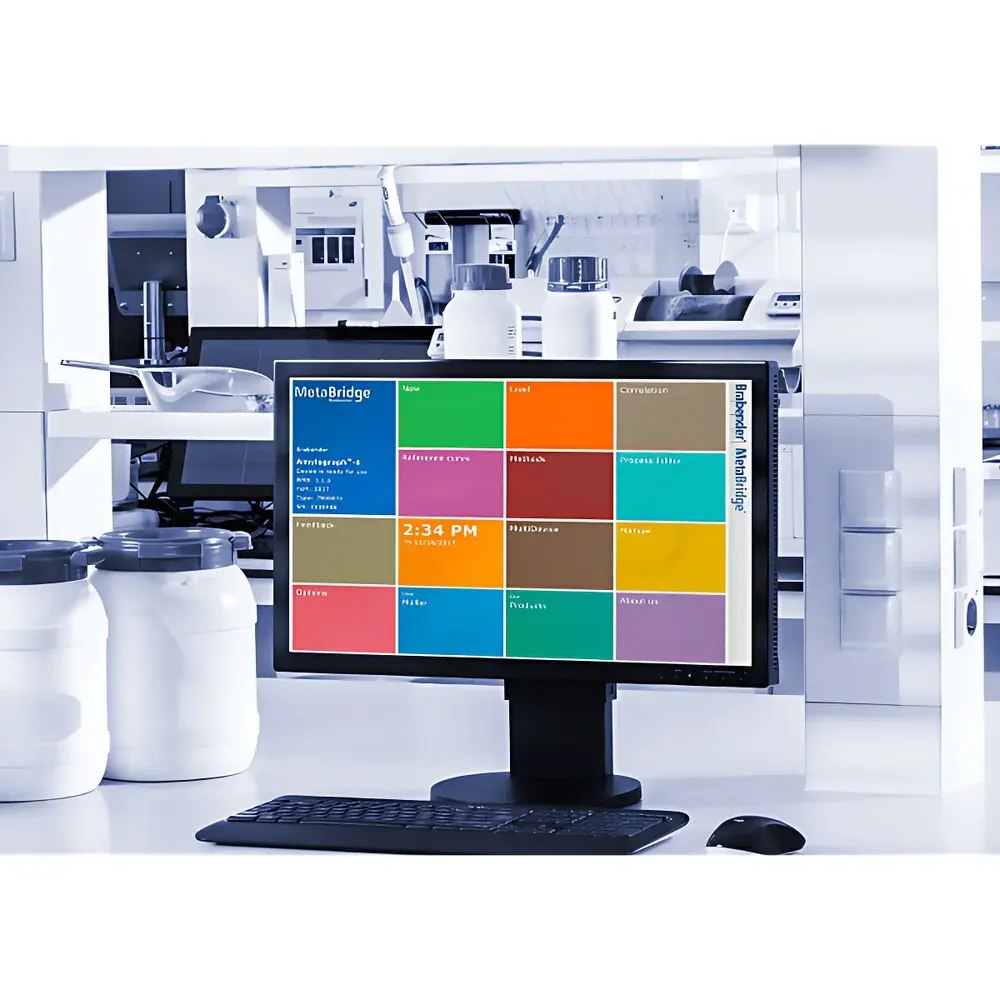
| Software Integration | MetaBridge Standalone v3.0+ |
| Regulatory Alignment | Supports GLP-compliant audit trails, 21 CFR Part 11–ready configuration options |
Overview
The Brabender Amylograph-E is a precision-controlled starch gelatinization and α-amylase activity analyzer engineered for standardized flour quality assessment in industrial milling, baking R&D, and grain trading laboratories. It operates on the principle of controlled-shear viscometry under programmable thermal ramping—measuring torque resistance of a flour-water slurry as it undergoes progressive heating, gelatinization, enzymatic hydrolysis, and subsequent breakdown. Unlike rapid-heating or fixed-temperature methods, the Amylograph-E replicates the thermal profile of commercial dough processing: starting at 30 °C and increasing linearly at 1.5 °C per minute to 95 °C, followed by a controlled cooling phase. This dynamic protocol preserves native enzyme conformation during early heating stages while enabling full starch granule swelling and amylose leaching—delivering physiologically relevant viscosity curves that correlate directly with bread loaf volume, crumb structure, and dough handling behavior.
Key Features
- True sample temperature measurement via integrated Pt100 probe in direct contact with the slurry—eliminating thermal lag and ensuring traceable, reproducible thermal profiles.
- High-resolution torque transducer (0.1 mNm resolution, ±0.5% full scale) calibrated against NIST-traceable reference standards.
- Programmable thermal ramping (1.5 °C/min standard; configurable up to 3.0 °C/min) with optional isothermal hold segments for method customization.
- Standardized 50 g flour + 50 mL water suspension protocol compliant with ICC 110/1, ISO 7973, and AACCI 22-05.
- Brabender Unit (BU) and Amylograph Unit (AU) dual-scale output—ensuring interoperability across global flour specifications and legacy data archives.
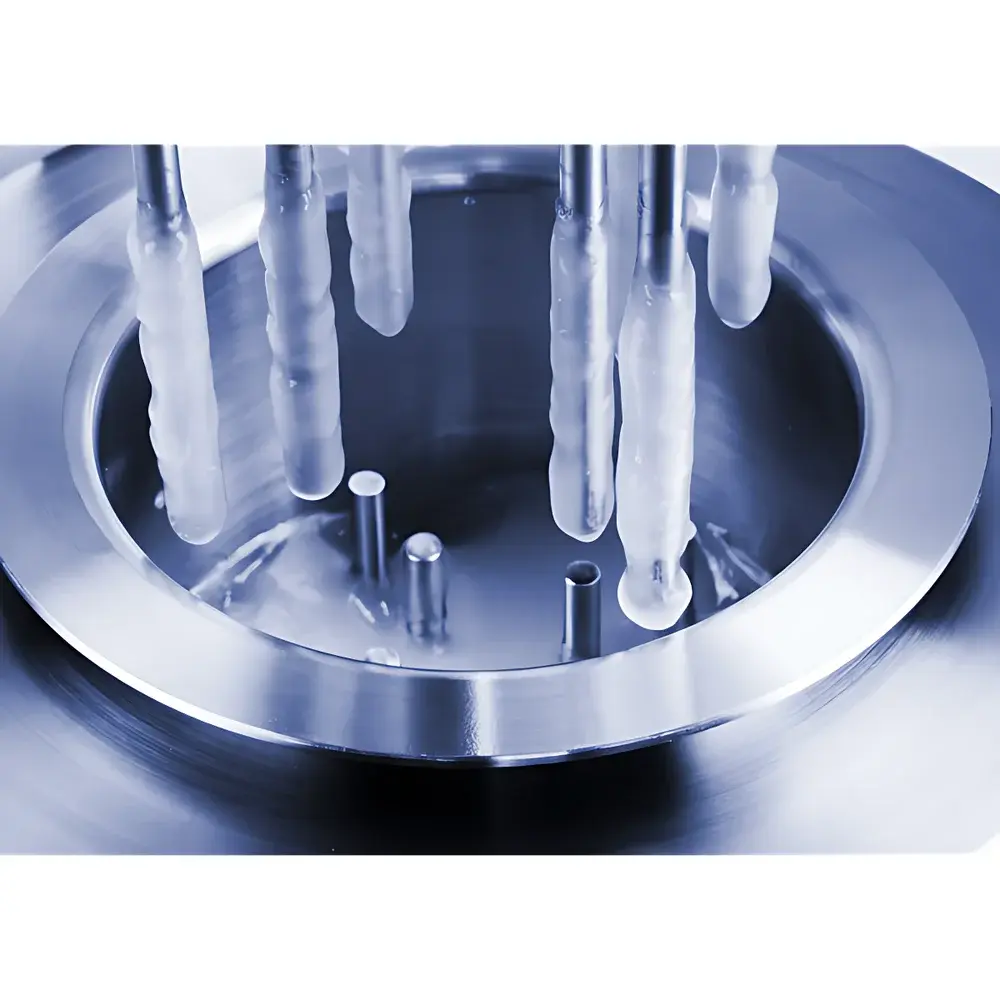
- Modular mechanical design with quick-release mixing bowl, stainless-steel rotor, and self-cleaning geometry minimizing cross-contamination between samples.
Sample Compatibility & Compliance
The Amylograph-E accepts all wheat-based flours—including hard red winter, soft white, durum semolina, and whole grain blends—as well as rye, barley, and composite formulations containing gluten-free starches. Its measurement protocol satisfies mandatory compliance requirements for flour grading in EU member states (Regulation (EU) No 1308/2013), U.S. grain inspection standards (FGIS Directive 9180.6), and export documentation under Codex Alimentarius STAN 152-1985. All instrument calibrations are documented per ISO/IEC 17025:2017 Annex A.2, and routine verification includes daily torque zero-checks and biweekly temperature validation using certified reference materials (CRM 101a, LGC Standards).
Software & Data Management
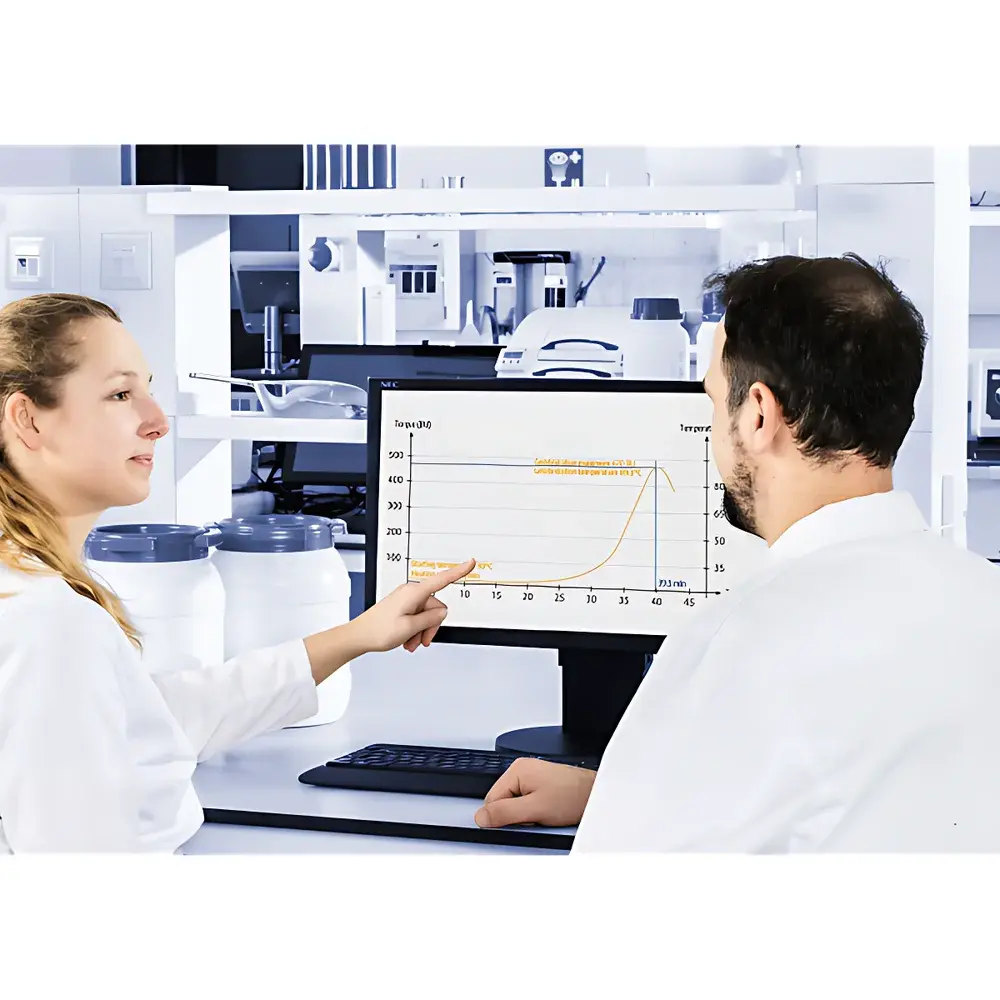
MetaBridge Standalone software provides full method definition, real-time curve overlay, automated peak detection (gelatinization onset, peak viscosity, setback, final viscosity), and statistical comparison across historical batches. Each measurement generates a timestamped, user-authenticated dataset with embedded metadata (operator ID, ambient RH/T, calibration status). Audit trails meet FDA 21 CFR Part 11 requirements when deployed with electronic signature modules and role-based access control. Data exports support CSV, PDF report generation, and direct integration into LIMS platforms via OPC UA or RESTful API. Remote access enables cross-site collaboration without compromising data integrity or network security.
Applications
- Determining Falling Number equivalence through correlation modeling with BU-derived parameters (e.g., gelatinization temperature shift ΔTgel, α-amylase activity index).
- Optimizing malt addition rates in artisanal and industrial bakeries by quantifying enzymatic degradation kinetics during the 60–75 °C window.
- Validating pre-harvest sprout damage in wheat shipments via abnormal setback values and premature viscosity collapse.
- Supporting regulatory submissions for novel grain varieties under EFSA Guidance on Food Enzymes (EFSA Journal 2021;19(4):6523).
- Enabling predictive modeling of dough rheology using multivariate regression on Amylograph-E-derived descriptors (peak time, breakdown ratio, final viscosity ratio).
FAQ
Does the Amylograph-E require external water baths or chiller units?
No—the instrument integrates a Peltier-based temperature control system with active cooling capability, maintaining ±0.2 °C stability throughout the full 30–95 °C range without auxiliary equipment.
Can I run non-standard sample masses or hydration ratios?
Yes—MetaBridge allows custom method creation with user-defined mass, water volume, and shear speed; however, ICC/ISO/AACCI compliance requires adherence to the 50 g/50 mL protocol.
How often must the torque sensor be recalibrated?
Anton Paar recommends annual factory recalibration; interim verification using certified torque standards (e.g., Brabender Calibration Kit CK-AMG) is required before each analytical shift.
Is the Amylograph-E compatible with gluten-free flour analysis?
Yes—its torque-based measurement is insensitive to protein matrix effects; validated protocols exist for rice, maize, and potato starch systems per AACCI Method 76-31.
What training resources are available for new operators?
Anton Paar provides on-site installation qualification (IQ), operational qualification (OQ), and certified operator training aligned with ISO 17025 competency requirements—delivered globally via regional application labs.