
Other Brands TH-200 Medical-Grade Temperature and Humidity Controlled Chamber
| Brand | Other Brands |
|---|---|
| Origin | Imported |
| Manufacturer Type | Authorized Distributor |
| Price | USD 3,100 (approx.) |
| Temperature Range | −40°C to +150°C (standard) |
| Humidity Range | 20%–98% RH |
| Control Accuracy | ±0.5°C / ±2.5% RH |
| Uniformity | ±1.0°C / ±3.0% RH |
| Cooling Water Requirement | 10–28°C, 0.1–0.3 MPa |
| Compliance | GB/T 2423.1–2023, GB/T 2423.2–2023, IEC 60068-2-1, IEC 60068-2-2, GJB 1032A–2021, MIL-STD-2164A |
Overview
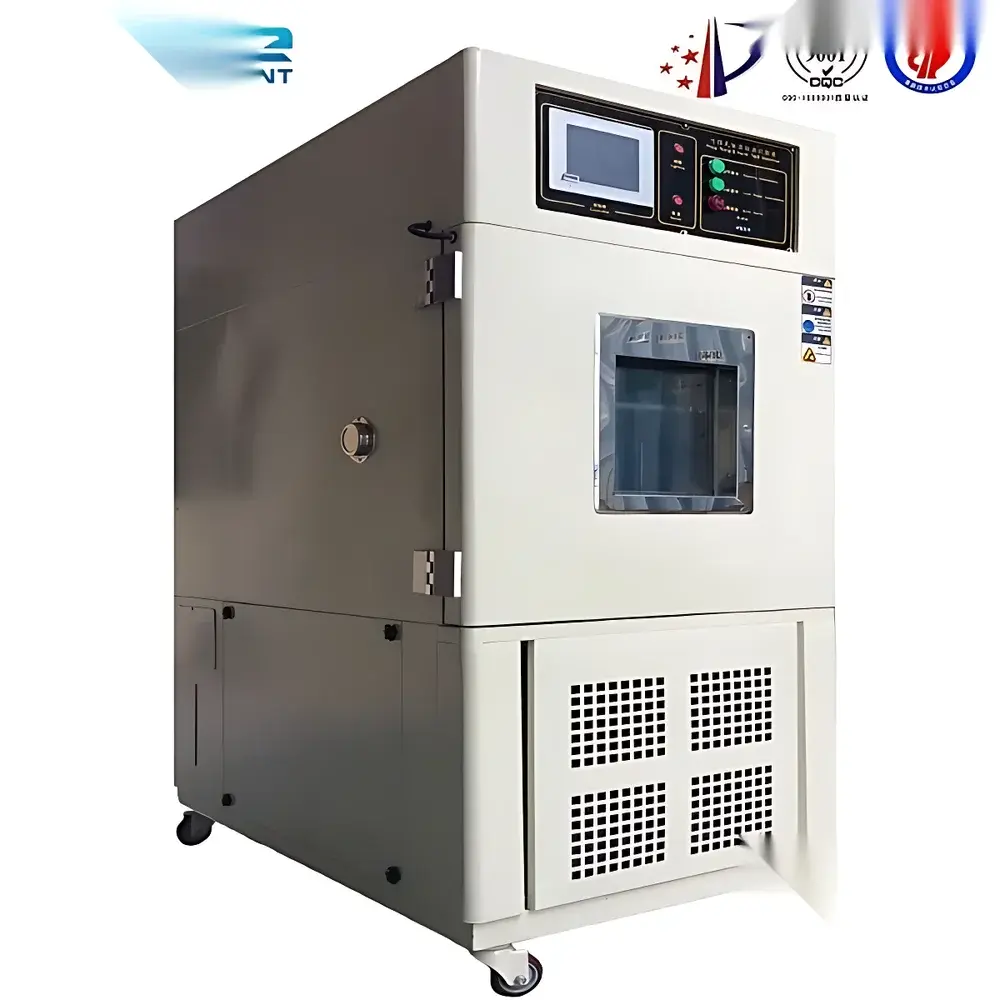
The Other Brands TH-200 Medical-Grade Temperature and Humidity Controlled Chamber is an engineered environmental test system designed specifically for biomedical research, pharmaceutical stability testing, clinical laboratory validation, and medical device qualification under regulated conditions. It operates on a balanced temperature and humidity control (BTHC) principle, utilizing proportional-integral-derivative (PID) algorithms to dynamically regulate heating, refrigeration, steam humidification, and dehumidification subsystems—ensuring that thermal and moisture loads are continuously matched to system losses. This architecture enables long-term operational stability with minimal drift, critical for GLP-compliant storage simulation, accelerated aging per ICH Q1 guidelines, and ISO 13485-certified device environmental stress screening. The chamber’s core function is to replicate and sustain precise combinations of temperature and relative humidity across defined test profiles—supporting both static conditioning and dynamic cycling protocols required by regulatory submissions.
Key Features
- Robust dual-protection architecture: independent overtemperature cutoff, dry-run prevention for steam humidifiers, low-water-level interlock, compressor overload/overheat/overcurrent protection, high-pressure refrigerant safety switch, molded-case circuit breaker, and residual-current device (RCD) for personnel safety.
- High-fidelity BTHC control system with SSR-driven output—minimizes overshoot and stabilizes setpoints within ±0.5°C and ±2.5% RH under no-load, 25°C ambient conditions.
- Full-capillary tube refrigeration design with automatic capacity modulation—eliminates mechanical expansion valve hysteresis, enabling smoother, faster, and more repeatable temperature transitions than conventional TXV-based systems.
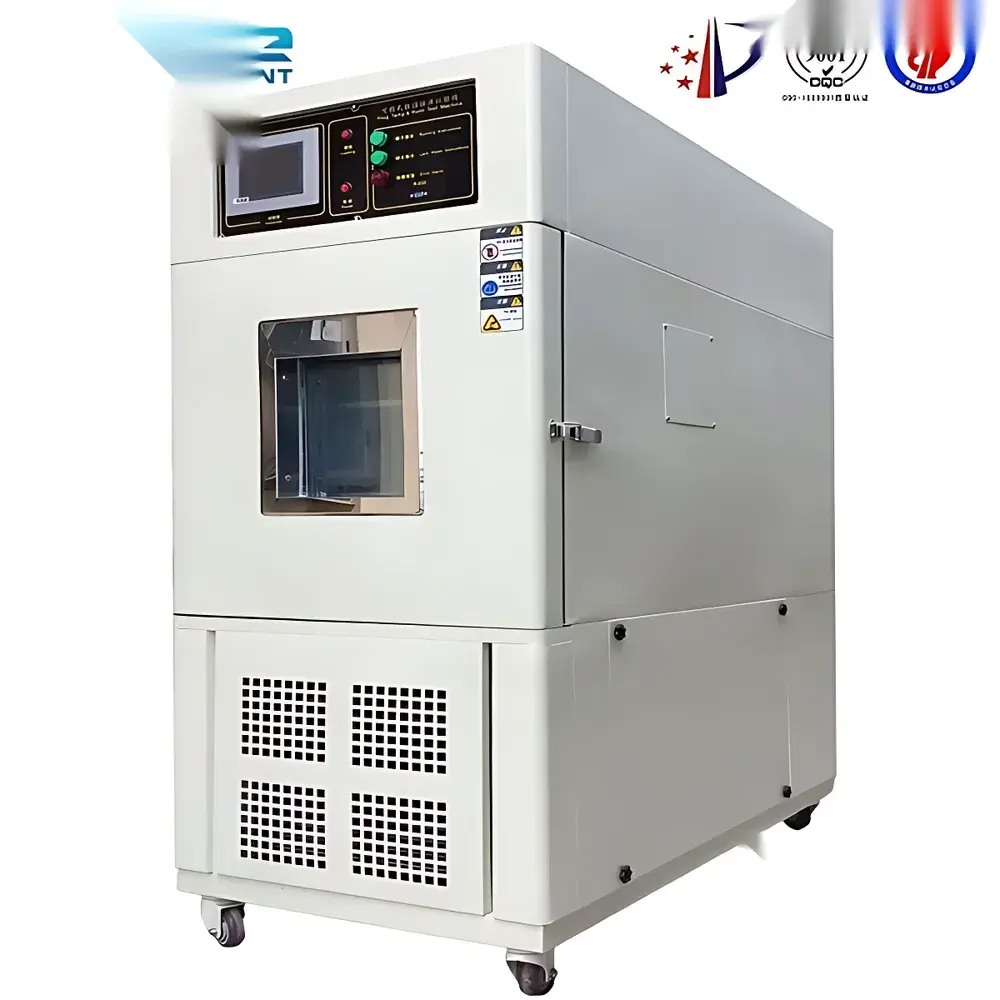
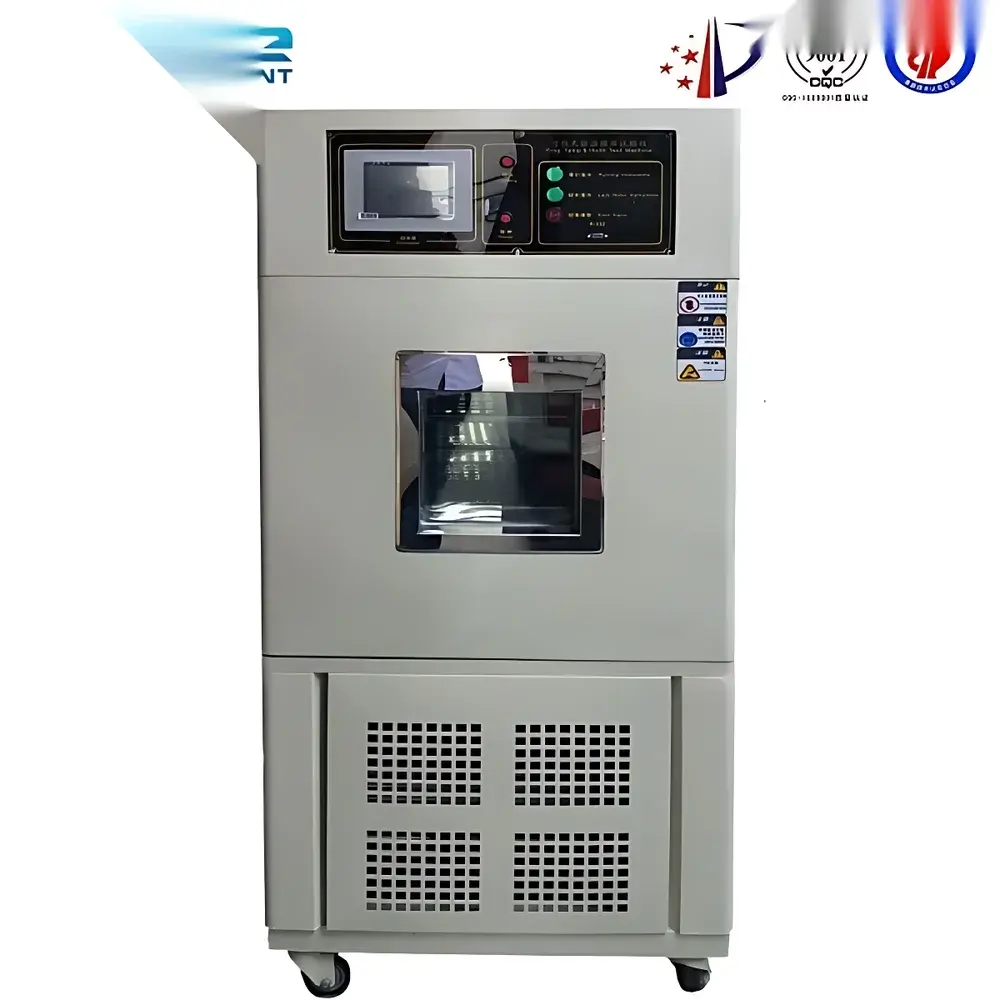
- Ergonomic curved cabinet design with flush-mount, non-spring-loaded handles; seamless interior stainless steel construction for cleanroom-compatible maintenance and ISO 14644-1 Class 7 compatibility.
- Touchscreen controller with intuitive navigation, multi-segment programmability, real-time trend logging, and USB data export—supports up to 99 cycles with 99 steps per cycle.
Sample Compatibility & Compliance
The TH-200 accommodates diverse biomedical sample formats—including sealed vials, petri dishes, IV bags, sterile packaging trays, and active implantable device housings—within its standard 200 L working volume (custom dimensions available). Its performance conforms to internationally recognized environmental test standards including GB/T 2423.1–2023 (cold testing), GB/T 2423.2–2023 (dry heat), IEC 60068-2-1 (cold), IEC 60068-2-2 (dry heat), GJB 1032A–2021 (environmental stress screening for military-grade electronics), and MIL-STD-2164A (electronic equipment ESS). All calibration and verification procedures follow traceable NIST-equivalent reference standards, and the unit supports audit-ready documentation for FDA 21 CFR Part 11 compliance when integrated with validated software platforms.
Software & Data Management
The embedded controller records time-stamped temperature and humidity values at user-defined intervals (1 s to 60 min), storing up to 3 years of continuous data internally. Exported CSV files include metadata such as operator ID, test ID, chamber serial number, and timestamped alarm events. Optional Ethernet or RS-485 interfaces enable integration into centralized laboratory information management systems (LIMS) or SCADA networks. When paired with validated third-party software (e.g., WinTest Pro or LabVIEW-based modules), the system supports electronic signatures, role-based access control, change history tracking, and automated report generation aligned with ALCOA+ principles (Attributable, Legible, Contemporaneous, Original, Accurate, Complete, Consistent, Enduring, Available).
Applications
- Accelerated stability studies of biologics, vaccines, and lyophilized formulations per ICH Q5C and Q1E.
- Environmental stress screening (ESS) of diagnostic reagents, point-of-care devices, and sterilization packaging per AAMI TIR17 and ISO 11607.
- Long-term storage condition simulation for clinical trial material (CTM) retention and comparator product qualification.
- Validation of HVAC-controlled storage areas via mapping studies (IQ/OQ/PQ support).
- Material compatibility testing of medical-grade polymers and adhesives under combined thermal-hygrometric stress.
FAQ
What is the typical cooling water specification required for optimal performance?
Cooling water must be maintained between 10°C and 28°C, with inlet pressure ranging from 0.1 MPa to 0.3 MPa. Stable supply temperature ensures consistent refrigeration capacity during extended low-temperature operation.
How does load affect temperature and humidity uniformity?
Uniformity specifications (±1.0°C / ±3.0% RH) are verified under no-load, steady-state conditions per GB/T 2423.1. Actual performance varies with specimen mass, thermal mass, surface emissivity, and internal airflow obstruction—users should perform mapping per ISO 14644-3 when qualifying loaded configurations.
Can the chamber be customized for non-standard internal dimensions or door configurations?
Yes. Structural modifications—including vertical lift doors, pass-through ports, and reinforced shelving systems—are available upon engineering review and formal quotation.
Is the unit compliant with FDA 21 CFR Part 11 for electronic records?
The base controller does not include Part 11 features; however, full compliance is achievable via validated external software integration with audit trail, electronic signature, and secure user authentication layers.
What maintenance intervals are recommended for sustained accuracy?
Humidity sensor calibration every 6 months, refrigerant leak inspection annually, and full system verification (including chamber uniformity and control loop response) every 12 months—per ISO/IEC 17025-aligned service protocols.



