
Bruker QUANTAX xsense Wavelength Dispersive Spectrometer (WDS) for SEM
| Brand | Bruker |
|---|---|
| Origin | Germany |
| Manufacturer Type | Authorized Distributor |
| Origin Category | Imported |
| Model | QUANTAX xsense |
| Pricing | Upon Request |
Overview
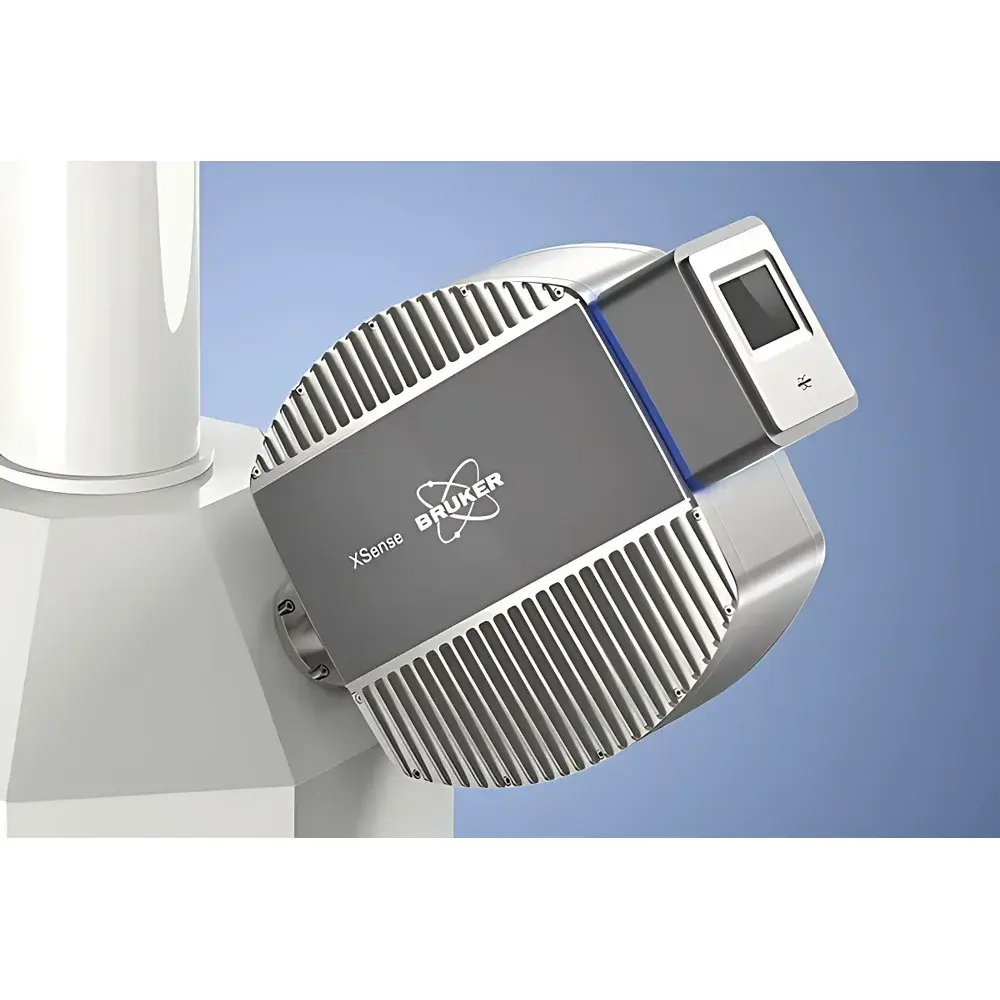
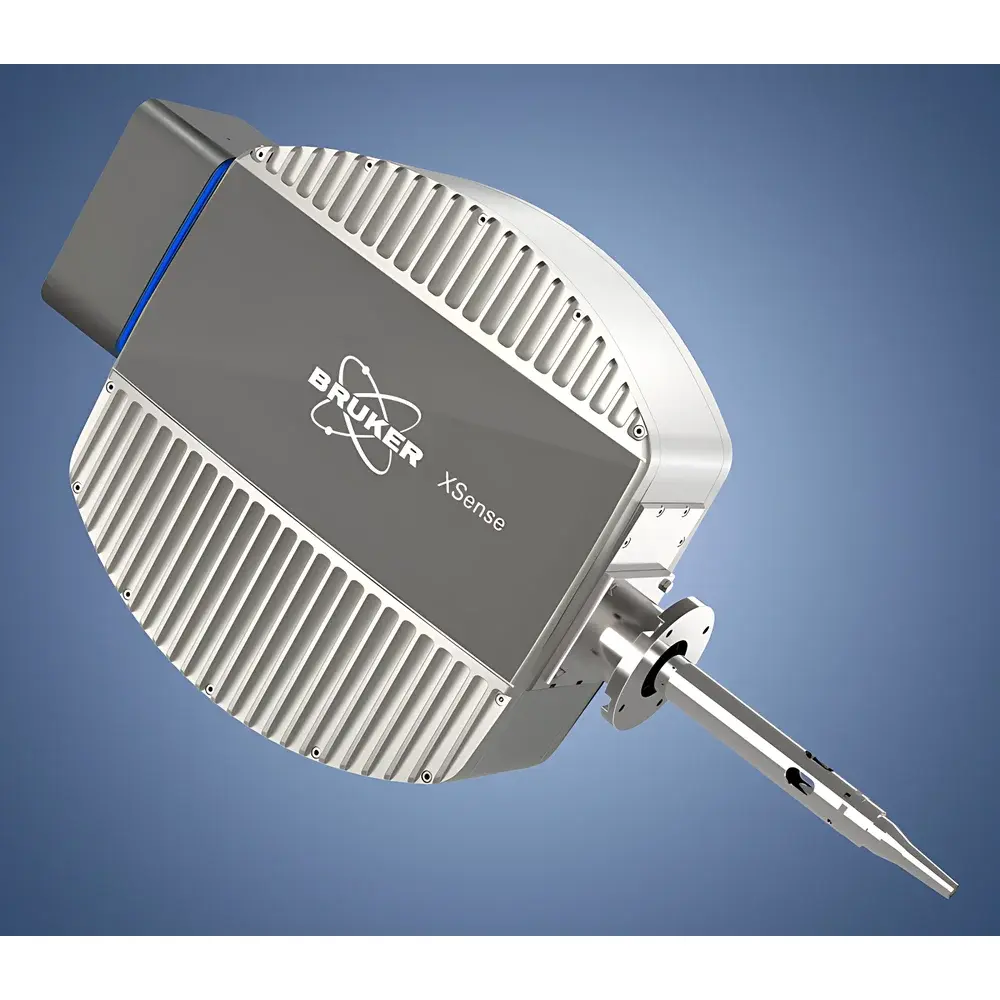
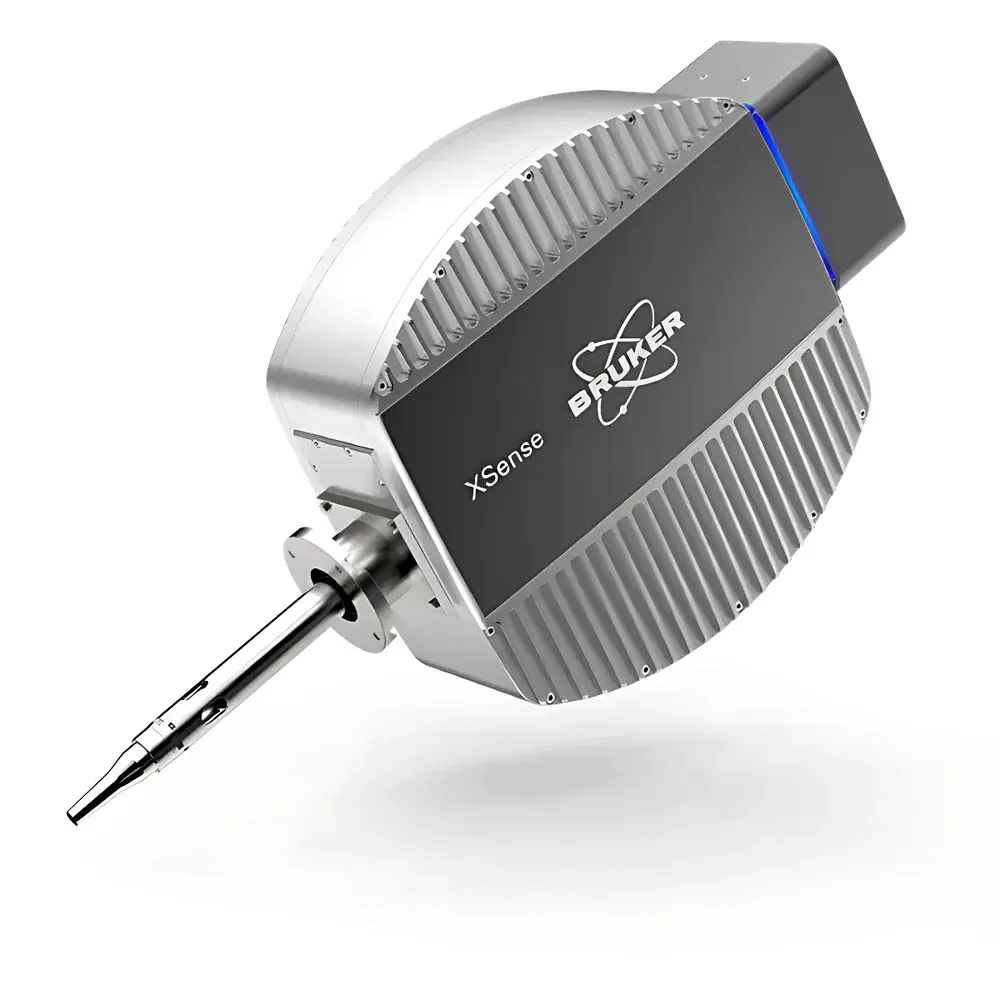
The Bruker QUANTAX xsense Wavelength Dispersive Spectrometer (WDS) is a high-performance analytical add-on designed specifically for integration with scanning electron microscopes (SEM). It operates on the fundamental principle of wavelength-dispersive X-ray spectroscopy, where characteristic X-rays emitted from a specimen under electron beam excitation are diffracted by analyzing crystals according to Bragg’s law (nλ = 2d sinθ). Unlike energy-dispersive spectrometers (EDS), WDS achieves superior spectral resolution—typically <10 eV at Mn Kα—enabling precise separation of overlapping peaks (e.g., S Kα/Pb Mα, Si Kα/W Mα, or Ti Lα/V Kα), critical for quantitative microanalysis in metallurgy, geoscience, and advanced materials research. The xsense platform leverages a parallel-beam optical architecture—distinct from traditional Rowland-circle WDS systems—allowing collection over a large solid angle while maintaining high angular precision. This design significantly enhances detection efficiency for low-energy X-rays (≥70 eV), particularly beneficial for light-element analysis (e.g., C, N, O, F, Na, Mg, Al) in insulating or beam-sensitive samples.
Key Features
- Parallel-beam optical geometry enabling high solid-angle collection and improved count rates for low-energy X-ray lines
- Optimized grazing-incidence optics and up to six interchangeable analyzing crystals (e.g., LiF(200), PET, TAP, LDE1) for broad elemental coverage from Be (45 eV) to U (L-lines)
- Dedicated secondary optics that suppress bremsstrahlung background, yielding exceptional peak-to-background ratios and enhanced signal-to-noise performance
- Automated optical alignment system ensuring long-term stability and reproducibility without manual recalibration
- Pressure-controlled proportional counter with adaptive gas fill (e.g., P10 or CH₄-based mixtures) for optimal gain stability and pulse-height discrimination
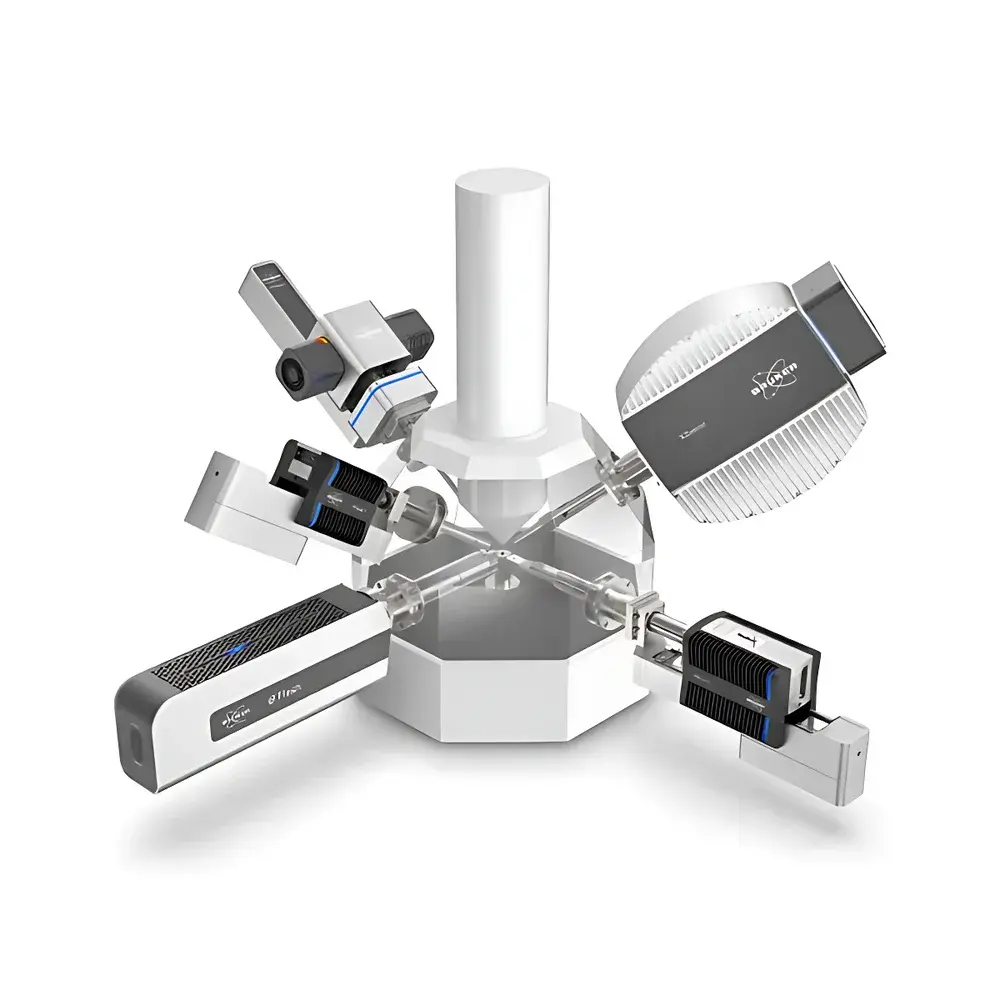
- Modular mounting interface compatible with standard WDS or EDS ports on major SEM platforms (e.g., Thermo Fisher, Zeiss, JEOL, Hitachi)
Sample Compatibility & Compliance
The QUANTAX xsense WDS supports analysis of conductive and non-conductive specimens—including polished metals, mineral thin sections, ceramics, polymers, and biological tissues—when paired with appropriate charge compensation (e.g., low-vacuum mode or carbon coating). Its hardware and firmware architecture comply with international standards for analytical instrumentation, including ISO/IEC 17025 requirements for calibration traceability and measurement uncertainty estimation. Data acquisition workflows support GLP- and GMP-aligned environments through configurable audit trails, user access levels, and electronic signature readiness—fully compatible with FDA 21 CFR Part 11–compliant laboratory information management systems (LIMS) when deployed with Bruker’s ESPRIT software suite.
Software & Data Management
Control and quantification are executed via Bruker’s ESPRIT 3.0 software platform, which provides fully integrated WDS/EDS hybrid operation, automated qualitative phase identification (via database matching against ICDD PDF-4+), and matrix-corrected quantitative analysis using ZAF or φ(ρz) algorithms. Real-time spectrum simulation, interactive peak deconvolution, and multi-point mapping with dwell-time optimization enable rigorous method development. All raw spectra, acquisition parameters, and processing history are stored in vendor-neutral HDF5 format, ensuring long-term archival integrity and third-party interoperability. Export options include ASTM E1358-compliant CSV reports, ISO 14971 risk-assessment metadata tags, and XML-based instrument configuration backups.
Applications
- High-accuracy quantification of trace elements (<100 ppm) in alloy segregation studies and inclusion analysis
- Light-element mapping in battery cathode materials (e.g., Li, F, O distribution in NMC or LFP compounds)
- Phase identification and stoichiometry validation in geological samples (e.g., feldspar composition, amphibole thermobarometry)
- Contamination forensics in semiconductor packaging and failure analysis labs
- Depth-profiling of thin-film interfaces using variable-accelerating-voltage WDS line scans
- Interlaboratory round-robin testing under ISO 22309 or ASTM E1508 protocols
FAQ
Is the QUANTAX xsense WDS compatible with my existing SEM model?
Yes—it features standardized flange interfaces (CF100 or DN100) and electrical I/O compatibility with all major SEM manufacturers’ WDS/EDS port specifications.
Can it be used simultaneously with an EDS detector?
Yes; the modular design allows concurrent WDS and EDS acquisition, enabling real-time cross-validation and hybrid spectral deconvolution.
What is the typical energy resolution for light elements?
At 100 eV (e.g., B Kα), resolution is ≤5.5 eV FWHM using the LDE1 crystal; at 525 eV (e.g., Fe Lα), resolution is ≤6.8 eV FWHM with PET.
Does it support automated standardless quantification?
Standardless quantification is available as a semi-quantitative screening mode; however, certified reference materials (CRMs) are required for ISO/IEC 17025-compliant reporting.
How often does the system require maintenance or recalibration?
The auto-alignment system eliminates routine optical recalibration; annual verification using NIST-traceable standards is recommended for accredited laboratories.





