
Calibration Procedure for Temperature and Humidity Controlled Environmental Chambers
No specifications available.
Overview
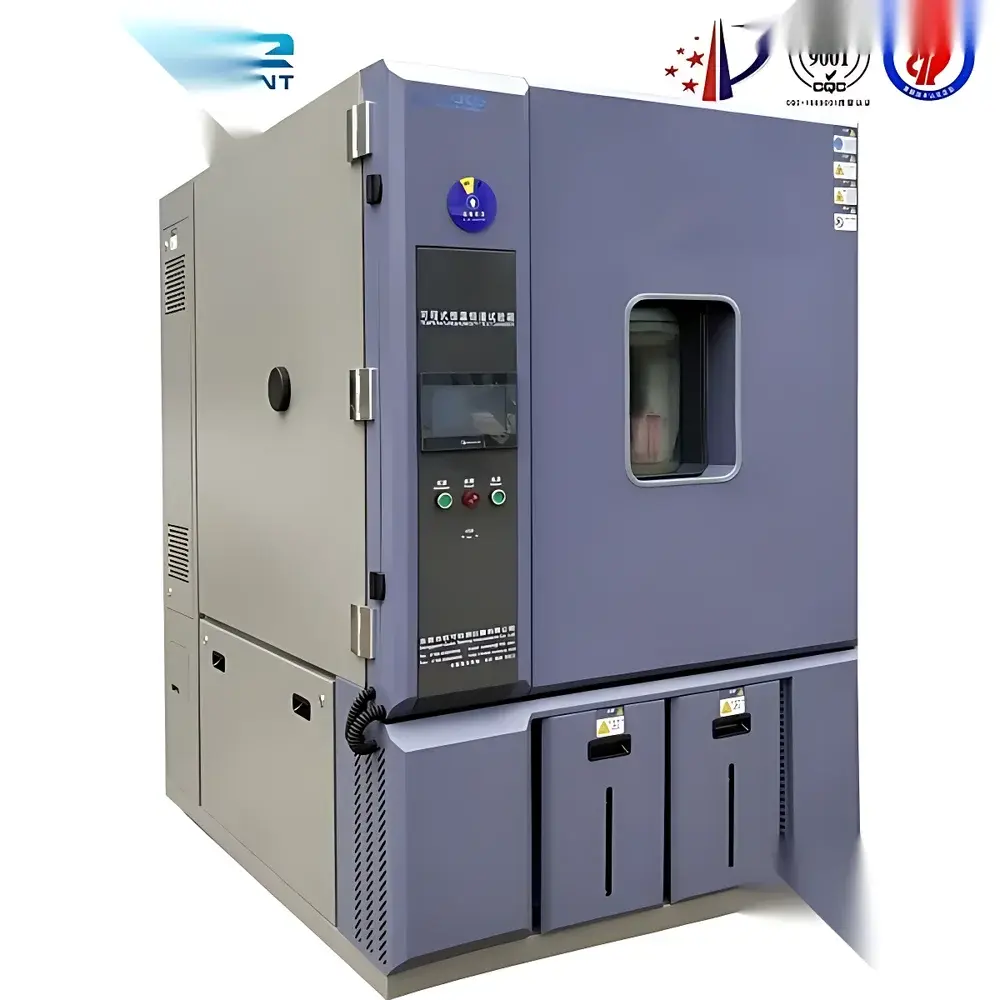
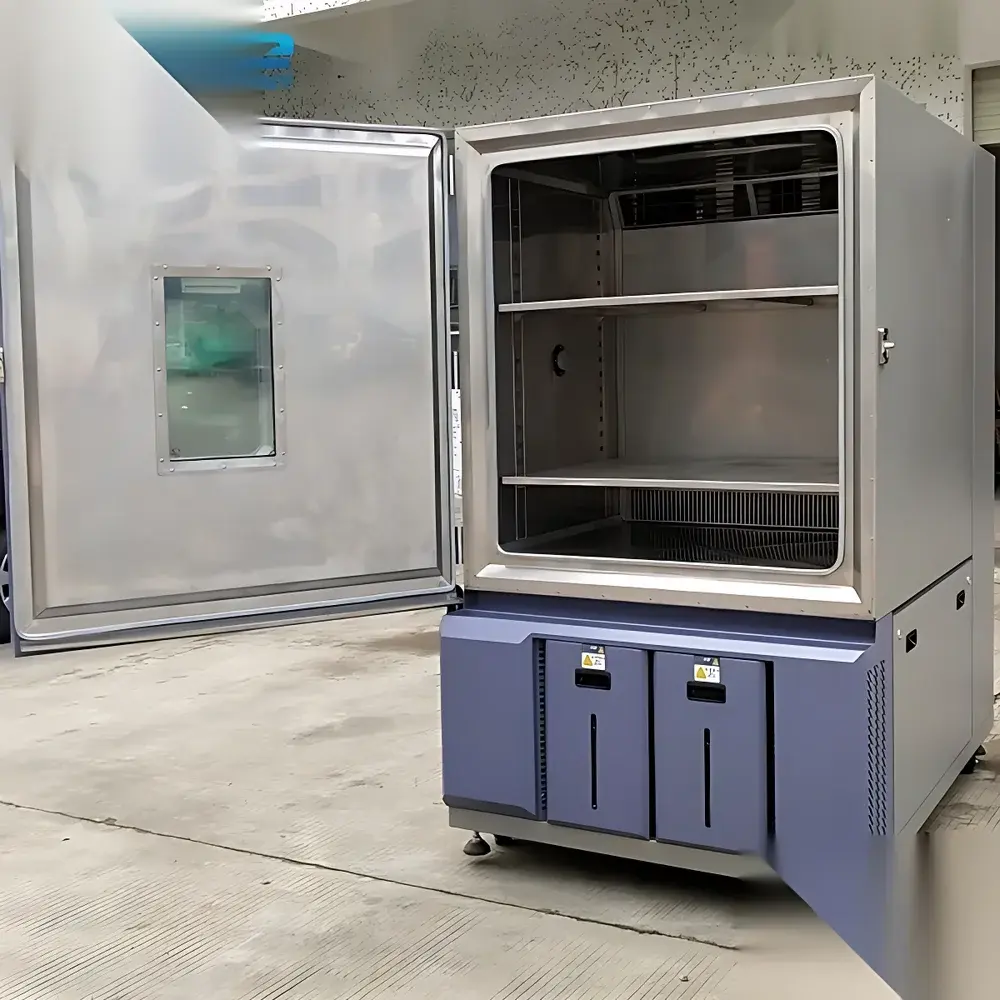
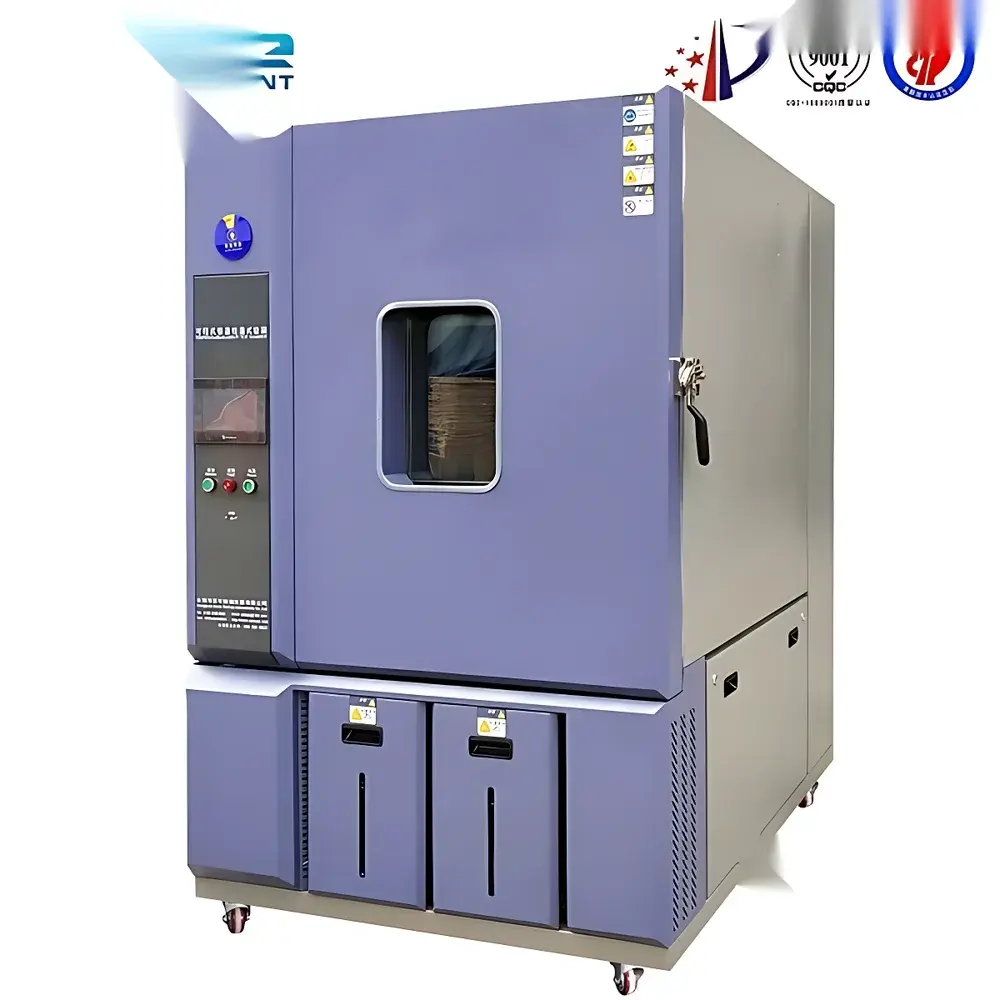
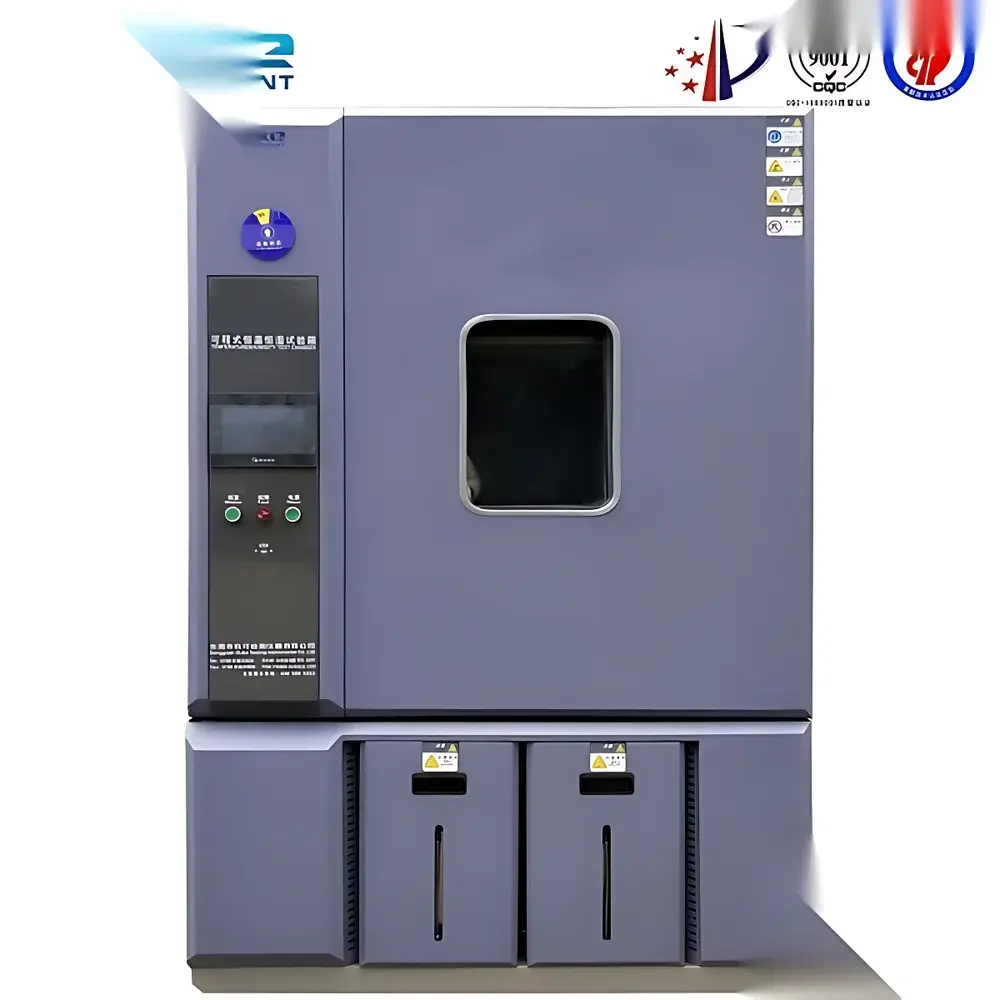
The Calibration Procedure for Temperature and Humidity Controlled Environmental Chambers is a standardized technical document designed to ensure metrological traceability, measurement accuracy, and operational reliability of environmental test chambers used in quality control, product validation, and regulatory compliance testing. This procedure defines the methodology, instrumentation requirements, environmental conditions, acceptance criteria, and documentation protocols necessary to verify that a chamber maintains specified temperature (typically −70 °C to +180 °C) and relative humidity (10–98% RH) setpoints within defined tolerances—commonly ±0.5 °C and ±2% RH per ISO 17025 and IEC 60068-3-5. The calibration process is grounded in thermodynamic equilibrium principles and psychrometric measurement science, requiring simultaneous monitoring of air temperature, dew point, and humidity using traceable reference sensors placed at predefined geometric locations (e.g., center, corners, mid-height) within the working volume. It explicitly distinguishes between chamber air response (air average rate) and specimen thermal inertia effects—aligning with ASTM E145 and IEC 60068-3-6 definitions of temperature change rates.
Key Features
- Comprehensive safety architecture: dry-run protection for humidifiers, independent overtemperature cutoffs, low-water-level detection, compressor overload/overheat/overcurrent relays, high-pressure refrigerant switches, molded-case circuit breakers, and residual-current devices (RCDs).
- Robust BTHC (Balanced Temperature and Humidity Control) system employing PID-controlled SSR outputs to dynamically match heating/humidification output with thermal/hygrometric losses—enabling stable long-term operation under dynamic load conditions.
- Full capillary tube-based refrigeration with automatic capacity modulation—eliminating mechanical expansion valves to improve repeatability and reduce maintenance frequency.
- Touchscreen controller with multi-segment programming, real-time trend logging, alarm history, and user-accessible calibration offset adjustment (±0.1 °C / ±0.1% RH resolution).
- Structural design optimized for thermal and humidity uniformity: seamless arc-shaped interior, non-reactive door handles, insulated double-wall construction with vacuum-sealed polyurethane foam (≥120 mm thickness), and turbulence-minimized air circulation via centrifugal fans with adjustable baffle systems.
Sample Compatibility & Compliance
This calibration protocol applies to all temperature and humidity controlled chambers—regardless of manufacturer—provided they meet minimum performance specifications per IEC 60068-3-5 (environmental testing—part 3: guidance—section 5: statistical methods for determining and verifying temperature and humidity tolerances). It supports validation of chambers used for testing electronic assemblies (per MIL-STD-810H, GJB 150A), medical devices (ISO 14971, IEC 60601-1), automotive components (SAE J2412), and pharmaceutical packaging (ICH Q1A–Q1E). All calibration activities comply with ISO/IEC 17025:2017 clause 6.4 (equipment) and clause 7.7 (ensuring validity of results), including documented uncertainty budgets, sensor calibration certificates (NIST-traceable or equivalent national metrology institute), and environmental condition logs (ambient temperature 25 °C ±6 °C, no-load state). Reference standards must be certified to ≤¼ of the chamber’s specified tolerance (e.g., ±0.125 °C for a ±0.5 °C requirement).
Software & Data Management
The calibration procedure mandates use of validated data acquisition software capable of synchronized, time-stamped recording from ≥9 spatially distributed reference sensors (per IEC 60068-3-5 Annex A). Software must support audit trail functionality compliant with FDA 21 CFR Part 11 (electronic records and signatures), including user authentication, immutable event logs, and version-controlled calibration reports. Export formats include CSV and PDF/A-2b for archival; raw data files are retained for minimum 10 years per GLP (Good Laboratory Practice) and GMP (Good Manufacturing Practice) requirements. Automated pass/fail evaluation against pre-defined uniformity, stability, and gradient limits is permitted only when software validation documentation is available and reviewed annually.
Applications
This calibration protocol serves critical functions across regulated and industrial sectors: environmental stress screening (ESS) per GJB 1032-90 and MIL-STD-2164A; accelerated aging studies for polymer degradation and battery cycle life; shelf-life determination for sterile barrier systems; qualification of aerospace avionics under combined thermal-hygric cycling; and verification of climate chamber performance prior to ISTA 3A/3E transport simulation testing. It is also integral to ISO 9001:2015 Clause 7.1.5 (monitoring and measuring resources) and AS9100D Clause 8.5.1 (control of production and service provision) implementation.
FAQ
What is the difference between chamber air average rate and specimen temperature change rate?
Chamber air average rate refers to the mean rate of temperature change measured by multiple sensors in the empty workspace, per IEC 60068-3-6. Specimen rate depends on mass, specific heat, surface area, and thermal coupling—and is always slower due to thermal inertia.
Why must calibration be performed under no-load conditions?
Load introduces variable thermal mass and airflow obstruction, violating repeatability requirements per ISO/IEC 17025. Load-dependent performance is verified separately during qualification (IQ/OQ/PQ).
Is cooling water temperature critical for calibration validity?
Yes. Cooling water at 10–28 °C and 0.1–0.3 MPa ensures consistent condenser performance. Deviations invalidate cooling-rate verification and may cause refrigerant saturation anomalies.
Can this procedure be applied to domestically manufactured chambers?
Yes—provided the chamber meets minimum design and performance criteria outlined in IEC 60068-3-5 and uses NIST-traceable reference instruments. Origin does not affect metrological validity.
How often should calibration be repeated?
Annually is standard; however, frequency must be risk-assessed per ISO/IEC 17025:2017 clause 7.7.2—considering usage intensity, criticality of test outcomes, and historical stability data.



