
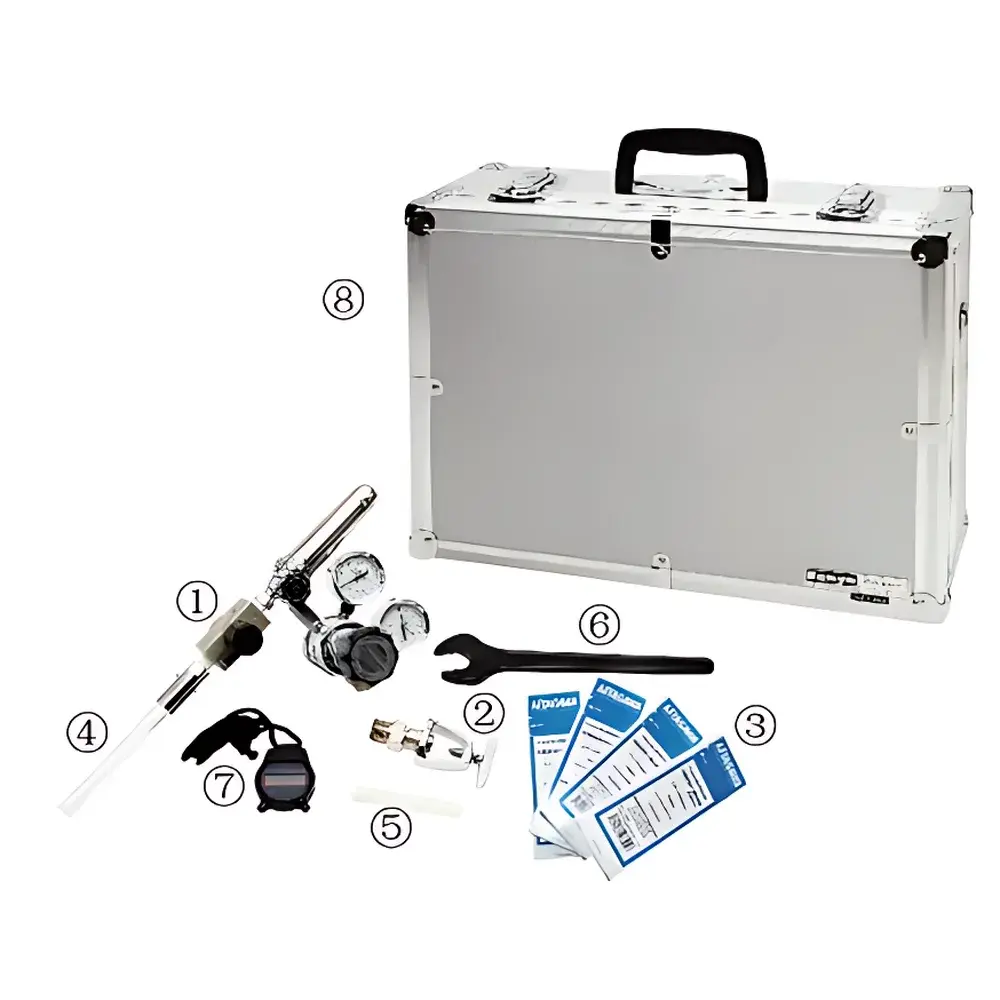
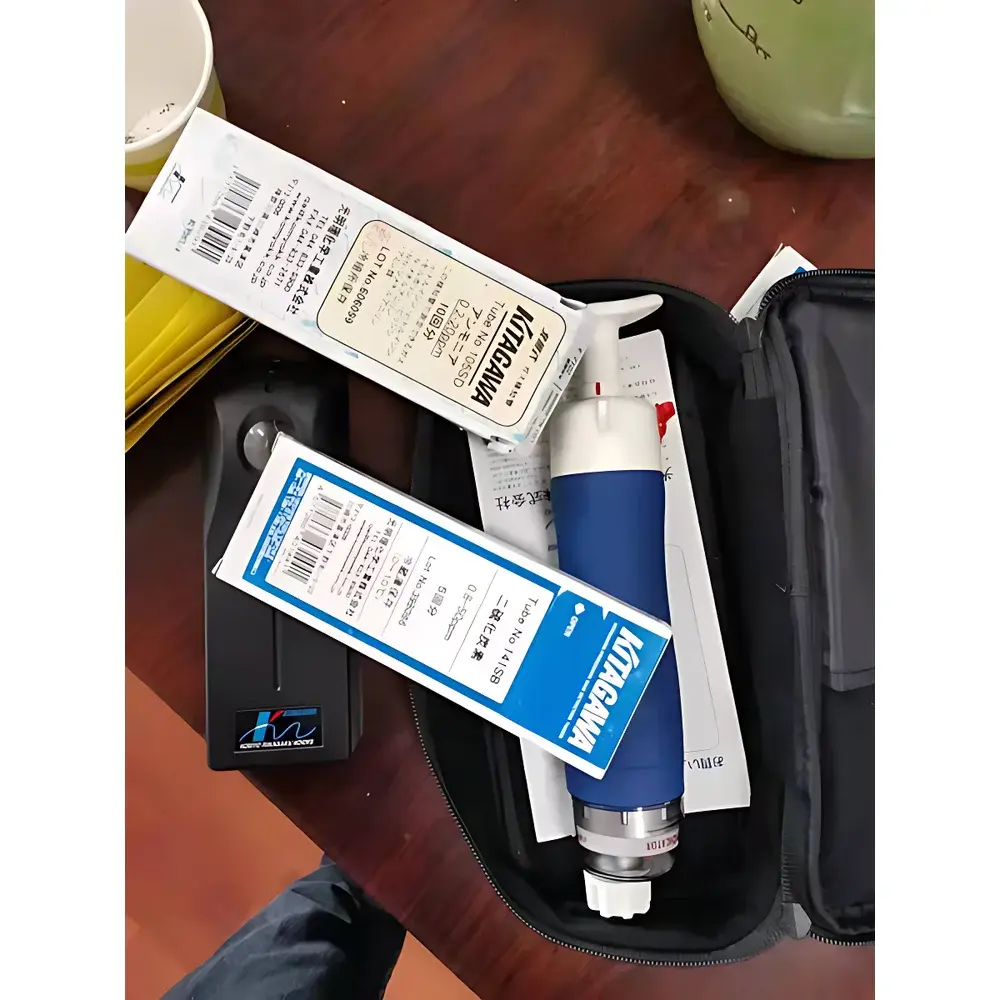
CDC Specialized Gas Detection Kit P-51
| Brand | — |
|---|---|
| Origin | Beijing, China |
| Manufacturer Type | Authorized Distributor |
| Region of Manufacture | Domestic (China) |
| Model | P-51 |
| Pricing | Upon Request |
| Detection Principle | Colorimetric Gas Detection Tube Method |
| Compliance | Designed to meet CDC-recommended field screening protocols for emergency response and occupational health assessments |
Overview
The CDC Specialized Gas Detection Kit P-51 is a portable, field-deployable ambient air quality monitoring system engineered for rapid, semi-quantitative detection of 12 critical toxic and asphyxiant gases in occupational, industrial hygiene, emergency response, and public health settings. It operates on the established colorimetric gas detection tube principle—where sampled air is drawn through calibrated glass tubes containing reagent-coated substrates; gas concentration is determined by the length or intensity of color development along the tube’s indicator column. This method complies with ASTM D3932–22 (Standard Guide for Use of Direct-Reading Gas Detection Tubes) and aligns with NIOSH Manual of Analytical Methods (NMAM) Chapter 4.1 for qualitative/semi-quantitative field screening. The P-51 kit is specifically configured per guidance issued by China’s Center for Disease Control and Prevention (CDC) for frontline environmental health personnel conducting on-site hazard assessment during chemical incidents, confined-space entry, or outbreak investigations involving volatile agents.
Key Features
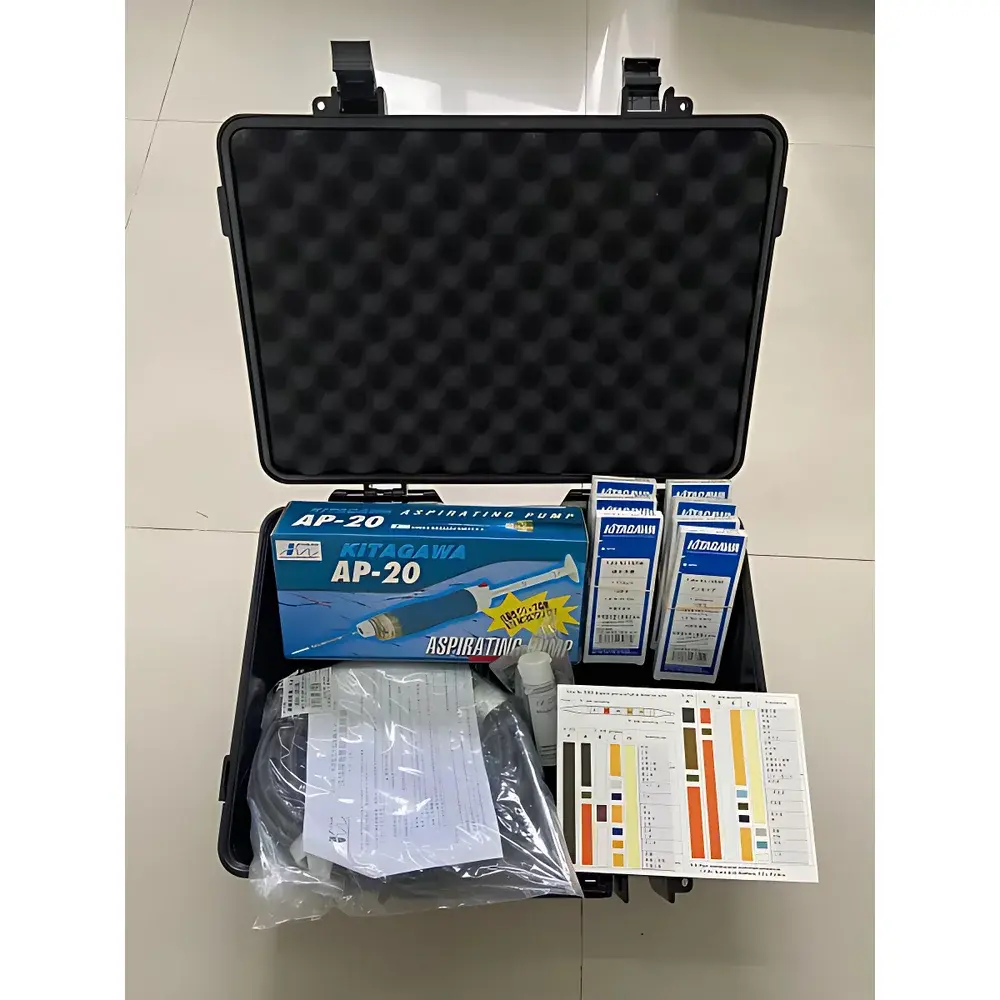
- Integrated 12-tube detection array covering priority gases identified in CDC emergency response protocols—including CO, H₂S, NH₃, Cl₂, CO₂, NO₂, SO₂, HF, PH₃, HCl, O₃, and formaldehyde.
- Pre-calibrated detection tubes with traceable lot-specific calibration curves and expiration dates printed on each tube sleeve.
- Dual-range capability: Select tubes offer overlapping low- and high-concentration ranges (e.g., CO: 1–50 ppm and 10–500 ppm variants) to ensure optimal sensitivity across exposure scenarios.
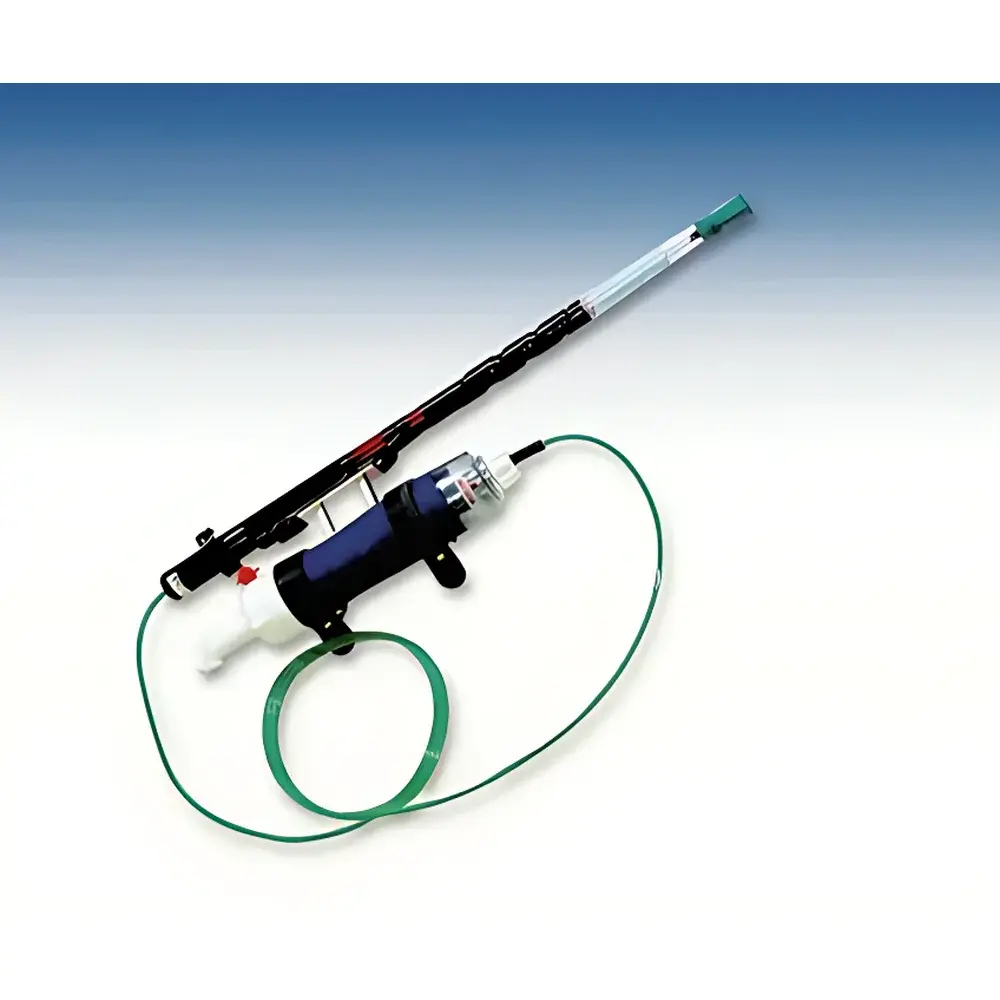
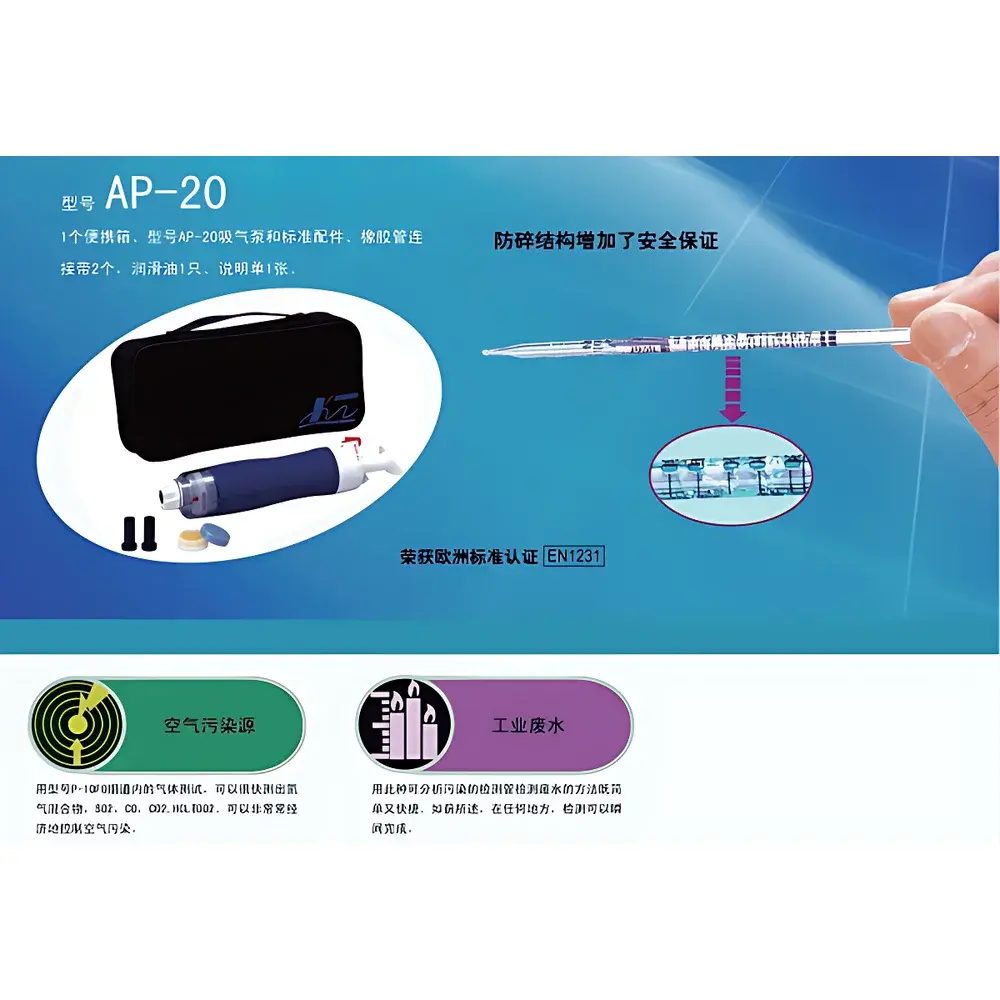
- ZG-1 manual piston pump with integrated stroke counter (100 ± 2 mL/stroke), ISO 7203-compliant flow control, and leak-tested sealing interface for reproducible 100 mL sample draws.
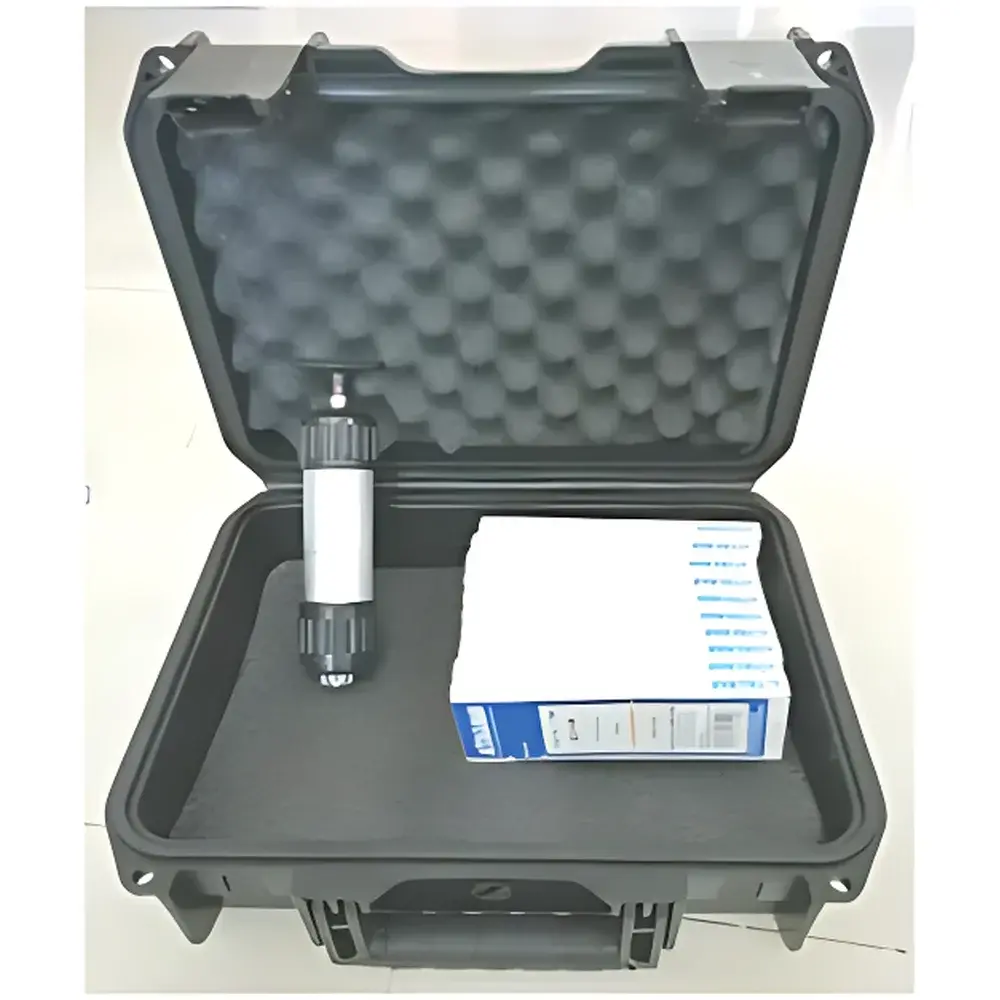
- Rugged, impact-resistant carrying case (IP54 rated) with foam-insert compartments, labeled tube slots, and dedicated storage for pump, instruction cards, and calibration reference charts.
- No power supply or software dependency—fully operational in off-grid, hazardous, or battery-limited environments.
Sample Compatibility & Compliance
The P-51 kit is validated for use with ambient air, indoor workplace air, and ventilated enclosure exhaust streams at temperatures between 5–40 °C and relative humidity ≤85% RH (non-condensing). All detection tubes comply with GB/T 27025–2019 (equivalent to ISO/IEC 17025) for competence of testing and calibration laboratories. Tube lot certifications include batch-specific uncertainty statements (k=2) and adherence to EN 1231:2021 (Workplace exposure—Direct-reading instruments—Requirements and test procedures). While not intended for regulatory compliance reporting under EPA Method TO-15 or ISO 16000 series, the P-51 serves as a GLP-aligned prescreening tool prior to confirmatory laboratory analysis (e.g., GC-MS, FTIR, or electrochemical sensor validation).
Software & Data Management
The P-51 is a hardware-only, analog measurement system with no embedded electronics or digital connectivity. Data recording follows paper-based field documentation protocols: users manually log tube ID, sampling location, date/time, pump strokes, observed color length, and calculated concentration using supplied nomograms or printed lookup tables. Each kit includes a laminated field logbook compliant with WHO Emergency Risk Communication guidelines and supports audit-ready traceability when paired with institutional SOPs for chain-of-custody documentation. Digital integration is possible via third-party mobile apps (e.g., NIOSH eTools or OSHA Air Sampling Mobile Assistant) for metadata capture—though raw tube readings remain operator-interpreted and non-AI-processed.
Applications
- Rapid hazard identification during chemical spill response, fire investigation, or illicit lab characterization.
- Pre-entry screening of confined spaces (tanks, sewers, silos) per OSHA 1910.146 and GBZ/T 229.2–2010 standards.
- Occupational exposure assessment in manufacturing, wastewater treatment, agriculture (fumigation), and semiconductor fabrication.
- Indoor air quality triage in schools, hospitals, and residential buildings following odor complaints or suspected VOC release.
- Training platform for industrial hygienists and public health responders on visual endpoint interpretation and exposure hierarchy evaluation.
FAQ
What is the shelf life of the detection tubes included in the P-51 kit?
Standard tubes have a certified shelf life of 18–24 months from manufacture date when stored at 15–25 °C in original sealed packaging. Lot-specific expiry is printed on each tube box.
Can the P-51 be used for continuous monitoring?
No—it is designed exclusively for discrete, single-point grab sampling. Continuous monitoring requires fixed electrochemical or PID-based systems with data logging capabilities.
Does the kit include calibration gas standards?
No. Calibration verification is performed using manufacturer-provided reference tubes (sold separately) or certified gas challenge tests per ISO 17025-accredited procedures.
Is the ZG-1 pump compatible with other tube brands?
Yes—the ZG-1 meets ISO 7203 dimensional and flow specifications and is interoperable with most globally standardized 100-mm detection tubes (e.g., Dräger, Gastec, RAE Systems).
How are measurement uncertainties reported for P-51 results?
Per NMAM 4.1, typical expanded uncertainty (k=2) ranges from ±15% to ±25% depending on gas species, concentration level, and operator technique—documented in each tube’s certificate of analysis.







