
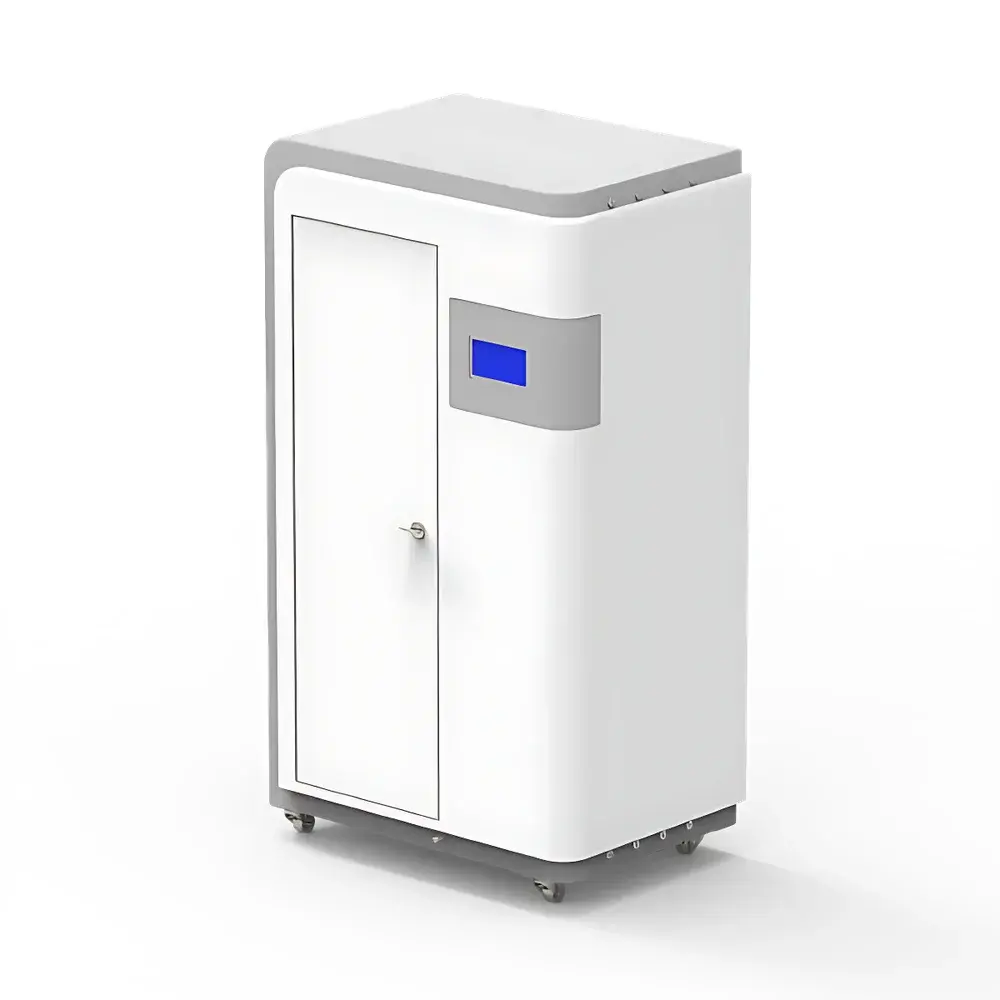
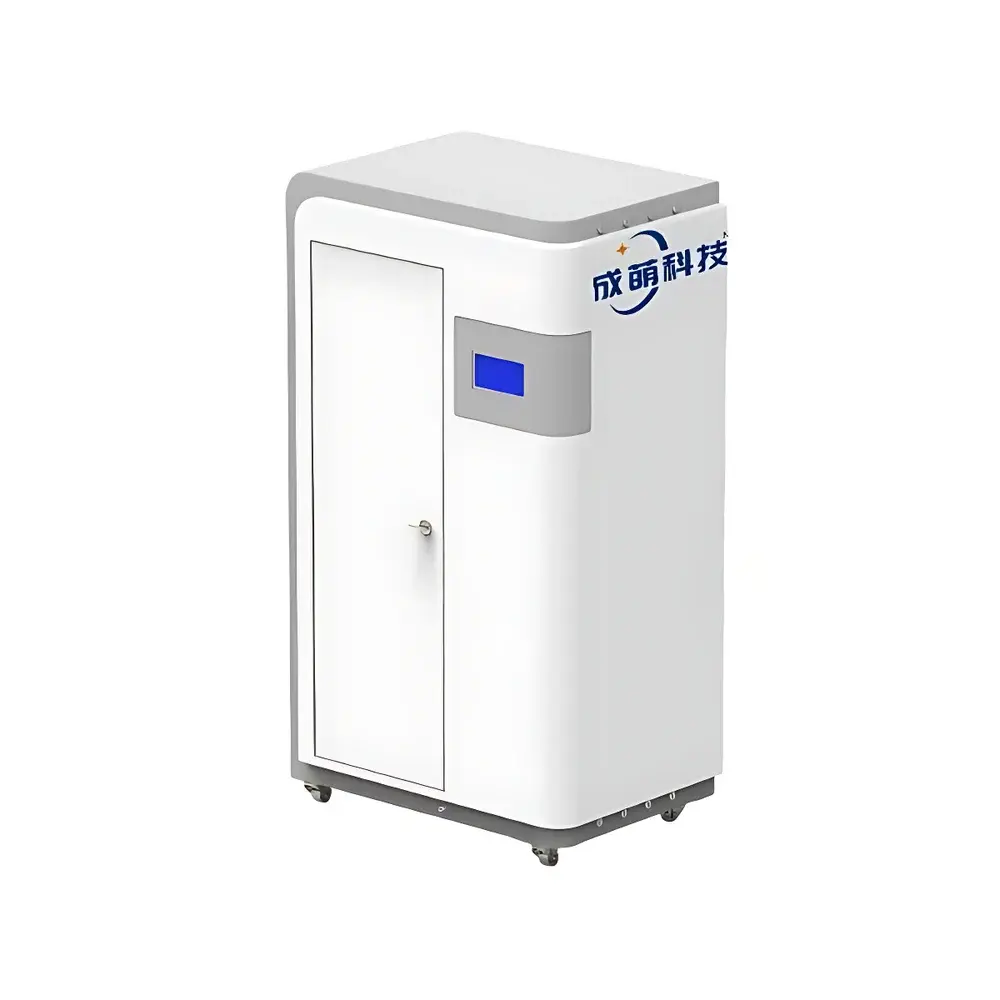
Chengmeng CM-450A Column Oven for HPLC and GC Systems
| Brand | Chengmeng |
|---|---|
| Origin | Beijing, China |
| Model | CM-450A |
| Temperature Control | Heating-only (no refrigeration) |
| Temperature Range | Ambient to 80 °C |
| Temperature Stability | ±0.1 °C |
| Repeatability | ±0.1 °C |
| Dimensions (L×W×H) | 450 mm × 300 mm × 780 mm |
| Heating Power | 800 W (oven) + 500 W (tubing) |
| Display | 4.3″ PLC touchscreen |
| Cabinet Material | 304 stainless steel |
| Weight | 30 kg |
| Safety Features | Leak detection, over-temperature alarm, auto power cutoff |
| Compliance | Designed for GLP-compliant labs |
Overview
The Chengmeng CM-450A Column Oven is an engineered thermal management system designed specifically for high-precision chromatographic applications including high-performance liquid chromatography (HPLC), ultra-high-performance liquid chromatography (UHPLC), and gas chromatography (GC). Unlike passive insulation enclosures, the CM-450A actively regulates column and mobile-phase temperature using dual-zone, independently controlled heating modules—ensuring thermodynamic consistency across both stationary phase environment and flowing eluent. Its core architecture integrates PID-controlled semiconductor ceramic heating elements with forced-air convection (lower intake / upper discharge airflow), minimizing thermal gradients and achieving <5-minute oven stabilization and <1-minute tubing thermal equilibration. The system operates exclusively in heating mode, making it especially suitable for laboratories handling low-flashpoint solvents such as acetonitrile, methanol, or hexane—where active cooling introduces unnecessary complexity and safety risk. All thermal control logic, sensor feedback loops, and alarm thresholds are implemented within a certified industrial PLC platform, ensuring deterministic response and long-term calibration stability.
Key Features
- Dual independent heating zones: column chamber (ambient to 80 °C) and capillary tubing preheater (ambient to 80 °C, max flow rate 1 L/min), physically isolated per IEC 61000-6-2 EMC and IEC 61010-1 safety requirements
- PID-controlled semiconductor ceramic heating plates with real-time thermistor feedback, delivering ±0.1 °C temperature stability and repeatability under continuous operation
- Forced-air thermal uniformity design: bottom-intake / top-discharge airflow path optimized for laminar circulation, validated via ASTM E2251-compliant mapping (ΔT ≤ 0.3 °C across 30 cm column bed)
- Integrated leak detection system: infrared photoelectric liquid-level sensor mounted in dedicated sump tray beneath column mount; triggers audible alarm, halts heating, and initiates 10-second delayed power cutoff upon detection
- Over-temperature protection: user-configurable upper limit (default 85 °C); immediate heater disable and latching alarm on threshold breach
- Industrial-grade 4.3″ PLC touchscreen interface with localized English firmware: supports setpoint entry, real-time dual-channel temperature display, event log viewing, and parameter lockout
- Remote I/O interface via MIL-DTL-38999-series aviation connector: enables dry-contact start/stop, alarm status output, and fault signal integration into central lab monitoring systems
- 304 stainless steel enclosure with electropolished interior surfaces: corrosion-resistant, non-outgassing, and compliant with ISO 14644-1 Class 8 cleanroom handling protocols
Sample Compatibility & Compliance
The CM-450A accommodates standard 30–40 cm analytical columns (including 2.1–4.6 mm ID stainless steel or PEEK tubing configurations) and supports common HPLC/GC mobile phases—including aqueous buffers, organic modifiers, and corrosive solvents—without degradation of thermal performance or material integrity. Its heating methodology avoids direct contact between heating elements and column hardware, eliminating thermal stress-induced column bleeding or stationary phase degradation. From a regulatory standpoint, the unit is constructed to support GLP and GMP workflows: all temperature setpoints, alarms, and operational events are timestamped and stored locally (non-volatile memory), enabling traceable audit trails. When paired with validated chromatography data systems (CDS), the CM-450A meets functional requirements for FDA 21 CFR Part 11 compliance—including electronic signature readiness, operator access control, and immutable event logging.
Software & Data Management
While the CM-450A operates autonomously via its embedded PLC controller, it provides analog (0–10 V) and digital (RS-485 Modbus RTU) outputs for integration into centralized laboratory informatics platforms. Temperature logs (column chamber + tubing zone) are recorded at 1-second intervals and retained for ≥30 days onboard. Export is supported via USB-C port (FAT32-formatted drive), generating CSV files compatible with LIMS, ELN, or statistical process control (SPC) software. No proprietary drivers or cloud dependencies are required—data schema follows ASTM E1382-22 conventions for chromatographic environmental monitoring. Firmware updates are performed offline using signed binary packages, preserving integrity verification per NIST SP 800-193 guidelines.
Applications
- HPLC/UHPLC method development and validation where retention time reproducibility depends critically on column temperature stability (e.g., USP <621>, EP 2.2.46)
- GC analysis of volatile compounds requiring precise oven ramping and isothermal hold accuracy
- Pharmaceutical QC labs processing acetonitrile-based mobile phases under ICH Q2(R2) robustness testing conditions
- Environmental testing labs performing EPA Method 8081B/8270D analyses where column temperature directly affects resolution of chlorinated hydrocarbons
- Academic research facilities conducting kinetic studies or thermodynamic modeling of retention behavior
FAQ
Does the CM-450A support sub-ambient temperature control?
No. It is a heating-only system optimized for ambient-to-80 °C operation. Refrigerated column ovens require separate mechanical compression or Peltier-based designs not implemented in this model.
Can the tubing heater accommodate PEEK or fused silica capillaries?
Yes. The stainless-steel coil mandrel accepts 1/16″ OD tubing of any chemically inert material, with thermal mass calibrated for consistent ΔT across polymer and glass substrates.
Is the leak detection system compatible with non-aqueous solvents?
Yes. The infrared photoelectric sensor detects changes in refractive index and surface tension, responding reliably to acetonitrile, methanol, THF, and dichloromethane—validated per ASTM D7550-19.
What documentation is provided for IQ/OQ qualification?
Factory test reports include as-delivered temperature uniformity maps, PID tuning parameters, alarm response timing logs, and electrical safety certification (GB 4793.1–2019 / IEC 61010-1). Custom URS-aligned protocols available upon request.
How is firmware updated, and is version history maintained?
Updates are applied via USB-C using cryptographically signed binaries; each firmware release includes SHA-256 checksums and revision notes archived in the onboard event log.
Related Products





