
CLEAN PH30P Soil pH Meter
| Origin | Taiwan |
|---|---|
| Manufacturer Type | Distributor |
| Origin Category | Domestic (China) |
| Model | PH30P |
| Price Range | USD 140–420 |
| pH Range | 0.00–13.00 |
| pH Resolution | 0.01 pH |
| pH Accuracy | ±0.01 + 1 LSD |
| Temperature Range | 0–100.0 °C |
| Temperature Resolution | 0.1 °C |
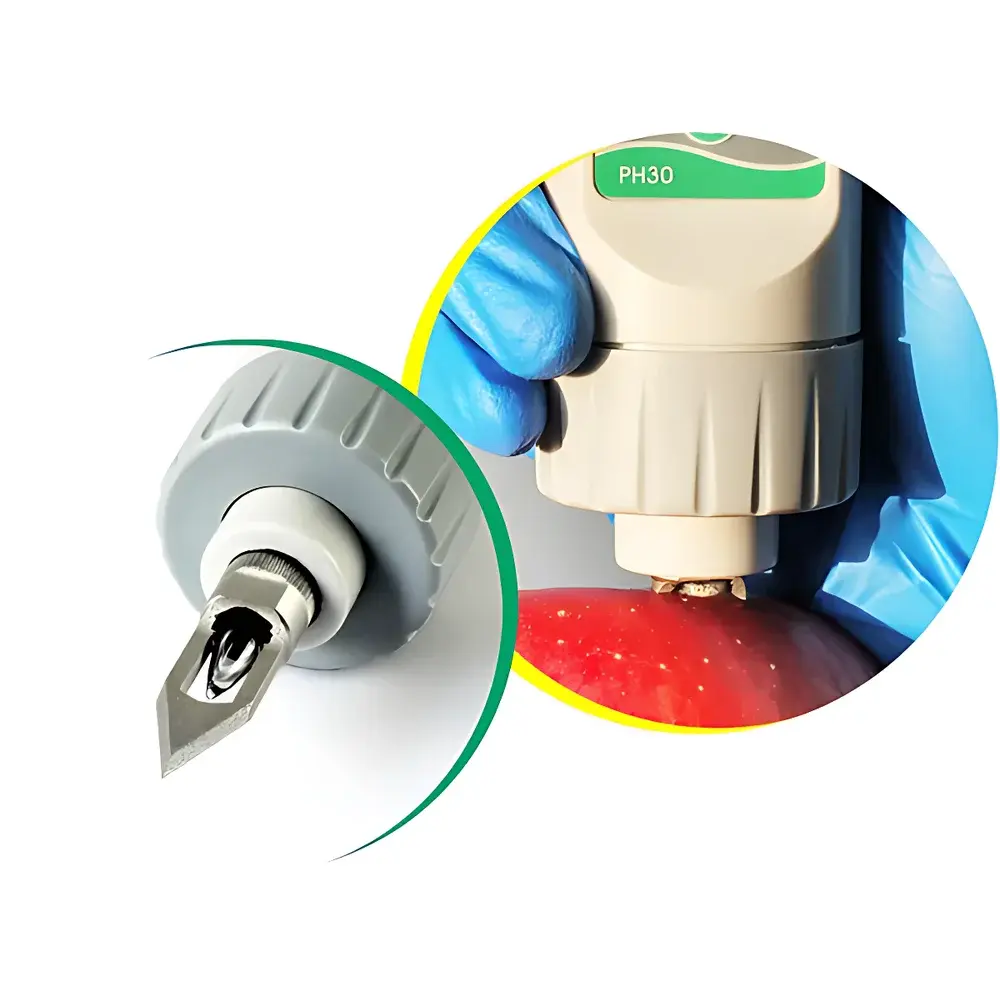
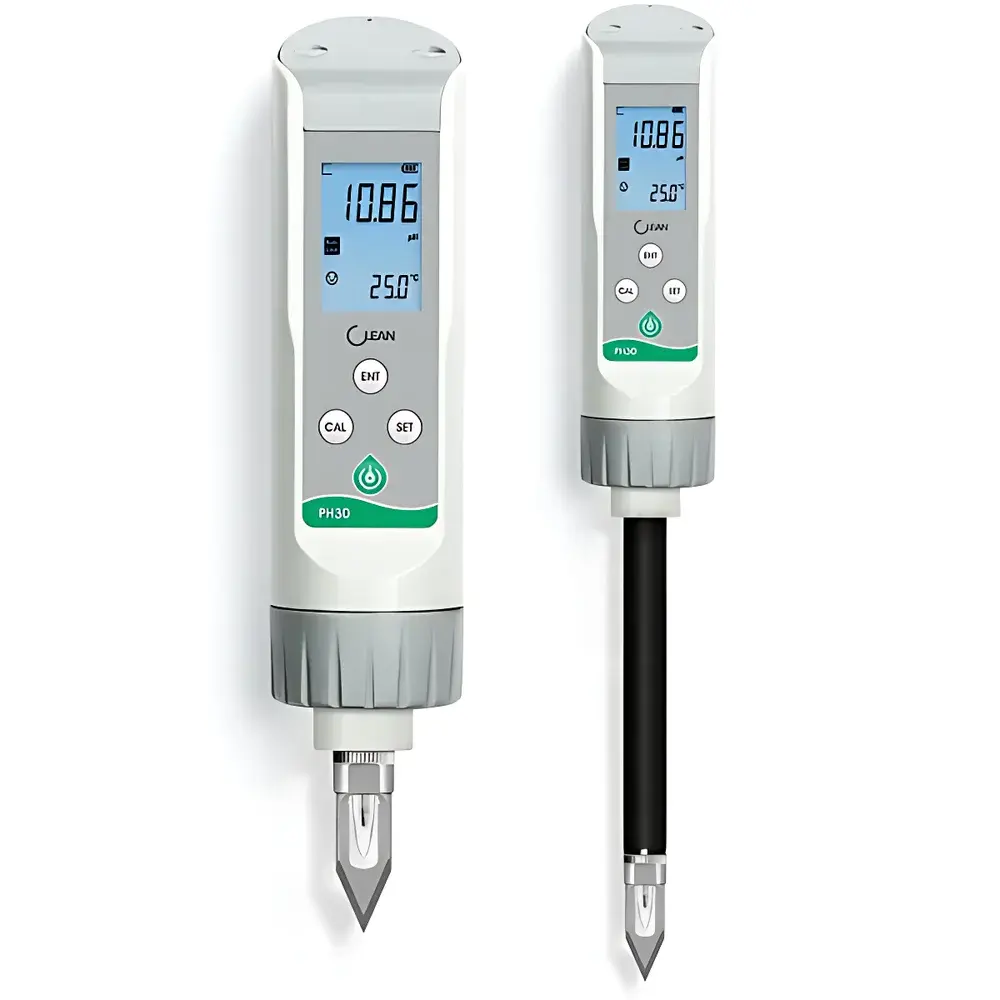
| Electrode | Replaceable CS1930P Piercing-Type pH Sensor (316L stainless steel shaft) |
| Display | Backlit 20×30 mm multi-line LCD |
| Battery | 1×1.5 V AAA (>500 h life) |
| Auto-off | 5 min |
| Dimensions | 185×40×48 mm |
| Weight | 95 g |
Overview
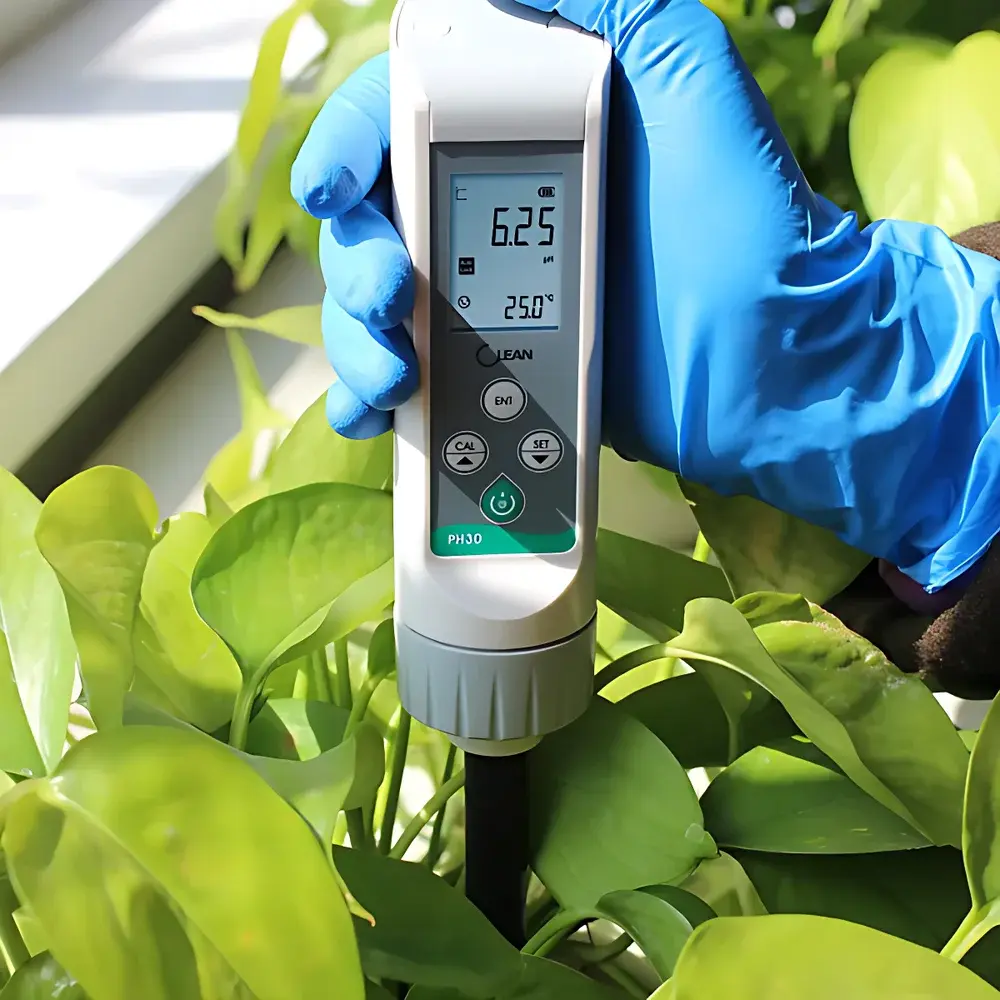
The CLEAN PH30P Soil pH Meter is a field-deployable, solid-sample optimized pH measurement instrument engineered for reliable, repeatable acidity assessment in heterogeneous, low-moisture matrices—including agricultural soils, horticultural substrates, food products (e.g., meat, fruit pulp), and semi-solid industrial samples. Unlike conventional liquid-phase pH meters, the PH30P employs a robust, direct-insertion electrochemical sensing architecture based on a glass membrane electrode with a ruggedized 316L stainless steel piercing probe (model CS1930P). This design enables stable junction potential establishment in non-homogeneous media without slurry preparation or dilution—critical for maintaining sample integrity and avoiding measurement artifacts introduced by water addition. The device operates on standardized potentiometric principles per ASTM D4972 and ISO 10390, delivering traceable pH values referenced to NIST-traceable buffer standards (pH 4.01, 6.86, 9.18) or USA-standard buffers (4.01, 7.00, 10.01). Its integrated Automatic Temperature Compensation (ATC) ensures accuracy across variable ambient and sample temperatures (0–60 °C operating range), while the dual-mode (ATC/MTC) capability supports controlled-lab or unregulated-field use.
Key Features
- Direct-insertion 316L stainless steel piercing probe (CS1930P) — corrosion-resistant, cleanable, and compliant with FDA 21 CFR §178.3570 for food-contact applications
- IP67-rated enclosure — fully dust-tight and submersible to 1 m for 30 min, suitable for outdoor soil sampling in rain or high-humidity environments
- Intuitive 4-button interface — single-hand operation with tactile feedback; no tools required for battery or electrode replacement
- Multi-line backlit LCD (20×30 mm) — displays real-time pH, temperature, electrode status, calibration progress, and diagnostic indicators simultaneously
- Self-diagnostic electrode health monitoring — alerts users to membrane dehydration, reference junction clogging, or slope degradation prior to calibration drift
- Auto-recognition 3-point calibration — eliminates manual buffer selection errors; supports both NIST and USA pH standard sets
- Extended battery life (>500 hours) — powered by a single 1.5 V AAA cell with configurable auto-off (5 min idle timeout)
Sample Compatibility & Compliance
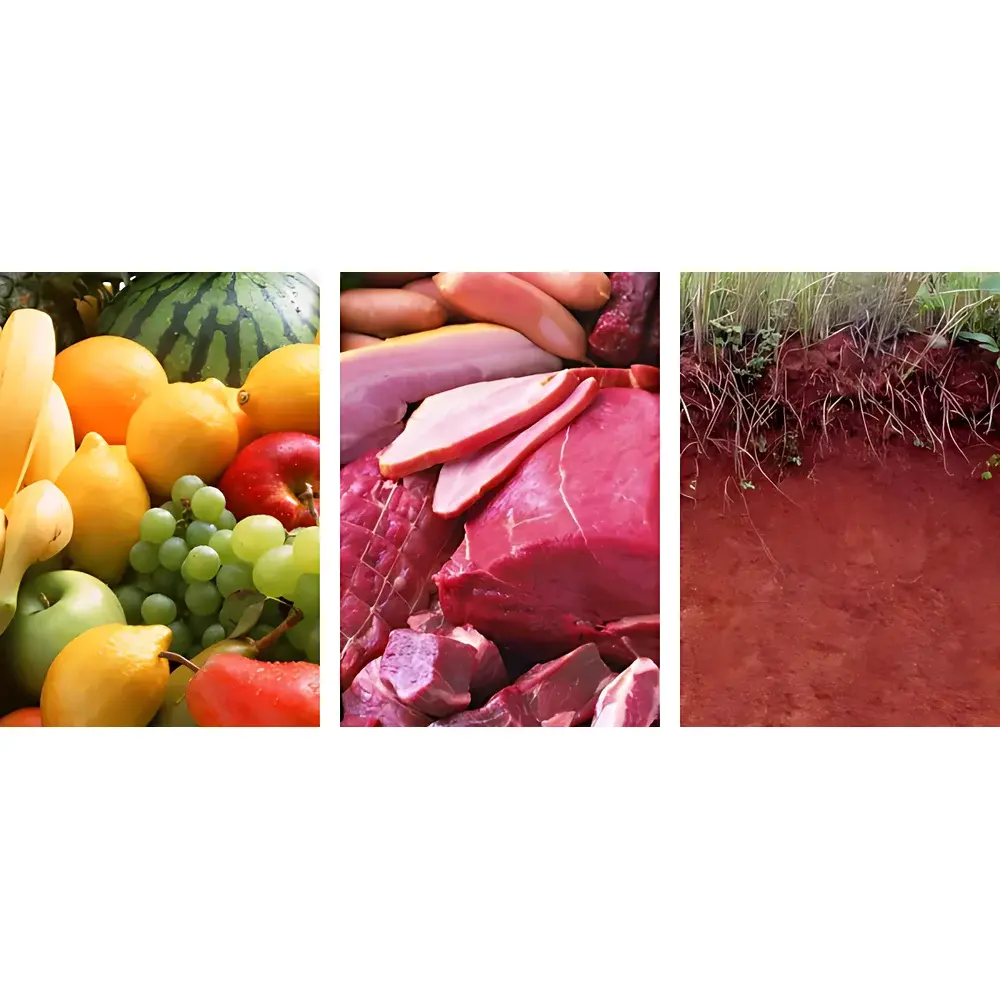
The PH30P is validated for direct measurement in undiluted, non-aqueous, and semi-solid matrices where traditional pH electrodes fail due to slow response, clogging, or unstable junction potentials. Compatible sample types include loam/clay/sandy soils (moisture content ≥15%), fresh-cut fruit tissue, ground meat emulsions, compost, peat moss, hydroponic growing media, and viscous organic slurries. It meets ISO 10390:2022 requirements for soil pH determination and aligns with EPA Method 9045D (Soil pH by Direct Measurement) for field screening. All materials contacting samples conform to EU Regulation (EC) No 1935/2004 and USP <797> material compatibility guidelines. The device itself carries CE marking per Directive 2014/30/EU (EMC) and 2011/65/EU (RoHS), and its calibration traceability supports GLP-compliant recordkeeping when paired with optional audit-log software.
Software & Data Management
While the PH30P operates as a standalone instrument, its digital output interface (optional RS-232 or Bluetooth 5.0 module) enables integration with laboratory information management systems (LIMS) or environmental data platforms. When connected, it transmits timestamped pH/temperature readings with embedded calibration metadata (buffer IDs, slopes, offsets) and electrode diagnostic flags. All measurements comply with FDA 21 CFR Part 11 requirements when used with validated third-party data capture software supporting electronic signatures, audit trails, and user access controls. Internal memory stores up to 200 measurement records with date/time stamps, eliminating transcription errors during field surveys.
Applications
- Agricultural extension services — rapid in-field soil acidity mapping for lime recommendation and nutrient management planning
- Food safety QA/QC — verification of pH in ready-to-eat meats, fermented vegetables, and dairy-based fillings per USDA FSIS guidelines
- Horticulture & greenhouse operations — substrate pH monitoring in coco coir, rockwool, and soilless mixes
- Environmental site assessment — preliminary screening of contaminated soils (e.g., acid sulfate soils, mine tailings)
- Composting facilities — process control of pH during active thermophilic phase and maturation
- Academic research — comparative studies of rhizosphere pH dynamics under varying irrigation or fertilizer regimes
FAQ
Can the PH30P measure pH in dry or very low-moisture soils?
Yes — the CS1930P piercing electrode is specifically designed for direct insertion into soils with moisture content as low as 12–15%. For optimal stability, ensure the probe tip contacts moist soil particles; avoid highly granular or sandy substrates without minimal capillary moisture.
Is the electrode compatible with acidic or saline soils?
The 316L stainless steel shaft and double-junction reference system resist corrosion from moderate acidity (pH >2) and salinity up to 50 dS/m. For extreme conditions (e.g., acid mine drainage), use the optional CS1928 Seawater or CS1921 HF-compatible electrode variants.
How often should calibration be performed?
Calibrate before each measurement session and after every 10–15 samples in variable field conditions. The built-in electrode diagnostics will flag declining slope (<92%) or asymmetric offset (>±30 mV), indicating immediate recalibration or electrode replacement.
Does the device support regulatory reporting?
Yes — when paired with compliant data logging software, the PH30P generates auditable records meeting ISO/IEC 17025, GLP, and USDA-NRCS soil testing program requirements for method validation and result traceability.
What maintenance is required between uses?
Rinse the CS1930P probe thoroughly with deionized water after each measurement; soak briefly in 0.1 M HNO₃ if organic residue is suspected. Store upright with protective cap filled with storage solution (3 M KCl + saturated AgCl). Clean the instrument body with mild ethanol wipe; do not immerse.
Related Products







