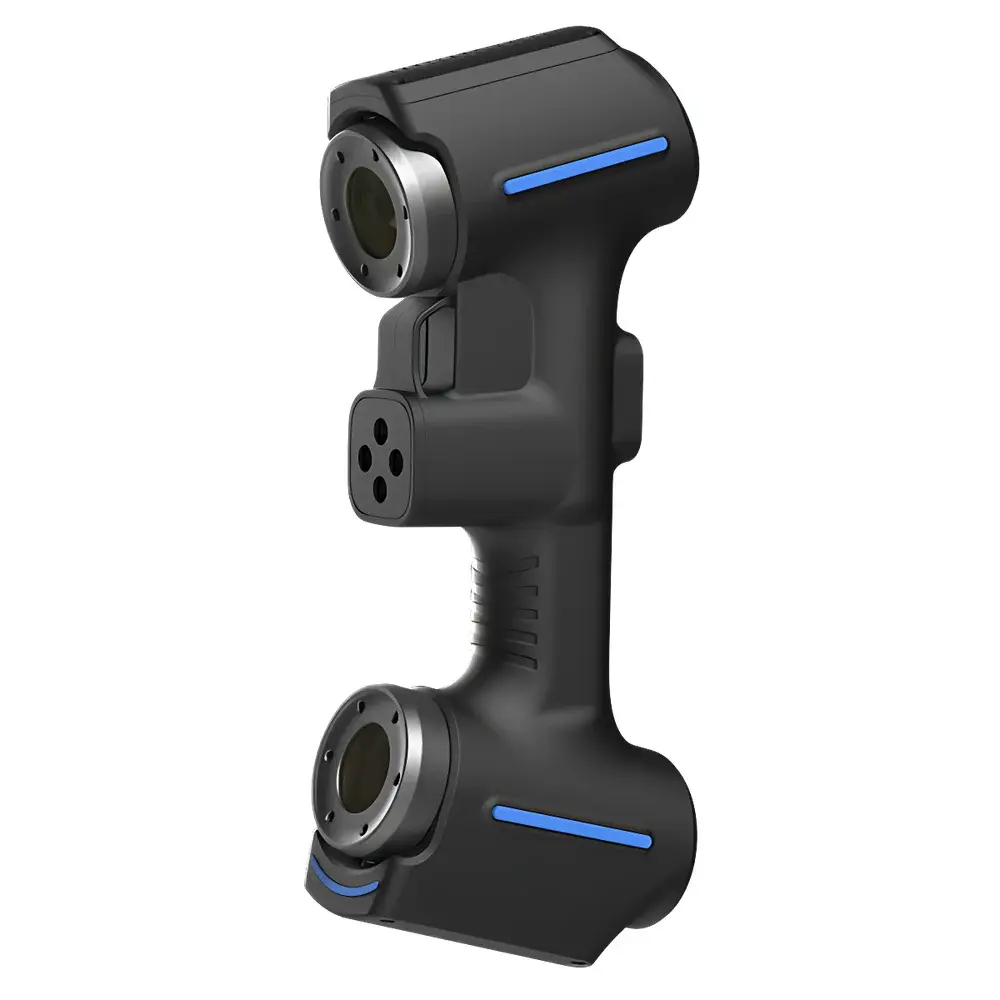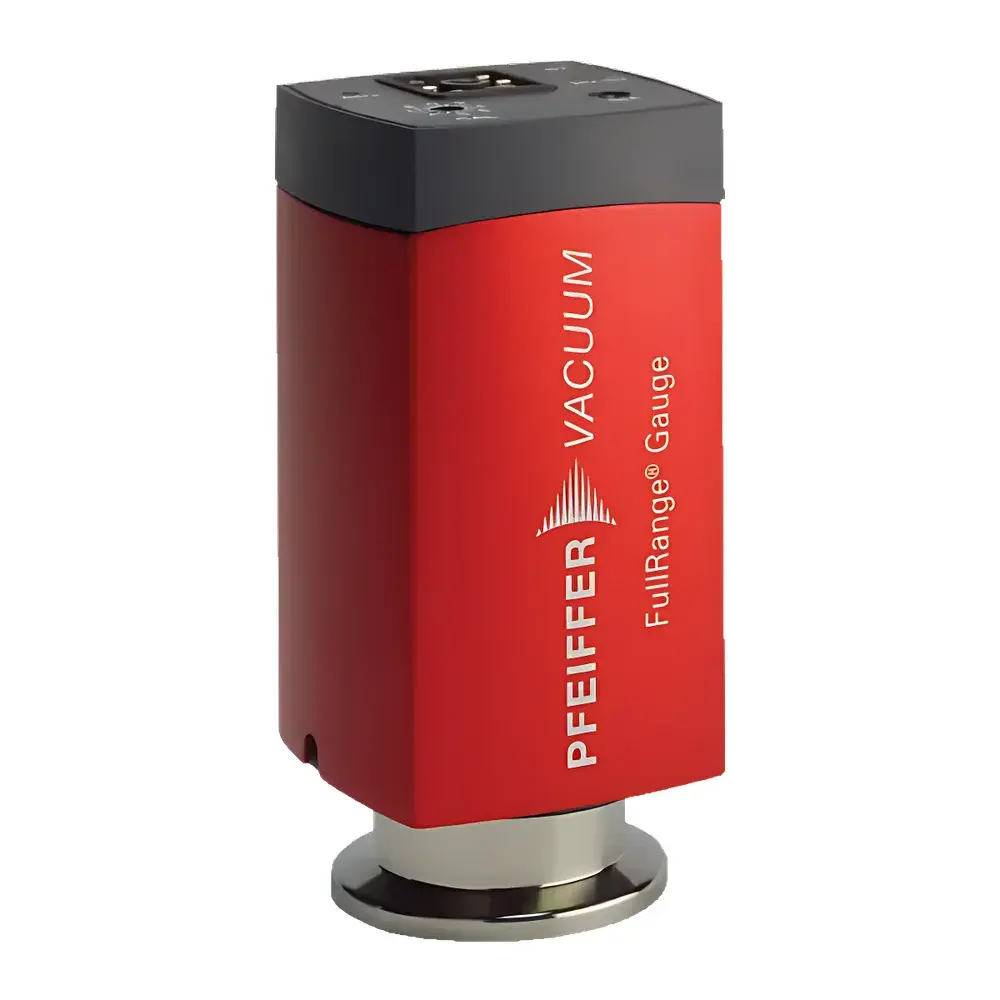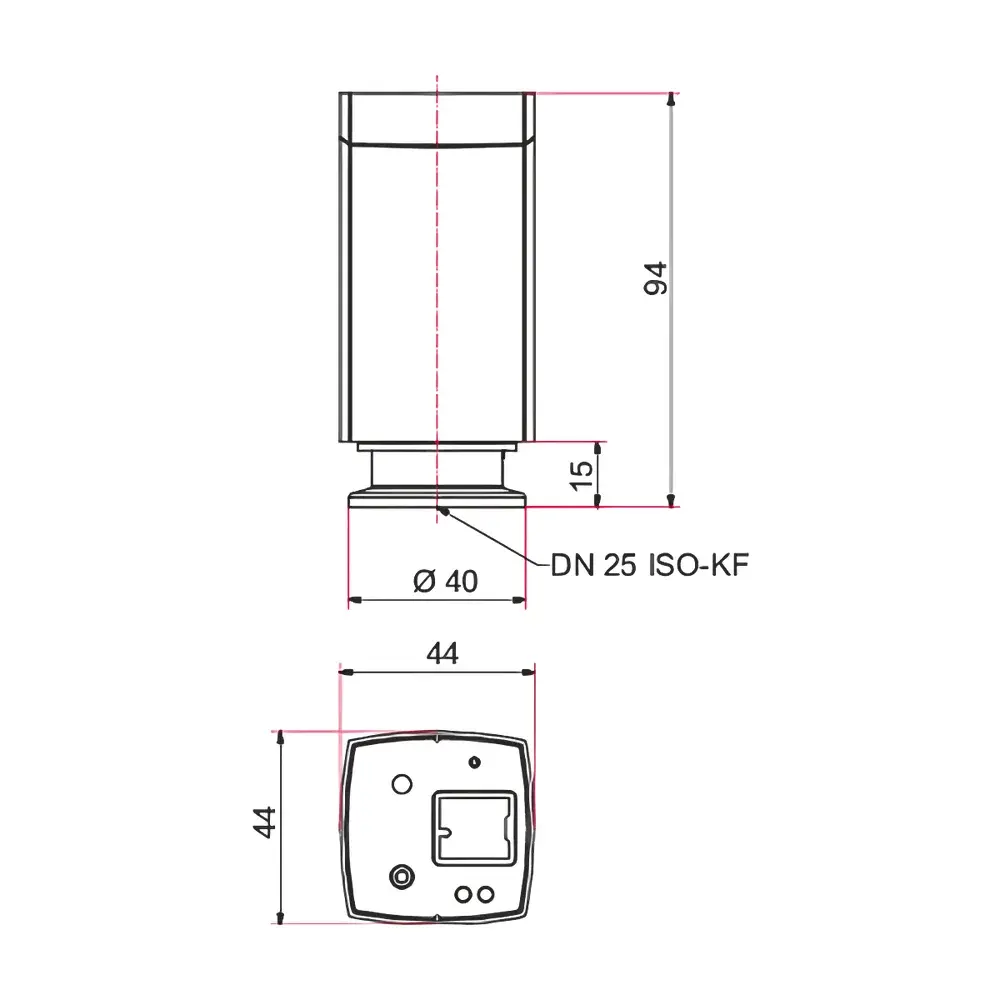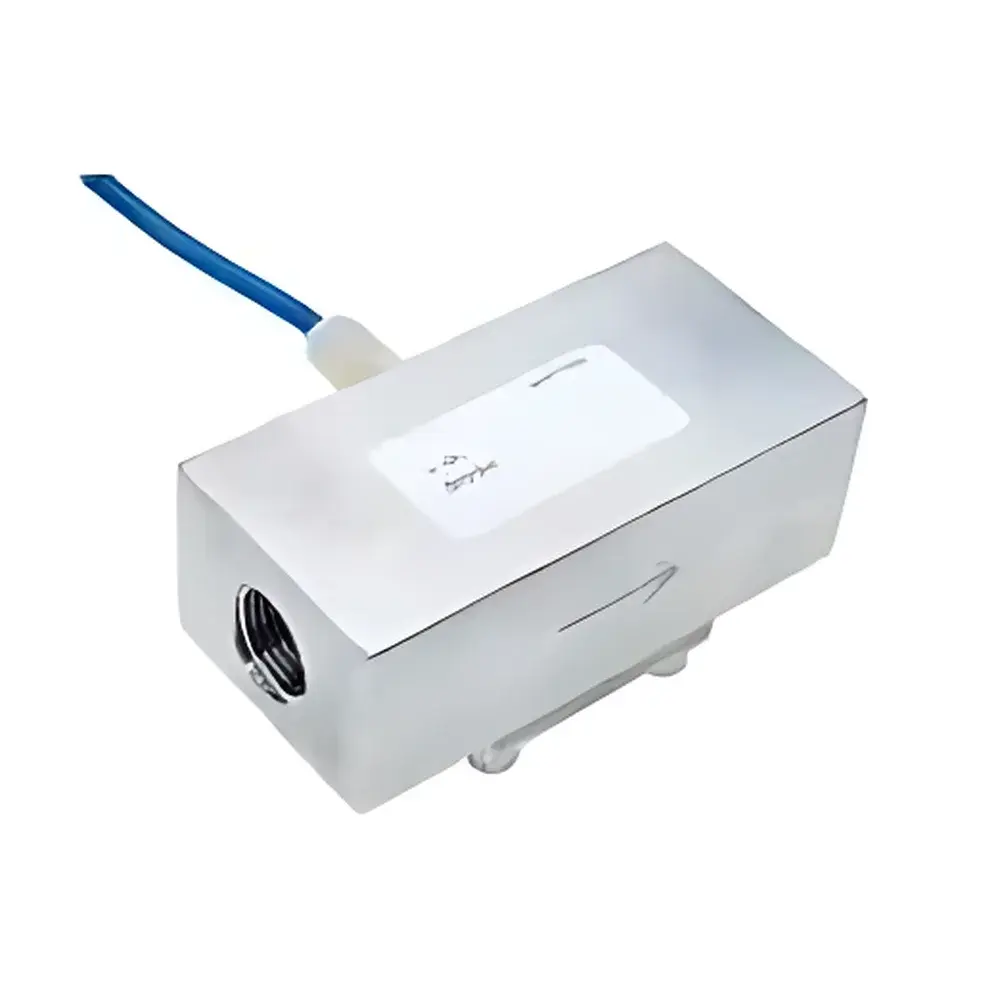
Cole-Parmer 33110-00 Low-Flow Turbine Sensor and Controller
| Brand | Cole-Parmer |
|---|---|
| Origin | USA |
| Manufacturer Type | Authorized Distributor |
| Origin Category | Imported |
| Model | 33110-00 |
| Flow Principle | Differential Pressure |
| Sensor Material Options | Polypropylene (PP), TFE, 316 Stainless Steel (SS), Brass |
| Connection | 3/8"–1" NPT(F) |
| Pulse Output | Square-wave, Hall-effect generated |
| Cable Length | 18 ft (5.5 m), pre-terminated with stripped leads |
| Recommended Installation | Minimum 5× pipe diameter straight-run upstream |
| Mounting Orientation | Omnidirectional |
| Compliance | Designed for industrial process monitoring per ANSI/ISA S84.01 functional safety guidelines (sensor-only configuration) |
Overview
The Cole-Parmer 33110-00 Low-Flow Turbine Sensor and Controller is a precision-engineered flow measurement system designed for reliable, low-range gas and liquid flow monitoring in laboratory, pilot-scale, and light industrial applications. It operates on the principle of turbine rotation induced by fluid momentum—where volumetric flow rate directly correlates with rotational speed of a freely spinning impeller. A built-in Hall-effect sensor detects each blade passage, generating a proportional square-wave pulse train. This analog-to-digital transduction mechanism ensures high linearity (±1% full scale typical), excellent repeatability (<±0.5%), and minimal mechanical wear due to non-contact sensing. Unlike orifice-based differential pressure devices, this turbine-based architecture avoids permanent pressure loss across the sensing element while maintaining sensitivity at flow rates as low as 0.07 GPM. The system is not a standalone instrument but functions as a modular sensing component intended for integration with compatible Cole-Parmer controllers—including the 33110-60/70 flow rate controllers, the 33112-52 batch controller, or the 33112-50 battery-powered dual-display unit.
Key Features
- Non-intrusive Hall-effect detection eliminates mechanical contact between rotor and sensor, extending operational lifetime beyond 10 million pulses under nominal conditions.
- Selectively configurable wetted materials: polypropylene (PP) for general-purpose aqueous solutions; TFE-lined variants for high-purity, elevated-temperature, or aggressive solvent environments (up to 120°C continuous); 316 stainless steel for chemical dosing, fertilizer injection, and agrochemical formulation systems; brass for clean-water utility monitoring.
- Standardized NPT(F) threaded connections (3/8″, 1/2″, 3/4″, and 1″) enable drop-in replacement in existing piping infrastructure without welding or flange adaptation.
- Integrated 18-ft (5.5-m) shielded cable with pre-stripped conductors simplifies field wiring and reduces installation time—compatible with standard 24 VDC loop-powered controllers.
- Omnidirectional mounting capability supports vertical, horizontal, or angled installation, provided minimum upstream straight-run requirements (5× pipe diameter) are met to ensure laminar flow profile stability.
- Low-pressure-drop design: maximum ΔP ranges from 14–24 psi depending on model and flow rate—significantly lower than comparable orifice plates or rotameters at equivalent low-flow conditions.
Sample Compatibility & Compliance
The 33110-00 series accommodates Newtonian liquids and dry, non-corrosive gases within specified viscosity and Reynolds number limits (Re > 2,500 recommended for laminar-to-turbulent transition stability). PP and TFE variants meet USP Class VI biocompatibility standards for pharmaceutical fluid handling. 316 SS models comply with ASTM A276 and EN 10088-1 material specifications. All configurations are rated for use in non-hazardous locations; when paired with UL 1203–certified enclosures and associated control units (e.g., 33110-60), they support operation in Class I, Division 2, Groups A–D hazardous area classifications. No intrinsic safety certification is embedded in the sensor itself—system-level approval requires third-party verification per IEC 60079-11 or ISA-12.12.01.
Software & Data Management
As a pulse-output transducer, the 33110-00 does not incorporate onboard firmware or digital communication protocols (e.g., Modbus, HART). Its output is a raw frequency signal (Hz) linearly proportional to volumetric flow (GPM or L/min), enabling direct interface with programmable logic controllers (PLCs), data acquisition systems (DAQs), or Cole-Parmer’s proprietary controllers. When integrated with the 33112-52 batch controller, it supports time-stamped totalization logs compliant with GLP audit trails—retaining start/stop timestamps, batch IDs, and cumulative volume per cycle. For FDA-regulated environments, pairing with 21 CFR Part 11–compliant SCADA platforms (e.g., Ignition SCADA or Siemens Desigo CC) enables electronic signature capture, user access controls, and immutable event logging.
Applications
- Pharmaceutical clean steam tracing and purified water loop balancing
- Chemical metering in R&D reactors and pilot plants (e.g., catalyst feed, acid/base dosing)
- Agricultural sprayer calibration and fertigation system verification
- Lab-scale gas chromatography carrier gas flow stabilization
- Environmental emissions testing where low-flow sampling (e.g., stack dilution probes) demands high pulse resolution
- Medical device manufacturing—sterile fluid delivery validation for dialysis or IV pump calibration rigs
FAQ
What is the minimum straight-run requirement for accurate measurement?
A minimum of five pipe diameters of unobstructed upstream straight pipe is required to establish a fully developed velocity profile and minimize turbulence-induced pulsation errors.
Can the sensor be used with viscous fluids such as glycerol or silicone oil?
Viscosity above 10 cP may reduce rotor responsiveness and introduce nonlinearity; consult Cole-Parmer Application Engineering for Reynolds number validation prior to deployment.
Is the 33110-00 suitable for sanitary (3-A) applications?
No—this series lacks tri-clamp end connections, electropolished surfaces, or drainability features required for 3-A certification; consider the Cole-Parmer 33500-series sanitary turbine meters instead.
Does the sensor require periodic recalibration?
While no routine factory recalibration is mandated, annual verification against a traceable master flow standard (e.g., gravimetric or piston-prover reference) is recommended per ISO/IEC 17025 quality management practices.
How does temperature affect accuracy?
Thermal expansion of the rotor and housing introduces ±0.02%/°C zero drift; compensation is applied externally via controller firmware or SCADA-based temperature correction algorithms using optional RTD input.