
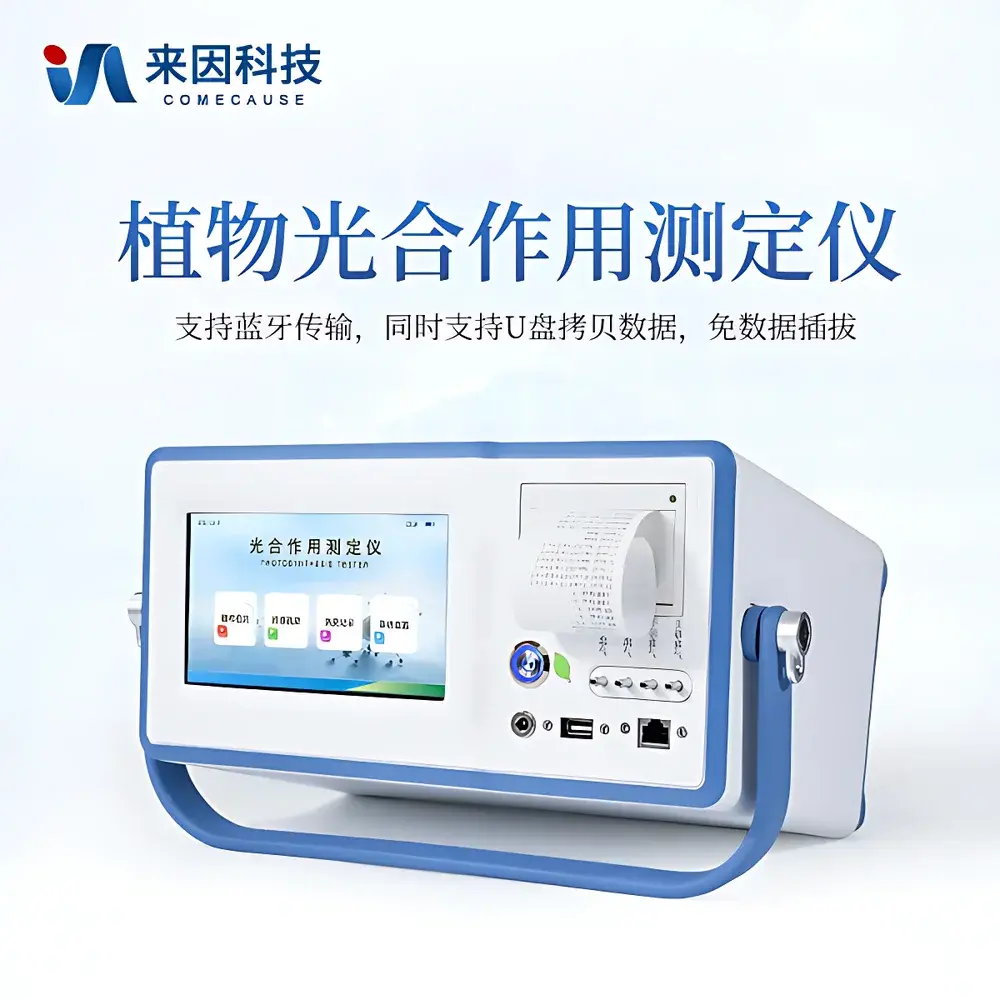
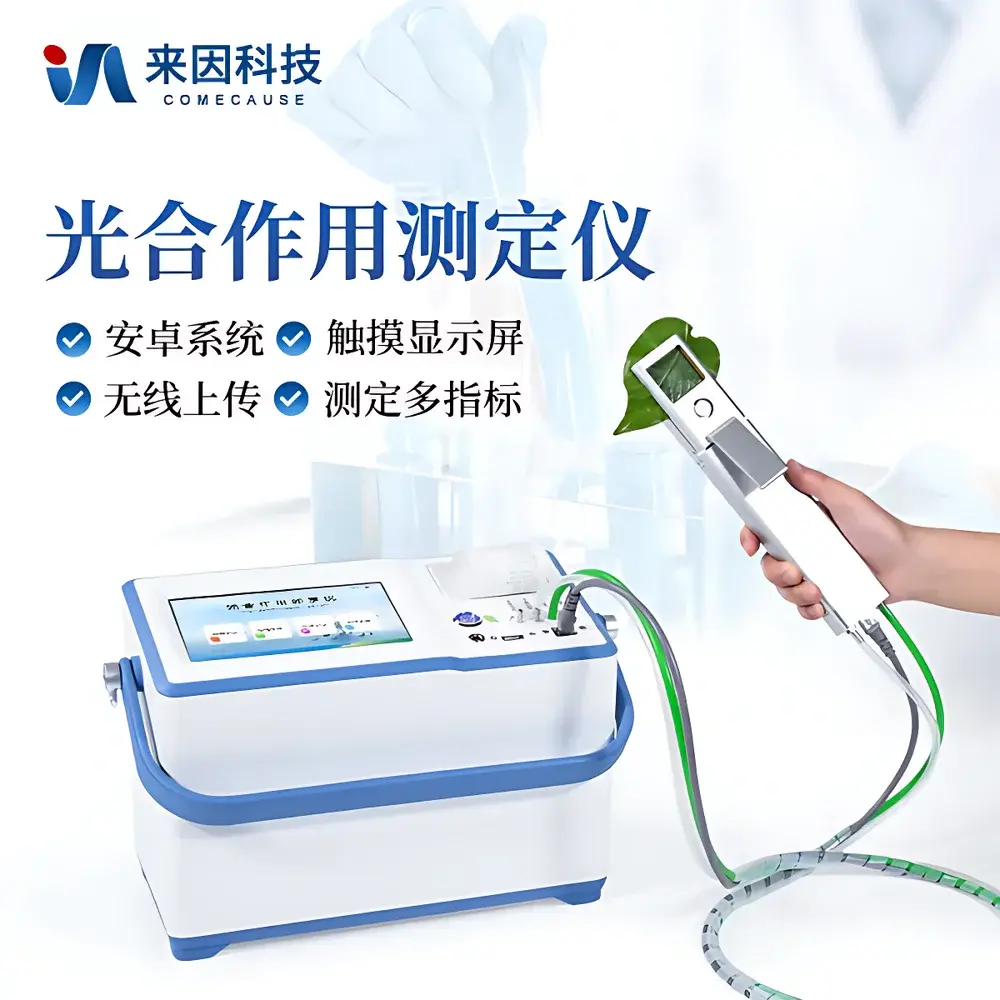
COMECAUSE IN-GH2 Portable Photosynthesis Measurement System
| Brand | COMECAUSE |
|---|---|
| Model | IN-GH2 |
| Origin | Shandong, China |
| Manufacturer Type | Direct Manufacturer |
| CO₂ Measurement Range | 0–3000 µmol/mol (ppm) |
| CO₂ Accuracy | ≤3% FS |
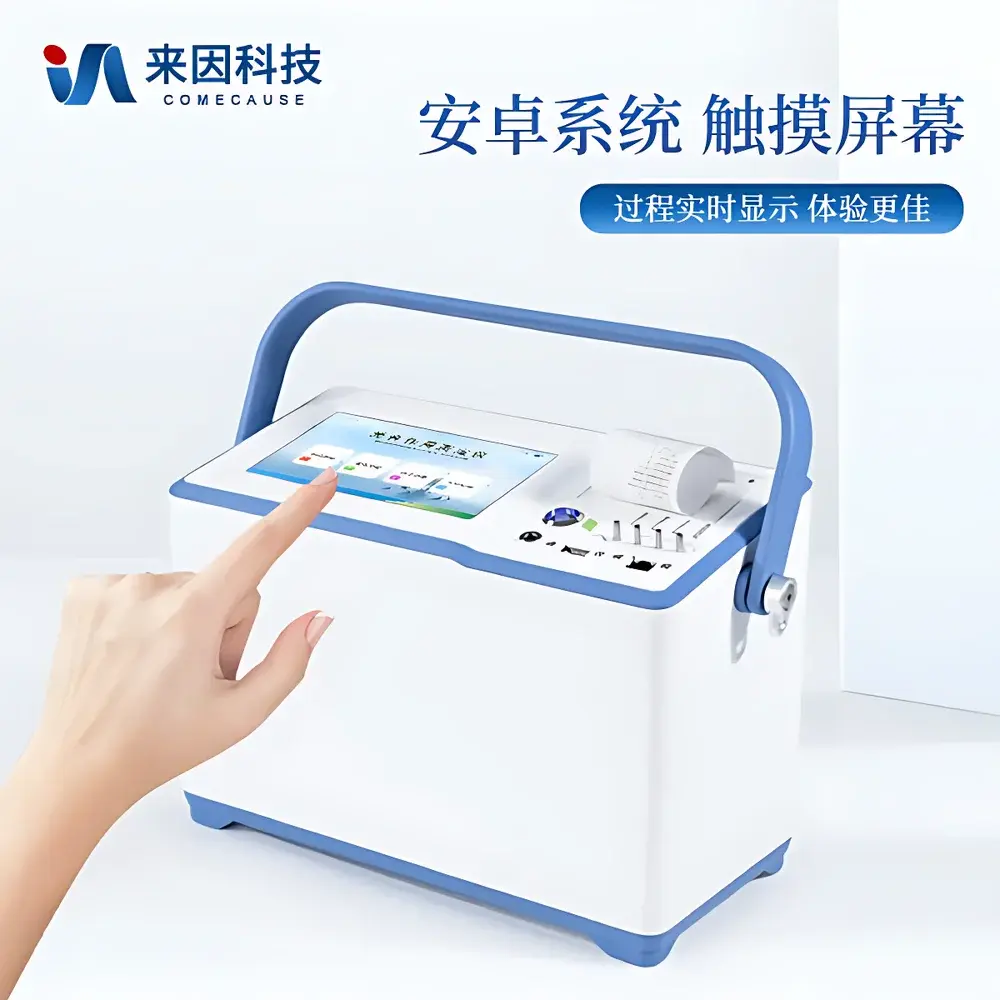
| Operating System | Android-based Embedded UI |
| Display | 7-inch High-Sensitivity Touchscreen |
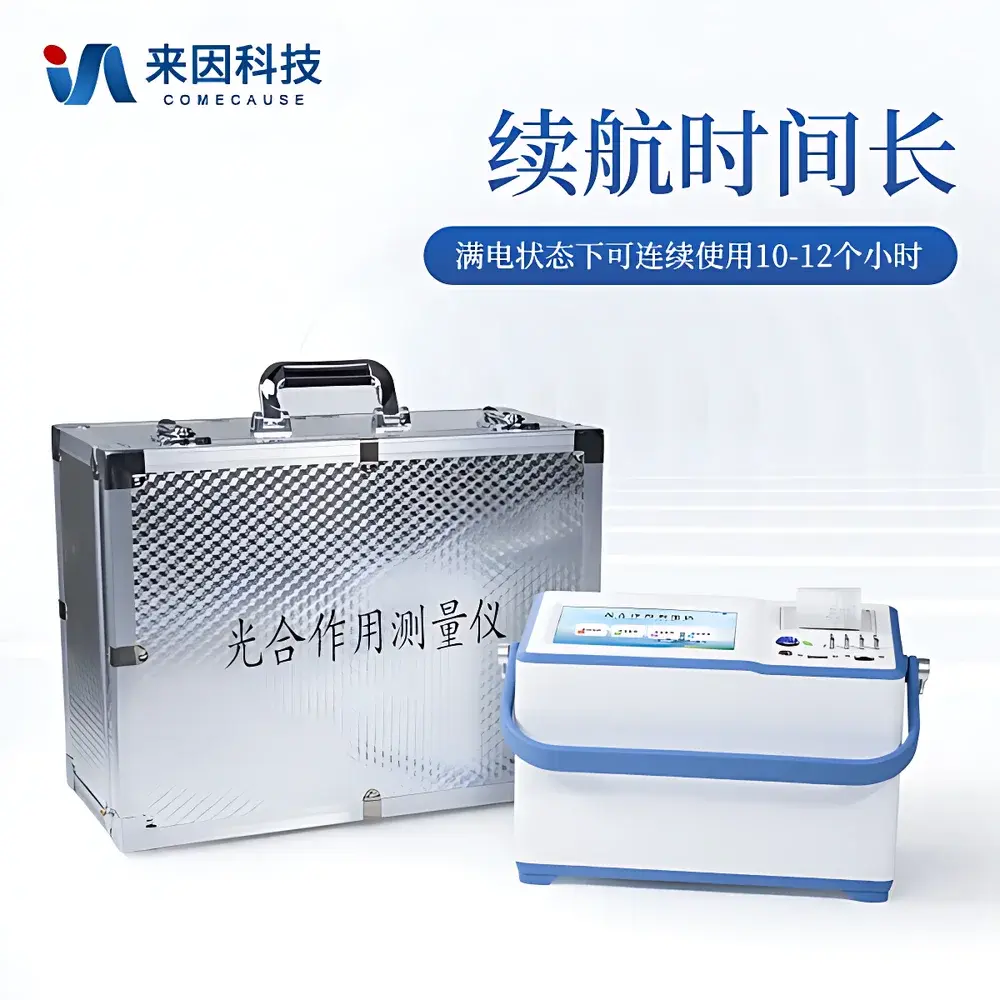
| Battery Life | 10–12 h (Field Use) |
| Data Connectivity | Wi-Fi, Bluetooth, USB, USB-C, U-disk Export |
| Cloud Platform Integration | Yes |
| Leaf Chamber Dimensions | 3.3 × 3.3 cm |
| Core Processor | ARM Cortex-A7 (RK3288, Quad-core, 1.88 GHz) |
| RAM/ROM | 1 GB / 16 GB |
| Weight | 4.0 kg (main unit), 0.7 kg (handheld handle) |
| Dimensions (H×W×D) | 325 × 160 × 230 mm |
Overview
The COMECAUSE IN-GH2 Portable Photosynthesis Measurement System is a field-deployable, closed-path infrared gas exchange instrument engineered for high-fidelity, real-time quantification of leaf-level photosynthetic and transpirational physiology under controlled or ambient conditions. It operates on the principle of non-dispersive infrared (NDIR) absorption spectroscopy to measure CO₂ concentration differentials across a standardized leaf chamber, enabling calculation of net photosynthetic rate (Pn), stomatal conductance (Gs), transpiration rate (Tr), intercellular CO₂ concentration (Ci), and derived physiological indices including water-use efficiency (WUE), dark respiration (Rd), and transpiration ratio (TR). Designed for rigorous plant physiological research, the system supports simultaneous measurement of 15 biophysical and environmental parameters—including ambient and chamber temperature/humidity, leaf surface temperature, atmospheric pressure, and photosynthetically active radiation (PAR, 400–700 nm)—with integrated temperature-compensated NDIR CO₂ sensing and pressure-corrected gas flow algorithms to ensure measurement stability across diurnal and climatic gradients.
Key Features
- High-stability dual-wavelength NDIR CO₂ analyzer with active temperature regulation and integrated barometric pressure compensation, minimizing drift under variable thermal and altitudinal conditions
- Android-based embedded operating system with intuitive 7-inch capacitive touchscreen interface; real-time graphical display of Pn, Tr, Gs, Ci, and PAR time-series during measurement
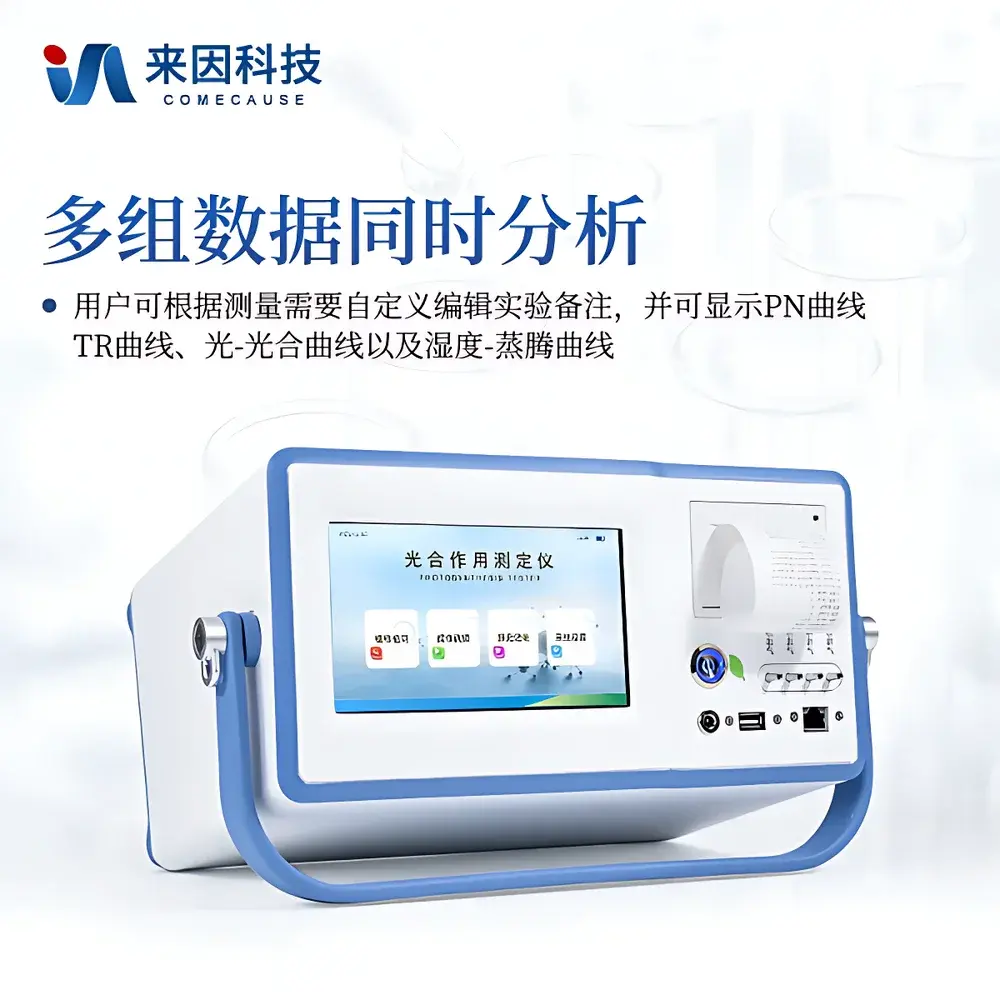
- Configurable experimental protocols: user-defined annotation fields, customizable curve overlays (e.g., light-response curves, humidity–transpiration relationships), and multi-parameter synchronized logging
- Onboard data management: local storage of ≥10,000 measurement records; export via Wi-Fi, Bluetooth 4.2, or plug-and-play USB flash drive (no driver required)
- Cloud-enabled platform integration: secure, encrypted wireless upload of individual or batch datasets for centralized long-term analysis, version-controlled metadata tagging, and cross-experiment visualization
- Field-optimized ergonomics: modular handheld design (separate main unit + ergonomic handle), total system weight 10 h continuous operation at 25°C
Sample Compatibility & Compliance
The IN-GH2 accommodates broad leaf morphotypes—including dicotyledonous broadleaf, monocot grasses, conifer needles, and succulent tissues—via its standard 3.3 × 3.3 cm rectangular leaf chamber with adjustable gasket seal and uniform LED illumination (optional PAR source). All optical and thermal sensors are calibrated traceably to NIST-traceable standards, and measurement protocols align with internationally accepted methodologies outlined in ASTM E2912-13 (Standard Guide for In Situ Photosynthesis Measurements) and ISO 11737-1 (Biological evaluation of medical devices — Microbiological methods). Data integrity features include timestamped audit trails, operator ID tagging, and automatic calibration verification logs—supporting GLP-compliant documentation workflows and alignment with FDA 21 CFR Part 11 requirements for electronic records in regulated research environments.
Software & Data Management
The embedded software suite provides native support for real-time parameter visualization, dynamic curve fitting (e.g., Farquhar-von Caemmerer-Berry model initialization), and post-acquisition comparative analysis. Exported datasets conform to CSV and HDF5 formats with column headers compliant with FAIR (Findable, Accessible, Interoperable, Reusable) data principles. The cloud platform offers RESTful API access for integration with institutional LIMS or R/Python-based analytical pipelines. Audit logs record all configuration changes, calibration events, and user-initiated data exports—enabling full traceability from raw signal acquisition through derived physiological calculations.
Applications
- Plant stress physiology: quantifying drought, heat, salinity, and heavy metal impacts on carbon assimilation kinetics and stomatal regulation
- Crop improvement programs: screening germplasm for enhanced WUE, photosynthetic capacity, and resilience under elevated [CO₂] or fluctuating PAR regimes
- Ecosystem ecology: in situ monitoring of canopy-level gas exchange dynamics across gradients of light, moisture, and nutrient availability
- Controlled-environment agriculture: optimization of greenhouse climate setpoints and LED lighting spectra based on real-time photosynthetic response surfaces
- Academic teaching labs: hands-on instruction in plant ecophysiology, bioenergetics, and environmental sensor integration
FAQ
What CO₂ measurement technology does the IN-GH2 employ?
It uses a temperature-stabilized, dual-wavelength non-dispersive infrared (NDIR) analyzer with built-in pressure correction and zero-span validation routines.
Can the system operate without cloud connectivity?
Yes—full standalone functionality is supported; cloud upload is optional and configurable per dataset.
Is the leaf chamber compatible with thick or irregularly shaped leaves?
The standard chamber accepts leaves up to 3 mm thick; custom gaskets and extended-depth chambers are available upon request.
How is PAR measured, and what is its spectral response?
A cosine-corrected silicon photodiode with optical bandpass filtering (400–700 nm) provides PAR measurements traceable to NIST SRM 2253, with ±5 µmol·m⁻²·s⁻¹ accuracy.
Does the system meet regulatory requirements for GLP or GMP studies?
Yes—the embedded audit trail, electronic signature support, and calibration documentation framework comply with core elements of OECD GLP Principles and FDA 21 CFR Part 11 for electronic records and signatures.



