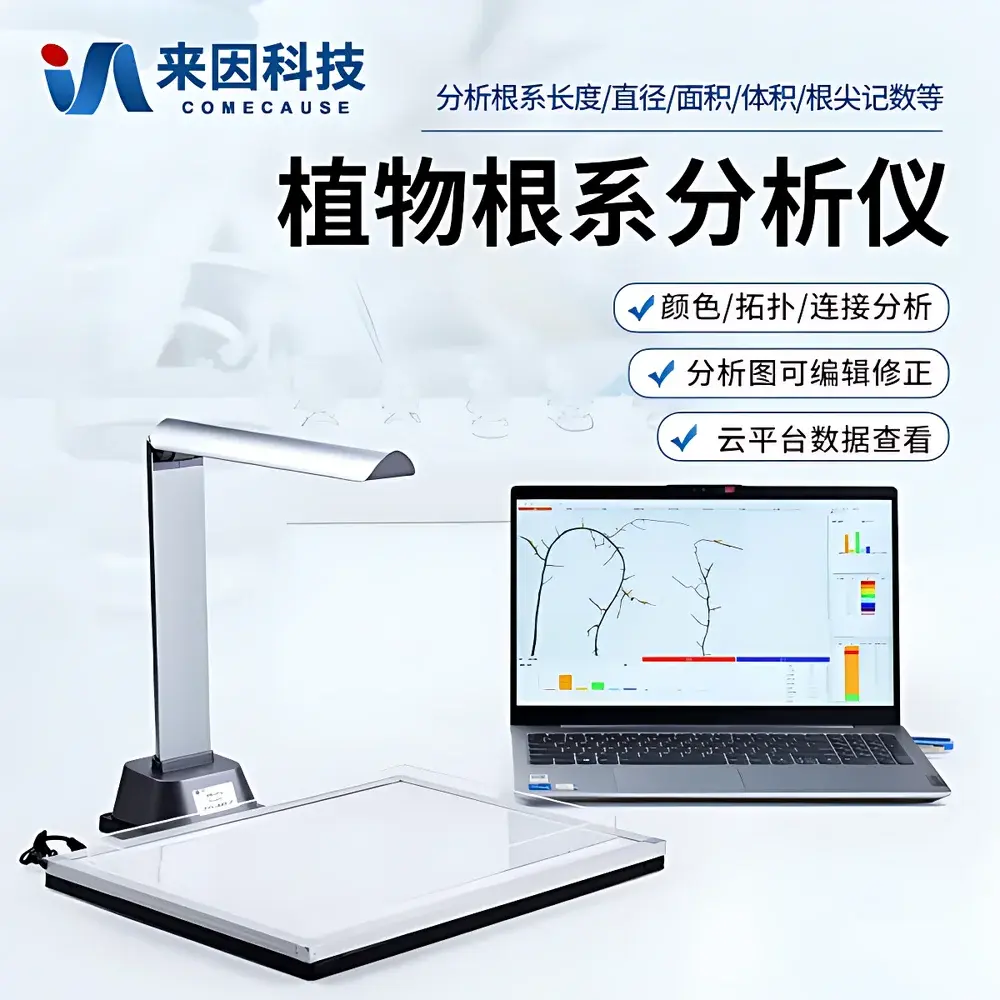
COMECAUSE IN-GX01 Root System Analyzer
| Brand | COMECAUSE |
|---|---|
| Model | IN-GX01 |
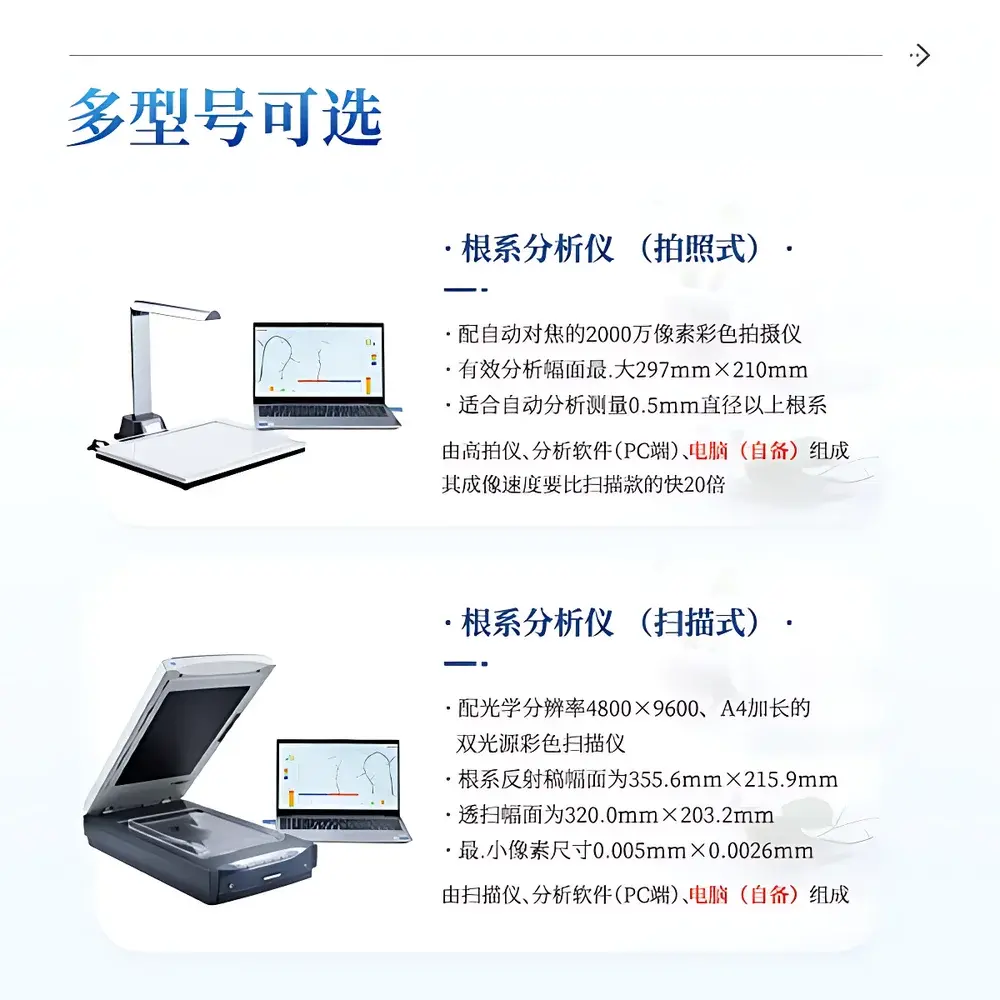
| Imaging Sensor | 20 MP color CMOS with auto-focus |
| Maximum Analysis Area | 297 mm × 210 mm |
| Minimum Detectable Root Diameter | ≥ 0.5 mm |
| Output Formats | CSV, XLSX, PNG, TIFF, PDF |
| Software Platform | Windows 10 Professional/Enterprise (64-bit) |
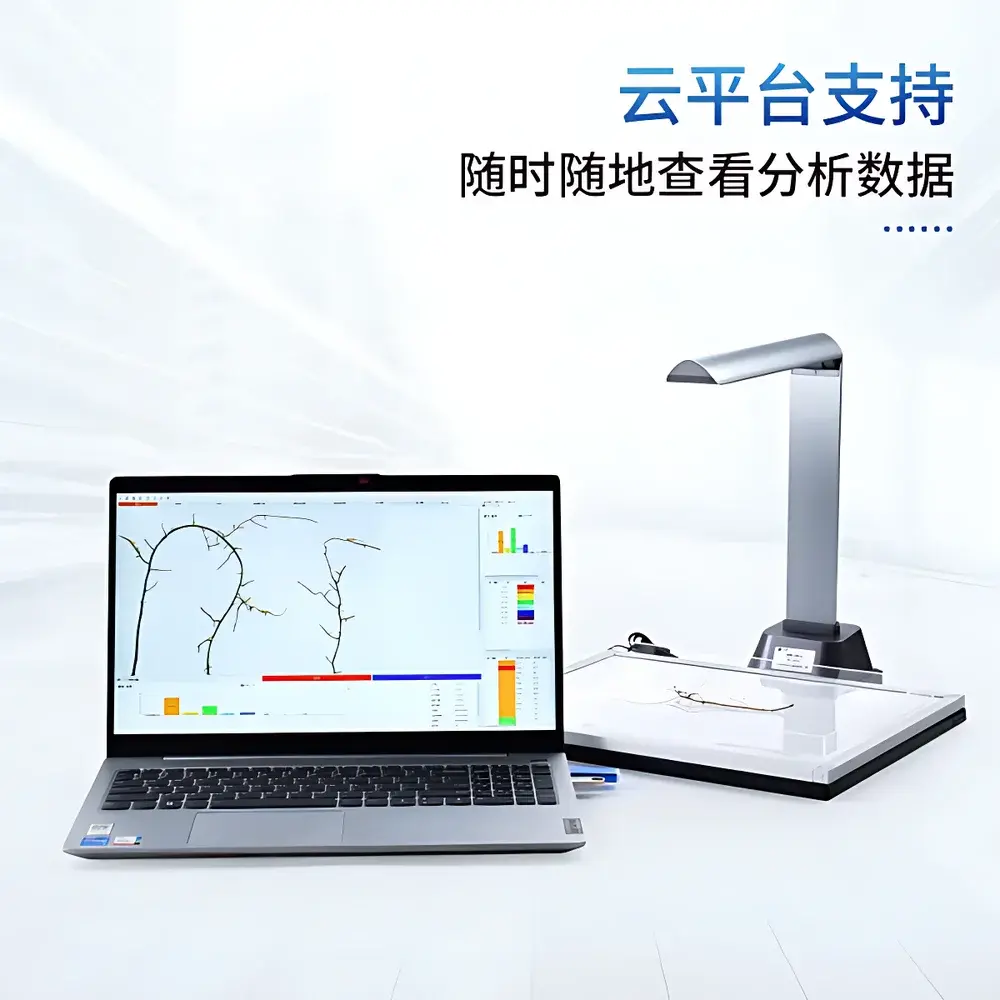
| Cloud Integration | HTTPS-secured web-based data repository with role-based access |
| Language Support | English & Chinese (UI toggle) |
| Compliance | GLP-aligned metadata logging, audit trail enabled in software v3.2+ |
Overview
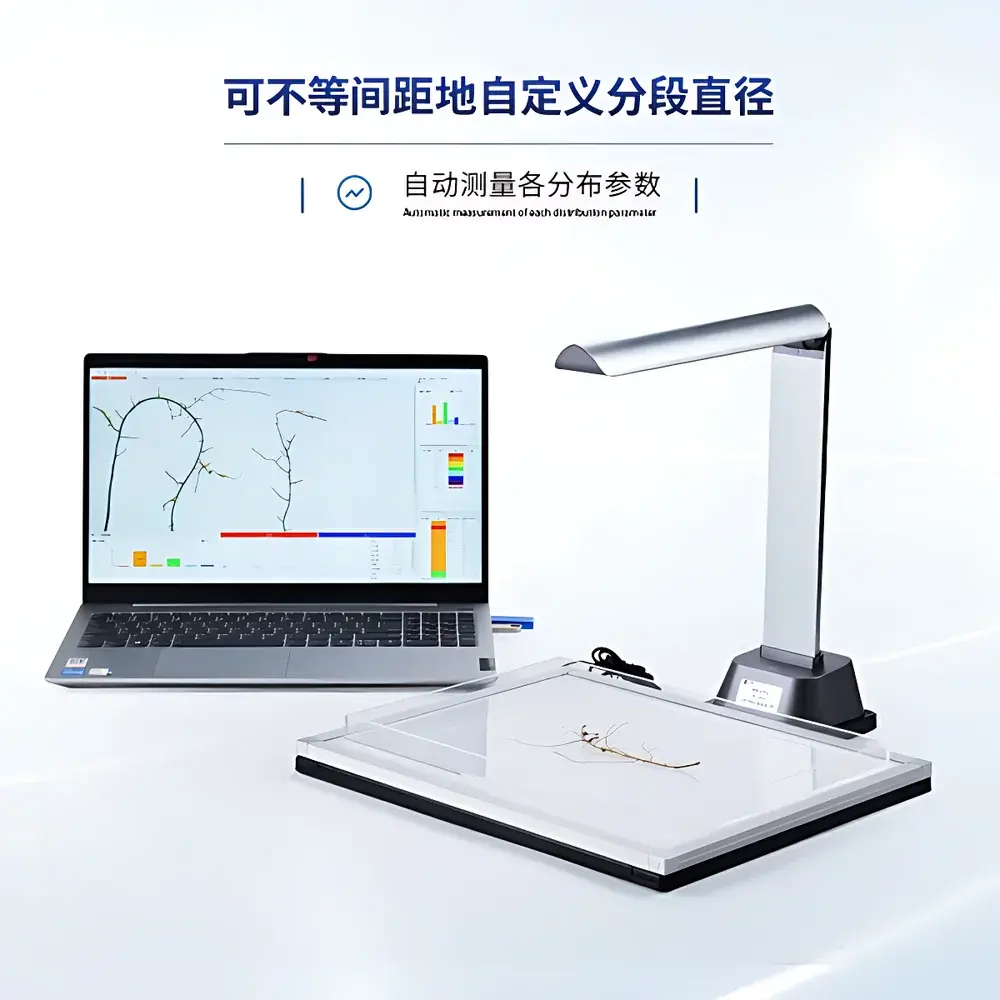
The COMECAUSE IN-GX01 Root System Analyzer is a high-throughput, image-based phenotyping instrument engineered for quantitative root architecture analysis in plant physiology and ecological research. It operates on the principle of high-resolution digital macro-imaging combined with pixel-level morphometric segmentation and topological graph reconstruction. Unlike contact-based scanning systems, the IN-GX01 employs a vertically oriented, motorized high-speed imaging module that captures washed root samples placed on translucent backlighting trays—enabling non-destructive, rapid acquisition (up to 20× faster than flatbed scanners) without mechanical compression or positional distortion. The system is calibrated for reproducible measurement of root traits defined by the Plant Phenomics Consortium and aligned with FAO/IAEA guidelines for root trait standardization. Designed for laboratory-based root phenotyping workflows, it supports both static ex situ analysis of excavated roots and longitudinal monitoring of hydroponic or gel-based growth systems when paired with compatible root imaging chambers.
Key Features
- 20-megapixel auto-focusing color imaging module with uniform LED backlighting and anti-glare optical path—optimized for contrast enhancement of fine root structures ≥ 0.5 mm in diameter
- Real-time image preprocessing: adaptive thresholding, noise suppression, and edge-preserving smoothing to minimize false positives in root–soil residue discrimination
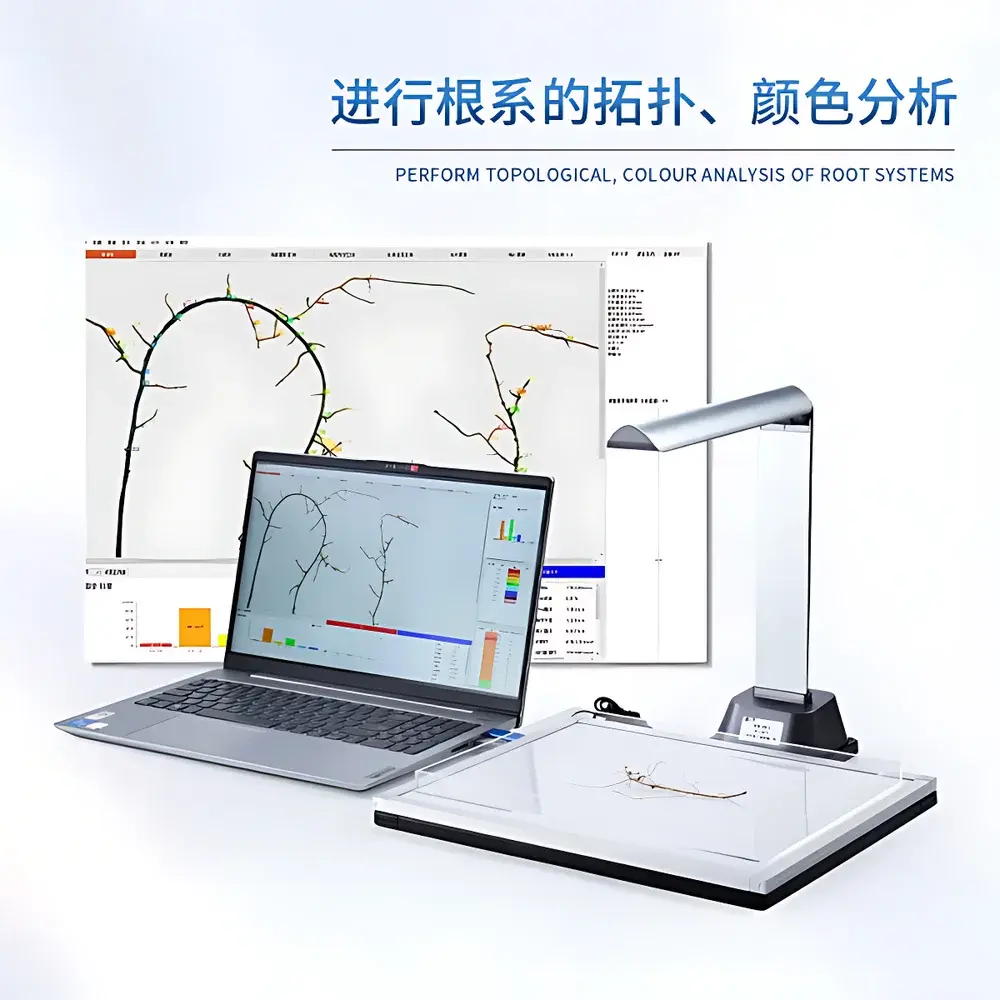
- Comprehensive morphometric engine computing over 20 standardized root architectural parameters—including total length, average and median diameter, surface area, volume, tip count, branching frequency, crossover density, and fractal dimension via box-counting algorithm
- Topological graph parsing: automatic identification of root order, connection nodes, bifurcation angles, and gravitropic angle distribution relative to vertical reference axis
- Customizable diameter-class segmentation: user-defined non-uniform binning (e.g., 0.5–0.8 mm, 0.8–1.5 mm, >1.5 mm) with per-bin quantification of length, projected area, surface area, and volume
- Color-based segmentation module: spectral decomposition (RGB/HSL space) enabling differential quantification of root tissue states—e.g., young white roots vs. senescent brown roots vs. nitrogen-fixing nodules
- Interactive correction suite: non-destructive branch merging, splitting, trimming, and reconnection with full undo/redo stack and versioned annotation history
- Batch processing mode: parallel analysis of up to 96 samples per session with automated file naming, metadata tagging (genotype, treatment, date, operator), and consolidated Excel export
Sample Compatibility & Compliance
The IN-GX01 accepts excised root systems from herbaceous and woody species—including Arabidopsis, maize, rice, wheat, soybean, and Medicago—provided roots are thoroughly rinsed free of soil or agar matrix and laid flat on the imaging tray. It accommodates root systems up to A4 format (210 × 297 mm) with optimal resolution at ≤ 15 cm maximum span. All software-generated reports include embedded timestamps, operator ID, instrument serial number, calibration verification status, and version-controlled analysis settings—fulfilling core requirements of Good Laboratory Practice (GLP) documentation. Data export modules comply with ISO/IEC 17025 traceability frameworks; cloud-synced datasets retain SHA-256 checksums and support time-stamped audit logs per FDA 21 CFR Part 11 Annex 11 principles.
Software & Data Management
The IN-GX01 runs on proprietary RootMetrics™ Analysis Suite (v3.2+), a Windows-native application supporting multi-threaded CPU utilization and GPU-accelerated image rendering. The software enforces structured project hierarchies with configurable metadata templates (e.g., experimental design, replication level, growth condition tags). All analytical outputs—including annotated TIFF overlays, diameter distribution histograms, fractal dimension plots, and gravitropic angle rose diagrams—are exportable in publication-ready formats. Local storage follows hierarchical folder conventions compliant with MIAPPE (Minimum Information About a Plant Phenotyping Experiment) standards. Optional cloud deployment provides TLS 1.3-encrypted synchronization to a FIPS 140-2 validated server infrastructure, enabling cross-site collaboration, remote QC review, and long-term archival with WORM (Write Once, Read Many) policy enforcement.
Applications
- Genetic mapping of root architecture QTLs under controlled nutrient or drought stress regimes
- Evaluation of mycorrhizal colonization efficiency via root surface area–colonization ratio modeling
- Phenotypic screening of rhizobia-inoculated legumes for nodule number, size distribution, and spatial positioning along primary root axes
- Validation of CRISPR-edited root hair density and lateral root emergence patterns
- Soil–root interaction studies using transparent growth media (e.g., gellan gum, aeroponic mist chambers)
- Longitudinal root development tracking across developmental stages (VE to R8) with temporal alignment of morphometric trajectories
- Calibration benchmarking for field-based proximal sensing tools (e.g., minirhizotrons, ground-penetrating radar)
FAQ
What computer specifications are required to run the IN-GX01 software?
A Windows 10 Professional or Enterprise (64-bit) system with Intel Core i5-9th generation or newer, ≥16 GB RAM, ≥256 GB SSD, dedicated GPU (NVIDIA GTX 1050 or equivalent), and ≥4 USB 2.0 ports is mandatory. Integrated graphics are not supported for real-time preview rendering.
Does the system support live root imaging in soil or hydroponic setups?
No—the IN-GX01 is designed for ex situ analysis of cleaned root systems. For in situ monitoring, we recommend pairing it with compatible minirhizotron-compatible growth columns or transparent agar plates.
Can analysis results be integrated into LIMS or ELN platforms?
Yes—RootMetrics™ supports configurable CSV/XLSX export with column headers mapped to ISA-Tab ontology terms; API endpoints for RESTful ingestion are available under enterprise licensing.
Is validation documentation provided for regulatory submissions?
Yes—Instrument qualification documents (IQ/OQ/PQ templates), software validation protocols (including boundary testing and failure mode analysis), and raw image + metadata archiving SOPs are included in the Regulatory Support Package.
How is cloud data security ensured?
All cloud transfers use AES-256 encryption in transit and at rest; user roles are governed by RBAC (Role-Based Access Control); data residency options include EU (Frankfurt) and US (Virginia) regions with GDPR and HIPAA-compliant hosting certifications.
Related Products