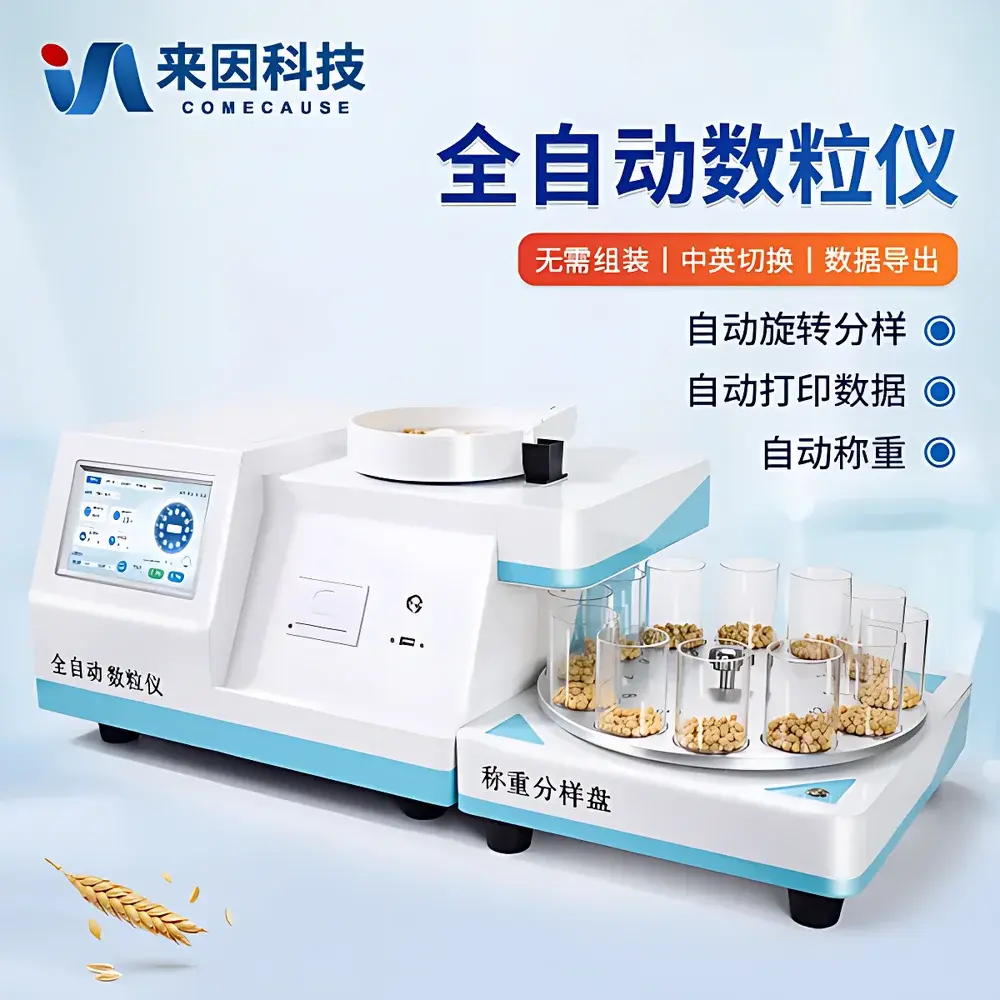

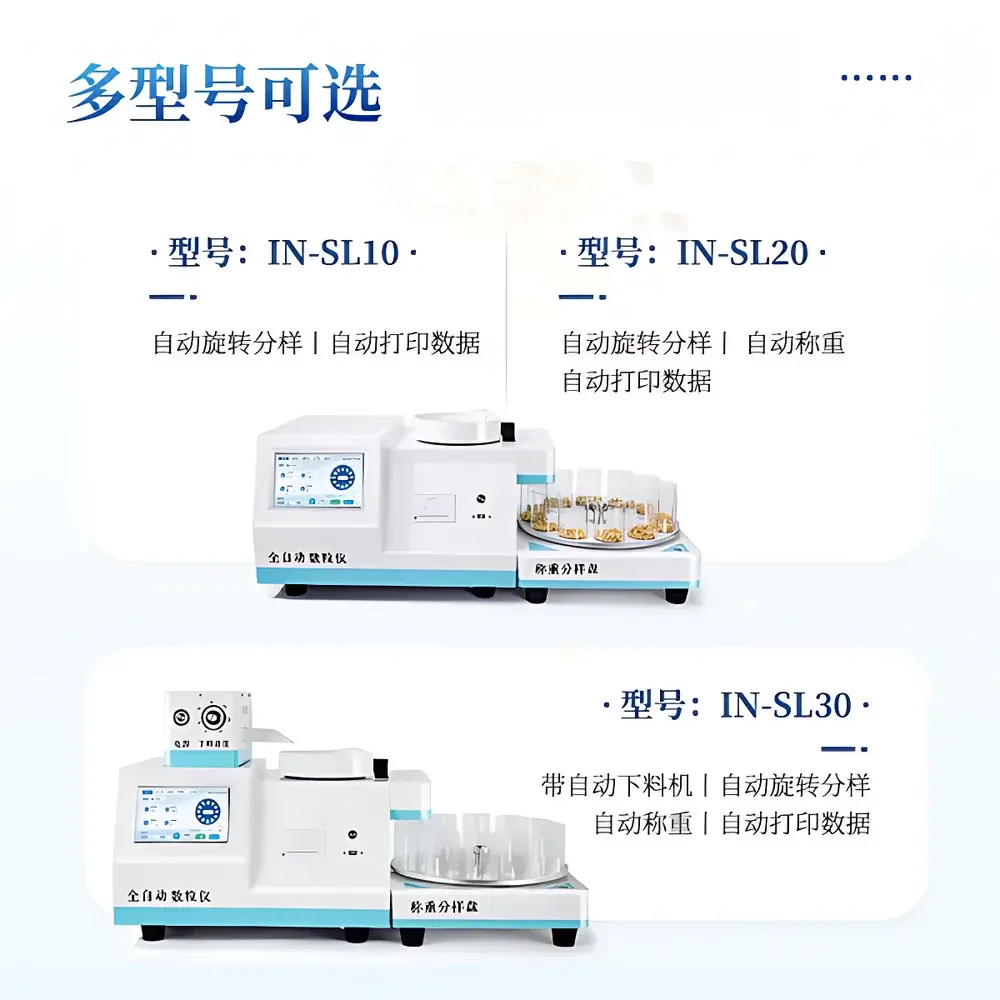
COMECAUSE IN-SL20 Intelligent Multifunctional Seed Counter
| Brand | COMECAUSE |
|---|---|
| Origin | Shandong, China |
| Manufacturer Type | Direct Manufacturer |
| Country of Origin | China |
| Model | IN-SL20 |
| Instrument Category | Sample-Dividing Seed Counter |
| Application Scope | Corn, rice, wheat, soybean, sesame, vegetable seeds, micro-components, pearls, pharmaceutical tablets |
| Counting Accuracy | ±2‰ |
| Throughput | 1,000–2,000 seeds/min |
| Seed Length Range | 0.5–23 mm |
| Sample Capacity per Vial | 1–9999 seeds |
| Preset Stop Range | 1–9999 (0000 = continuous mode) |
| Counting Disc Speed | 0–99 (adjustable) |
| Sensitivity Adjustment | 0–10 (user-defined) |
| Vial Quantity | 12 pcs |
| Vial Dimensions | Ø60 × 80 mm (H) |
| Main Unit Dimensions & Weight | 580(W) × 390(D) × 336(H) mm, 24 kg |
| Receiving Unit Dimensions & Weight | 360(W) × 390(D) × 197(H) mm, 12 kg |
| Continuous Operation Time | ≥8 h |
| Noise Level | ≤80 dB(A) |
| Operating Environment | –10°C to +50°C |
| Power Supply | AC 220 V, 50 Hz (optional export voltages: 100/110/200/240 V, 50/60 Hz) |
| Data Storage | Local history with timestamped records (variety name, count, weight, 1,000-seed weight, duration, test time) |
| Data Export | USB flash drive |
| Display | 7-inch color touchscreen (optional 10.1-inch upgrade) |
| UI Language | Switchable Chinese/English |
Overview
The COMECAUSE IN-SL20 Intelligent Multifunctional Seed Counter is an image-based, high-throughput seed counting and phenotypic analysis system engineered for precision agriculture laboratories, seed certification agencies, breeding programs, and quality control facilities. It operates on the principle of high-resolution digital imaging combined with adaptive computer vision algorithms to perform non-destructive, real-time detection, segmentation, and morphometric analysis of individual seeds within a moving stream. Unlike traditional mechanical or manual counters, the IN-SL20 captures full-field grayscale and color images of each seed as it passes across a rotating disc under controlled vibration and illumination. This enables simultaneous quantification (count), dimensional measurement (length, width, major/minor axis, projected area, perimeter), and optical classification (color deviation, surface defect, mold presence) — all in a single pass. Its architecture supports both batch counting and sample-dividing workflows, making it suitable for routine QC testing, germination assay preparation, thousand-kernel weight (TKW) determination, and high-resolution seed phenotyping.
Key Features
- Integrated high-sensitivity CMOS imaging module with adjustable LED backlighting and coaxial illumination for consistent contrast across diverse seed types (e.g., glossy maize kernels vs. matte sesame seeds)
- Programmable multi-stage vibration control: coarse feed → fine positioning → decelerated final counting phase to minimize inertial overshoot and ensure ±2‰ counting accuracy
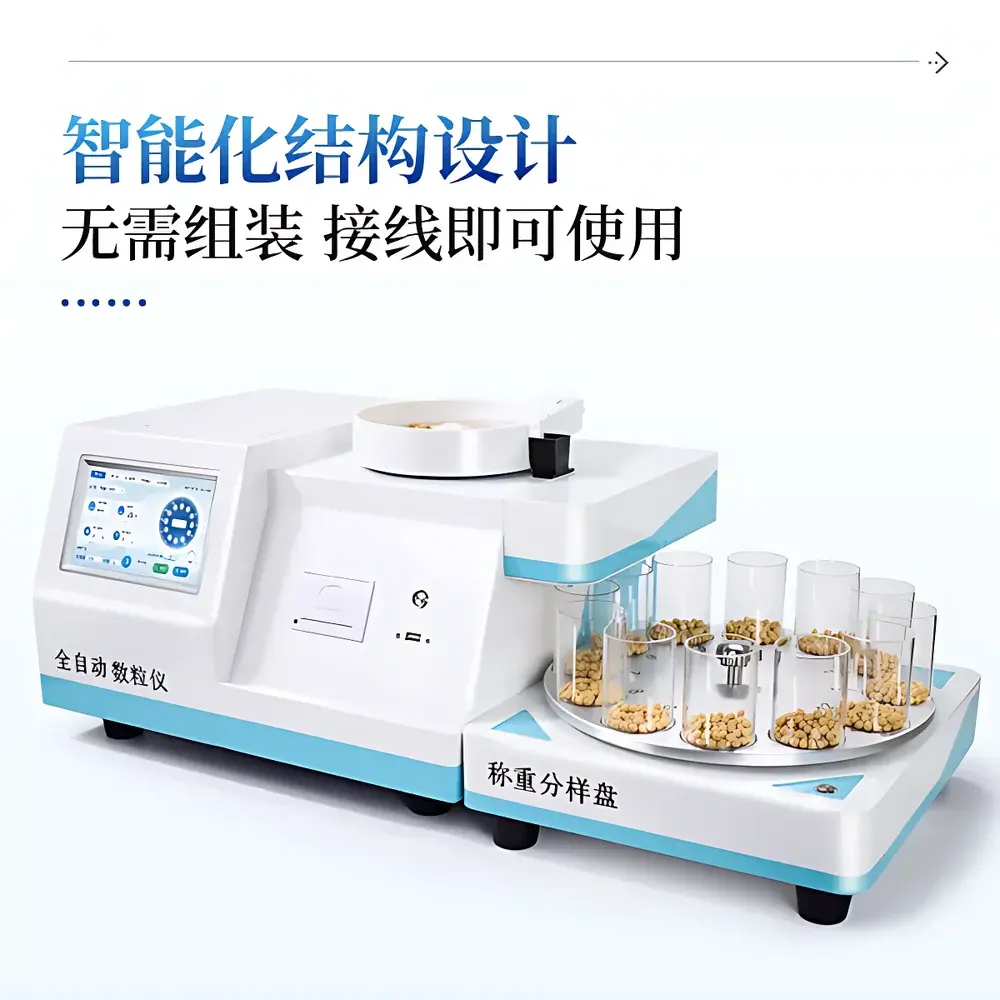
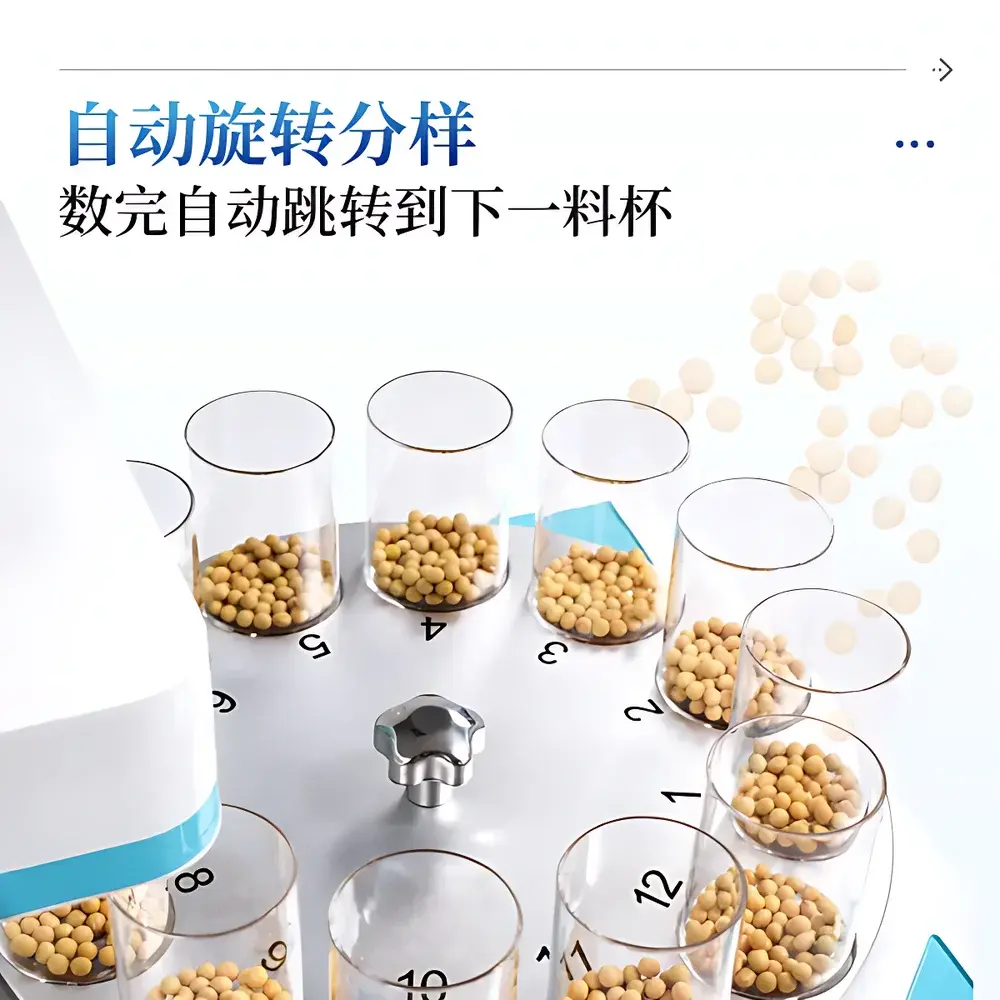
- 12-position rotating vial carousel with auto-indexing and real-time status feedback; supports both equal-division and user-defined distribution modes
- Built-in precision load cell (0.01 g resolution) enabling automatic TKW calculation without external balance integration
- 7-inch capacitive touchscreen interface with dual-language support (English/Chinese), customizable workflow templates, and intuitive parameter mapping (vibration speed, sensitivity threshold, disc RPM)
- Onboard thermal label printer producing adhesive tags containing variety ID, count, weight, TKW, date/time stamp, and operator ID — compliant with ISO 7218 and GLP traceability requirements
- Local data storage with timestamped records including raw image thumbnails, statistical summaries (mean, SD, CV%), and outlier logs for audit-ready reporting
- USB-based data export in CSV and PDF formats; compatible with LIMS integration via standardized metadata tagging (e.g., “IN-SL20_v2.1_20240521_1432_Corn_BatchA”)
- Modular firmware architecture allowing field-upgradable analysis models — e.g., adding new seed-type classifiers (e.g., Brassica spp. or orchid seeds) via validated algorithm packs
Sample Compatibility & Compliance
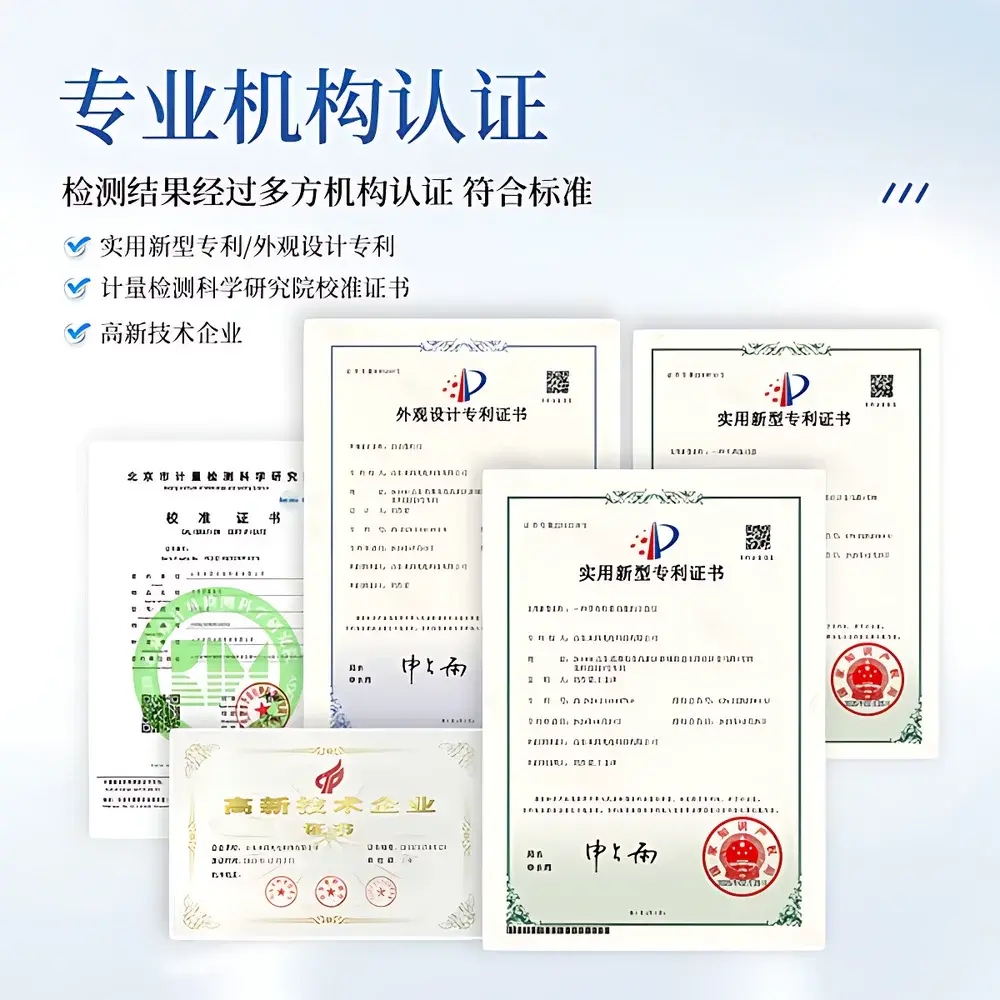
The IN-SL20 accommodates seeds ranging from 0.5 mm (tobacco, lettuce) to 23 mm (pumpkin, castor bean), including irregularly shaped specimens such as barley awns, cotton lint fragments, or coated pelleted seeds. Its optical discrimination engine supports configurable color-space thresholds (HSV/Lab) and shape descriptors (circularity, aspect ratio, solidity), enabling reliable rejection of chaff, broken grains, and discolored or mold-damaged units per ISTA Rule 5 and OECD Seed Sowing Value standards. The system meets electromagnetic compatibility (EMC) requirements per IEC 61326-1 and safety compliance per IEC 61010-1. All software operations generate immutable audit trails meeting FDA 21 CFR Part 11 criteria for electronic records and signatures when configured with password-protected user roles and session logging.
Software & Data Management
Firmware v3.2 includes embedded analytical modules for population-level statistics: coefficient of variation (CV%) for size uniformity, frequency histograms for length/width distributions, and scatter plots correlating color indices with measured dimensions. Data files are stored with SHA-256 checksums and include EXIF-style metadata (exposure time, gain, lens focus status). Users may define custom pass/fail criteria (e.g., “reject seeds >2 SD above mean length”) and trigger automated sorting flags. Historical datasets are searchable by date range, variety name, or operator ID, with pagination and export filtering. Optional cloud sync (via secure TLS 1.3) enables centralized fleet monitoring and inter-laboratory benchmarking — supporting FAO’s Global Seed Assessment Framework data harmonization protocols.
Applications
- Seed Certification & Regulatory Testing: Rapid verification of labeled counts per ISTA Handbook Chapter 5, supporting official variety release documentation and phytosanitary certificate generation
- Breeding Program Support: High-throughput screening of F₂/F₃ progeny populations; quantitative trait locus (QTL) mapping using seed morphology as proxy phenotype
- Processing Line QA: In-line validation of packaging fill weights and count consistency across shifts; root-cause analysis of variability using longitudinal CV% trends
- Precision Agriculture Input Calibration: Generating seed-size distribution profiles used to configure pneumatic planter metering systems for optimal singulation and depth control
- Pharmaceutical & Microcomponent Counting: Validated for tablet, capsule, and microbead enumeration under USP <905> uniformity of dosage units guidelines
FAQ
What regulatory standards does the IN-SL20 comply with for seed testing?
The instrument conforms to ISO 565, ISO 2795, ISTA Rules (2024 edition), and OECD Seed Sowing Value Test Guidelines. Its data integrity features satisfy GLP and GMP documentation requirements.
Can the system differentiate between viable and non-viable seeds?
While not a germination substitute, the IN-SL20 identifies morphological indicators strongly correlated with viability — including surface discoloration, shriveling, and abnormal shape — enabling pre-screening prior to lab germination assays.
Is remote firmware update supported?
Yes. Firmware updates are delivered via encrypted USB stick or authenticated HTTPS push; all changes are logged with version hash and timestamp.
How is calibration maintained over time?
The system performs daily self-diagnostic checks on illumination stability, camera focus, and weighing module zero-point drift. A traceable NIST-certified reference seed set is recommended for quarterly performance verification.
Does the IN-SL20 support integration with enterprise LIMS platforms?
Yes. It exports structured CSV and XML files with configurable field mapping; API documentation and HL7/FHIR adapters are available upon request for validated integrations.