COMECAUSE IN-SL20 Modular Automated Seed Counter & Sampler
| Brand | COMECAUSE |
|---|---|
| Model | IN-SL20 |
| Origin | Shandong, China |
| Manufacturer Type | Direct Manufacturer |
| Instrument Category | Sample-Dividing Seed Counter |
| Counting Speed | 1,000–2,000 seeds/min |
| Counting Accuracy | ±2‰ |
| Seed Length Range | 0.5–23 mm |
| Pre-set Count Range | 1–9999 seeds |
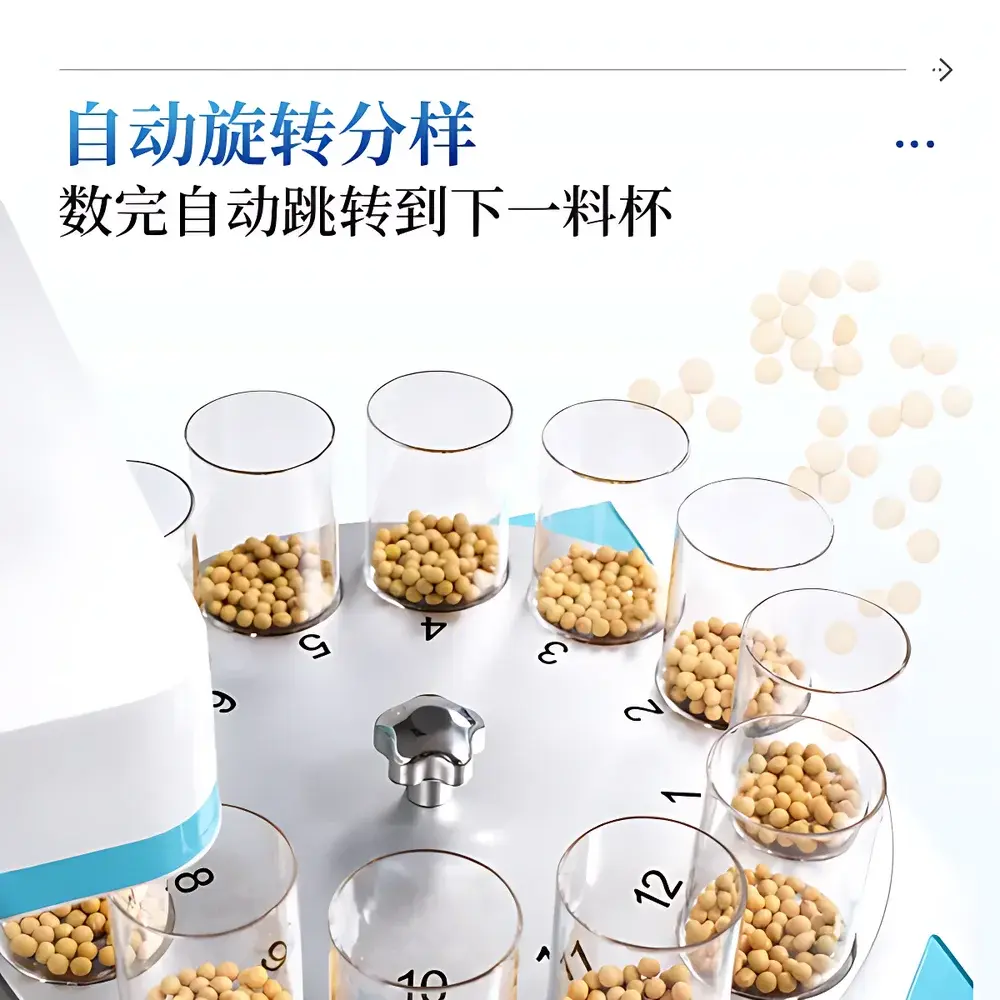
| Sample Cup Capacity | 12 cups (60 × 80 mm H) |
| Counting Disk Speed | 0–99 (adjustable) |
| Sensitivity Adjustment | 0–10 (digital) |
| Data Storage | Local SD/USB |
| Display | 7″ color touchscreen (optional 10.1″) |
| Power Input | AC 220 V, 50 Hz (export variants: 100/110/200/240 V, 50/60 Hz) |
| Operating Temperature | −10 °C to +50 °C |
| Relative Humidity | <85% RH |
| Noise Level | ≤80 dB(A) |
| Continuous Operation Time | ≥8 h |
Overview
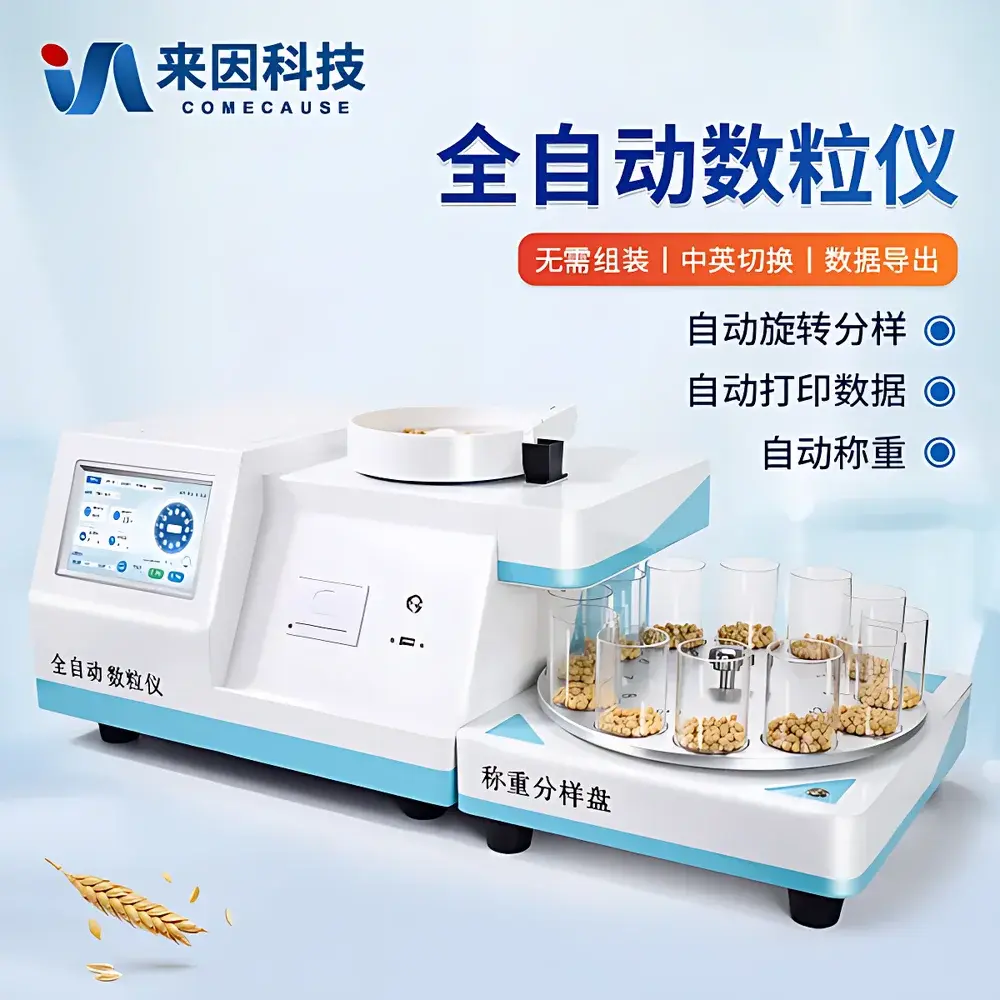
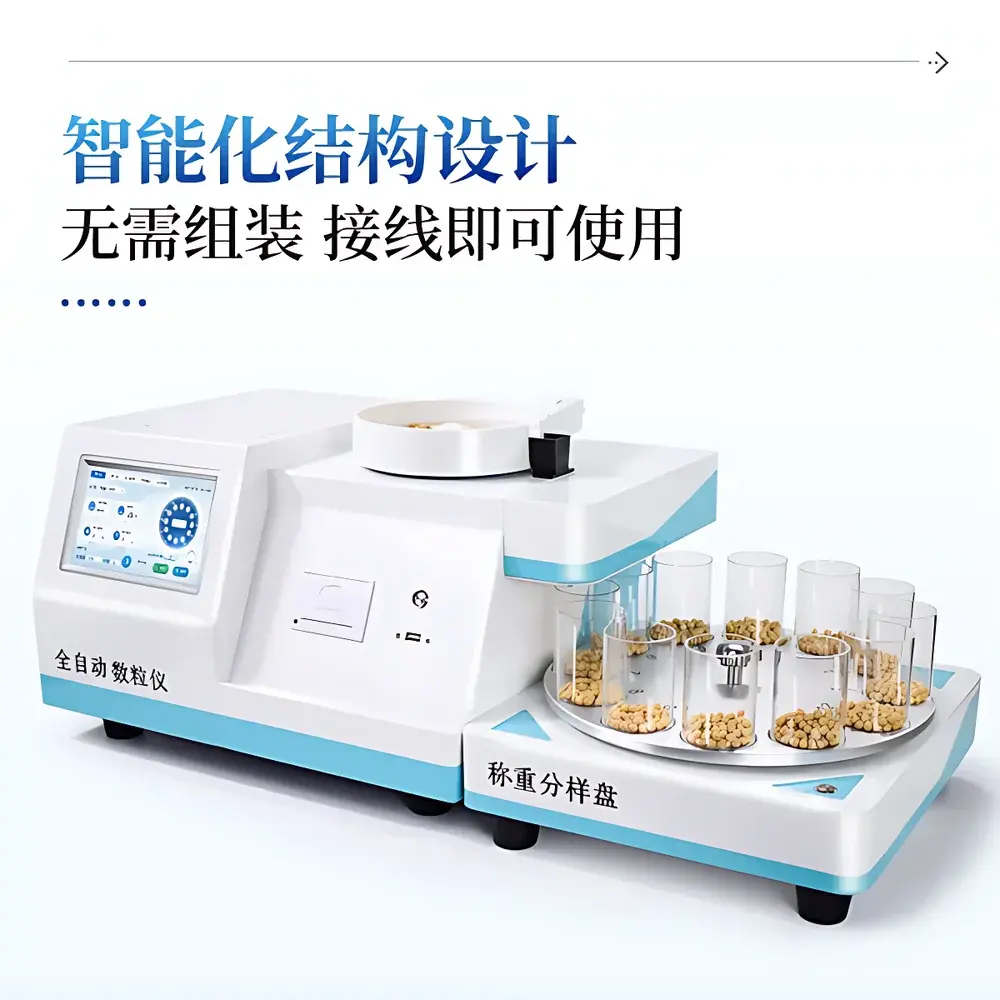
The COMECAUSE IN-SL20 Modular Automated Seed Counter & Sampler is an ISO-aligned, laboratory-grade instrument engineered for high-throughput, traceable seed enumeration and proportional sample division in agricultural research, seed certification, quality control (QC), and regulatory testing environments. It operates on a dual-principle optical–mechanical counting architecture: seeds are fed via vibratory bowl feeder onto a rotating multi-position counting disk, where high-contrast backlight imaging combined with real-time edge-detection algorithms identifies individual particles based on silhouette geometry. Simultaneously, the system integrates gravimetric measurement at each cup station—enabling automatic thousand-seed weight (TSW) calculation per ASTM D5231-22 and ISTA Rules Annex B6. Designed for compliance with GLP and GMP workflows, the IN-SL20 supports audit-ready data integrity through timestamped event logging, operator ID tagging (via optional login module), and full electronic record retention.
Key Features
- Modular hardware architecture: Expandable feed modules, interchangeable counting disks, and swappable cup trays allow adaptation to diverse seed morphologies (e.g., oblong maize kernels vs. spherical sesame seeds) without recalibration.
- Intelligent deceleration protocol: As target count approaches within ±5%, motor speed reduces progressively to minimize inertial overshoot—critical for maintaining ±2‰ accuracy across variable seed densities and aspect ratios.
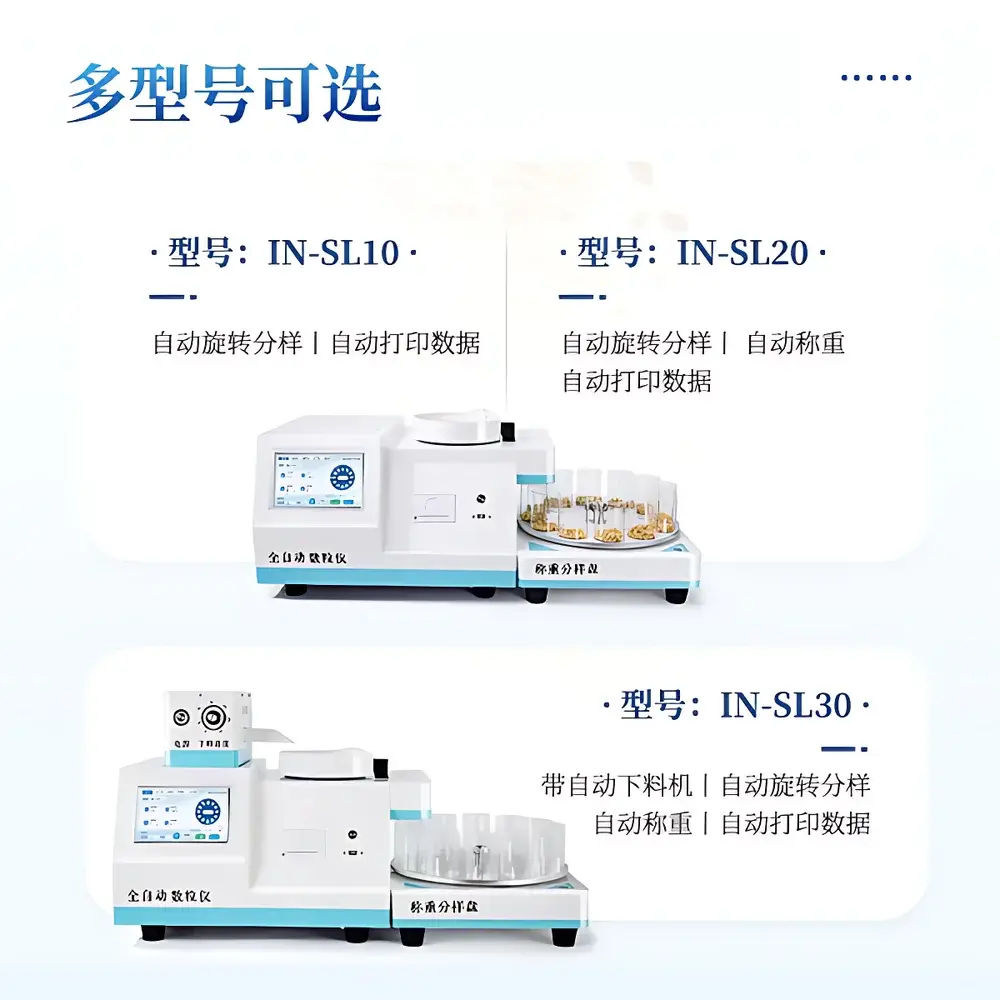
- 12-position rotary cup carousel with auto-indexing: Enables uninterrupted sequential filling while operators handle packaging or verification—eliminating idle time between batches.
- Built-in precision load cell (0.01 g resolution): Measures mass immediately after counting completion at each cup; calculates TSW in real time using standardized formulae per ISO 6558-1.
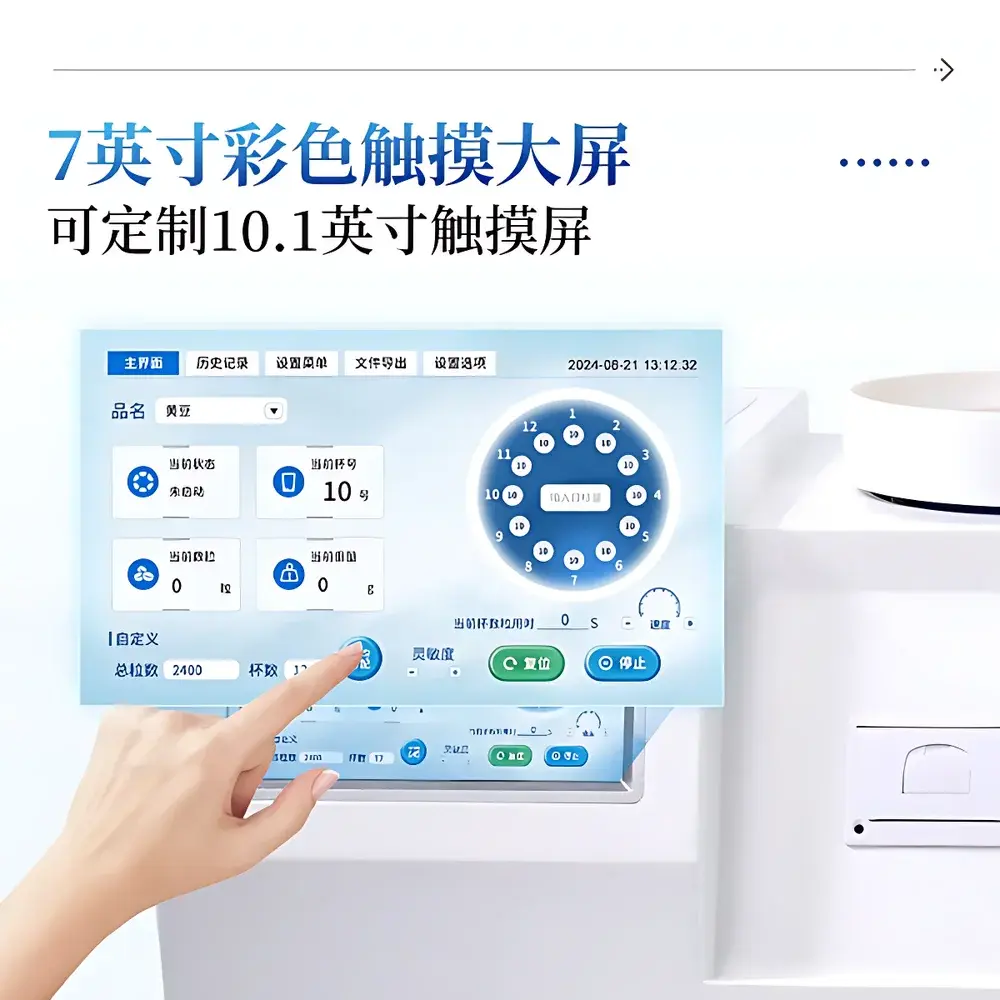
- 7″ capacitive touchscreen interface (optional 10.1″): Supports bilingual UI (English/Chinese), customizable workflow presets, and context-sensitive help overlays for rapid SOP deployment.
- Onboard thermal label printer: Generates compliant, peel-and-stick labels containing variety name, count, mass, TSW, operator ID, date/time stamp, and batch ID—formatted to meet national seed labeling regulations (e.g., USDA AMS, EU Regulation (EU) No 2016/2031).
- Full data traceability: All operations—including pause/resume events, sensitivity adjustments, cup-level timestamps, and error codes—are logged chronologically with SHA-256 hashed integrity verification.
Sample Compatibility & Compliance
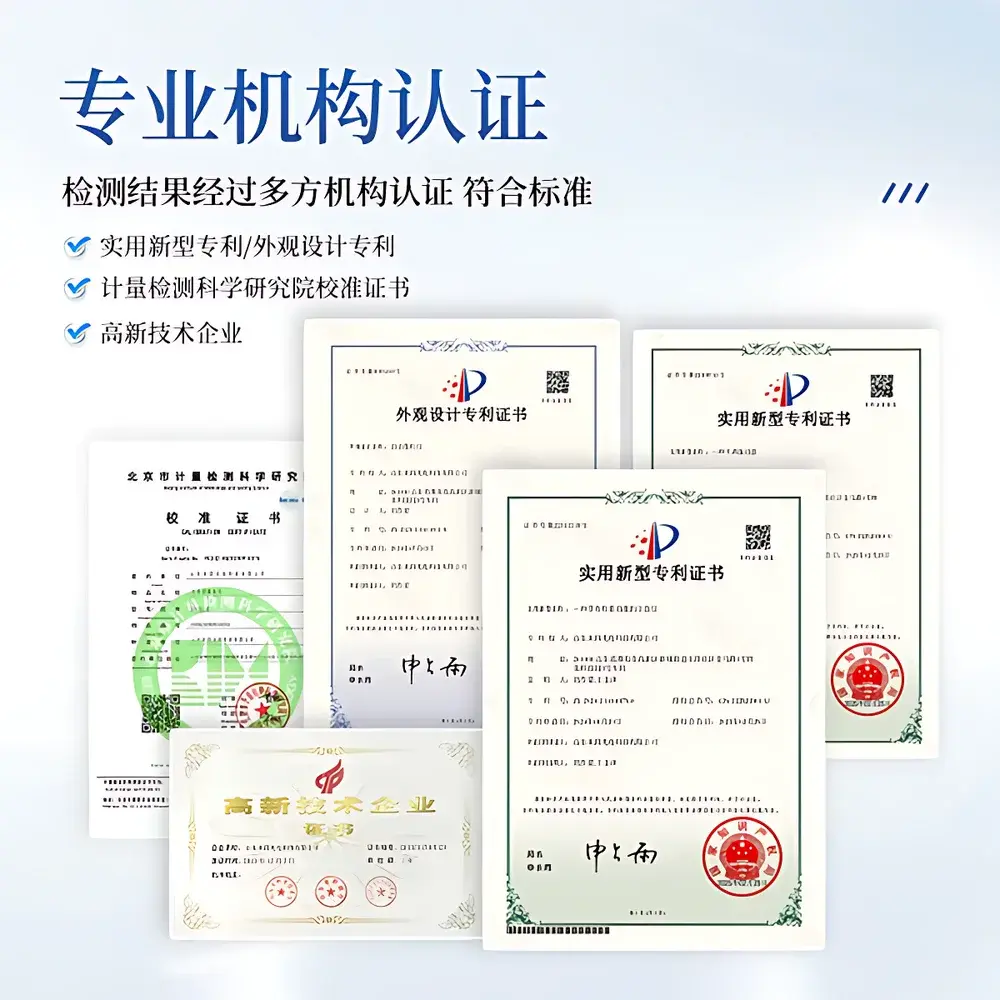
The IN-SL20 accommodates seeds and granular solids ranging from 0.5 mm (e.g., lettuce, poppy) to 23 mm (e.g., large maize hybrids, pumpkin seeds), including irregular shapes such as kidney beans and angular brassica varieties. Its adjustable vibration amplitude, disk rotational inertia, and digital optical sensitivity (0–10 scale) ensure consistent performance across species with differing surface reflectivity and translucency. The system meets mechanical safety requirements per IEC 61000-6-2/6-4 and carries CE marking for EMC and LVD conformity. For regulated laboratories, firmware supports 21 CFR Part 11-compliant electronic signatures and audit trail export (CSV/XML) with immutable metadata—validated for use in ISTA-accredited labs, FAO seed health programs, and national phytosanitary authorities.
Software & Data Management
Firmware v3.2 includes embedded database management with local storage (≥10,000 test records) and USB 2.0 mass-storage mode for one-click export. Each record contains: variety code, total count per cup, cumulative mass, calculated TSW, count duration, environmental ambient temperature/humidity (via optional sensor input), operator ID, and QC pass/fail flag. Exported files include MD5 checksums and retain hierarchical folder structure matching test date → variety → batch. Optional cloud sync (via secure TLS 1.3 API) enables centralized lab information management system (LIMS) integration. Software updates are delivered via signed firmware packages verified by RSA-2048 signature.
Applications
- Seed certification labs performing purity analysis (ISTA Rule 5.3.1) and germination sample preparation.
- Plant breeding stations quantifying progeny populations for phenotypic screening trials.
- QC departments in commercial seed processors validating bag-fill consistency per ISO 5600-2.
- Agricultural extension services conducting field trial replication setup with statistically balanced sub-sampling.
- Pharmaceutical excipient manufacturers counting micro-tablets or coated pellets under USP <725> guidance.
- Research institutes studying seed dormancy dynamics requiring precise cohort sizing for stratification experiments.
FAQ
Does the IN-SL20 require calibration against reference standards before first use?
Yes. Initial calibration must be performed using NIST-traceable seed reference sets (e.g., certified maize or wheat standards) per manufacturer’s Calibration Protocol CP-IN-SL20 Rev. 2. Annual recalibration is recommended.
Can the system interface with third-party LIMS or ERP platforms?
Yes—via configurable RESTful API endpoints supporting JSON payloads; documentation and sandbox access provided under NDA.
Is the built-in weighing module certified for legal metrology (e.g., OIML R76)?
No. It is intended for internal process control and TSW estimation only—not for trade-scale weighing. External Class II balances are required for statutory reporting.
What maintenance intervals are specified for long-term reliability?
Vibratory feeder alignment check every 500 operating hours; optical lens cleaning weekly; disk bearing lubrication every 2,000 hours; full firmware validation annually.
How is data security enforced during USB export?
Export files are encrypted using AES-128 with device-specific key binding; decryption requires authorized COMECAUSE software client with valid license token.