
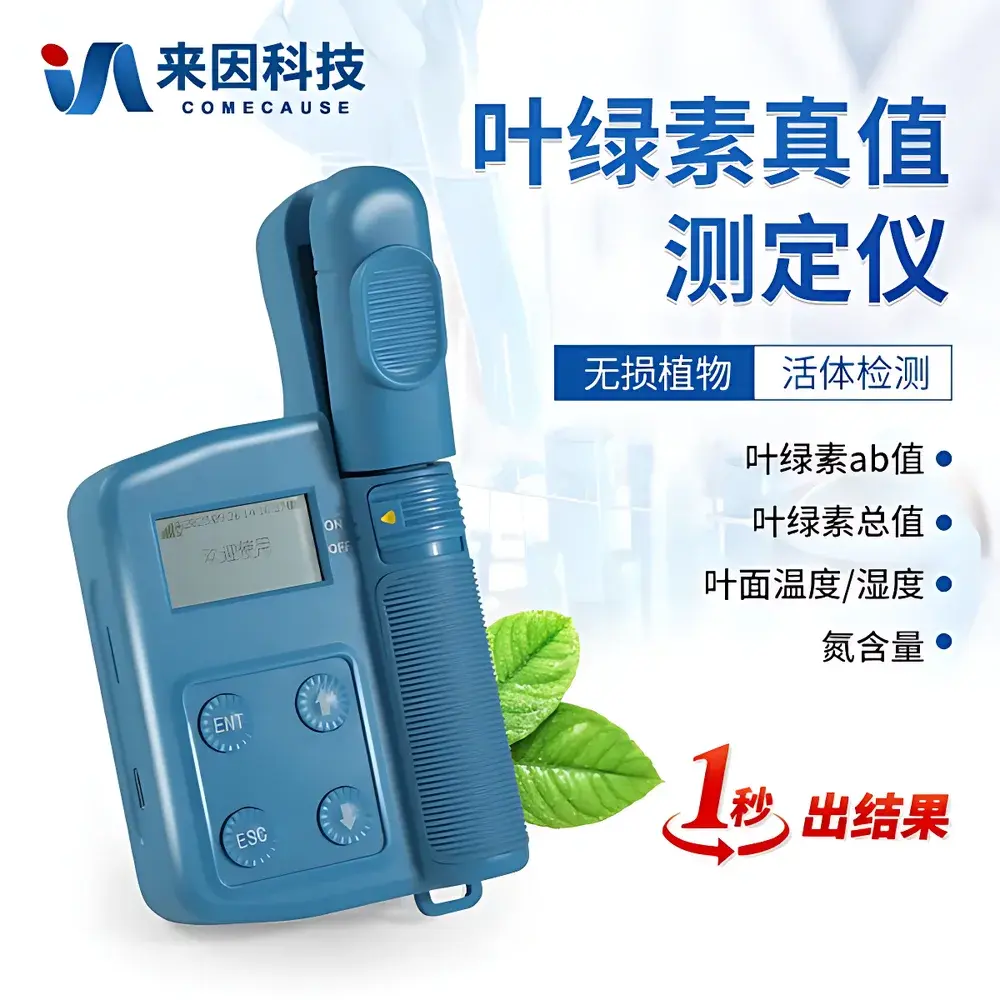
COMECAUSE IN-YL300 True-Value Chlorophyll a/b Quantification System
| Brand | COMECAUSE |
|---|---|
| Model | IN-YL300 |
| Origin | Shandong, China |
| Manufacturer Type | Direct Manufacturer |
| Measurement Range | 0.10–200.00 µg/cm² (Chl a + b) |
| Measurement Time | < 0.8 s |
| Spot Size | 3 mm × 3 mm |
| Accuracy | ±2.5 µg/cm² (Chl a), ±2.0 µg/cm² (Chl b), ±2.0 µg/cm² (Total Chl) |
| Repeatability | ±0.1 µg/cm² (Chl a/b), ±0.5 mg/g (N), ±0.5 %RH (Leaf Humidity), ±0.2 °C (Leaf Temp) |
| Operating Temperature | −10 °C to +50 °C |
| Power | 4.2 V rechargeable Li-ion battery (3000 mAh) |
| Weight | 230 g |
| Data Storage | 16 GB internal flash (grouped, searchable, exportable) |
| Connectivity | USB-C, microSD slot, integrated 4G LTE module (2-year data plan included) |
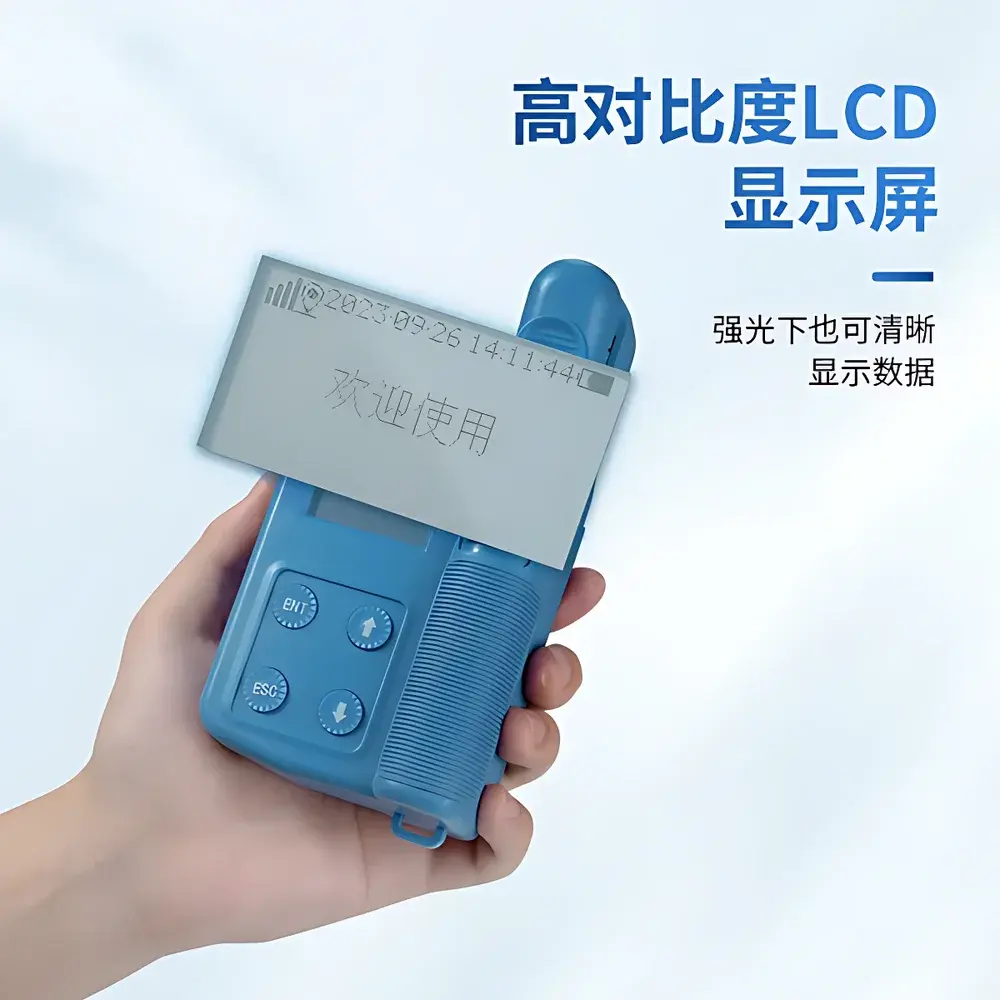
| Display | High-contrast LCD, sunlight-readable |
| Language Support | Switchable English/Chinese UI |
| GPS | Integrated real-time geotagging (WGS84) |
| Compliance | Designed for GLP-aligned field and lab workflows |
Overview
The COMECAUSE IN-YL300 True-Value Chlorophyll a/b Quantification System is a field-deployable, non-destructive optical analyzer engineered for quantitative in vivo determination of chlorophyll a, chlorophyll b, total chlorophyll, leaf nitrogen content, surface temperature, and relative humidity. Unlike SPAD-based meters that report dimensionless proxy units, the IN-YL300 delivers absolute concentration values (µg/cm²) by applying the Arnon–Lichtenthaler equations to multi-wavelength absorbance measurements at 645 nm, 663 nm, and 730 nm—wavelengths selected to resolve spectral interference from anthocyanins, carotenoids, and leaf scattering effects. The instrument employs dual-beam photometry with reference-path stabilization to compensate for ambient light fluctuations, enabling robust operation under full-sun field conditions. Its 3 mm × 3 mm measurement aperture ensures spatially resolved sampling compatible with heterogenous leaf tissues, while sub-second acquisition time allows high-throughput screening across experimental plots or breeding nurseries.
Key Features
- True-value quantification: Reports chlorophyll a (µg/cm²), chlorophyll b (µg/cm²), and total chlorophyll (µg/cm²) — not SPAD or arbitrary indices
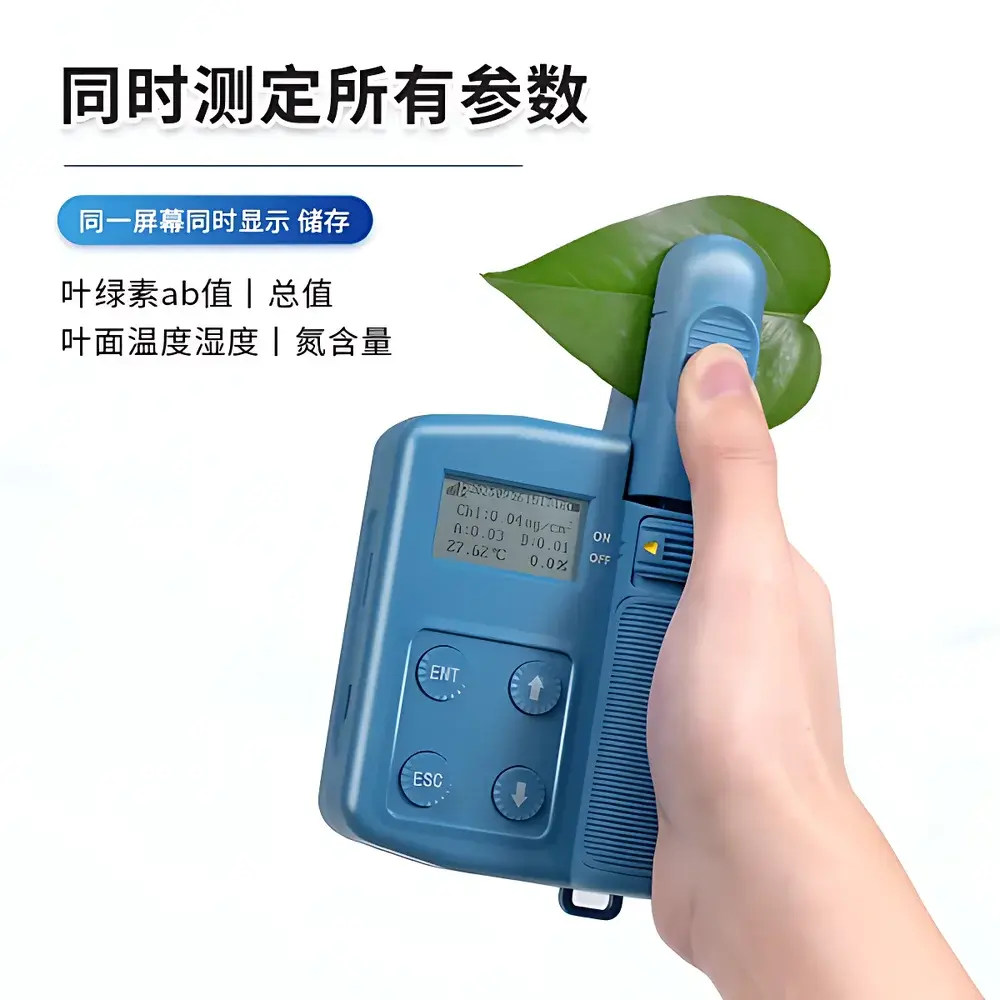
- Multi-parameter simultaneous acquisition: Chlorophyll a, chlorophyll b, total chlorophyll, leaf nitrogen (mg/g), surface temperature (°C), and relative humidity (%RH) measured and displayed in one press
- Integrated environmental sensing: On-board thermistor and capacitive humidity sensor calibrated against NIST-traceable standards
- Field-hardened design: IP54-rated enclosure, −10 °C to +50 °C operational range, sunlight-readable display, and low-power architecture (typical runtime >12 h per charge)
- Geospatial data capture: Embedded GPS (±2.5 m CEP) logs WGS84 coordinates with every measurement for GIS-integrated analysis
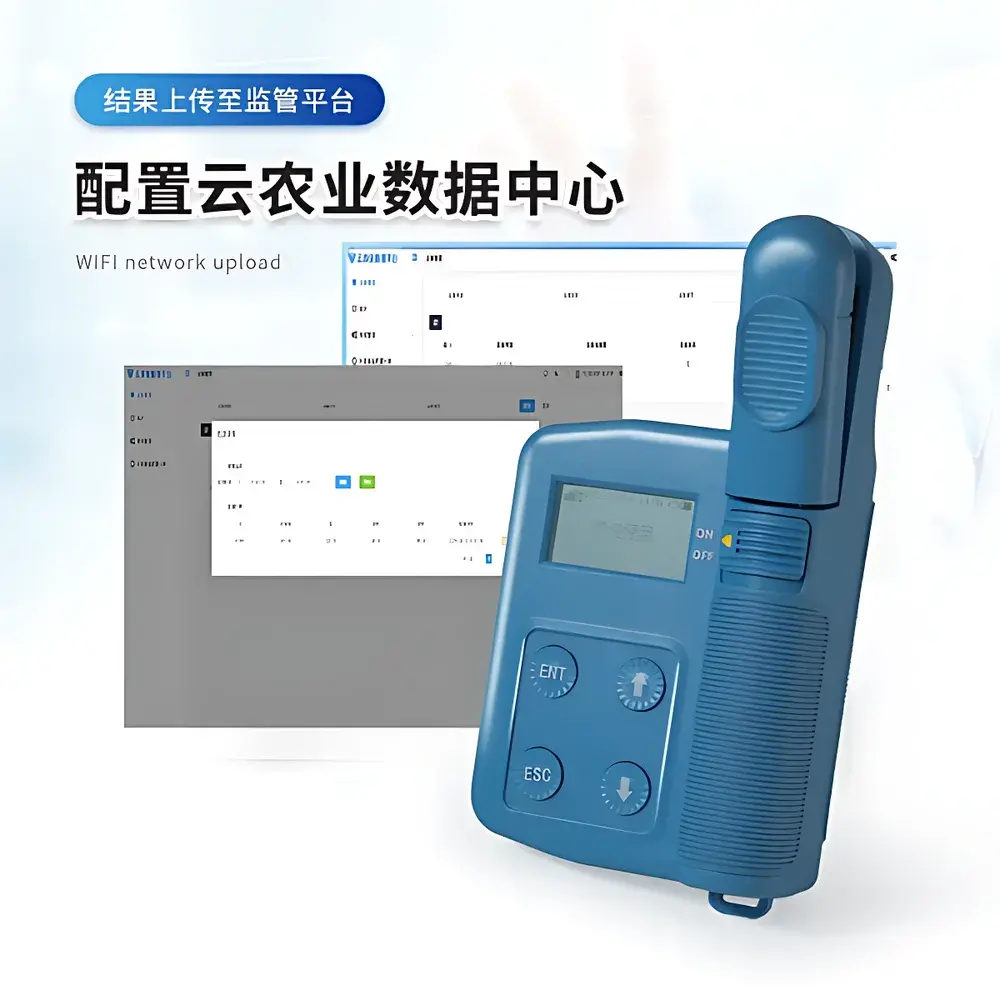
- Cloud-enabled telemetry: Built-in 4G LTE module transmits encrypted measurement packets directly to the COMECAUSE AgriCloud platform; includes 24 months of cellular data service
- Regulatory-ready data management: Timestamped records include operator ID, device serial number, calibration epoch, and measurement confidence flags — compliant with GLP documentation requirements
Sample Compatibility & Compliance
The IN-YL300 is validated for intact, uncut leaves of angiosperms and gymnosperms with thickness ≤0.5 mm and surface reflectance <85% (e.g., maize, wheat, rice, soybean, Arabidopsis, tobacco, pine needles). It excludes highly pubescent, waxy, or necrotic tissues where optical coupling is compromised. While not intended for regulatory submission under FDA 21 CFR Part 11, its audit trail functionality—including immutable timestamps, user authentication, and exportable raw absorbance spectra—supports adherence to ISO/IEC 17025 and OECD GLP principles for environmental and agronomic research. Calibration is traceable to NIST SRM 1930 (chlorophyll a in acetone) and SRM 1931 (chlorophyll b in acetone), with annual verification recommended.
Software & Data Management
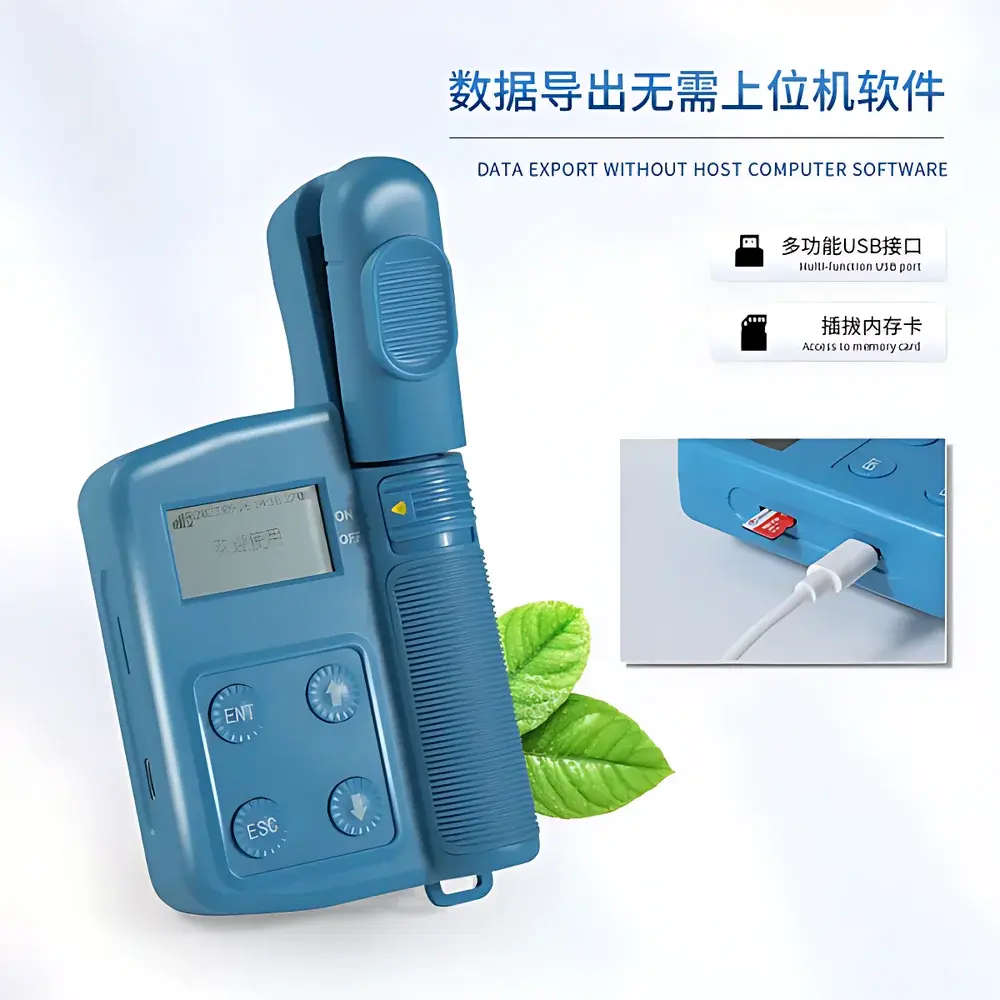
Data are stored locally in a structured SQLite database with hierarchical grouping (e.g., by experiment ID, plot number, cultivar, date). Export options include direct USB-C transfer (no proprietary software required), microSD card dump (FAT32-formatted), or automated cloud sync. The AgriCloud portal provides web-based visualization: time-series plots, scatter matrices (e.g., Chl a/b vs. N content), statistical summaries (mean, SD, CV%), and trend detection via linear regression. All exports include metadata headers compliant with MIAME and ISA-Tab conventions. Raw absorbance values (A645, A663, A730) are retained alongside calculated concentrations, enabling reprocessing with updated extinction coefficients or alternative algorithms.
Applications
- Phenotyping programs: High-resolution tracking of chlorophyll dynamics during drought, heat, or nutrient stress trials
- Crop breeding: Selection of genotypes with optimized Chl a/b ratios linked to photosynthetic efficiency and canopy light penetration
- Ecophysiology studies: Comparative analysis of sun/shade acclimation across species or elevation gradients
- Environmental monitoring: Early detection of heavy metal or ozone exposure through disproportionate Chl b degradation
- Fertilizer response trials: Correlating leaf N content with chlorophyll stoichiometry to refine N application thresholds
- Remote sensing ground-truthing: Providing in situ validation points for satellite-derived vegetation indices (e.g., NDVI, PRI)
FAQ
Does the IN-YL300 require leaf extraction or solvent use?
No. It performs non-destructive, in vivo measurements on intact leaves without tissue disruption.
Can it measure chlorophyll in conifer needles or thick succulent leaves?
It is validated for leaves ≤0.5 mm thickness; needles and succulents may require empirical correction factors due to path-length variability.
How is calibration maintained in the field?
The instrument includes a factory-calibrated reference tile; users perform daily zero-check using the built-in dark reference shutter before first measurement.
Is raw spectral data accessible for custom algorithm development?
Yes — all three absorbance values (645 nm, 663 nm, 730 nm) are logged and exportable alongside derived parameters.
What data security protocols apply to cloud transmission?
Measurements are encrypted in transit (TLS 1.3) and at rest (AES-256); access requires role-based authentication and two-factor login.





