
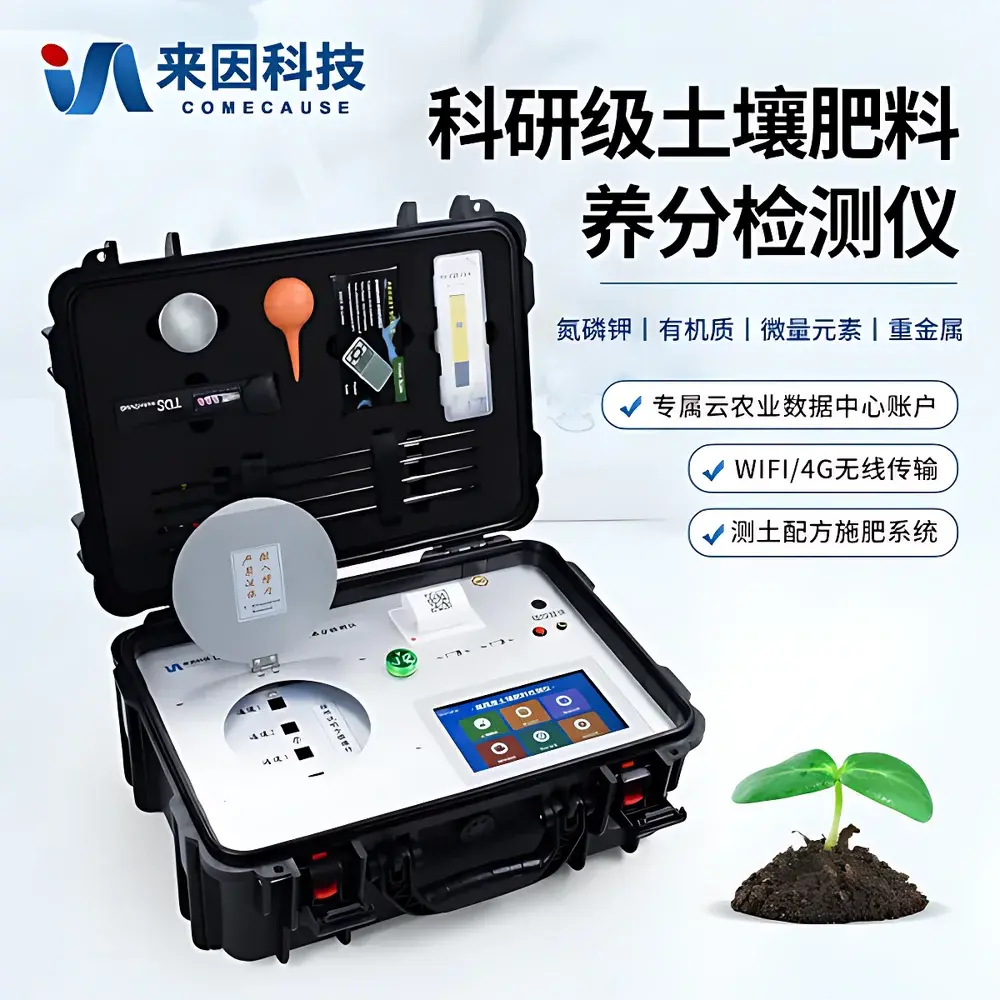
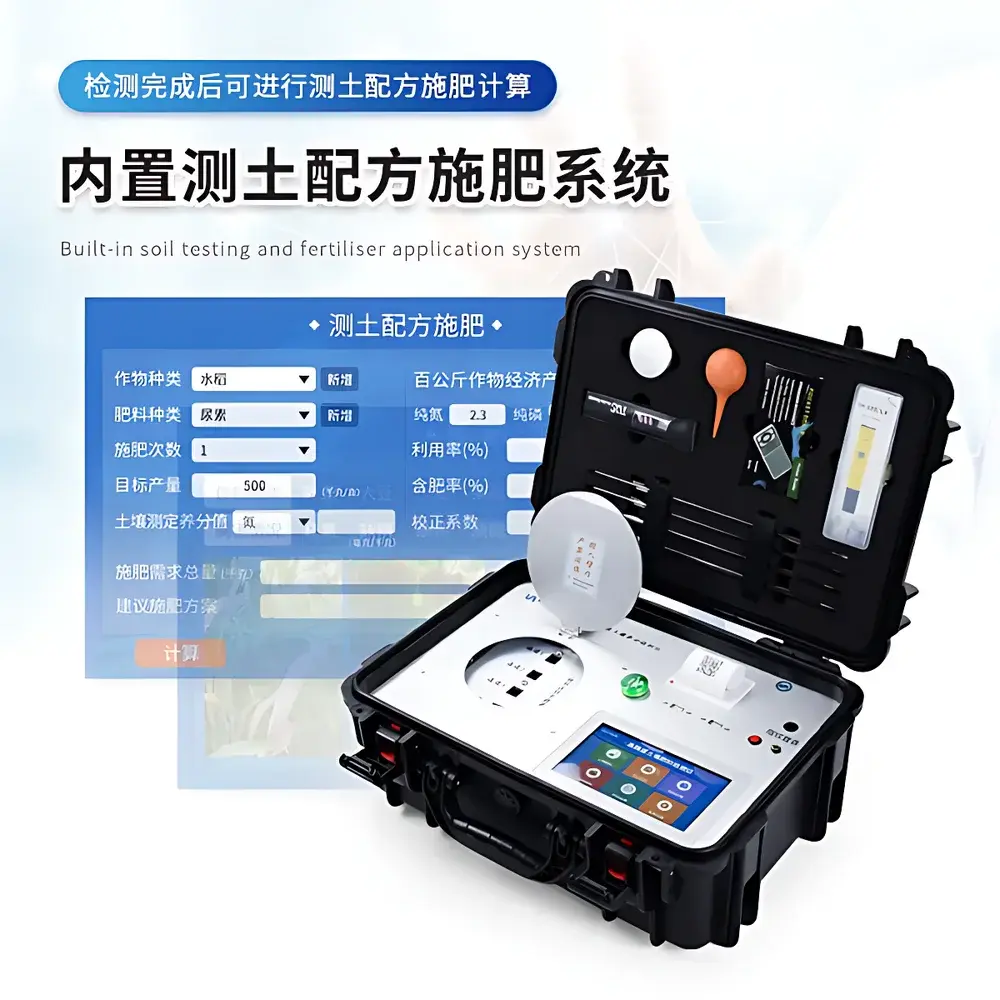
COMECAUSE IN*HT300 Portable Soil & Fertilizer Nutrient Analyzer
| Brand | COMECAUSE |
|---|---|
| Origin | Shandong, China |
| Manufacturer Type | Direct Manufacturer |
| Country of Origin | China |
| Model | IN*HT300 |
| Instrument Type | Portable |
| Detection Principle | Colorimetric Chemical Analysis |
| Detection Channels | 4 Fixed-Channel Solid-State Cuvette Module |
| Test Parameters | N, P, K, Organic Matter, pH, EC, Moisture, Ca, Mg, S, B, Fe, Cu, Mn, Zn, Cl, Mo, Pb, As, Cr, Cd, Hg, Ni, Al, F, Ti, Se, and more in soil, fertilizer, plant tissue, and water samples |
| Measurement Range | 0.001–9999 (unitless absorbance scale |
| Repeatability | ≤0.03% (measured with potassium dichromate solution) |
Overview
The COMECAUSE IN*HT300 Portable Soil & Fertilizer Nutrient Analyzer is an integrated field-deployable instrument engineered for quantitative colorimetric analysis of macro- and micronutrients across soil, fertilizer, plant tissue, and aqueous matrices. It operates on standardized wet-chemistry principles—specifically, spectrophotometric detection following reagent-mediated chromogenic reactions—and delivers calibrated concentration values (e.g., mg/kg for soil nutrients, % for organic matter, ppm for heavy metals) using pre-validated assay protocols aligned with national agricultural testing standards (NY/T 1121, NY/T 889, GB/T 22923). Unlike optical sensors or electrochemical probes, the IN*HT300 relies on discrete, chemically selective reactions—such as the indophenol blue method for ammonium-N, molybdenum antimony colorimetry for phosphorus, and flame photometric analogs for potassium—that ensure analytical specificity under variable field conditions. Its architecture eliminates moving parts in the optical path, embedding four fixed-wavelength LED sources (680 ±2 nm red, 420 ±2 nm blue, 510 ±2 nm green, 590 ±4 nm orange) and a sealed, recessed 4-channel cuvette module to minimize stray light interference and thermal drift.
Key Features
- Four independent solid-state optical channels with thermally stabilized LEDs (100,000-hour lifetime), each precisely matched to absorption maxima of common agricultural analytes.
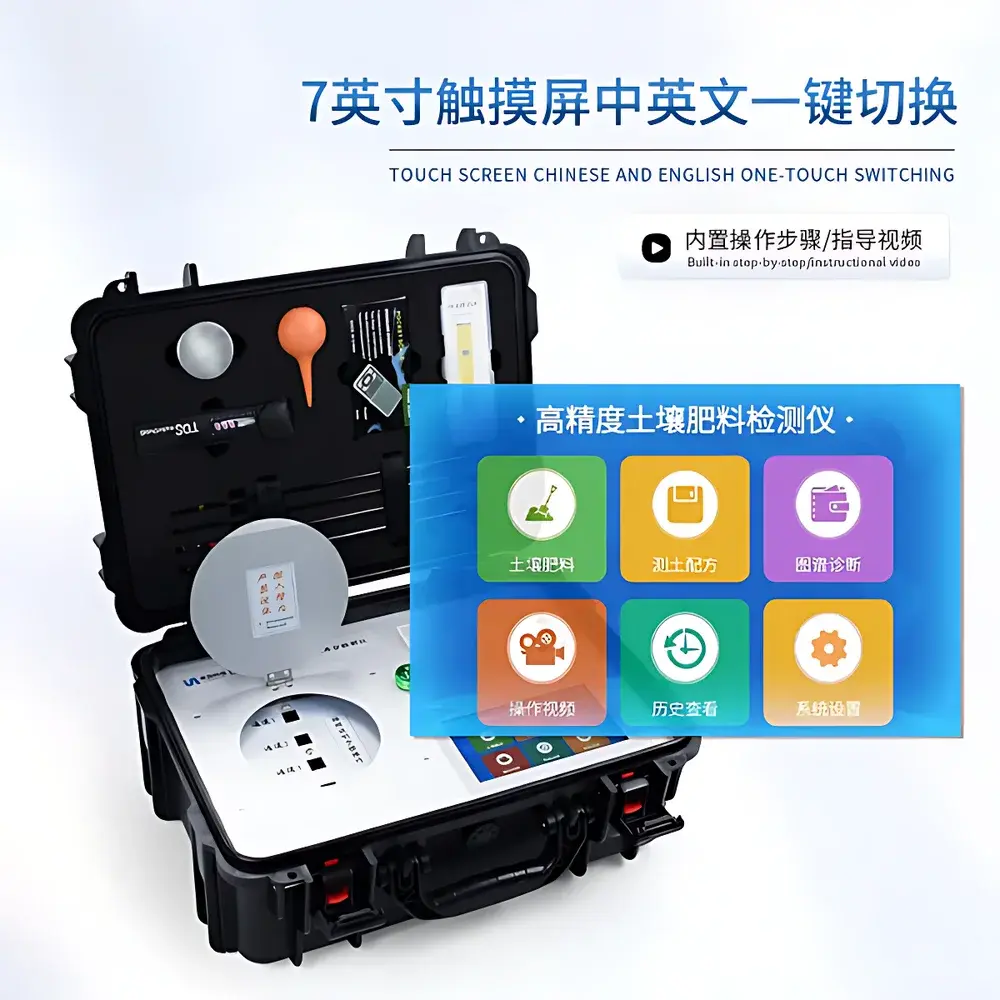
- Integrated Android 5.1 operating system powered by a quad-core ≥1.8 GHz processor and 16 GB internal storage, enabling real-time data processing, multi-user account management, and embedded procedural guidance.
- 7.0-inch high-resolution LCD (1024 × 600) with adjustable backlighting, IP65-rated enclosure, and rugged PVC carry case optimized for outdoor deployment and transport.
- Dual authentication: password + fingerprint login; role-based user accounts support audit-ready data segregation in regulated environments.
- Built-in GPS geotagging and real-time clock with automatic Wi-Fi synchronization—ensuring full traceability of location, time, and operator per measurement record.
- Onboard thermal printer producing tamper-evident reports containing sample ID, analyte, unit, concentration, absorbance, operator, timestamp, GPS coordinates, and QR-coded metadata.
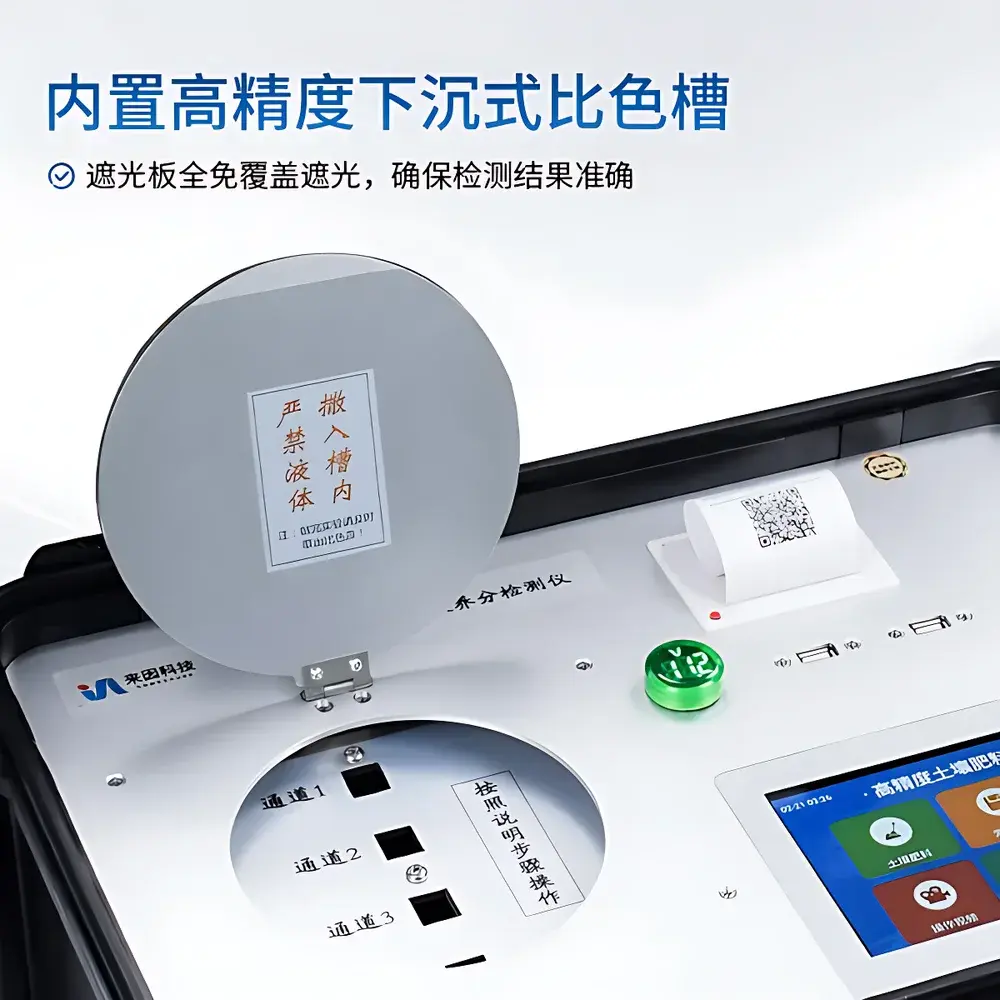
- Four dedicated wavelength-specific light sources and a fully enclosed, 15.7 cm diameter light-shielded cuvette chamber eliminate ambient light contamination and enhance photometric reproducibility.
- DC/AC dual-power operation with 4800 mAh lithium battery (≥10 h continuous runtime); voltage monitoring display and auto-save during power interruption prevent data loss.
Sample Compatibility & Compliance
The IN*HT300 supports standardized extraction and digestion workflows for over 50 analytes across three primary matrices: mineral and organic soils (including saline, acidic, and calcareous types), commercial and organic fertilizers (granular, liquid, compost-based), and plant tissues (leaf, stem, grain). Sample preparation follows AOAC, ISO 11260, and Chinese Ministry of Agriculture guidelines—including the Tyurin method for organic carbon, Olsen extraction for available phosphorus, and ammonium acetate leaching for exchangeable potassium. The instrument’s repeatability (≤0.03% RSD) and linearity (≤0.1% error vs. certified reference materials) meet requirements for GLP-aligned field screening and preliminary compliance assessment. While not intended for final regulatory reporting without confirmatory ICP-OES or AAS validation, its performance aligns with FAO-recommended thresholds for on-farm nutrient decision support and extension service use.
Software & Data Management
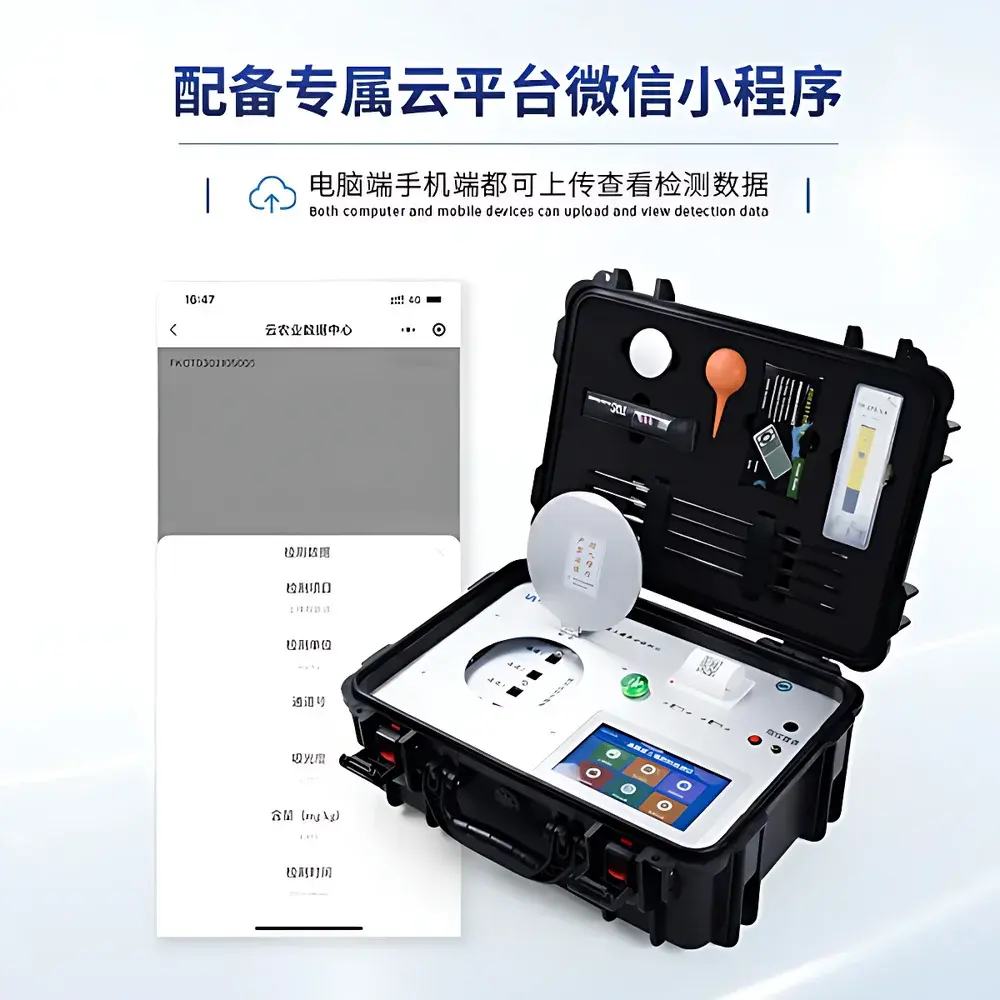
Data acquisition, calculation, and reporting are managed through the proprietary COMECAUSE AgriCloud platform. All measurements are automatically timestamped, georeferenced, and encrypted prior to upload via Wi-Fi or USB export. Each enterprise receives a dedicated cloud portal supporting multi-user access control, historical trend visualization, batch export to CSV/XLSX, and integration with regional soil fertility databases. The onboard software includes embedded SOPs for all assays, step-by-step video tutorials, and context-aware prompts for reagent addition, incubation timing, and blanking—reducing operator dependency and inter-user variability. The system supports FDA 21 CFR Part 11–compatible audit trails (user logins, parameter changes, result edits) when deployed in GMP-adjacent agronomic trials. Firmware updates and method library revisions are delivered remotely via secure OTA protocol.
Applications
- Field-level rapid assessment of soil fertility status for precision fertilizer prescription and variable-rate application planning.
- Quality control of blended fertilizers, organic amendments, and foliar sprays prior to distribution or field application.
- Diagnostic nutrient deficiency/sufficiency screening in crops using built-in visual symptom atlases (N, P, K, Ca, Mg, S, Fe, Mn, Zn).
- Extension service delivery: mobile soil testing units, farmer training programs, and participatory soil health monitoring initiatives.
- Academic research: longitudinal field trials requiring high-frequency, low-cost nutrient profiling across treatment plots.
- Environmental monitoring: screening of heavy metal accumulation (Pb, Cd, As, Cr) in peri-urban and reclaimed agricultural soils.
FAQ
What extraction methods are supported for soil nitrogen analysis?
The instrument supports both alkaline hydrolysis (for hydrolyzable N) and Kjeldahl digestion (for total N) workflows, with onboard prompts guiding users through distillation-free colorimetric endpoints.
Can the IN*HT300 quantify nitrate and ammonium separately in the same soil extract?
Yes—dual-wavelength sequential measurement enables simultaneous quantification without sample splitting, using cadmium reduction for nitrate and indophenol for ammonium.
Is calibration required before each test series?
No—automatic zero-point and gain calibration is performed internally at startup and between samples; no manual recalibration or warm-up period is needed.
How is data integrity ensured during offline field operation?
All measurements are stored locally with full metadata (GPS, time, user, channel ID); synchronization occurs upon Wi-Fi reconnection, with version-controlled conflict resolution.
Does the system comply with international data privacy regulations?
Yes—data transmission uses TLS 1.2 encryption; cloud storage adheres to ISO/IEC 27001-certified infrastructure, and on-device storage supports FIPS 140-2 compliant AES-256 encryption.
Related Products







