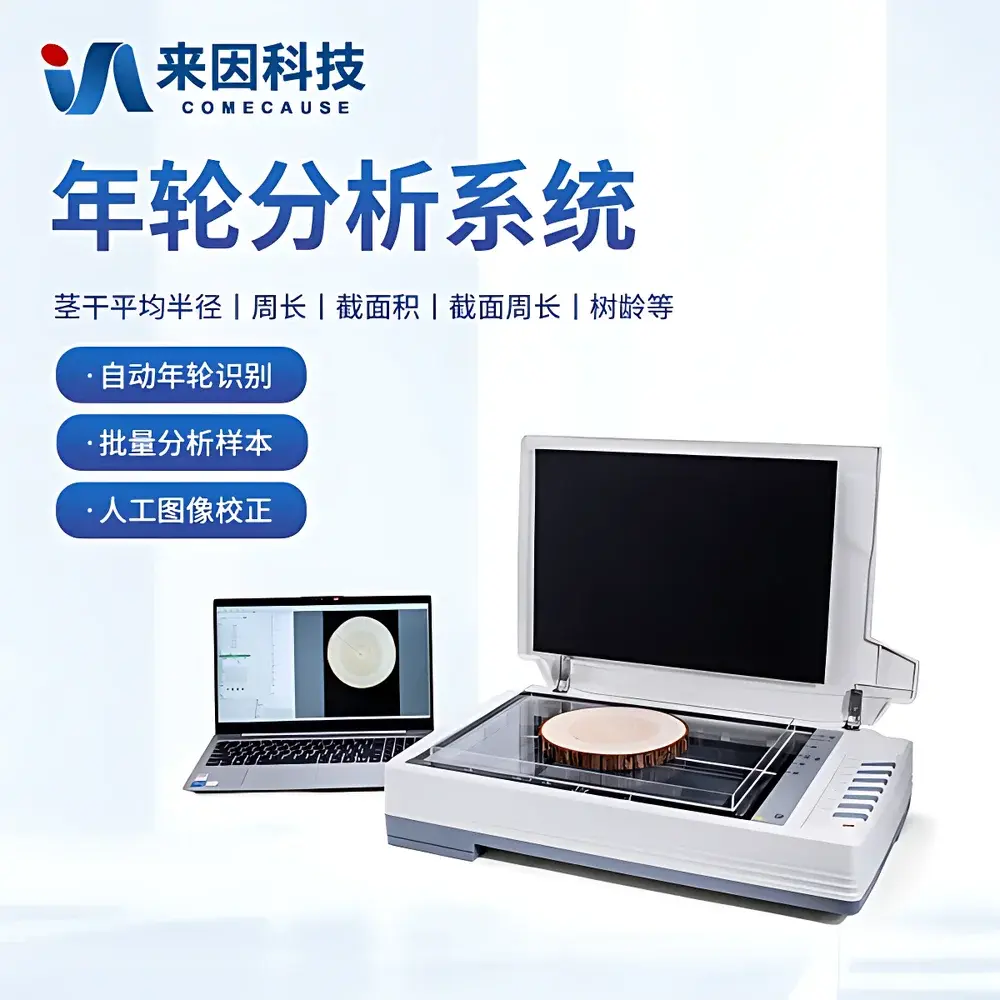
COMECAUSE IN-NL Dendrochronology Analyzer for Tree Cross-Sectional Area & Growth Ring Analysis
| Brand | COMECAUSE |
|---|---|
| Origin | Shandong, China |
| Manufacturer Type | Direct Manufacturer |
| Product Origin | Domestic (China) |
| Model | IN-NL |
| Price | USD 5,300 (approx.) |
Overview
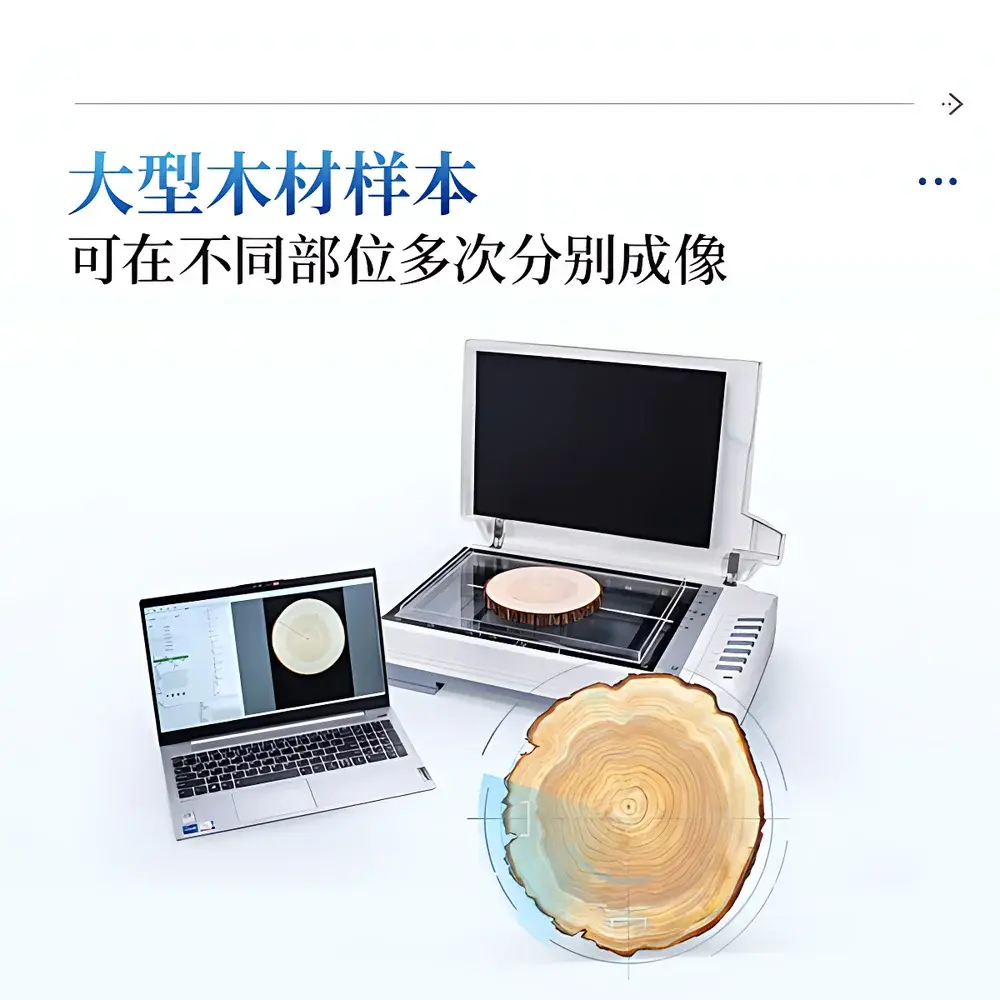
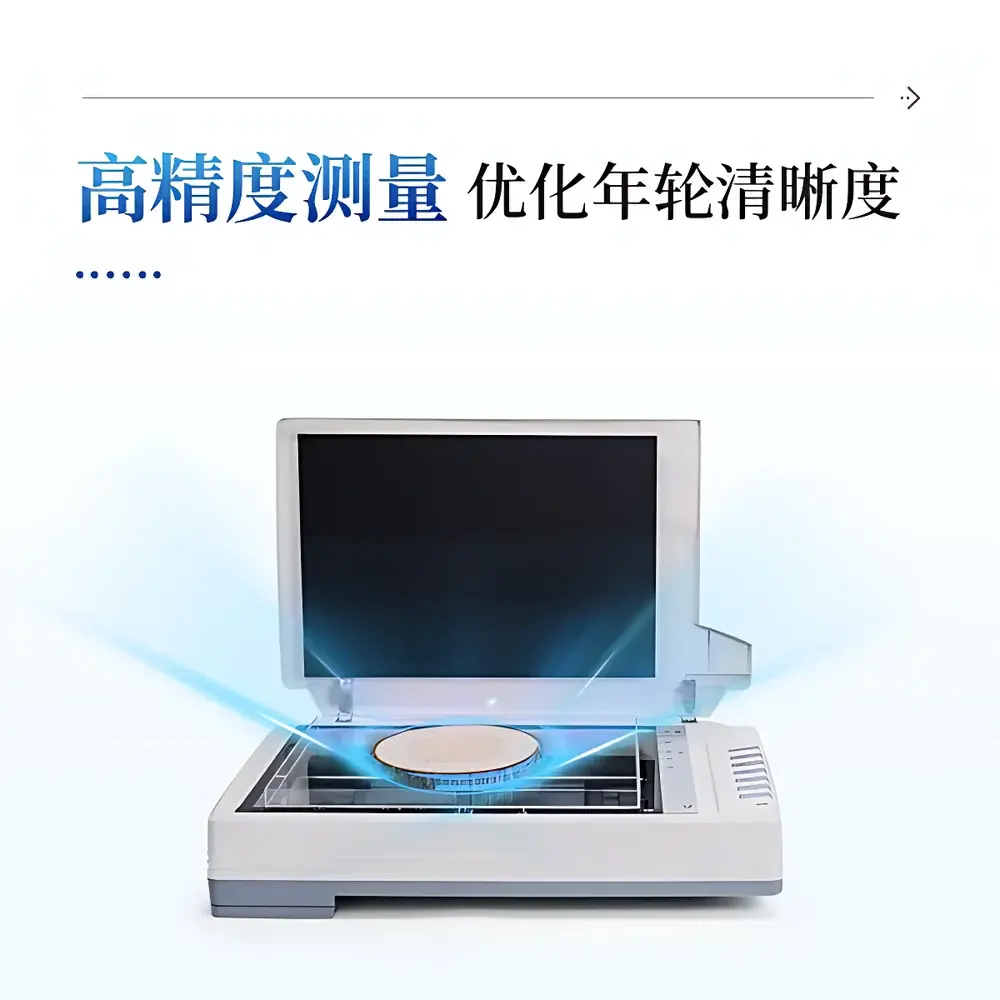
The COMECAUSE IN-NL Dendrochronology Analyzer is a dedicated scientific instrument engineered for high-resolution, non-destructive analysis of tree growth rings in both disk-section samples and increment core specimens. Based on digital image acquisition and geometric morphometric processing, the system applies calibrated pixel-to-metric conversion to extract quantitative dendroecological parameters—including annual ring count, radial growth increment, earlywood/latewood width differentiation, cross-sectional area, stem circumference, and pith-to-bark distance. Designed for rigorous field and laboratory applications, it supports reproducible measurements under standardized lighting and scanning conditions, enabling longitudinal studies compliant with international dendrochronological protocols (e.g., ITRDB standards, TRiDaS metadata schema). Its architecture integrates optical imaging, spatial calibration, and algorithm-assisted segmentation—without reliance on destructive staining or microtome sectioning—making it suitable for museum-grade wood specimens, long-term ecological monitoring plots, and climate-proxy reconstruction projects.
Key Features
- High-fidelity A3-format flatbed scanning (31 × 44 cm active area) with optional 1800 × 3600 dpi resolution, delivering sub-0.011 mm spatial resolution for detection of fine-grained rings ≤0.2 mm wide
- Dual-axis (X/Y) independent calibration module enabling precise geometric correction of scanner distortion and sample tilt
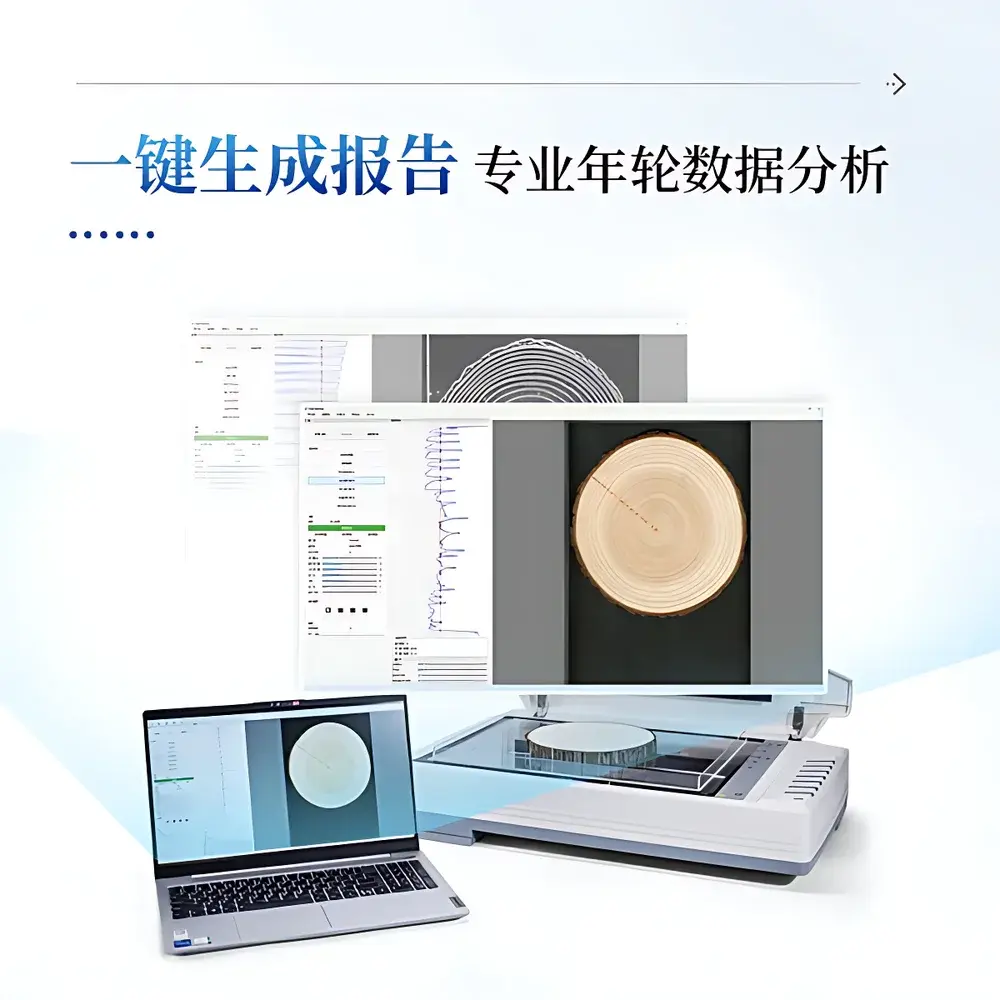
- Interactive measurement path definition: users can draw custom linear or curvilinear transects aligned with natural ring curvature, with real-time angular adjustment and path-following interpolation
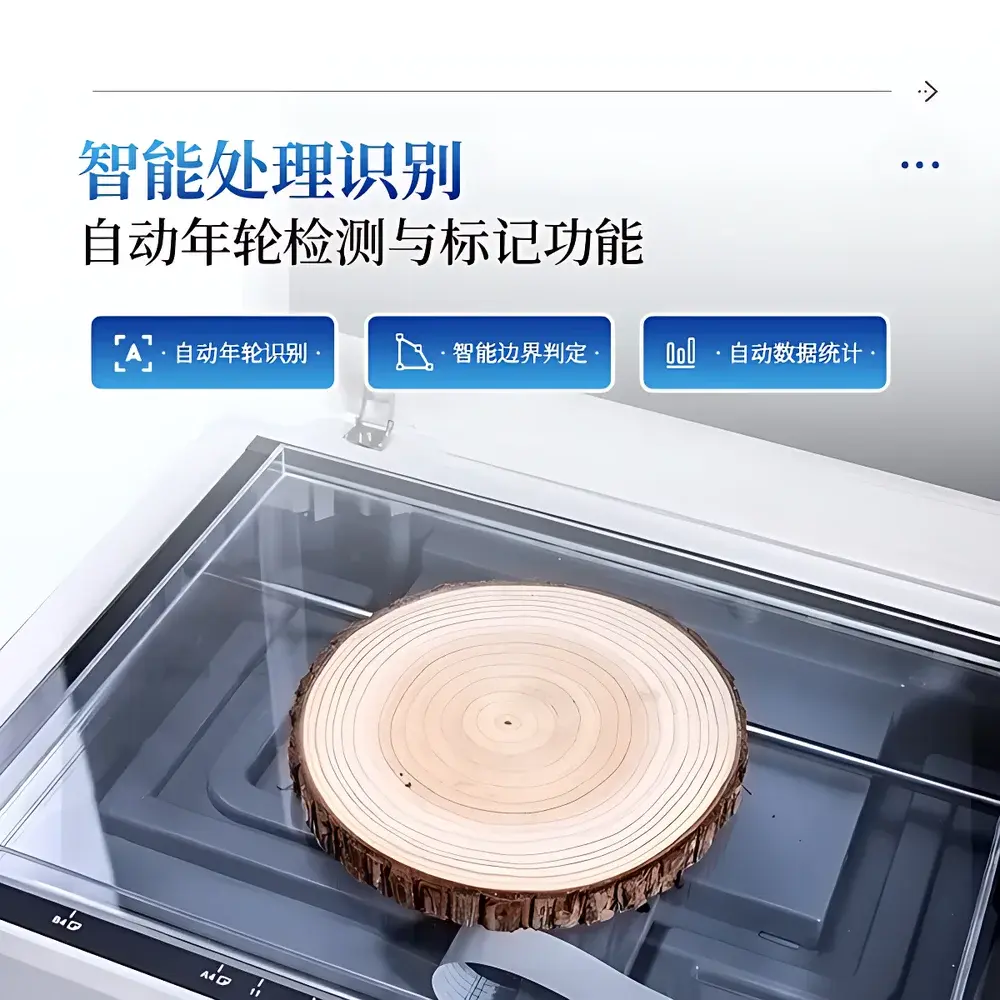
- Hybrid recognition engine combining threshold-based edge detection with user-guided pixel-level correction—supporting manual insertion of missing ring boundaries or splitting of fused bands
- Multi-channel color-space analysis (RGB, grayscale, HSV) to enhance contrast in low-contrast latewood transitions or discolored archaeological samples
- Batch processing pipeline supporting TIFF, PNG, JPEG, and BMP inputs; parallel analysis of ≥50 samples with consistent parameter propagation
Sample Compatibility & Compliance
The IN-NL accommodates standard 5-mm increment cores mounted in custom alignment jigs, as well as whole-disk sections up to 40 cm in diameter. Its non-contact imaging approach preserves specimen integrity for archival reuse and radiocarbon dating preparation. All measurement workflows comply with FAO Forestry Guidelines for Dendroecological Data Collection and meet minimum reporting criteria outlined in the International Tree-Ring Data Bank (ITRDB) v5.0. The software enforces audit-trail logging (user ID, timestamp, parameter set, edit history) to support GLP-aligned research environments. While not FDA-regulated, its data export structure (CSV, JSON, Excel) conforms to FAIR principles—findable, accessible, interoperable, and reusable—for integration into global climate databases such as NOAA’s Paleoclimatology Program.
Software & Data Management
Running exclusively on Windows 10 or later, the IN-NL software suite provides native support for Unicode filenames, multi-language UI switching (English/Chinese), and hierarchical project organization. Measurement outputs include: mean ring width (mm), basal area increment (cm²/yr), cumulative cross-sectional area (cm²), pith-centered radius vector maps, and inter-annual growth indices normalized to reference chronologies. All results are exportable in machine-readable formats—including ISO 8601-compliant timestamps, SI-unit annotations, and TRiDaS-compatible XML headers. Built-in charting tools generate publication-ready line plots, boxplots of ring-width distributions, and scatter matrices correlating growth metrics with external climatic variables (e.g., PRISM temperature anomalies). Raw image metadata (EXIF, scanner model, DPI, gamma) is preserved in embedded tags for traceability.
Applications
- Climate Reconstruction: Quantifying ring-width chronologies for paleotemperature and drought index modeling (e.g., PDSI, SPEI)
- Forest Health Assessment: Detecting growth suppression events linked to pest outbreaks, fire scars, or air pollution stressors
- Ecological Chronosequence Studies: Comparing stand-level growth trajectories across successional stages or soil gradients
- Timber Provenance & Authentication: Supporting forensic dendrochronology through regional signature matching
- Arboricultural Management: Estimating biomass accumulation rates and carbon sequestration potential in urban canopy inventories
FAQ
Does the IN-NL require staining or surface preparation prior to scanning?
No—dry, sanded, or naturally weathered surfaces yield reliable results; optional surface polishing may improve contrast for highly degraded samples.
Can the software import pre-scanned images from third-party scanners?
Yes—TIFF, PNG, JPEG, and BMP files are supported, provided spatial calibration is manually entered or derived from embedded DPI metadata.
Is batch calibration across multiple scans possible?
Yes—users may apply a shared calibration matrix to an entire batch, or assign unique X/Y scaling factors per sample based on physical reference markers.
How does the system handle eccentric piths or irregular growth forms?
The software allows manual pith localization and supports elliptical or segmented radial measurement zones, accommodating reaction wood, leaning stems, or traumatic resin ducts.
What level of technical support is provided for method validation?
COMECAUSE supplies documented SOPs aligned with ITRDB submission guidelines, plus remote calibration assistance and raw-data verification reports upon request.
Related Products