
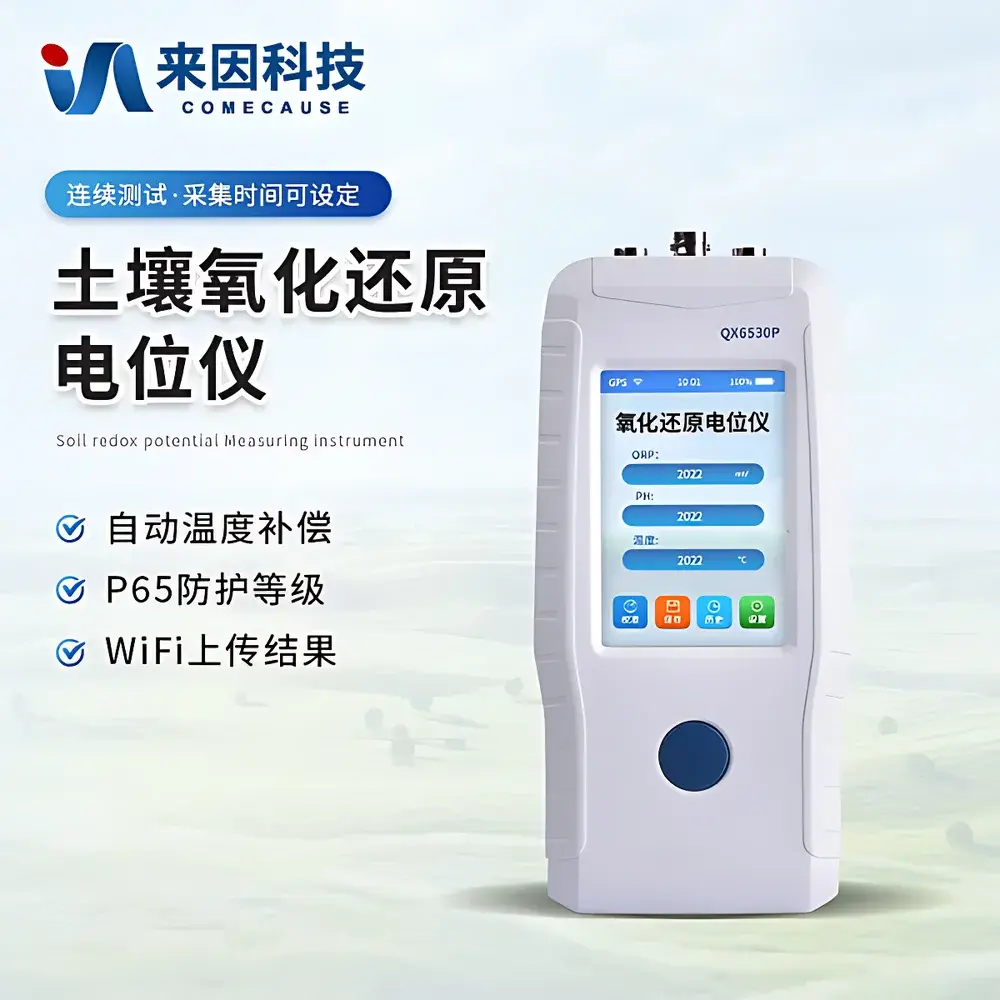
COMECAUSE QX6530P Soil Oxidation-Reduction Potential (ORP) and pH/Temperature Meter
| Brand | COMECAUSE |
|---|---|
| Model | QX6530P |
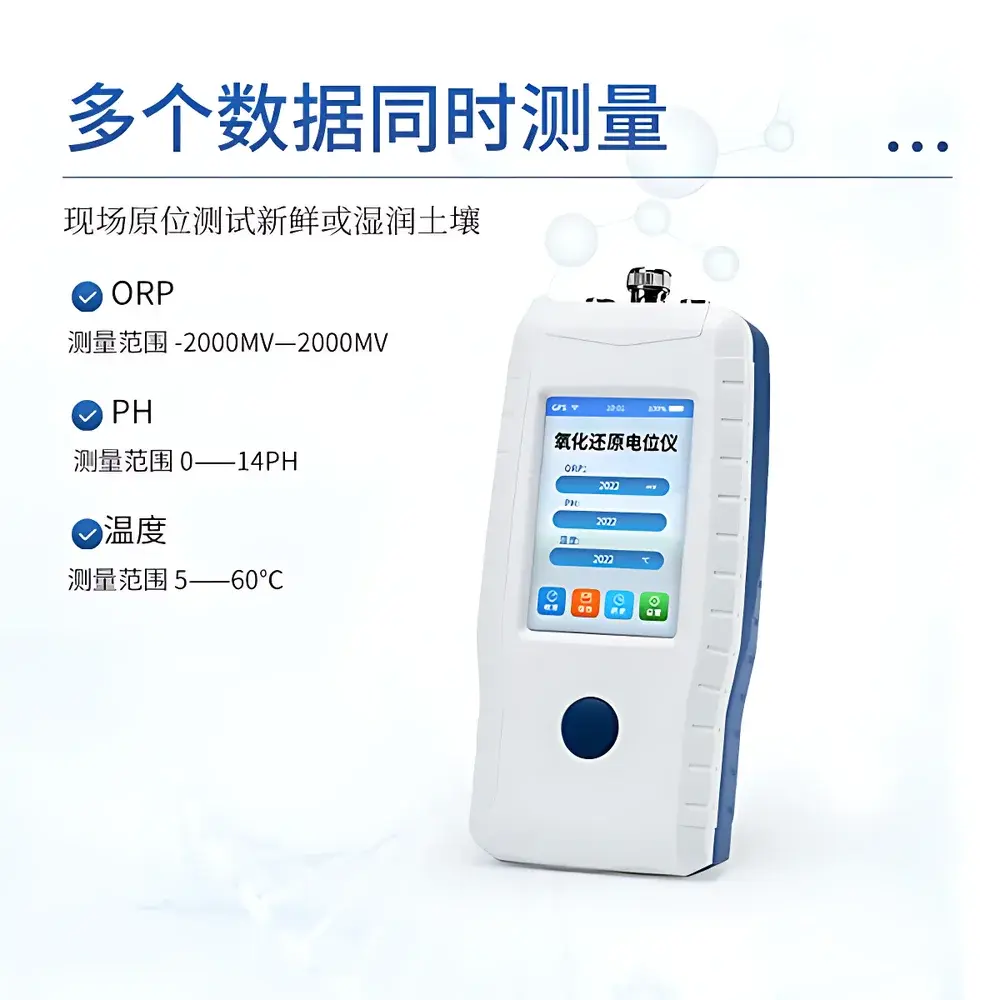
| Measurement Range (ORP) | −2000 to +2000 mV |
| Resolution (ORP) | 0.1 mV |
| Accuracy (ORP) | ±10 mV |
| pH Range | 0–14 |
| pH Resolution | 0.1 |
| pH Accuracy | ±0.05 |
| Temperature Range | 5–60 °C |
| Temp. Resolution | 0.1 °C |
| Temp. Accuracy | ±1 °C |
| Power Supply | DC 5 V / 2 A |
| Battery Capacity | 6000 mAh |
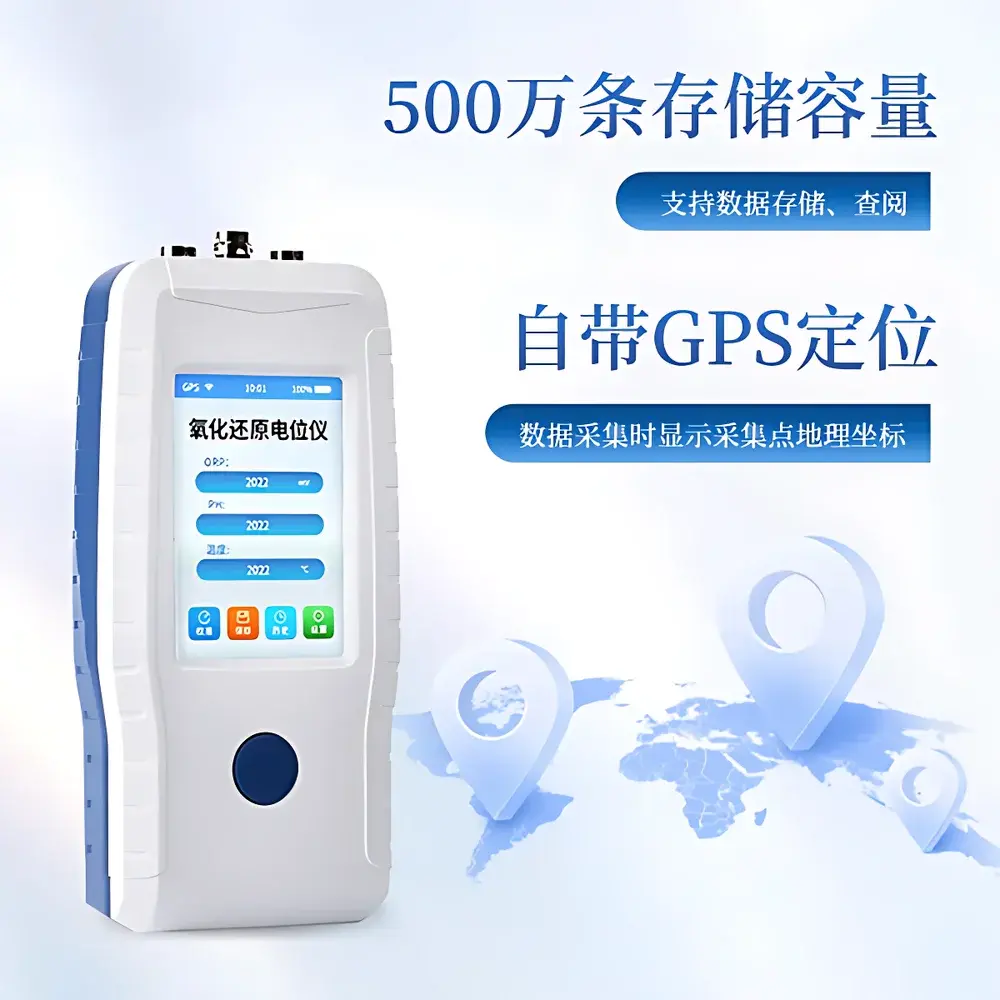
| Data Storage | 5,000,000 records |
| Ingress Protection | IP65 |
| Weight | 4.1 kg |
| Dimensions (L×W×H) | 500 × 380 × 180 mm |
Overview
The COMECAUSE QX6530P Soil Oxidation-Reduction Potential (ORP) and pH/Temperature Meter is a field-deployable, multi-parameter electrochemical analyzer engineered for direct in-situ measurement of redox potential (Eh), pH, and temperature in heterogeneous soil matrices. It operates on the fundamental principle of potentiometric measurement: a platinum indicator electrode establishes equilibrium with redox-active species (e.g., Fe3+/Fe2+, MnO4−/Mn2+, SO42−/H2S) in the soil solution, while a stable reference electrode (typically Ag/AgCl or calomel) provides a fixed thermodynamic baseline. The resulting potential difference—expressed in millivolts (mV) relative to the Standard Hydrogen Electrode (SHE)—quantifies the tendency of the soil environment to accept or donate electrons. Unlike indirect proxies, this direct electrochemical method delivers real-time, thermodynamically grounded insight into biogeochemical status—critical for evaluating anaerobic/aerobic transition zones, microbial metabolic activity, contaminant speciation, and nutrient bioavailability.
Key Features
- Triple-parameter simultaneous acquisition: ORP (−2000 to +2000 mV), pH (0–14), and temperature (5–60 °C), all measured via integrated, field-ruggedized electrodes.
- High-fidelity signal conditioning architecture based on ARM Cortex-M3 microcontroller, ensuring low-noise analog-to-digital conversion and stable baseline drift compensation over extended deployment cycles.
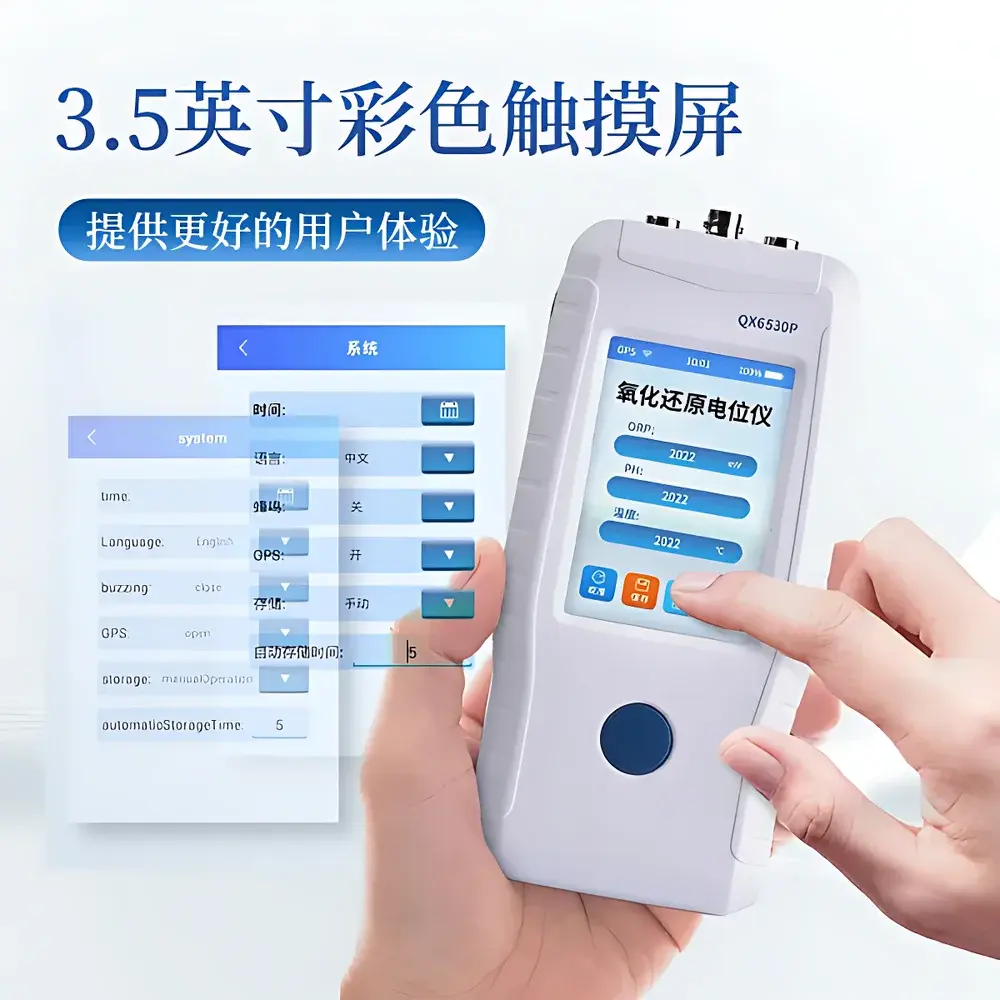
- 3.5-inch capacitive touch LCD with auto-adaptive backlight and configurable screen timeout—optimized for outdoor readability under variable ambient lighting.
- True in-situ capability enabled by stainless-steel hollow probe assembly, designed for minimal soil disturbance during insertion and consistent electrode-soil contact geometry.
- Automatic temperature compensation (ATC) compliant with NIST-traceable algorithms; manual offset adjustment available for non-standard electrolyte conditions.
- IP65-rated enclosure ensures resistance to dust ingress and water jets—validated for continuous operation in humid, muddy, or rain-exposed field environments.
- Onboard rechargeable 6000 mAh Li-ion battery with Type-C charging interface; supports ≥12 hours of continuous logging at 5-minute intervals.
- Zero-conversion readout: displayed values are final, calibrated Eh (mV vs. SHE), pH, and °C—no post-processing or unit conversion required by the user.
Sample Compatibility & Compliance
The QX6530P is validated for use with fresh, moist, and moderately structured soils—including clay loams, peats, wetland sediments, and remediated industrial substrates. It accommodates variable moisture content (≥15% w/w) and organic matter loads without electrode fouling when operated per recommended protocols. Electrode maintenance—rinsing with deionized water and periodic soaking in KCl storage solution—is essential to sustain long-term reproducibility. The instrument conforms to HJ 746–2015 (“Determination of Soil Oxidation-Reduction Potential—Potentiometric Method”), China’s national standard for field and laboratory ORP assessment. While not certified to ISO 10390 or ASTM D5744, its measurement methodology aligns with internationally accepted potentiometric principles for redox characterization in environmental matrices. Data integrity meets GLP-aligned requirements through timestamped storage, immutable record IDs, and absence of editable metadata fields.
Software & Data Management
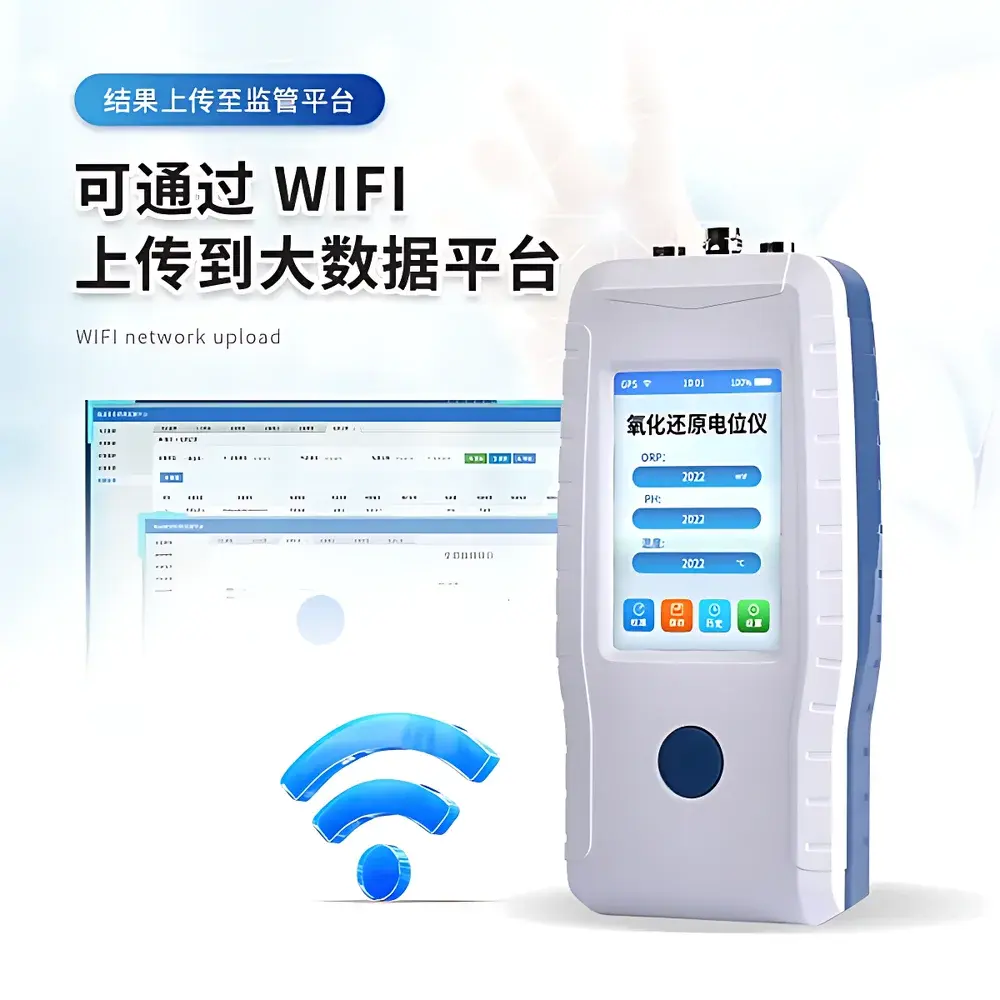
Data acquisition, visualization, and export are managed via embedded Android OS (v8.1+). The device natively stores up to 5 million timestamped records—each containing Eh, pH, temperature, GPS-tagged location (when paired with external GNSS module), and operator ID. Records are exportable in CSV or Excel-compatible XLSX format via USB OTG or Bluetooth 4.2 to Windows/macOS/Linux hosts. No proprietary software installation is required: exported files open directly in spreadsheet applications or GIS platforms. Remote telemetry is supported through optional MQTT or HTTP POST integration with cloud-based environmental data platforms (e.g., ThingSpeak, AWS IoT Core). Audit trails—including calibration timestamps, electrode replacement logs, and firmware version history—are retained internally and exportable for regulatory review.
Applications
- Wetland and riparian zone monitoring: Tracking Eh dynamics across hydrological gradients to assess methane flux potential and sulfate reduction thresholds.
- Contaminated site management: Evaluating reductive dechlorination progress in chlorinated solvent plumes or Cr(VI) immobilization efficacy in chromite ore processing residue.
- Precision agriculture: Correlating ORP shifts with irrigation scheduling, nitrogen fertilizer timing, and denitrification risk modeling in rice paddies or high-organic horticultural soils.
- Landfill cover system performance: Verifying aerobic cap integrity and detecting early anoxic development beneath geomembranes.
- Soil health diagnostics: Integrating Eh-pH-temperature triads into composite indices for microbial functional diversity estimation and carbon mineralization rate inference.
FAQ
What reference electrode system does the QX6530P use?
The instrument ships with a double-junction Ag/AgCl reference electrode filled with saturated KCl gel, providing stable potential output and minimizing liquid junction potential errors in high-ionic-strength soils.
Is calibration traceable to international standards?
Yes—ORP calibration uses Zobell’s solution (228 mV at 25 °C vs. SHE) and quinhydrone buffer (≈+470 mV), both traceable to NIST SRM 1913 and ISO 10390 Annex B protocols.
Can the device measure ORP in submerged sediments?
Yes—provided the probe is fully immersed and the reference electrode junction remains unblocked; however, prolonged submersion beyond 48 hours requires post-use cleaning to prevent KCl leaching and clogging.
Does it support FDA 21 CFR Part 11 compliance?
No—the QX6530P lacks electronic signature, role-based access control, and audit trail encryption required for regulated pharmaceutical or clinical trial use; it is intended for environmental research and operational monitoring only.
How often should the platinum ORP electrode be cleaned?
After every 10–15 field measurements in clay-rich or organic soils; cleaning involves ultrasonic bath treatment in 0.1 M HNO3 for 5 minutes followed by thorough rinsing with DI water and air drying.
Related Products







