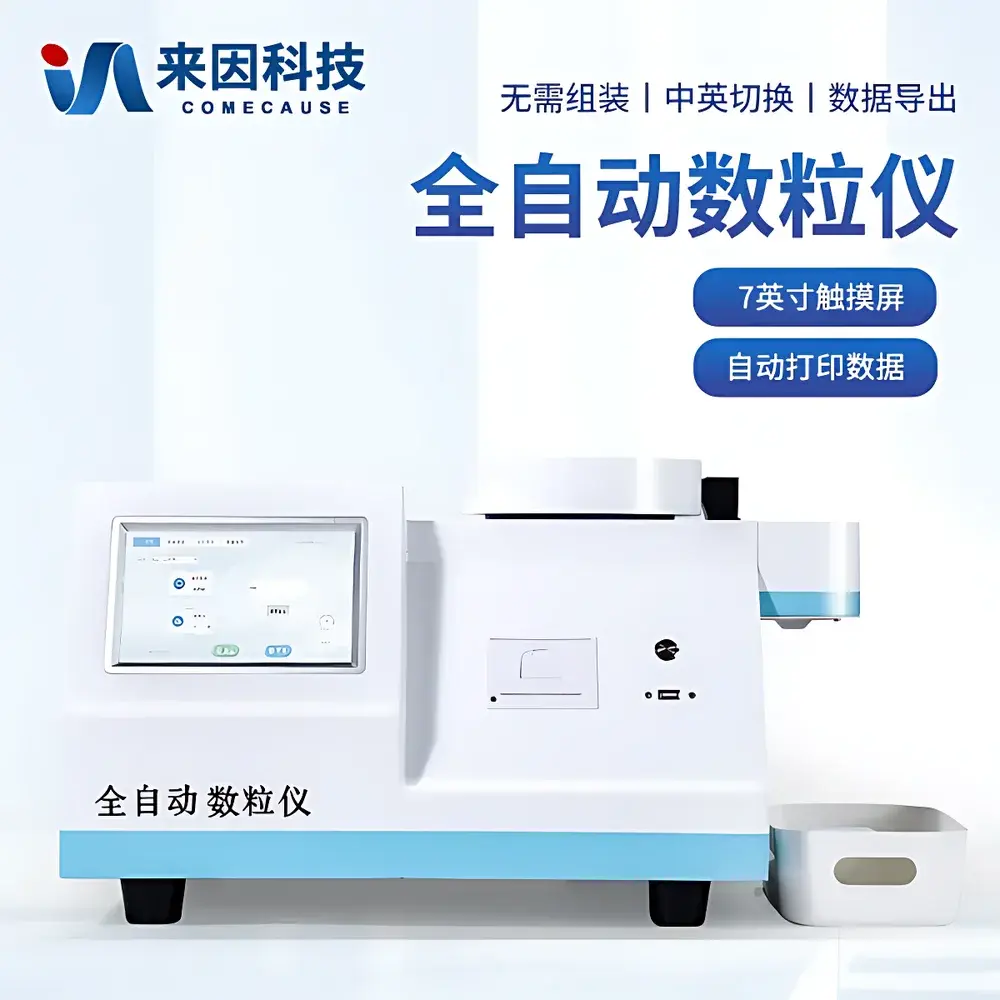
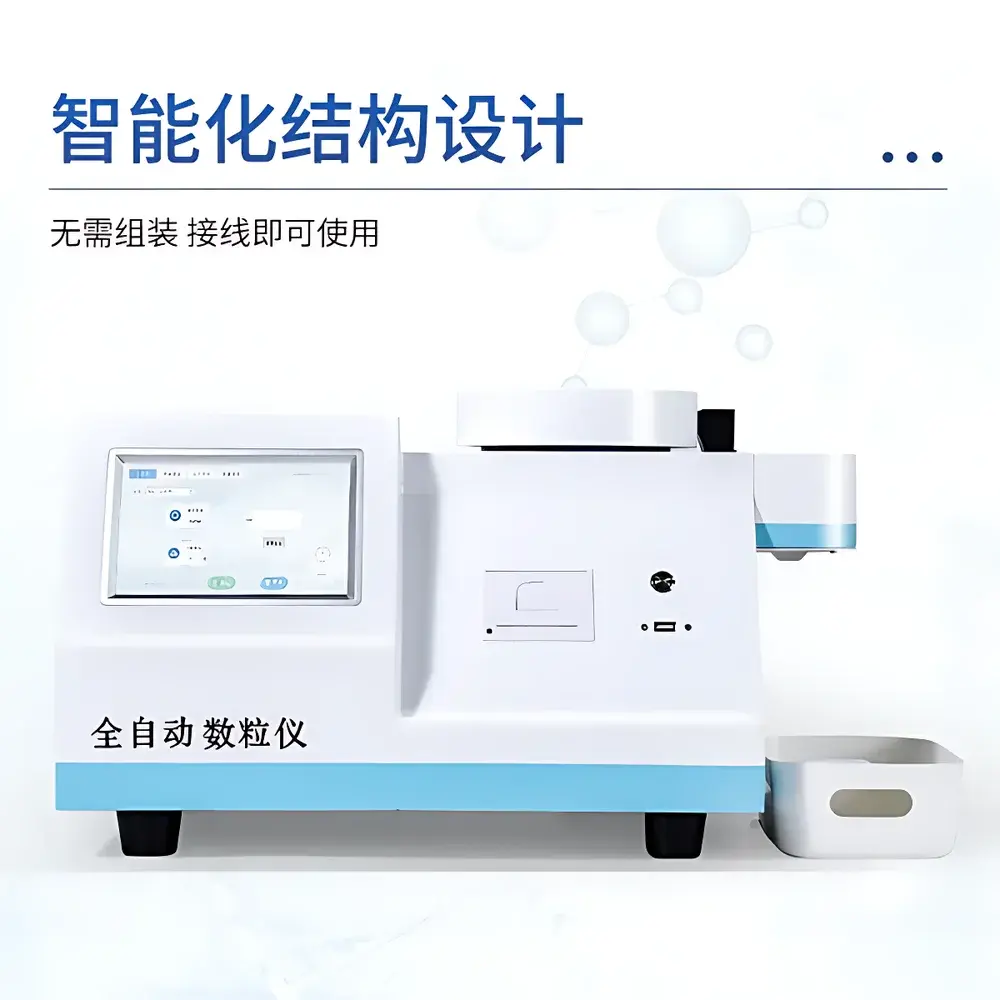
COMECAUSE IN-SL01 Fully Automatic Multi-Function Seed Counter
| Brand | COMECAUSE |
|---|---|
| Origin | Shandong, China |
| Manufacturer Type | OEM Manufacturer |
| Country of Origin | China |
| Model | IN-SL01 |
| Instrument Category | Electronic Automatic Seed Counter |
| Applicable Seeds | Maize, rice, wheat, soybean, sesame, vegetable seeds, melon & vegetable seeds |
| Counting Accuracy | ±2‰ |
| Maximum Counting Speed | 1000–2000 seeds/min |
| Seed Length Range | 0.5–23 mm |
| Counting Range | 1–9999 seeds |
| Sensitivity Adjustment | 0–10 level |
| Dimensions (W×D×H) | 580 × 390 × 336 mm |
| Weight | 24 kg |
| Operating Noise | ≤80 dB(A) |
| Operating Temperature | −10°C to 50°C |
| Relative Humidity | <85% RH |
| Power Supply | AC 100/110/220 V, 50/60 Hz |
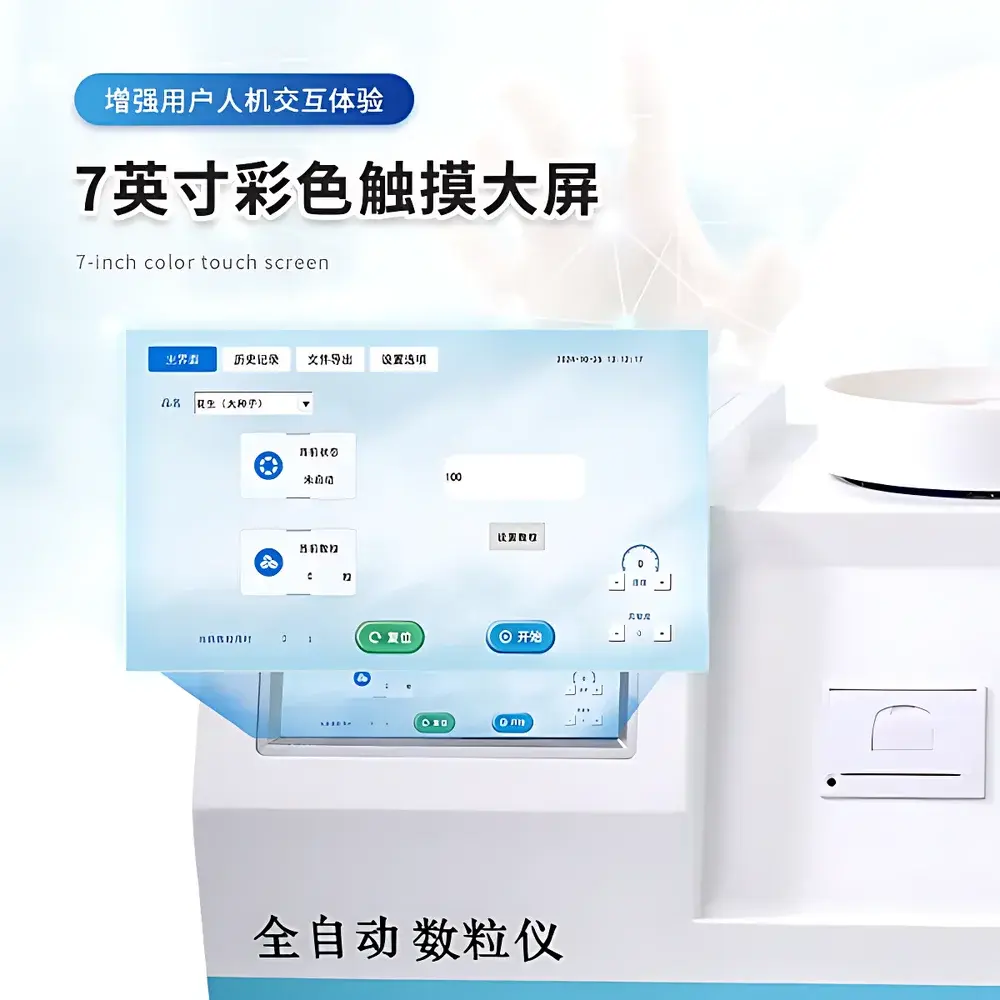
| Display | 7-inch color TFT touchscreen |
| Data storage | Local non-volatile memory |
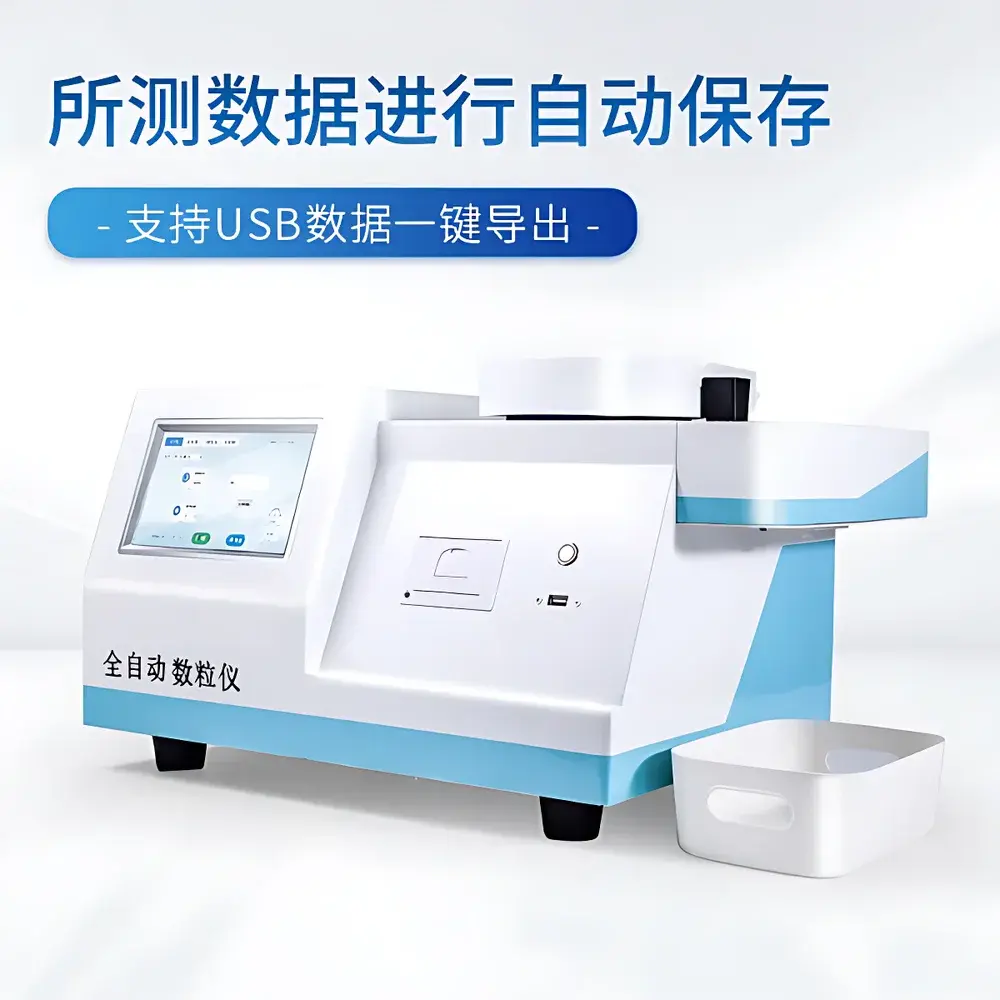
| Data export | USB flash drive interface |
| Language support | Switchable Chinese/English UI |
Overview
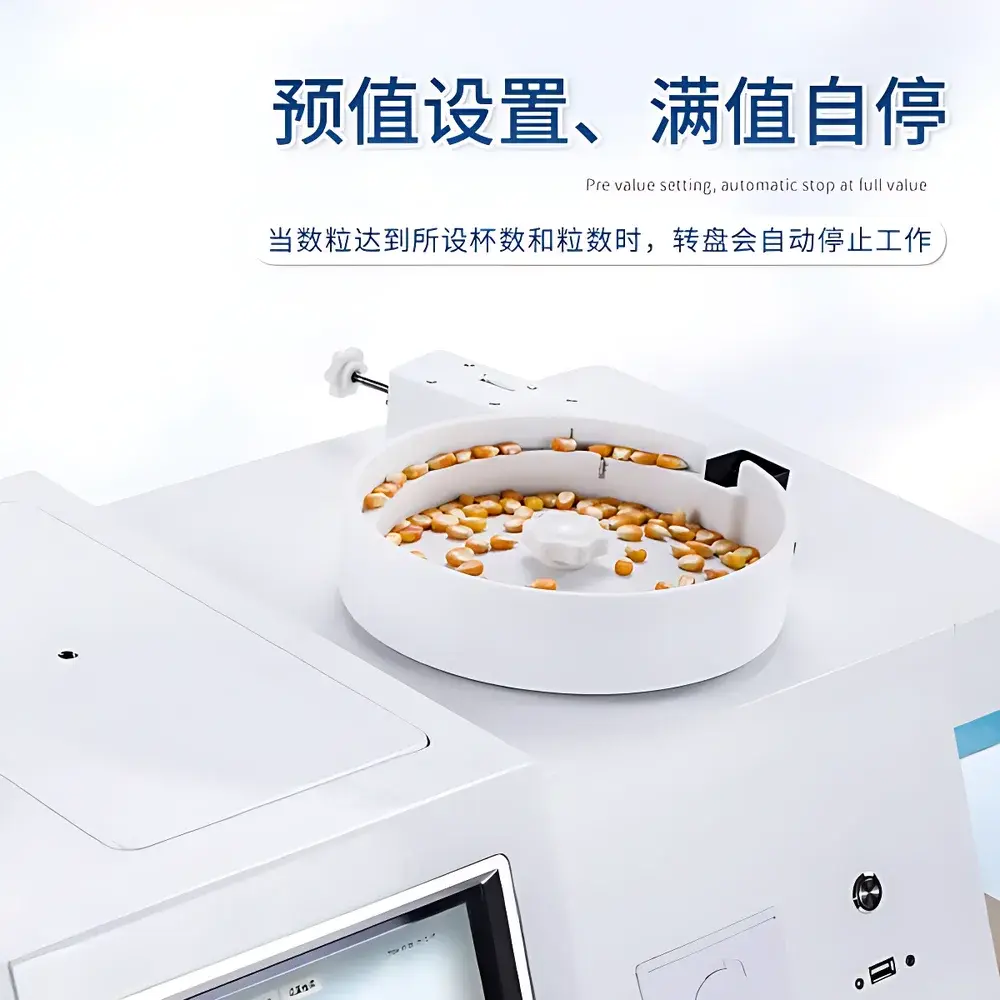
The COMECAUSE IN-SL01 Fully Automatic Multi-Function Seed Counter is an industrial-grade electronic seed counting instrument engineered for high-throughput, repeatable quantification of agricultural seeds in quality control laboratories, seed certification centers, breeding programs, and packaging facilities. It operates on the principle of optical detection combined with controlled vibratory feeding—seeds are dispensed from a hopper onto a precision-calibrated vibration tray, where a high-resolution optical sensor array detects individual seed passage via silhouette recognition and edge discrimination algorithms. This method ensures robust performance across diverse morphologies without mechanical contact or physical sorting, minimizing seed damage and operator intervention. Designed for compliance with international seed testing standards—including ISTA (International Seed Testing Association) guidelines for seed count verification—the IN-SL01 delivers traceable, auditable results suitable for GLP-compliant documentation workflows.
Key Features
- 7-inch full-color capacitive touchscreen interface with intuitive icon-driven navigation and real-time status feedback.
- Preset counting mode: users define target counts (1–9999); device halts automatically upon reaching the value, supporting batch packaging and sampling protocols.
- Customizable seed profiles: operators assign user-defined names and optimize vibration intensity (0–10 sensitivity scale) per species—critical for irregular or fragile seeds such as sesame or coated vegetable seeds.
- Integrated thermal label printer: generates adhesive-backed labels with timestamp, seed type, count value, operator ID, and batch ID—designed for direct application to seed bags or sample vials.
- Local data management: all measurements stored in internal flash memory with time/date stamp; supports pagination, forward/backward navigation, and selective or bulk deletion.
- USB mass-storage mode: one-click export of CSV-formatted records (including count, timestamp, seed type, operator, and system settings) for integration into LIMS or ERP systems.
- Bilingual firmware: seamless toggle between English and Chinese UI—no reinstallation required—facilitating multinational team deployment and cross-regional technical support.
Sample Compatibility & Compliance
The IN-SL01 accommodates seeds ranging from 0.5 mm (e.g., lettuce, carrot) to 23 mm (e.g., maize kernels, large legumes), covering >95% of commercially traded agronomic and horticultural species. Its optical sensing architecture eliminates reliance on uniform shape or density, enabling reliable enumeration of oblong, flattened, or textured seeds—including pelleted, primed, or film-coated varieties—without calibration drift. The instrument meets ISO 11660:2017 requirements for automated seed counting equipment and aligns with ASTM D7435-22 (Standard Practice for Counting Seeds Using Optical Methods). All firmware logs include immutable timestamps and operator identifiers, supporting 21 CFR Part 11-compliant audit trails when deployed in regulated environments (e.g., certified seed production under national phytosanitary frameworks).
Software & Data Management
Firmware version 2.4.x implements deterministic real-time task scheduling, ensuring consistent frame capture rate (>120 fps) during high-speed operation. Each counting session generates a structured metadata record containing ambient temperature/humidity (via onboard sensors), vibration setting, sensitivity level, and optical gain—enabling retrospective root-cause analysis of outliers. Data files follow ISO/IEC 27001-aligned encryption-at-rest protocols; USB export uses FAT32 formatting for universal OS compatibility (Windows, macOS, Linux). Optional API integration (RS-232 or Modbus RTU) allows synchronization with enterprise seed inventory databases or automated packaging line controllers.
Applications
- Seed quality assurance labs performing ISTA-certified purity and germination testing.
- Commercial seed processors conducting pre-packaging counts for retail sachets (e.g., 50–500-seed units) and bulk bags (10–50 kg).
- National seed certification agencies verifying labeled counts per regulatory mandates (e.g., USDA Federal Seed Act, EU Directive 2002/55/EC).
- Plant breeding stations tracking progeny numbers across F2/F3 generations and backcross populations.
- Academic agronomy departments standardizing seed quantities for field trial plot establishment and greenhouse experiments.
FAQ
What seed types have been validated for use with the IN-SL01?
Maize, rice, wheat, soybean, barley, oat, sorghum, millet, sesame, sunflower, tomato, pepper, cucumber, cabbage, lettuce, and brassica species—all tested per ISTA Annex A-1 protocols.
Can the device handle coated or pelleted seeds?
Yes. The optical detection system is insensitive to surface coatings; vibration parameters can be tuned to prevent agglomeration or abrasion.
Is calibration required before each use?
No routine calibration is needed; however, daily verification using a certified reference standard (e.g., NIST-traceable seed set) is recommended for ISO 17025 accreditation.
How is data integrity ensured during power interruption?
Non-volatile memory retains all unsaved counts and system configurations; the device resumes operation at the last valid state after reboot.
Does the printer support barcode generation?
The thermal printer outputs human-readable text only; barcode printing requires external software integration via exported CSV data.